
1200 Augusta Drive, Albany, GA 31707
For more information about senior living options: (866) 208-4318
Overall Review of Georgia Mentor - Augusta Drive
Pros
 They are very knowledgeable people.
- They work hard for the well-being of the children.
- They tried to fit you with the right children.
Review
This community is best suited for families that prize highly knowledgeable staff and a meticulous, person-centered approach to care planning. The reviews point to a team that is deeply invested in the well-being of those served and that actively works to place each client with the most appropriate caregiving match. That level of diligence translates into a care dynamic where residents can expect attentive, relationship-focused service and a willingness to tailor routines, activities, and supports to individual preferences. The emphasis on fitting the right match suggests a care model that values compatibility and ongoing adjustment as needs evolve, which can be especially valuable for families seeking reassurance that staff will really listen and respond.
Prospective residents should, however, weigh this facility against alternatives that are more squarely focused on traditional elder-care outcomes. The reviews imply a program that may lean toward a mentoring or placement-oriented framework rather than a conventional senior-living model with clear, established elder-care pathways. For seniors who require steady medical oversight, comprehensive memory care, or a large-scale ecosystem of health partners, this could be a mismatch. Likewise, families seeking a larger community with broader resources, more frequent activities, varied dining options, and extensive transportation support, might find the home’s footprint and operational scope insufficient to meet those expectations.
The clearest strengths lie in staff knowledge and their demonstrated work ethic toward clients’ well-being. A team that is described as “very knowledgeable” and dedicated to finding the right fit can deliver practical advantages: careful intake that surfaces nuanced needs, proactive care planning, and a collaborative approach with families. When care teams operate with that level of expertise and a willingness to customize, the risk of generic or misaligned care diminishes. For families who value transparency around what to expect and a process that centers on individual preferences, these are meaningful, differentiating assets.
Yet the main drawbacks stem from the limited and somewhat ambiguous feedback. Only two reviews exist, and one of them centers on language more common to child-focused placement than elder care. This raises questions about whether the facility’s core mission and daily operations align with the realities of aging services, including medical supervision, medication management, and dementia care. Important elder-care specifics, such as licensing details, staffing ratios, on-site therapy options, and the breadth of activities or transportation services, are not clearly documented in the available commentary. Without those particulars, promising input about care quality remains impression-based rather than evidence-driven for seniors.
Nevertheless, these strengths can offset some uncertainties if approached with a targeted due diligence plan. The knowledgeable staff and their commitment to well-being provide a strong signal that, in the right context, care planning will be thoughtful and responsive. The caveat is real: verify that the program truly operates as an elder-care-focused environment and not a model designed primarily for another population. Prospective buyers should request elder-care-specific references, tour facilities with a focus on medical and daily living supports, and request sample care plans, recent regulatory filings, and第三-party assessments. Inquiries about dementia care, medication management, rehabilitation services, and private-pay versus long-term-care pricing should be non-negotiable before any decision.
Bottom line: this Georgia Mentor facility appears best for families seeking a highly attentive, personalized approach backed by knowledgeable staff who prioritize the client’s well-being and individualized matching. For seniors needing robust medical oversight, clear memory-care pathways, or a large, fully resourced community environment, consider alternatives with explicit elder-care credentials, transparent staffing metrics, and a proven track record serving adults aging in place. The prudent course is a disciplined comparison: arrange a guided tour focused on elder-care capabilities, secure elder-care references, and benchmark against two to three other Albany-area options. That disciplined approach will reveal whether this community’s strengths align with the specific, day-to-day realities of senior living or whether another option will deliver greater peace of mind and a more comprehensive suite of elder-care services.
 4 resident community capacity
 Assisted Living
 Cable or satellite TV
 Dining room
 Fully furnished
 Garden
 Housekeeping services
 Move-in coordination
 Outdoor space
 Telephone
 Wi-Fi/high-speed internet available
 Southwest Georgia Regional (2 miles away)
 24-hour supervision
 Activities of daily living assistance
 Assistance with bathing
 Assistance with dressing
 Assistance with transfers
 Diabetes diet
 Meal preparation and service
 Medication management
 Special dietary restrictions
 Transportation arrangement (medical)
 Transportation to doctors appointments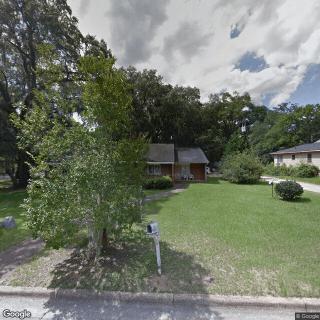




 8 Key Indicators That Suggest It May Be Time to Transition from Assisted Living to Skilled Nursing Care
 Vibrant Senior Living: A Comprehensive Guide for Active Older Adults
 When to Transition from Assisted Living to Memory Care: Key Indicators, Steps, and Finding the Right Community