
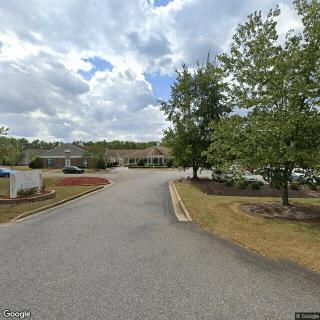
2318 West Alberson Drive, Albany, GA 31721
For more information about senior living options: (866) 208-4318
Overall Review of Albany Mentor Community House
Pros
 They are very knowledgeable.
- They work hard for the well-being of the children.
- They try to match clients with the right children.
Review
Albany Mentor Community House in Albany, GA is best suited for families pursuing child-centered placement needs, foster care, mentoring, or youth-advocacy support, where the aim is to safeguard welfare and achieve the right fit for a young person. The two recent reviews emphasize a staff that is notably knowledgeable and relentlessly focused on the child’s well-being, signaling a disciplined, expert approach to navigating complex placement processes. The clear emphasis on matching clients with the “right” children suggests a thoughtful, outcomes-driven methodology rather than a quick, disposable placement. For households seeking guidance, transparent reasoning, and ethically grounded assistance in youth placement, this organization offers a compelling, purpose-built value proposition rooted in professional expertise.
For seniors or families evaluating traditional assisted living, memory care, or aging-in-place support, this is not the right path. The program’s strengths are anchored in youth welfare, not eldercare outcomes. Alternatives that more directly address elder-friendly goals, on-site caregiving, medical oversight, age-appropriate social programming, and clear, long-term residency expectations, will typically serve older adults more effectively. If the priority involves comprehensive eldercare planning or post-placement continuity for seniors, turning to established senior living communities or reputable home-health providers is a prudent move.
The strongest upside is the staff’s depth of knowledge and their practical commitment to well-being. The reviews portray a team that “works hard” to guide families toward suitable placements, leveraging experience to reduce uncertainties for those unfamiliar with the child-welfare system. This level of expertise translates into more informed decision-making, better screening, and a higher likelihood of aligning a young person with a family that can meet long-term needs. Such capability is a meaningful differentiator when the primary goal is stability, safety, and healthy development for youth in transition.
However, the narrative leaves room for caution. There is little information about concrete outcomes, timelines, or ongoing support after a placement is made, which clouds predictability for families outside the child-focused arena. The reliance on careful matching can also imply longer lead times and more steps before a placement completes, depending on availability and case complexity. For anyone seeking a turnkey or highly predictable eldercare arrangement, with guaranteed daily routines, supervision, and long-term residency certainty, these specifics are not provided and should be explored elsewhere.
When viewed through the proper lens, the pros largely offset the cons for the intended use. The staff’s expertise and welfare-first mindset provide genuine reassurance that placements are handled with care, reducing the risk of mismatches and fostering stability for youth. The meticulous matching approach, though potentially slower, elevates confidence in getting things right the first time around. The main caveat is the scope: for eldercare goals, the same benefits do not translate, and the lack of eldercare-focused metrics becomes a decisive limitation. For youth-oriented needs, these strengths matter and can drive durable, positive outcomes.
Decision-makers should pursue Albany Mentor Community House only when the family’s priorities center on child-focused placement and mentorship and when there is flexibility around timelines. For eldercare objectives, keep options open with traditional assisted living communities, memory care facilities, and comprehensive home-health services. Action steps include scheduling an intake conversation to understand case-by-case expectations, requesting concrete examples of successful matches and typical timelines, and clarifying what post-placement follow-up looks like. Prepare to articulate the desired criteria for a “right fit” and to assess whether the program’s resources, processes, and timelines align with those criteria. In sum, rely on the staff’s expertise for youth-focused placement, while pursuing eldercare solutions that directly address senior needs elsewhere.
 4 resident community capacity
 Assisted Living
 Cable or satellite TV
 Dining room
 Fully furnished
 Garden
 Housekeeping services
 Move-in coordination
 Outdoor space
 Telephone
 Wi-Fi/high-speed internet available
 Southwest Georgia Regional (6 miles away)
 24-hour supervision
 Activities of daily living assistance
 Assistance with bathing
 Assistance with dressing
 Assistance with transfers
 Diabetes diet
 Meal preparation and service
 Medication management
 Special dietary restrictions
 Transportation arrangement (medical)
 Transportation to doctors appointments



 Exploring the Path to Senior Living: A Comprehensive Look at Independent Living and Assisted Living
 Is Assisted Living Deductible on Your Taxes? Understanding the Complexities of Assisted Living Expenses and Deductions
 Assisted Living Support for Veterans: A Complete and Detailed Overview