
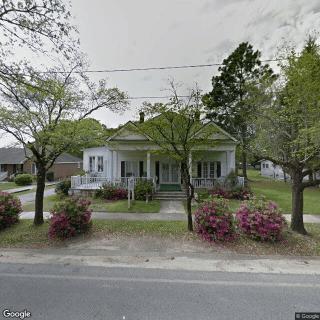
211 West College Street, P.O. Box 7, Adrian, GA 31002
For more information about senior living options: (866) 208-4318
Overall Review of Royal Oaks
Pros
 The owner and staff were very accommodating.
- They were very helpful to the patient during the stay.
- The patient experienced accommodating and helpful service from the owner and staff.
Review
Royal Oaks in Adrian, GA is best suited for families prioritizing highly personalized, hands-on care delivered by a small, attentive team. The experience described by families emphasizes direct involvement from the owner and staff, with a willingness to accommodate individual needs and to respond promptly to requests. For residents who value a close-knit, service-oriented environment where staff know routines and preferences, this setting can feel like a home rather than a facility. The historical note that the community ultimately closed in December 2022 matters, but it does not erase the value of the day‑to‑day attentiveness that accompanied a resident’s stay, nearly two full years in one account. That blend of warmth and responsiveness defines the core suitability.
However, due to the closure, this community is not the best fit for families whose top priority is long-term continuity and proven ongoing operation. Prospective residents who need a stable, enduring address with predictable operations should look toward facilities with current licensing, clear ownership, and a documented plan for future service, transfers, or expansions. Larger campuses or operators with established track records offer more robust continuity and the reassurance of ongoing oversight. For those whose needs are strictly short-term rehabilitation or trial residency, Royal Oaks could still be a reasonable choice if the required supports are available and a clear exit or transition plan is in place should circumstances change.
The strongest pro, responsive, accommodating staff, offers meaningful daily advantages: timely attention to medications, assistance with routines, and a willingness to adapt to personal habits or preferences. In a setting where staff engagement translates into safer, smoother days, these features can offset many typical caregiving irritants and can help a resident settle in quickly. Yet this positive factor has limited endurance value when weighed against the risk of abrupt closure or loss of service. The practical offset is conditional: if a resident can rely on a stable contingency plan and has access to durable post-closure support within a trusted network, the day-to-day warmth remains valuable. Without that safety net, the advantages feel materially diminished at the critical juncture of discontinuity.
Closure is the most consequential red flag. The fact that the community closed after a period of operation triggers concerns about long-term viability, ownership changes, and the certainty of future availability. With only two reviews, there is insufficient data to gauge how universal the positive experiences were or whether the accommodation extended evenly to all care levels. Families must ask hard questions about what happened in 2022, where residents relocated, and how staff transitions were managed. The limited feedback also leaves unanswered questions about pricing stability, contract terms, and the facility’s ability to meet evolving care needs, which for many seniors are dynamic rather than static. In other words, the apparent warmth may have been real, but it rested on an unstable platform.
Decision-makers should verify the current operational status and seek concrete assurances about continuity of care if any interest persists. Important due diligence includes requesting recent licensing records, a detailed transfer plan, and direct references from families who experienced the closure. Ask about how staff deployment, medical oversight, and daily routines were handled during the transition, and whether the successor or owner has committed to ongoing support for former residents. Compare this with facilities that demonstrate steady leadership, transparent financials, and a defined long-term strategy. If a move seems plausible, schedule a candid tour focused on service quality, resident privacy, and the ability to accommodate anticipated changes in health or mobility.
This community can serve as a practical short- to mid-term option for families who prioritize immediate, attentive care and can accept the caveat of uncertain longevity. It is not, however, a decision for families seeking guaranteed long-term residency or a stable, ongoing operation. The core takeaway is to enter with a clear exit plan and to insist on concrete assurances about continuity of care and post-closure support. If longevity and predictability are non-negotiables, steer toward alternatives with proven track records. If openness to a transitional arrangement exists, paired with thorough due diligence and a robust contingency plan, Royal Oaks can deliver meaningful daily comfort while those plans are in place.
 15 resident community capacity
 Assisted Living
 Board and Care Home
 Cable or satellite TV
 Dining room
 Fully furnished
 Garden
 Housekeeping services
 Move-in coordination
 Outdoor space
 Telephone
 Wi-Fi/high-speed internet available
 24-hour supervision
 Activities of daily living assistance
 Assistance with bathing
 Assistance with dressing
 Assistance with transfers
 Diabetes diet
 Meal preparation and service
 Medication management
 Special dietary restrictions
 Transportation arrangement (medical)
 Transportation to doctors appointments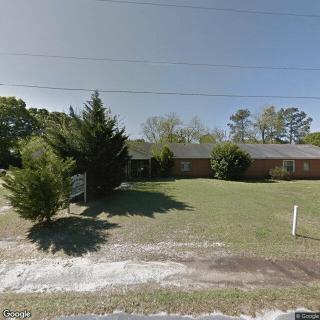



 Understanding the True Cost of Assisted Living in 2025: A Comprehensive Guide
 Understanding Medicaid Coverage for Assisted Living: A Comprehensive Guide
 How and When Medicaid May Cover Assisted Living Costs