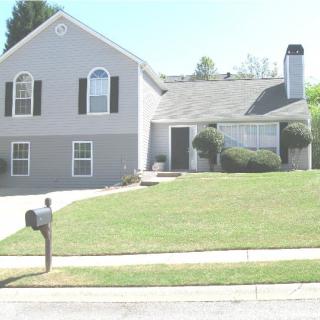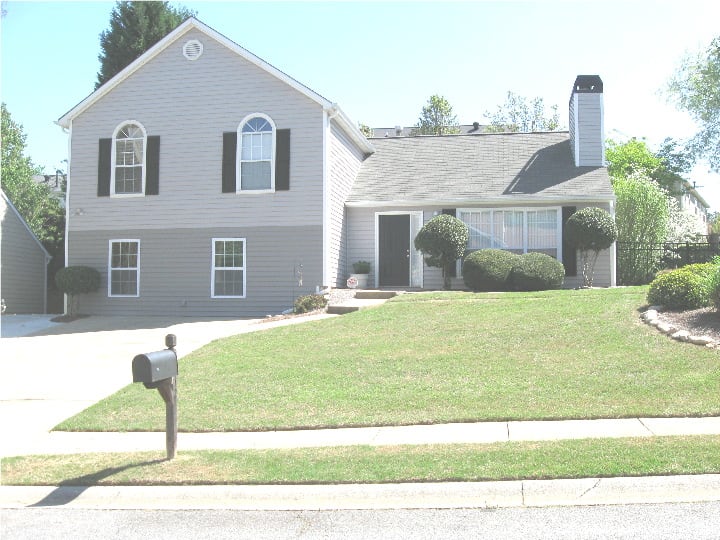
4812 Wilkie Way, Acworth, GA 30102
For more information about senior living options: (866) 208-4318
Lawson Home Care Costs & Pricing
At Lawson Home Care, our monthly cost for a private room is set at $2,500, which positions us competitively within both Cobb County and the broader Georgia market. In comparison, the average rate for similar accommodations in Cobb County is approximately $2,788, while the statewide average hovers around $2,864. This advantageous pricing reflects our commitment to providing high-quality care without compromising affordability. By choosing Lawson Home Care, families can expect not only a more cost-effective solution but also a nurturing environment tailored to meet individual needs.
| Floor plans | Lawson Home Care | Cobb County | Georgia |
|---|---|---|---|
| Private | $2,500 | $2,788 | $2,864 |
Assisted Living communities with a similar price nearby
-
About the same
Green Park at Kennesaw
$2,500 to $5,500 / month2.8 miles away -
About the same

Fite Living Center
$2,500 / month13.0 miles away -
About the same
Grace Living Personal Care Home Of Marietta
$2,500 to $3,500 / month6.1 miles away -
from +$310 / mo
Vitality Living Milton
$2,810 to $5,515 / month19.2 miles away -
About the same

Care One At Jamerson
$2,500 / month5.0 miles away
Overall Review of Lawson Home Care
Pros
 It seems nice.
Cons
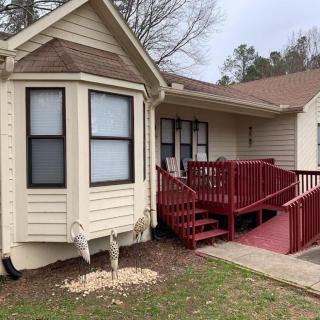
 The space is not ADA compliant.
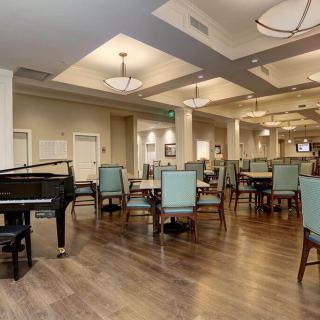
- The room is poorly positioned on the bottom floor with a dining table, which seems suboptimal.
- The director lacks years of experience.
Review
Lawson Home Care in Acworth, GA is best suited for seniors who want a small, home-like environment with straightforward assistance and are comfortable with a modest footprint rather than a fortress-like, fully accessible facility. The setting appears inviting and manageable, with staff able to form closer, more personal connections. For residents who can thrive in a low-key ambience and don’t require expansive on-site amenities, this option can feel like a comfortable fit. A bottom-floor room arrangement with dining nearby could work for someone who wants to minimize stair use, but it also signals a more constrained layout that may not suit those who want a broad choice of room configurations or views.
Those who should consider alternatives include residents with mobility or accessibility needs that demand true ADA compliance, wide doorways, zero-threshold showers, accessible common areas, and elevator access across multiple floors. If independence hinges on consistently barrier-free design, or if a resident requires a high level of medical oversight and structured memory-care programming, this community may fall short. Additionally, families that prioritize seasoned, demonstrable leadership and long-tenured administration may want to compare options where management has verifiable years of operational experience and a clearer track record of staffing stability.
The strongest impression here is that the space “seems nice,” which translates into a welcoming atmosphere and potential for individualized attention in a smaller setting. That advantage can translate into quicker response times, more personal interactions, and a sense of belonging that larger facilities sometimes struggle to deliver. Yet these positive signals are tempered by two substantive concerns voiced in the impressions: first, the facility’s accessibility may not meet ADA standards, which is a material drawback for anyone who cannot navigate non-accessible space safely; second, the director’s level of experience is uncertain, raising questions about leadership continuity, staff training priorities, and the ability to scale care if needs intensify. In other words, the ambiance and intimacy are a real plus, but the foundational elements of accessibility and management credibility require scrutiny.
The key tension is whether the intimate, hands-on vibe can compensate for the absence of full accessibility and a clearly defined leadership track record. For residents who can manage in a compact, single-level or easily accessible arrangement, the positives, personalized attention, a calmer daily rhythm, and potentially tighter-knit caregiving, may offset some risks. However, when safety, mobility, and reliable, experienced oversight are non-negotiables, these offsets are insufficient. In practical terms, families must weigh the value of a homey feel against the potential for limited accessibility features and the possibility of leadership gaps that could affect care plans, consistency, and response to changes in health status.
Before making a decision, families should pursue concrete information to close the gaps in perception. Ask for a detailed accessibility assessment: door widths, bathroom adaptations, grab bars, shower configurations, corridor layouts, and whether any areas require steps or ramps. Confirm the availability of on-site staff with licensed credentials, inquire about caregiving ratios during day and night shifts, and request the administrator’s professional background, tenure, and a clear outline of care-management processes. Visit at different times to observe how staff respond to residents, how meals are served, and whether there is visible signage, lighting, and safety features that support independence. Finally, request references from current residents or families with similar needs to understand how the community handles transitions, health changes, and communications when concerns arise.
The practical verdict is clear: Lawson Home Care is a viable choice for seniors seeking a smaller, less formal living environment and who do not require comprehensive ADA compliance or a management team with a long, verifiable track record. It is not the right fit for those whose priority is guaranteed barrier-free access across all spaces or for families needing proven, senior-level leadership with a track record of proactive, clinically informed care management. For others, particularly where mobility barriers or leadership stability are non-negotiables, exploring alternatives with explicit ADA features, broader room options, and an established leadership team will yield a more decisive alignment with long-term safety and peace of mind.
 21 resident community capacity
 Assisted Living
 Board and Care Home
 Activities on-site
 Beauty salon
 Cable or satellite TV
 Devotional services on-site
 Dining room
 Fully furnished
 Garden
 Housekeeping services
 Indoor common areas
 Kitchenette
 Move-in coordination
 Outdoor common areas
 Private
 Respite or short term stays offered
 Telephone
 Wi-Fi/high-speed internet available
 24-hour call system
 Ambulatory care
 Assistance with bathing
 Assistance with dressing
 Assistance with transfers
 Diabetes diet
 High acuity care
 Incontinence care
 Meal preparation and service
 Medication management
 Mental wellness program
 Special dietary restrictions
 Transportation arrangement (medical)
 Transportation to doctors appointments






 A Detailed Exploration of Assisted Living Medicaid Waivers Across the United States
 Comprehensive Residential Support and Assisted Living Solutions for Individuals with Disabilities
 Comprehensive Supportive Living Arrangements for Adults with Disabilities