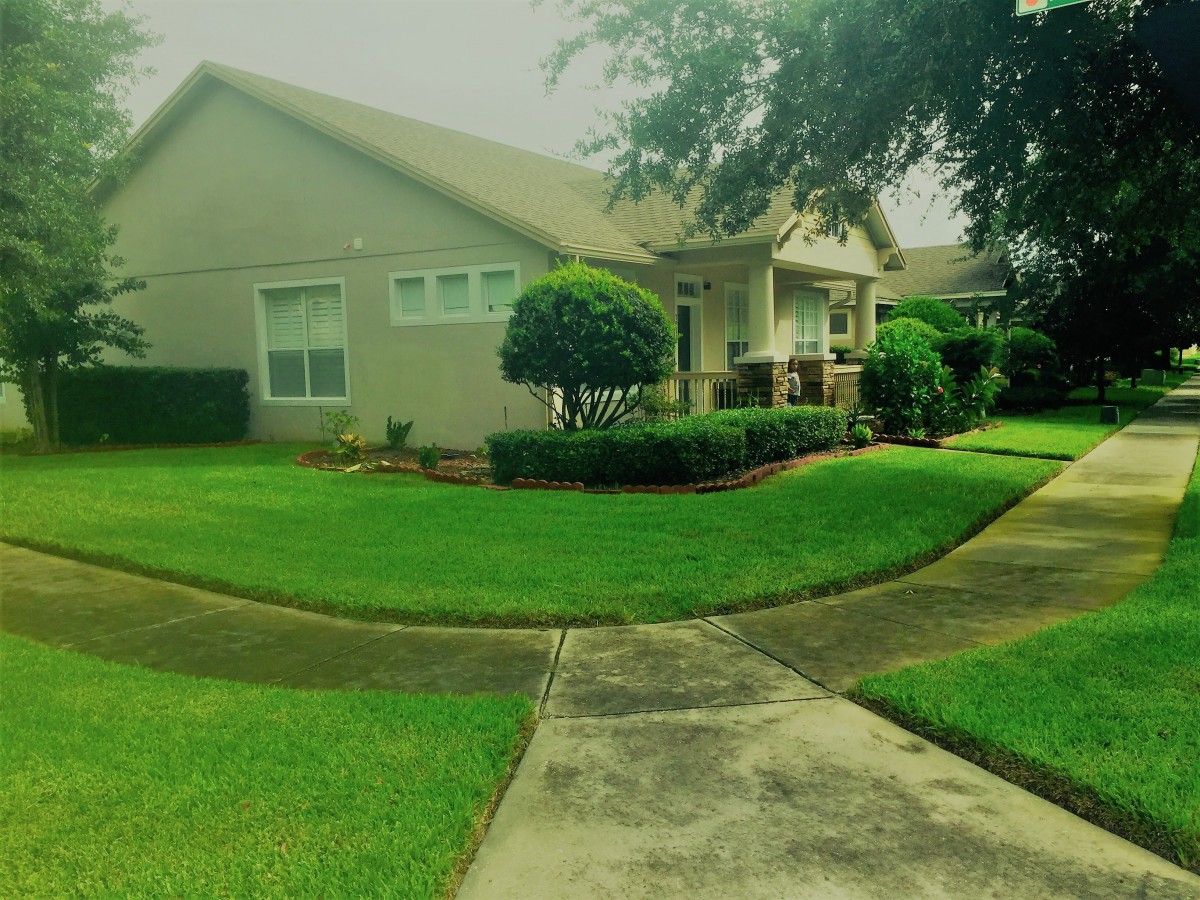
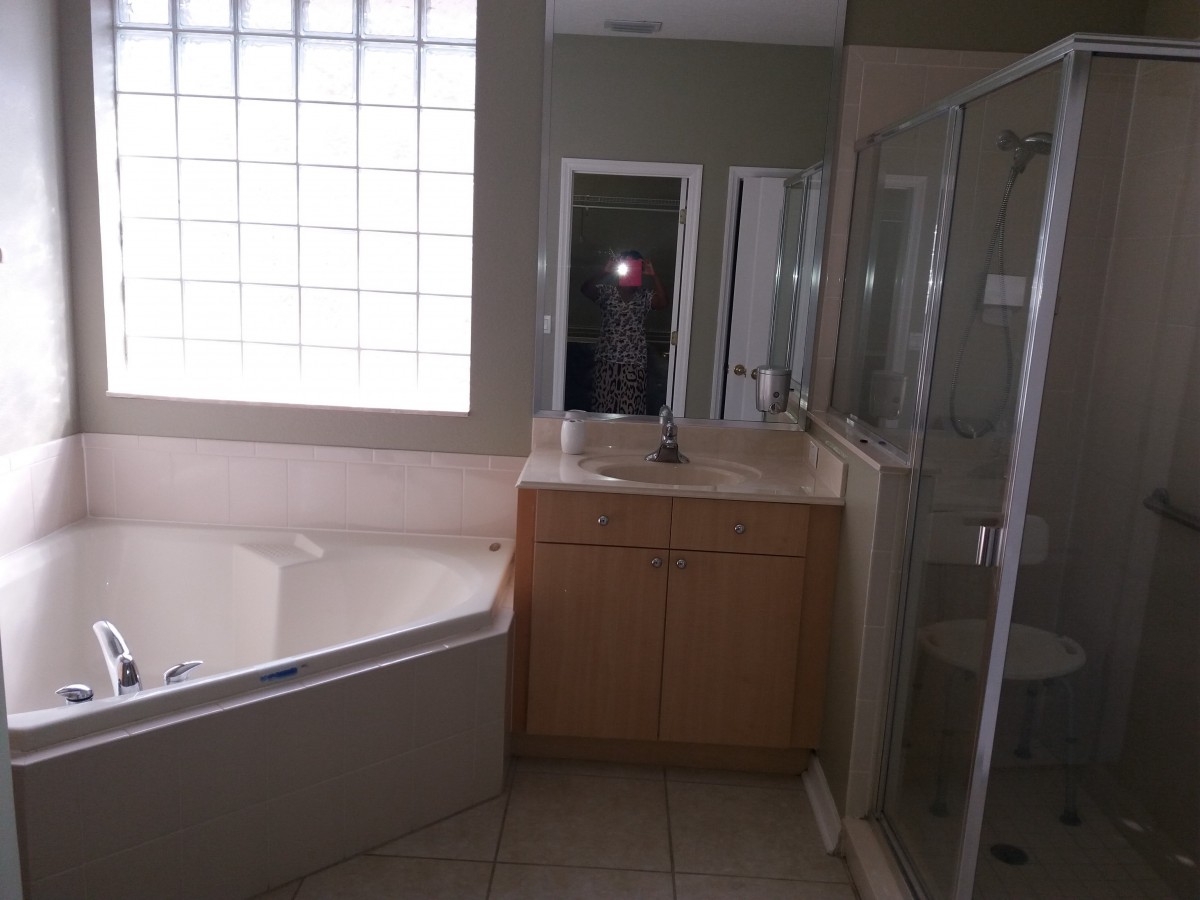
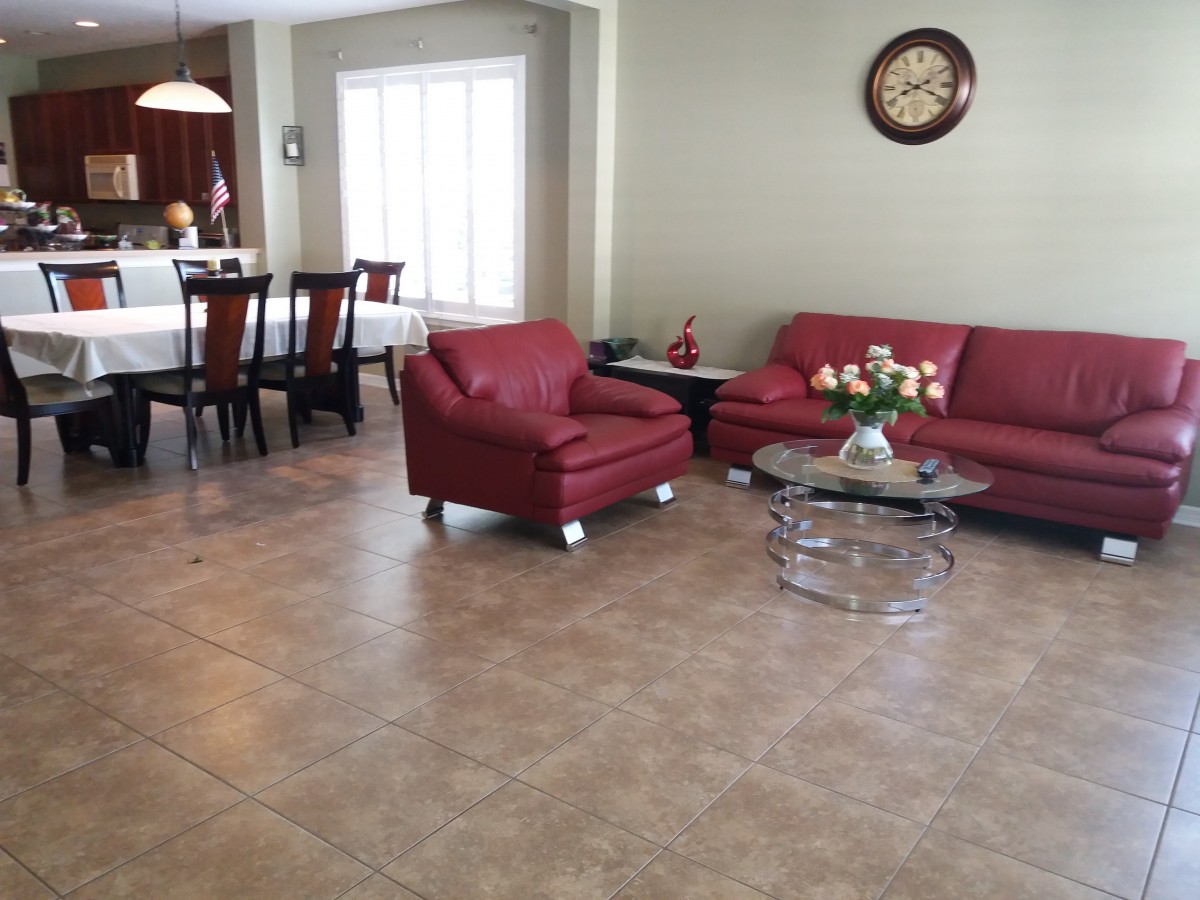

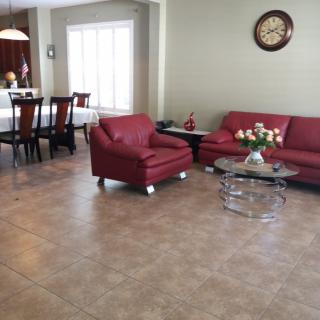

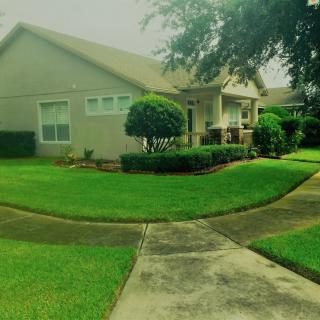


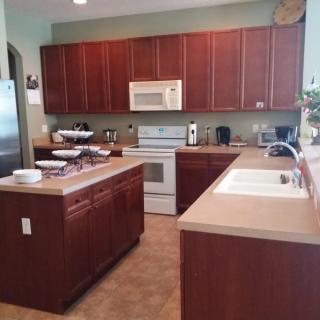


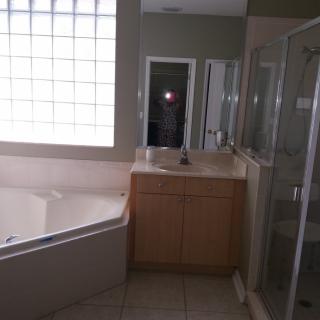
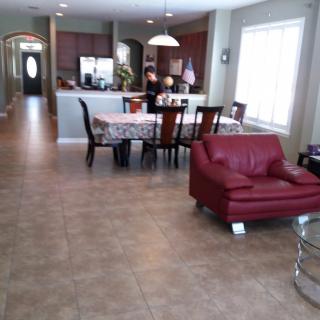
7050 Bramlea Lane, Windermere, FL 34786
For more information about senior living options: (866) 208-4318
Windermere Assisted Living Facility Costs & Pricing
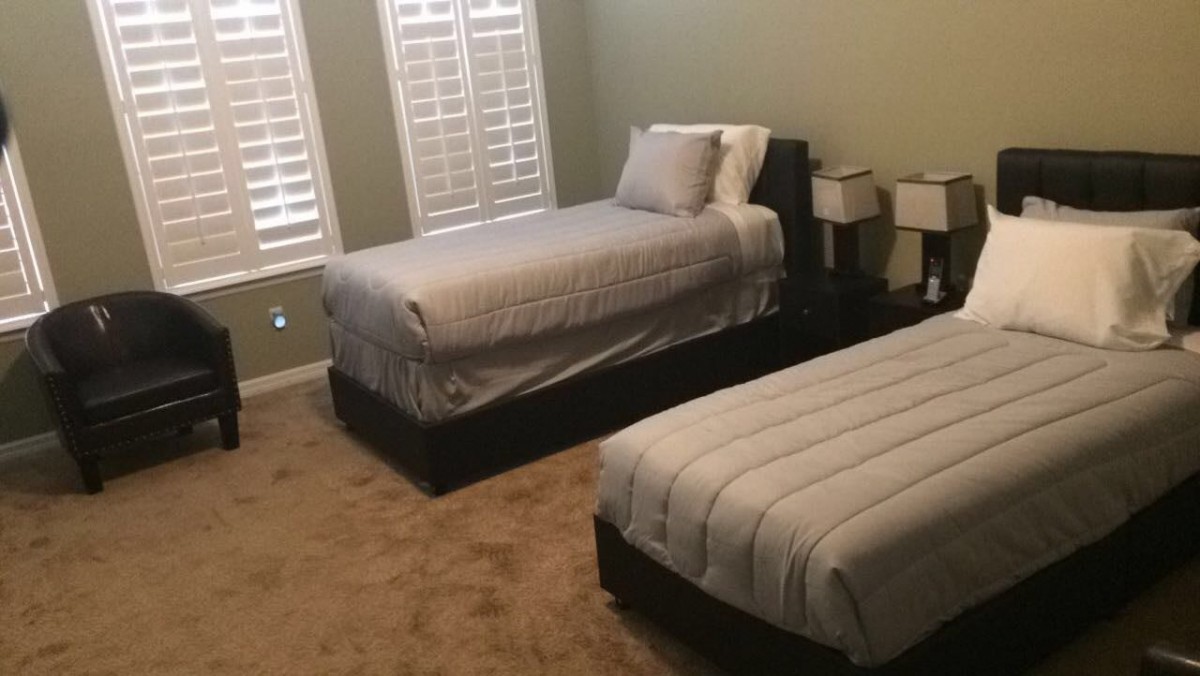
Windermere Assisted Living Facility offers competitive monthly rates for its residents, reflecting the high standards of care and amenities provided. For a semi-private room, the cost is $3,500 per month, which positions it above both the Orange County average of $3,041 and the broader Florida average of $3,009. In contrast, the facility's private rooms are priced at $4,500 monthly; this is higher than Orange County's typical rate of $3,441 but slightly below Florida's average of $3,699. These figures indicate that while Windermere may be priced at a premium compared to regional and state averages, they likely reflect exceptional service quality and a desirable living environment tailored to meet the needs of seniors in assisted living.
| Floor plans | Windermere Assisted Living Facility | Orange County | Florida |
|---|---|---|---|
| Semi-Private | $3,500 | $3,041 | $3,009 |
| Private | $4,500 | $3,441 | $3,699 |
Assisted Living communities with a similar price nearby
-
from +$400 / mo

Benton House of Narcoossee
$3,900 to $4,500 / month24.9 miles away -
About the same

Cascade Heights
$3,595 to $4,395 / month20.5 miles away -
from -$500 / mo
Spring Hills Hunters Creek
$3,000 to $5,000 / month11.3 miles away -
from -$600 / mo

Oakmonte Village Of Lake Mary
$2,900 to $4,200 / month23.4 miles away -
from -$475 / mo

Gentry Park
$3,025 to $4,455 / month19.8 miles away
Overall Review of Windermere Assisted Living Facility
Pros
 They provide loving, caring, family-like care for residents.
- Tesfa and his wife are amazing and take such good care of their patients.
- The staff ensures residents are safe, well cared for, and happy.
- It feels like a home away from home, with a warm, family-like environment.
- Meals are home-made and residents are treated like family.
- The facility gives families peace of mind, knowing their loved ones are being well cared for.
- It is a wonderful place suitable for both active, independent residents and those needing assistance.
Cons
 She was attacked at a larger facility prior to moving to Windermere Assisted Living.
Review
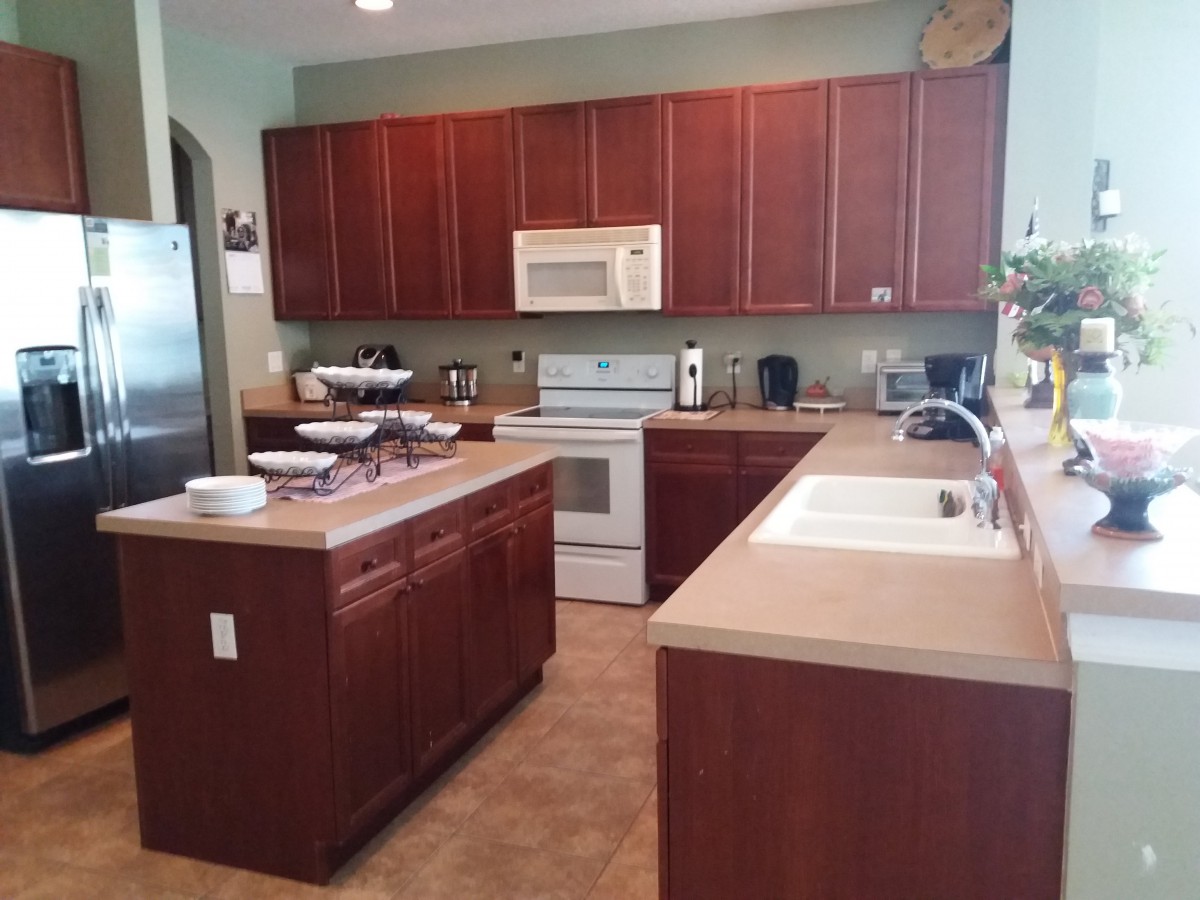
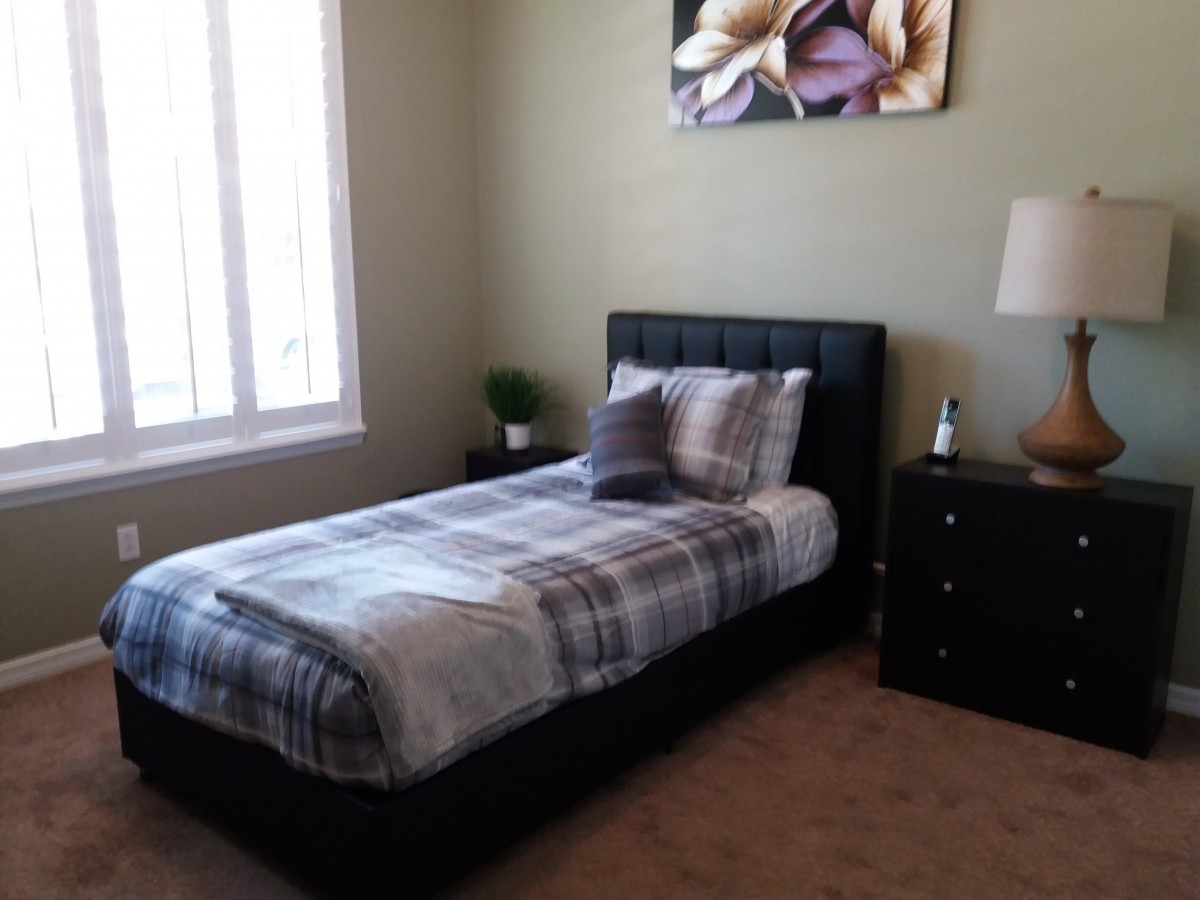
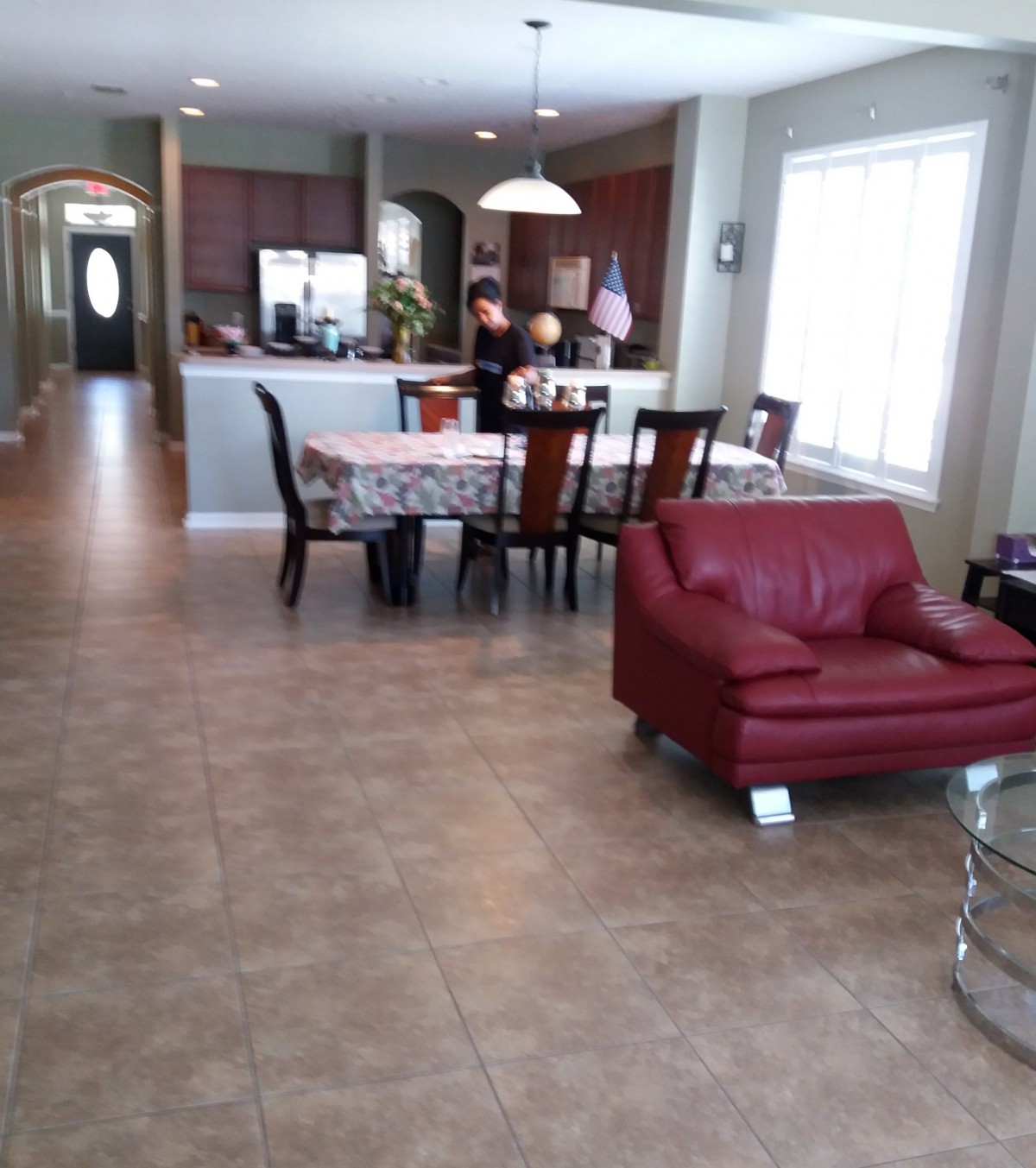
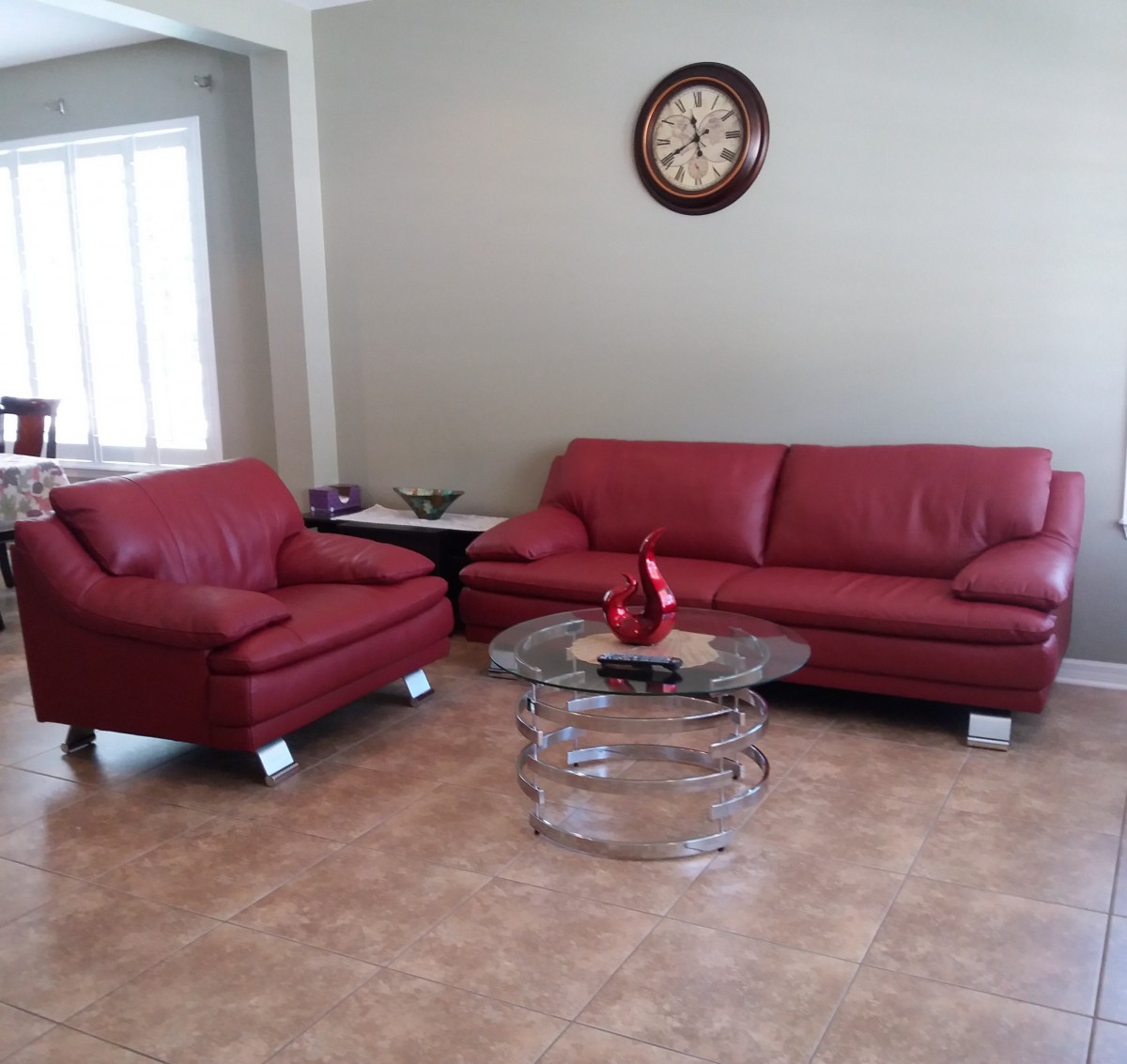
Windermere Assisted Living is best suited for families who want an intimate, home-like setting where care feels personal and constant. It works especially well for seniors facing early memory challenges or dementia, as well as those who need daily assistance but thrive under steady, compassionate supervision. The community’s small, family-run character translates into visible warmth and hands-on involvement from the owners, not distant staff rotations. For families living nearby, the option offers practical peace of mind: the home atmosphere, safety and the ability to keep loved ones close in a familiar place where staff treat residents as members of a caring extended family.
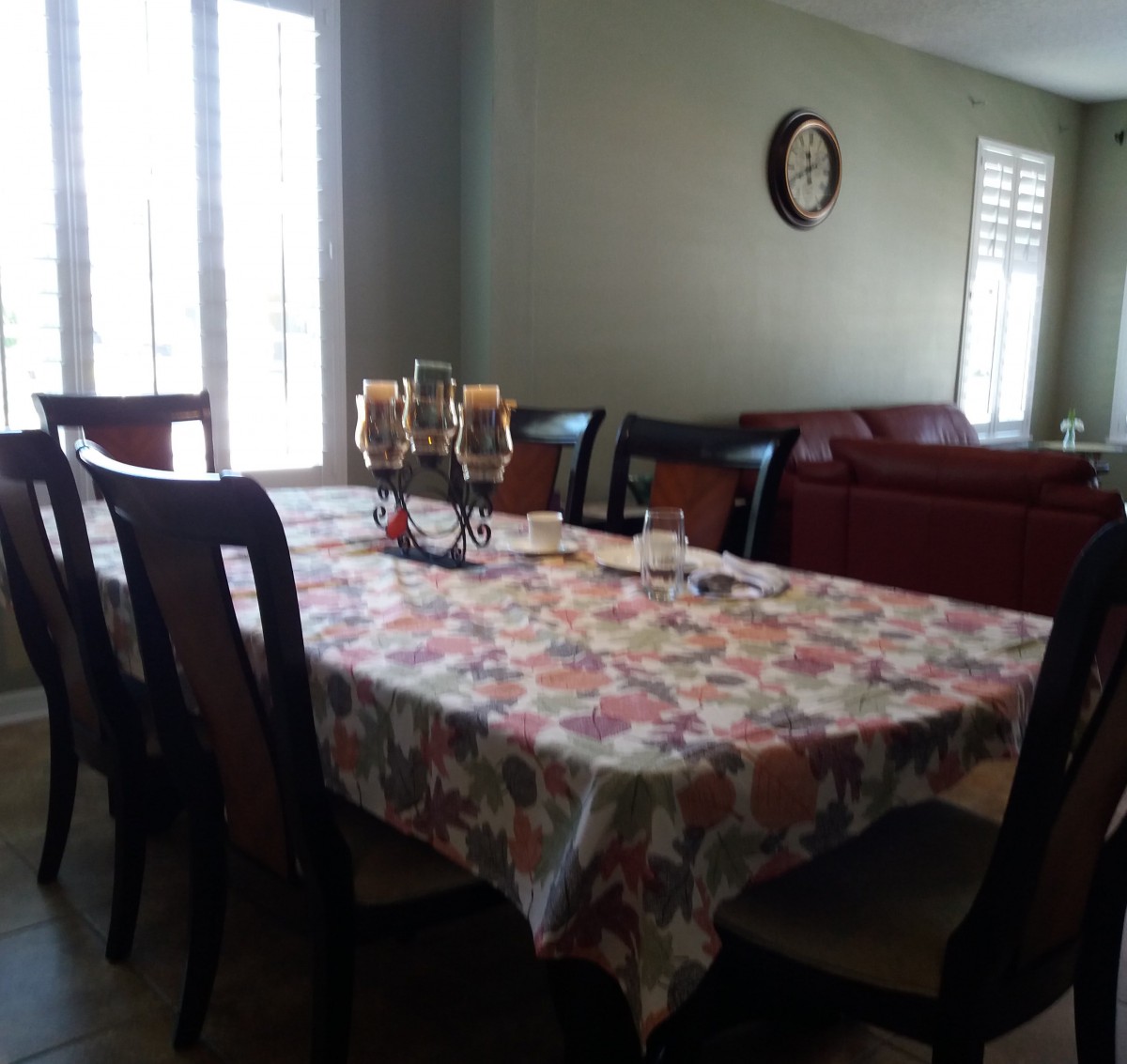
The defining strengths are the people and the environment. Tesfa and his wife are described as remarkable caregivers who personally oversee residents’ well-being, delivering what families call meticulous, loving care. The facility emphasizes a real sense of family, with residents spoken of as grandparents and beloved relatives. 24-hour care is a constant, and families across the country note how they are kept informed about their loved ones’ status. Meals are home-made, prepared by the owner’s daughter who trained in culinary arts, contributing to a comforting, predictable routine that many families value in end-of-life and dementia care.
Despite the strong positives, the small scale of Windermere may not suit every situation. For seniors who require robust skilled-nursing on-site, advanced rehabilitation services, or a calendar packed with specialized programming, larger providers with formal clinical teams may be a better fit. The reviews consistently highlight safety, attentiveness, and a family atmosphere, but they do not showcase expansive medical amenities or hospital-level staffing. In those cases, families should consider alternatives that offer broader clinical resources while preserving the same priority of personal connection and gentle, individualized care.
Where the pros truly offset potential drawbacks is in the lived experience: a resident feels known, valued, and protected, reducing the risk of isolation or impersonal care. The ongoing communication with families who live far away is a recurrent theme, ensuring coordination with doctors and hospice when needed. The home-like floor plan and the attentive, hands-on ownership model translate into consistent routines, reliable meals, and a clear sense of safety that can be hard to find in larger communities. Even when memory challenges intensify, the intimate setting appears to adapt with patience and familiarity, which can be more important than a long list of amenities.
Families evaluating Windermere should focus on alignment of needs with what the community reliably delivers. A visit should include a meet-and-greet with Tesfa and the family team, a candid discussion about care plans, daily routines, and how emergencies or hospice needs are coordinated. Request to sample a typical menu, observe mealtime interaction, and understand staffing patterns to gauge the actual pace of care. Confirm proximity to home to facilitate frequent visits and note whether the residence can accommodate shifts in care level as a loved one’s needs evolve. These checks will confirm that the strengths match the anticipated path.
In sum, Windermere Assisted Living presents a compelling option for families seeking a warm, close-knit home where residents receive attentive, personalized care that often feels like a beloved family member’s care. It excels for dementia and general aging with daily assistance, offering home-cooked meals, constant supervision, and clear, compassionate communication. Those prioritizing a larger clinical footprint or intensive rehabilitation should survey alternatives that deliver more formal medical resources. For nearby families desiring a dignified, humane living environment with a strong sense of belonging, Windermere stands out as a practical, reliable choice.
 5 resident community capacity
 Assisted Living
 Board and Care Home
 Activities off-site
 Air-conditioning
 Bath tubs
 Cable or satellite TV
 Devotional services off-site
 Dining room
 Fireplaces
 Fully furnished
 Garden
 Handicap accessible
 Housekeeping services
 Indoor common areas
 Move-in coordination
 Outdoor common areas
 Private
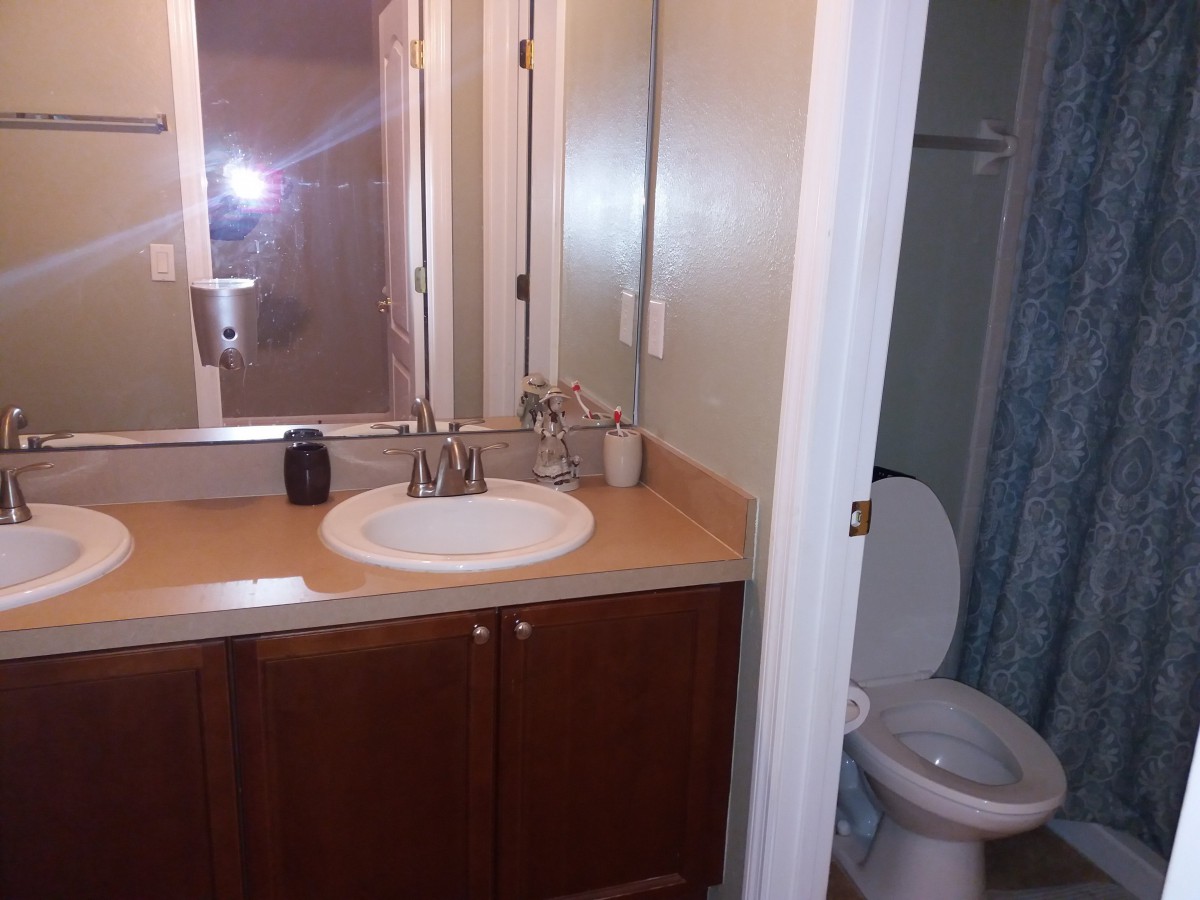
 Private bathrooms
 Respite or short term stays offered
 Swimming pool / hot tub
 Telephone
 Wheelchair accessible showers
 Wi-Fi/high-speed internet available
 Orlando International (16 miles away)
 24-hour supervision
 Ambulatory care
 Assistance with bathing
 Assistance with dressing
 Assistance with transfers
 Diabetes diet
 Diabetic care
 High acuity care
 Incontinence care
 Meal preparation and service
 Medication management
 Special dietary restrictions
 Transportation arrangement (medical)
 Transportation to doctors appointments
 Cooking classes
 Day trips and outings
 Live musical performances
 Live well programs
 Protestant services
 Wii bowling
 Wine tasting







 Senior Transition Services: Understanding Their Role, Cost, and Importance
 Exploring the Path to Senior Living: A Comprehensive Look at Independent Living and Assisted Living
 Is Assisted Living Deductible on Your Taxes? Understanding the Complexities of Assisted Living Expenses and Deductions