
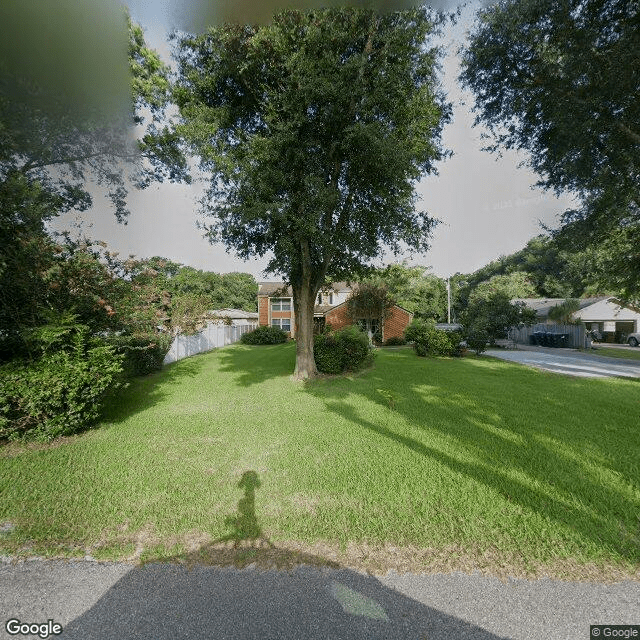
1510 Dingens Ave, Windermere, FL 34786
To contact a resident: (407) 295-8872
For more information about senior living options: (866) 208-4318
Overall Review of Merino, Daysi
Pros
 Caregivers genuinely care about the well-being and comfort of residents in a small, homelike setting.
- Juan Tyler has been here for at least three years and loves the days here.
Review
Merino, Daysi in Windermere, FL is best suited for seniors who prioritize a truly intimate, home-like environment where caregiving is personal, visible, and consistently attentive. The community’s small size translates into a warm, neighborly atmosphere in which residents are known well by name and by routine. Families weighing comfort, daily familiarity, and steady caregiver relationships will find the setting aligns with the desire for dignified, low-stress living. The balance of discreet privacy with readily available support makes it a strong fit for residents who value stable, predictable days, where the emphasis is on comfort, companionship, and a sense of belonging rather than a glossy, impersonal campus experience.
Those who should consider alternatives are residents or families confronting the need for more robust medical oversight, a broader array of specialized programs, or a larger social calendar. If 24/7 access to on-site medical services, memory-care-focused support, or a wider slate of planned activities across a full day is essential, a larger facility may prove more suitable. Similarly, if a resident’s needs include intensive rehabilitation, frequent therapy, or long-distance transportation to appointments, the capacity of a small home-like setting may feel limiting. In short, when medical intensity or expansive programming is the priority, it is prudent to compare options that can scale to those requirements.
The primary advantages center on the care environment itself. A small, homelike setting fosters authentic connections: caregivers who are not just present but genuinely invested in residents’ well-being and comfort. The consistency of staff in a compact community tends to translate into stronger routines, responsive daily support, and a less clinical atmosphere than larger properties. The emotional tenor is calm and reassuring, with caregivers who know residents’ preferences, histories, and cues. These factors collectively reduce stress for both residents and their families, enhancing satisfaction as weekly rhythms become predictable and trustworthy.
While the strong caregiving dynamic stands out, the most visible trade-off is the scale. A smaller operation naturally has a narrower footprint in terms of on-site amenities, activity breadth, and ancillary services compared with bigger campuses. This can translate into fewer formal programs, less variety in outings or groups, and potential limitations in the range of therapies or specialists available on-site. The reviews do not spotlight significant drawbacks, but the practical reality of a compact setting means families should verify the specific offerings that matter, such as transportation options, activity calendars, and access to clinical oversight, to ensure alignment with the resident’s goals.
Yet the pros can more than compensate for these trade-offs when measured against the key strengths: a stable, trusting caregiver-resident rapport; a true sense of “home” that minimizes relocation stress; and the comfort of long-tenured staff who know residents’ routines and preferences well. The evidence of sustained satisfaction, residents and families describing comfort and affection for extended periods, underscores a care model that delivers consistent, high-touch attention. When a resident thrives on familiarity, affection, and a predictable daily structure, the advantages of Merino, Daysi are not just attractive; they are determinative for quality of life.
In practical decision terms, Merino, Daysi should be chosen by families who want a caregiving approach anchored in warmth, respect, and continuity. Prospective residents and their loved ones should visit with a checklist oriented toward the core questions: What is the caregiver-to-resident ratio during peak hours? How are daily routines structured, and how flexible are mealtimes and activities? What is the process for escalating medical needs, and which professionals are available on-site or nearby? How is memory care handled if cognitive needs evolve, and what transportation and companionship options exist for off-site socialization? If the answer set emphasizes personal attention, a homelike daily rhythm, and a sense of family, Merino, Daysi stands out as a prudent, reliable choice. If instead the plan requires broader programming, advanced clinical resources, or a larger, more impersonal campus, exploring alternatives is a prudent next step.
 Board and Care Home
 Orlando International (14 miles away)





 Understanding the Nuances of Palliative Care and Hospice: A Comprehensive Exploration
 Fecal Incontinence in Older Adults: A Comprehensive Guide
 Nurturing Well-Being Through Gardening: A Detailed Guide for Senior Enthusiasts