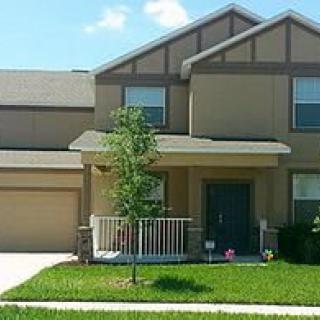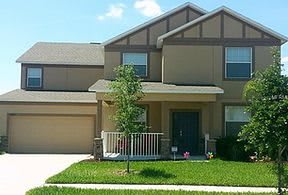
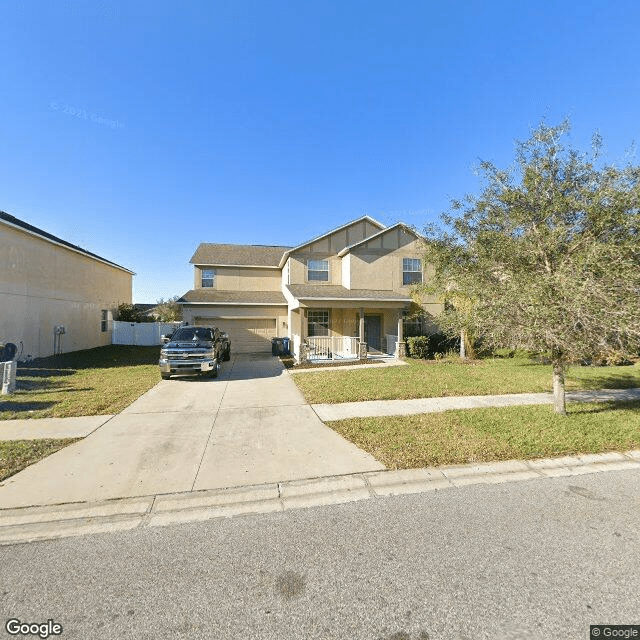
10803 Carloway Hills Drive, Wimauma, FL 33598
To contact a resident: (386) 288-5697
For more information about senior living options: (866) 208-4318
Tampa Bay Adult Family Home Costs & Pricing
Tampa Bay Adult Family Home offers competitive pricing for its accommodations, making it an attractive option for those seeking adult family care. With a semi-private room costing $2,500 per month, residents benefit from rates significantly lower than both the average in Manatee County at $2,926 and the broader Florida state figure of $3,009. For those who prefer more privacy, the cost for a private room is set at $3,000 - again providing savings compared to Manatee County's average of $3,463 and Florida's statewide rate of $3,699. This positioning reflects Tampa Bay Adult Family Home's commitment to delivering quality care at accessible prices within the region.
| Floor plans | Tampa Bay Adult Family Home | Manatee County | Florida |
|---|---|---|---|
| Semi-Private | $2,500 | $2,926 | $3,009 |
| Private | $3,000 | $3,463 | $3,699 |
Senior living communities with a similar price nearby
-
from -$300 / mo
Dorothy Cares Assisted Living Facility
$2,200 to $3,300 / month2.8 miles away -
About the same
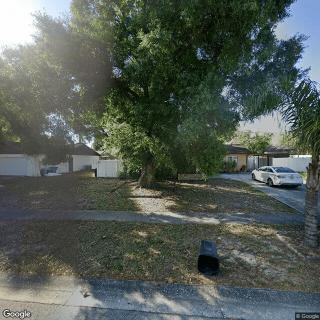
Garden Oasis Alf
$2,500 to $3,500 / month10.8 miles away -
from +$200 / mo
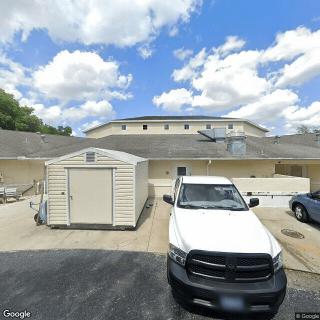
Alafia Village
$2,700 to $4,000 / month8.7 miles away -
About the same

Mi Bello Hogar Living Facility
$2,500 / month19.0 miles away -
from -$300 / mo
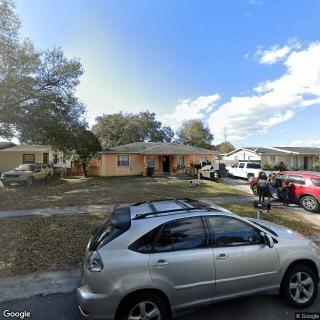
Mary Dunbar Assisted Living Facility
$2,200 to $2,800 / month11.9 miles away
Overall Review of Tampa Bay Adult Family Home
Pros
 Tampa Bay Adult Family Home Care provides a friendly family-style atmosphere at a price in line with others.
- The reviewer feels happier and more comfortable there.
- Meals are provided, and residents can fix their own food if they are finicky.
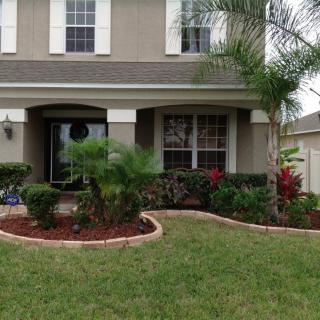
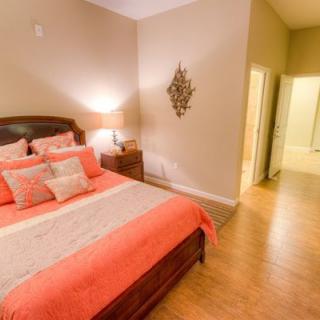
- The house is a newer home and immaculately maintained.
- Help with dressing, bathing, medications, or transportation is provided, and residents are not pressured to accept unwanted assistance.
Review
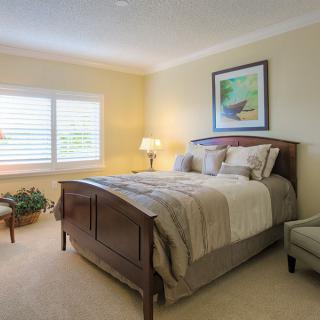
Tampa Bay Adult Family Home in Wimauma is best suited for seniors who want a warm, family-style living experience where care feels personal and unobtrusive, and independence is honored while practical help is readily available. The setting is a newer, immaculately maintained house that delivers a homey atmosphere over a clinical one, and the pricing sits in line with comparable options in the area. This is the kind of community that works well for residents who value comfort, straightforward routines, and approachable staff who are present when needed without pressuring residents into unnecessary services. It’s a choice that rewards those who appreciate daily familiarity and a less institutional rhythm to life.
Families weighing alternatives should consider what happens when a higher level of clinical oversight or a larger social program is required. If 24/7 on-site medical staffing, memory-care specialization, or a broader calendar of activities is essential, a bigger assisted living community or a dedicated memory-care facility may serve better. For those who anticipate frequent, complex medical needs or desire a highly structured environment with formal programming, Tampa Bay Adult Family Home could feel limited. Residents who prefer a more discreet, independent living vibe with minimal intrusion might also look at other small-scale options to compare privacy levels and staffing patterns.
On the upside, the core strengths of this community align with a reassuring, back-to-basics approach to care. The family-style atmosphere fosters a sense of belonging and accountability that is often hard to find in larger settings. The home’s newer construction and meticulous upkeep translate into a comfortable, low-stress living space where everyday routines feel predictable and well-managed. Meals are provided, yet the arrangement remains flexible enough for a picky eater to prepare something in the kitchen, preserving autonomy and reducing mealtime friction. This balance between prepared meals and personal kitchen access matters, because it allows residents to enjoy structure without surrendering personal preferences or a sense of control.
Another clear advantage is the practical support offered without coercion. Help with dressing, bathing, medicines, and transportation is available as needed, but residents do not report being pressured into additional services. That approach can ease tensions for those who prize autonomy and dislike feeling upsold on every service line. The combination of dependable assistance and non-pushy staff helps residents maintain dignity while staying safely mobile and engaged. The happier, more comfortable tone described by a resident who relocated from a less satisfying setting underlines how a respectful, restrained level of intervention can translate into a markedly improved daily experience.
Where the evaluation must go beyond the positive notes is around what this model may lack in the eyes of families planning long-term scenarios. The review leaves room for questions about scale, breadth of programming, and the depth of clinical resources. With a smaller footprint, there are natural limits to the number of simultaneous activities, on-site specialists, and specialized care pathways. Prospective residents should verify staff-to-resident ratios, the availability of licensed nursing support on site, emergency response protocols, and how quickly staff can respond to urgent needs. It’s also prudent to confirm transportation reliability for medical appointments, social outings, and family visits, ensuring consistency over time.
In short, Tampa Bay Adult Family Home represents a compelling choice for seniors who prioritize a homelike environment, honest pricing, and respectful, flexible care. It suits families seeking a setting where warmth, courtesy, and practical assistance converge with a newer, well-maintained home. It is less well-matched for those demanding intensive medical oversight, a broad menu of structured activities, or a large, bustling community life. For families ready to verify staffing specifics, care boundaries, and long-term care trajectories, a visit should center on observing how staff interact with residents, testing the ease of meal adjustments, and confirming the presence of a stable routine that aligns with the resident’s needs and preferences. The decision rests on whether a home-like, self-directed care vibe outweighs the desire for expanded clinical resources or a more expansive activity calendar.
 Board and Care Home
 Activities off-site
 Cable or satellite TV
 Devotional services off-site
 Handicap accessible
 Indoor common areas
 Outdoor common areas
 Private
 Wi-Fi/high-speed internet available
 Tampa International (19 miles away)
 Ambulatory care
 Diabetic care
 High acuity care
 Incontinence care
 Medication management
 Low / no sodium
 BBQs or picnics
 Birthday parties
 Day trips and outings
 Gardening club
 Karaoke
 Trivia games
 Caring for Those Who Care: Recognizing, Understanding, and Overcoming Caregiver Burnout
 Caregiver Exhaustion: Recognizing the Signs and Restoring Your Well-Being
 Understanding Hospice Care at Home: Comprehensive Services, Key Benefits, and Eligibility