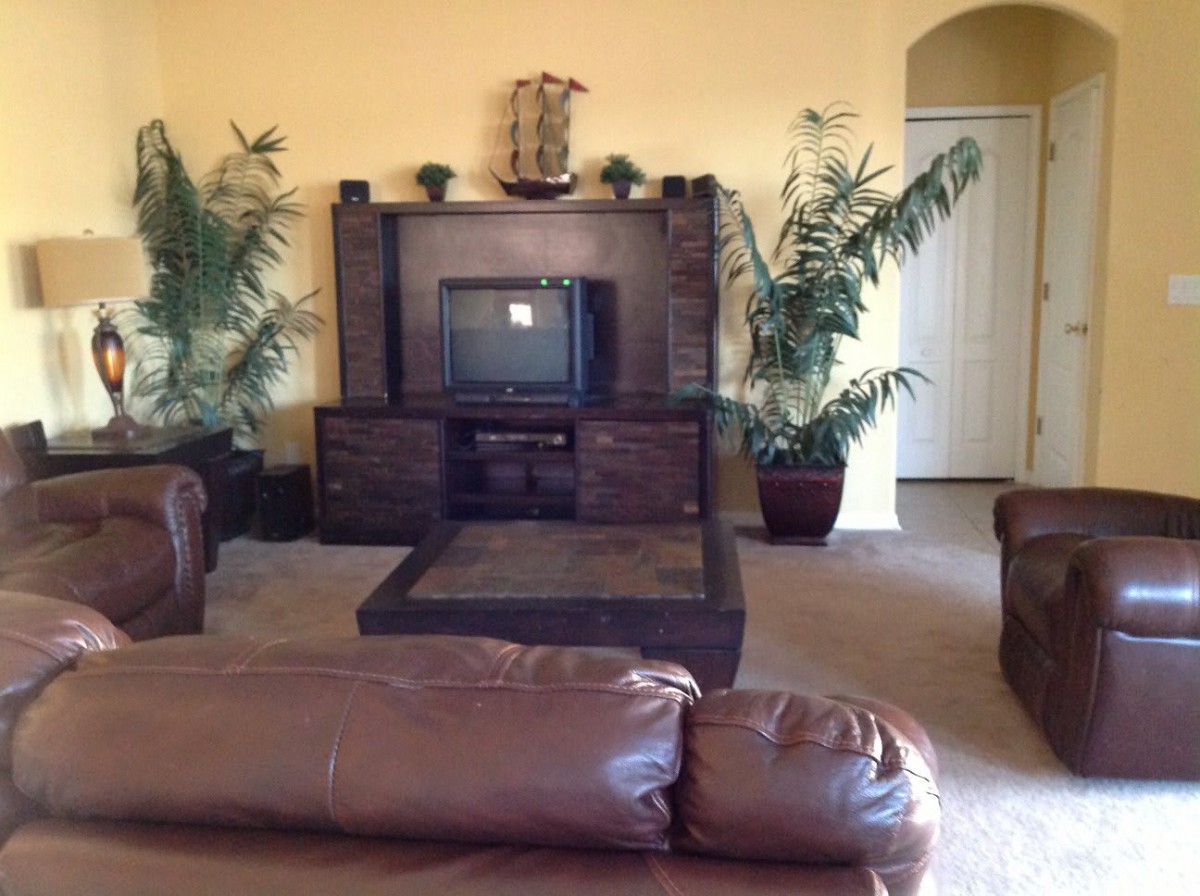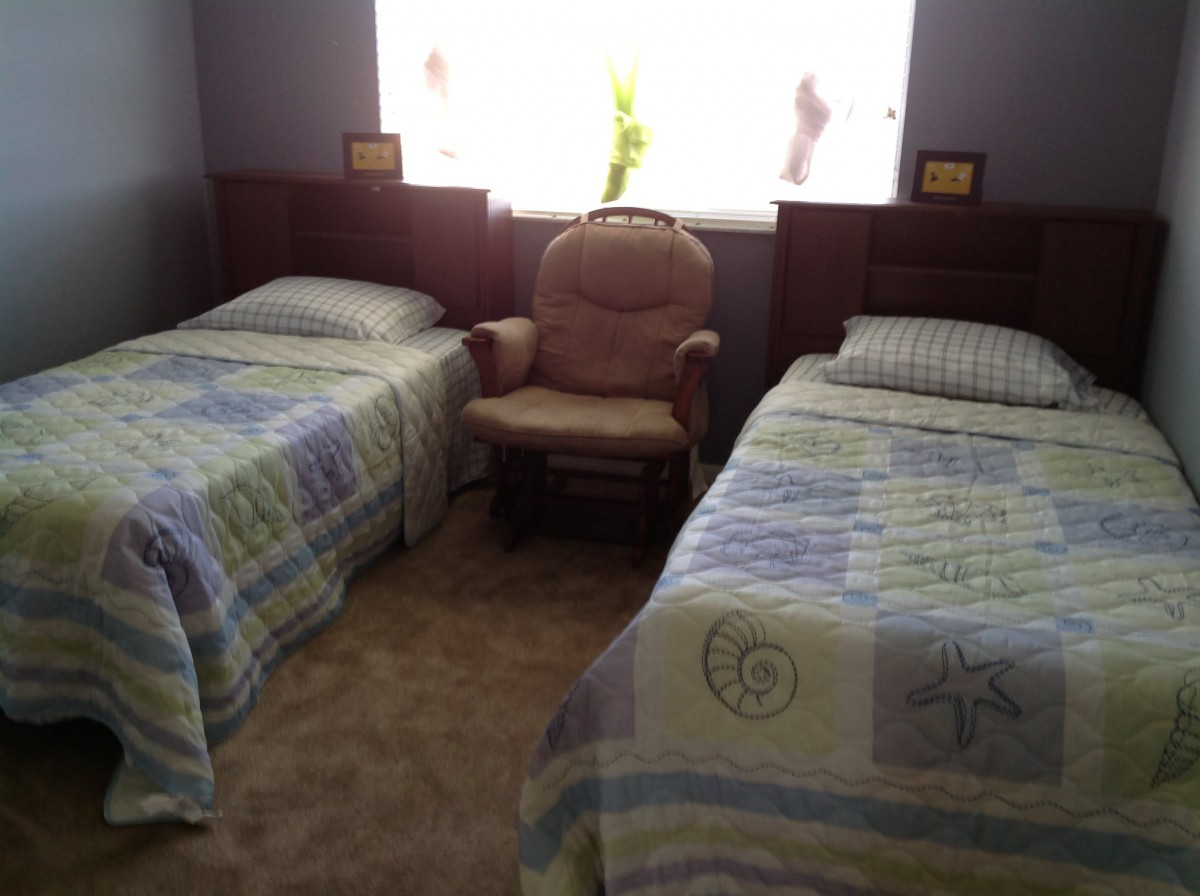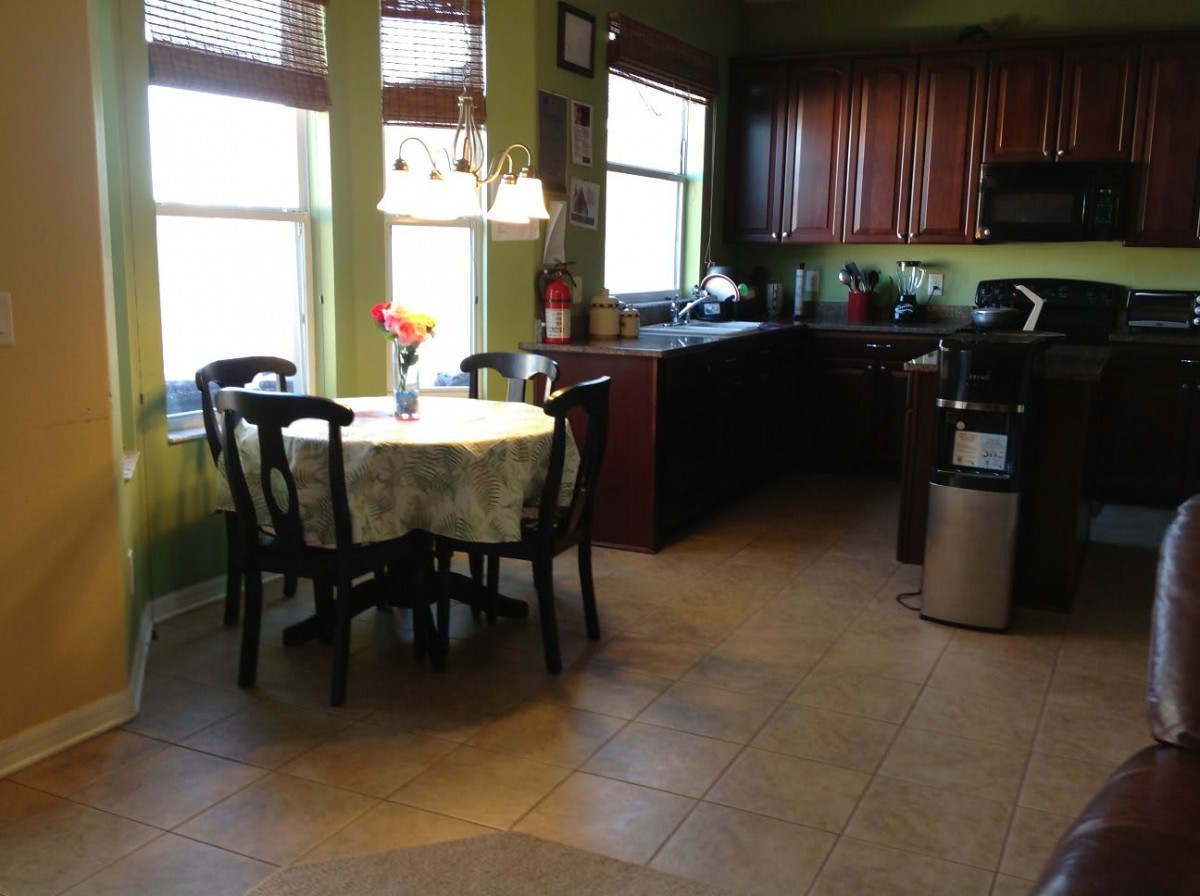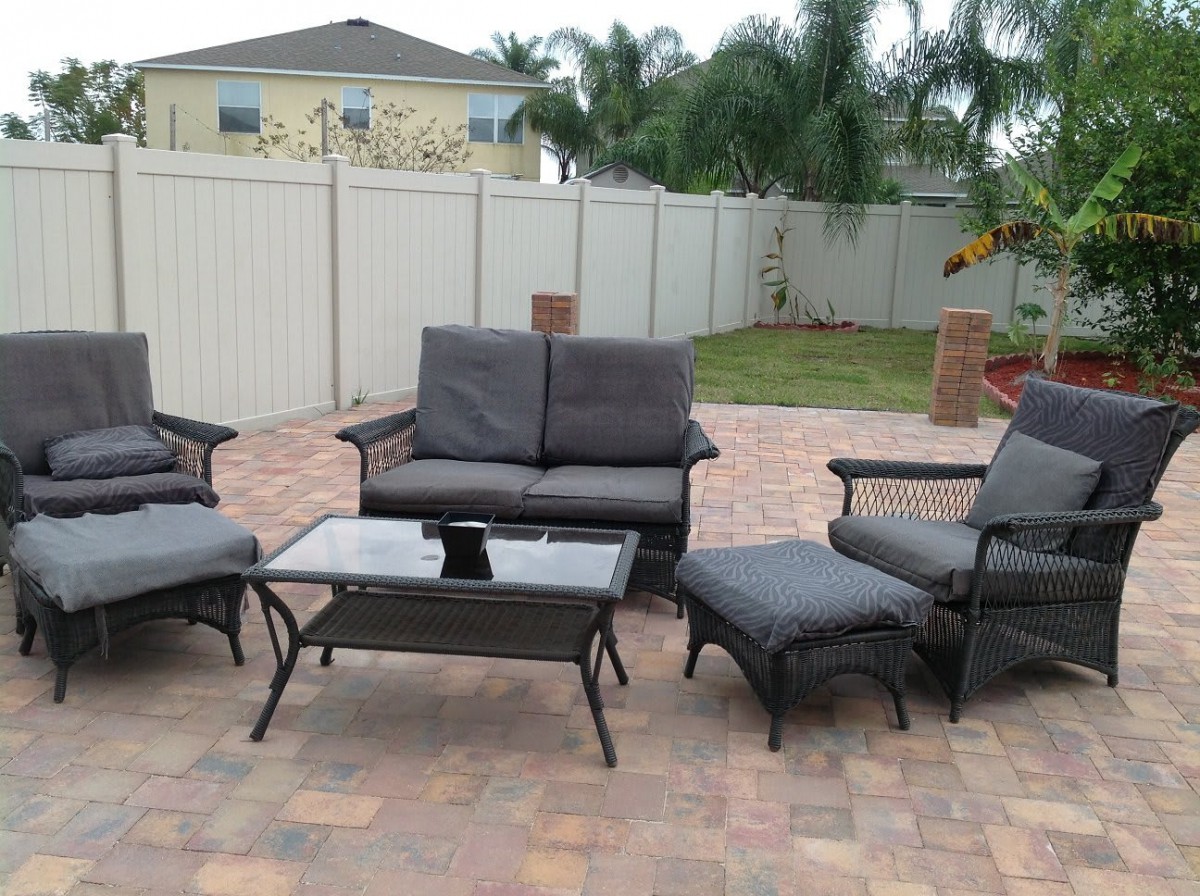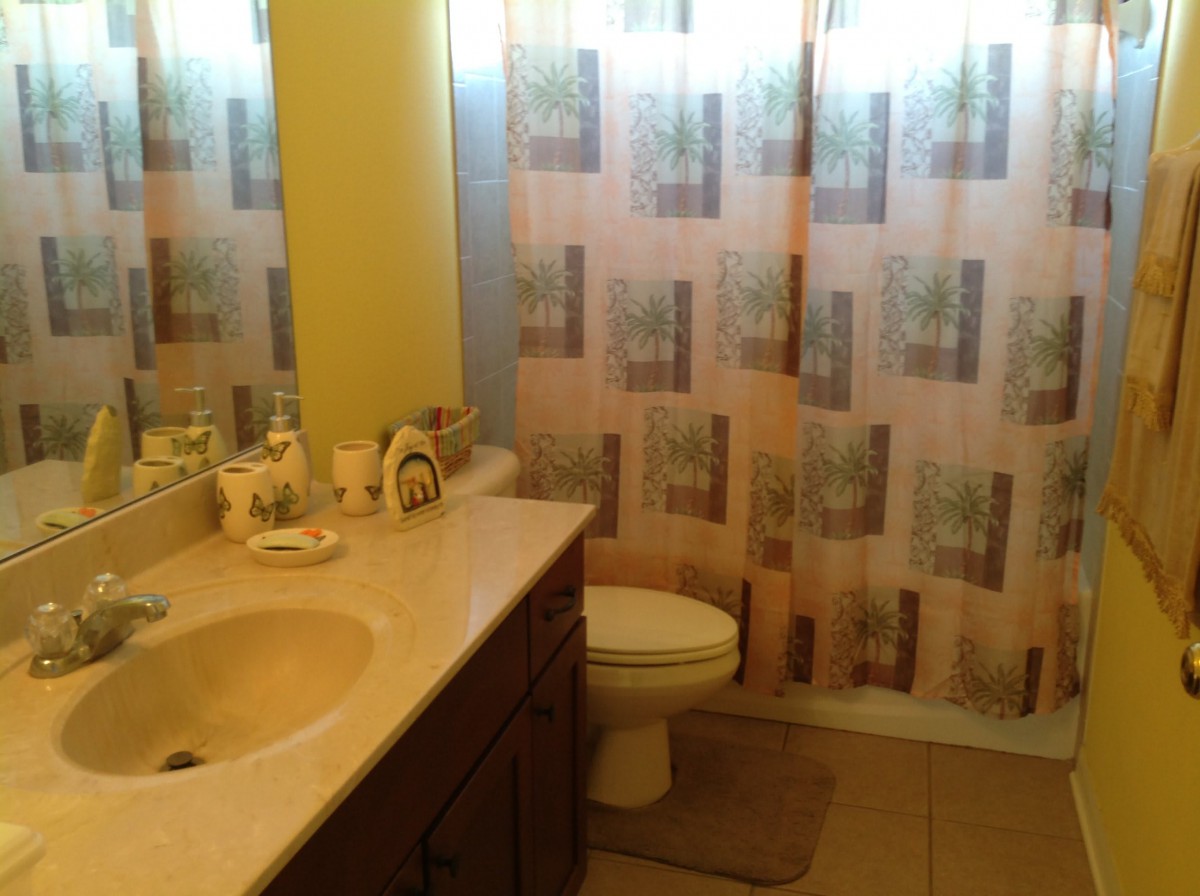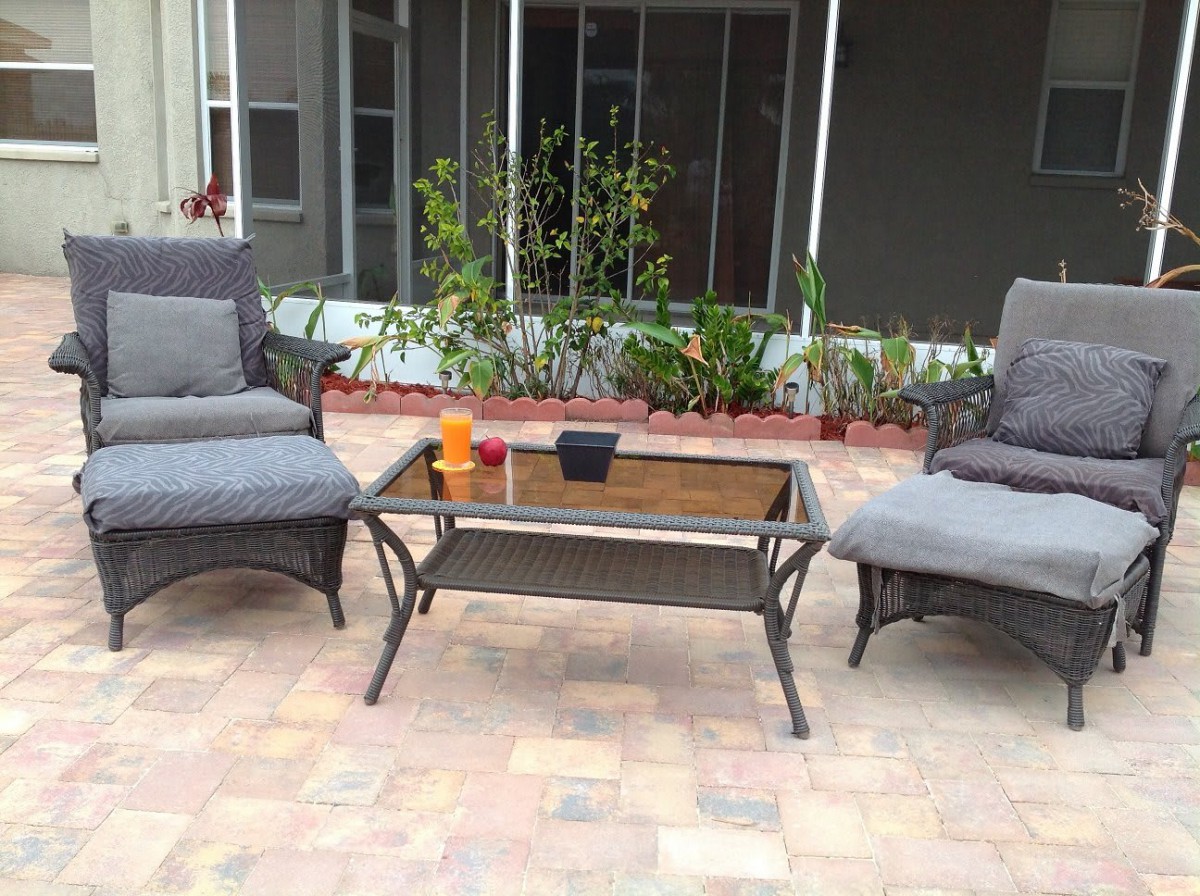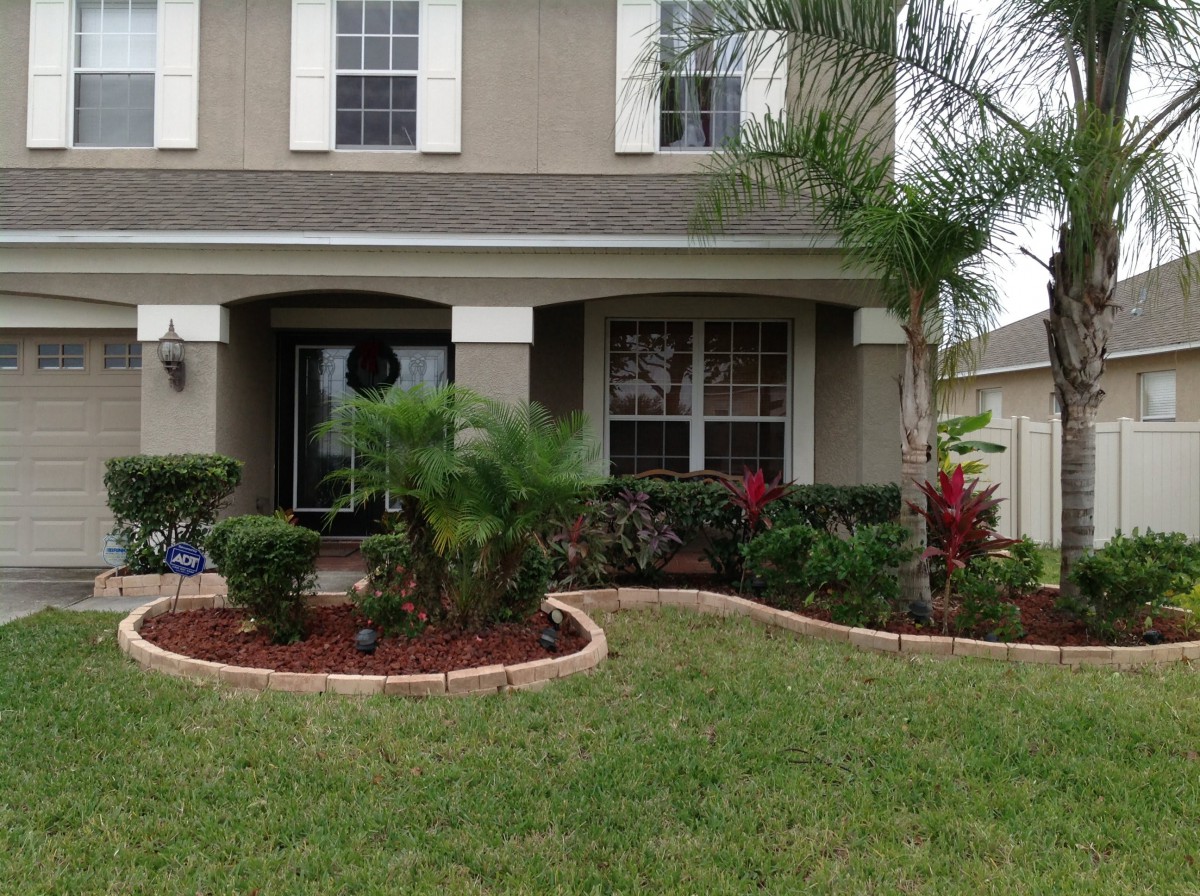
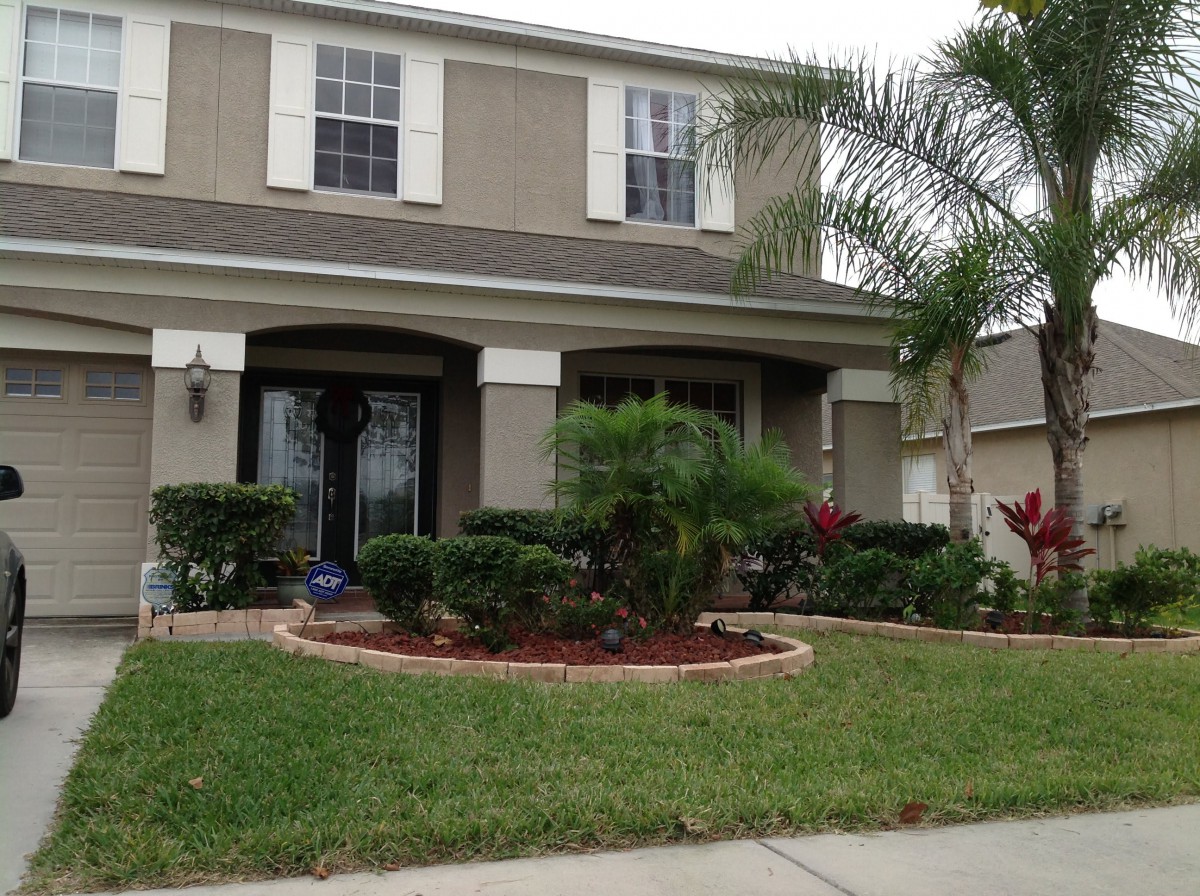

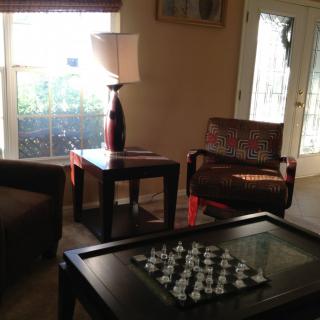
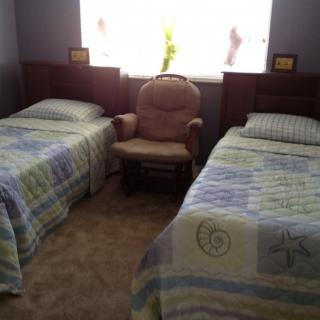
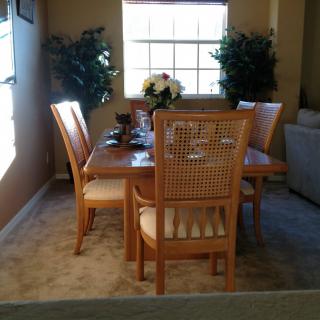
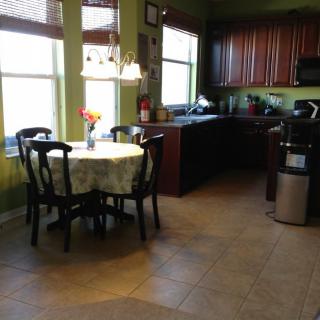
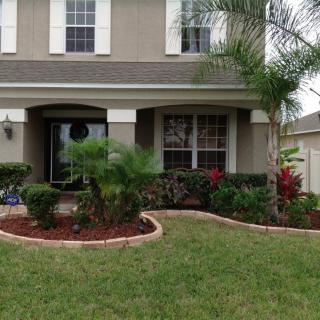
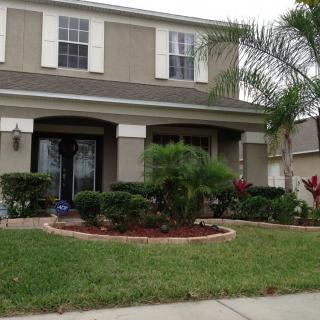
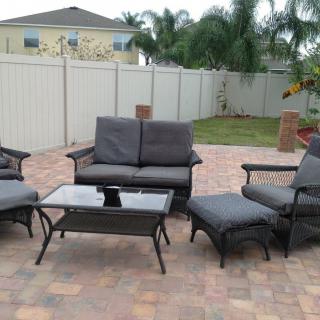
8019 Cherry Branch Drive, Ruskin, FL 33573
To contact a resident: (941) 580-4657
For more information about senior living options: (866) 208-4318
Joshua Adult Family Care Home Costs & Pricing
Joshua Adult Family Care Home offers competitive pricing for its services, particularly when compared to both Hillsborough County and the broader Florida market. For semi-private accommodations, residents pay $1,500 per month, significantly lower than the county average of $3,096 and the state average of $3,009. Similarly, private rooms are available at a monthly cost of $3,000, which again positions Joshua Adult Family Care Home favorably against county rates of $3,384 and state averages reaching $3,699. Such pricing not only makes it an attractive option for families seeking quality care but also underscores the home's commitment to affordability while maintaining a high standard of service.
| Floor plans | Joshua Adult Family Care Home | Hillsborough County | Florida |
|---|---|---|---|
| Semi-Private | $1,500 | $3,096 | $3,009 |
| Private | $3,000 | $3,384 | $3,699 |
Senior living communities with a similar price nearby
-
from +$56 / mo
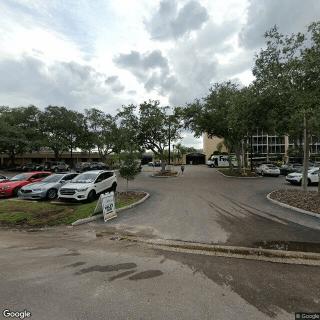
Sun Towers Retirement Community
$1,556 to $2,552 / month2.5 miles away -
About the same
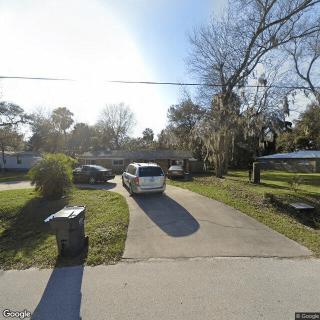
Michael Gray AFCH
$1,500 to $2,000 / month8.0 miles away -
from +$278 / mo
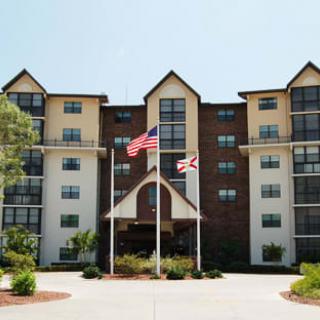
Freedom Village Bradenton, a CCRC
$1,778 to $4,488 / month24.2 miles away -
from -$50 / mo
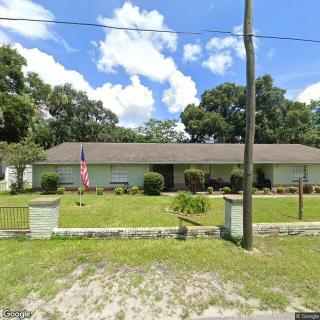
Mountain High Assisted Living Facility
$1,450 to $1,675 / month17.0 miles away -
from +$295 / mo
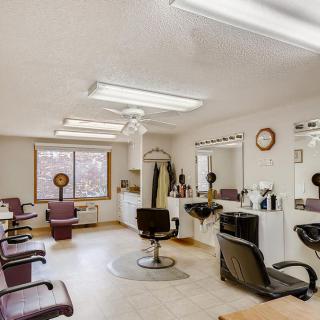
Holiday Woodlands Village
$1,795 to $3,049 / month22.9 miles away
Overall Review of Joshua Adult Family Care Home
Pros
 Mom lived there for over 15 years and was very happy and content.
- Residents are treated with dignity and respect.
- The owners have been terrific to work with.
- The atmosphere is just what they were looking for.
- The home is in a great neighborhood.
- The home is very clean.
- They hope it turns out to be a perfect place for their family member.
Review
Joshua Adult Family Care Home in Ruskin is best suited for seniors who want a small, home-like setting where care feels personal, consistent, and long-term. The community shines for residents who value continuity and dignity over a clinical, hospital-style atmosphere. The most telling signal is the long-tenured resident: one mom lived there for more than 15 years and was very happy and content, a strong indicator of stability, familiarity, and genuine caregiver attention. The atmosphere is described as clean, located in a pleasant neighborhood, and managed by owners who cultivate trust and close, respectful relationships with families. For those who prioritize a warm, intimate caregiving environment where residents are treated as individuals, this option stands out.
Explicitly, alternatives should be considered for residents with higher medical needs or a desire for broader programming and on-site clinical support. If 24/7 skilled nursing, regular on-site medical oversight, or a rigorously structured daily schedule is essential, larger communities with formal clinical teams may be more suitable. Those who rely on frequent physician coordination, extensive transportation services, or a wide calendar of activities might find the fit with a small family-style home less comprehensive. While the reviews do not name shortcomings, the nature of an intimate home setting naturally limits the scope of services available; families with complex medication regimens or advanced care requirements should assess whether these needs can be met here.
The strongest pros center on personal touch and dignity. Owners who are described as terrific to work with create a collaborative, transparent relationship with families, reducing the stress of care decisions. The atmosphere aligns with what families seek: a clean, well-kept home in a safe neighborhood, with care that feels non-institutional and individualized. The insistence that residents are “not a number, but a person” signals a care philosophy that prioritizes respect, privacy, and everyday courtesy. These factors translate into meaningful outcomes: calmer days for residents, smoother daily routines, and a sense of security that a familiar environment can provide to aging loved ones.
Long-term residency emerges as a clear signal of success here. A 15-year tenure by one resident demonstrates remarkable continuity, which is not common in more impersonal settings. Such longevity suggests predictable routines, stable relationships with caregivers, and the reassurance families crave when entrusting someone to care. This continuity reduces relocation anxiety and supports a steady quality of life, especially for residents who thrive on routine and the comfort of known caregivers. The combination of a clean home, neighborhood charm, and committed ownership reinforces confidence that the care approach remains aligned with person-centered values over time.
With no explicit drawbacks highlighted in the consensus, prudent questions still belong in the decision process. Prospective families should verify practical details: staff-to-resident ratios, daily schedules, and how medications and emergencies are handled. Inquire about meal quality and dietary accommodations, housekeeping standards, and how family involvement is integrated into care planning. It is also wise to tour the living spaces, check safety features, and understand how memory support or mobility limitations are addressed. These questions help confirm that the intimate care model can sustain the resident’s needs without compromising safety or accessibility.
Bottom line: for families prioritizing dignity, continuity, and a homelike atmosphere in Ruskin, Joshua Adult Family Care Home presents a highly credible, practical choice. It is particularly well-suited for seniors who flourish with close caregiver relationships, stable routines, and long-term residency, where the sense of home translates into real well-being. Those whose loved ones require more intensive medical services or more expansive programming should evaluate alternatives with stronger clinical staffing. A thoughtful visit, clear discussions about operations, and alignment of expectations with the resident’s values will reveal whether this community can fulfill the care goals. When those boxes are checked, Joshua stands as a confident, well-supported option.
 Board and Care Home
 Activities off-site
 Bath tubs
 Devotional services off-site
 Indoor common areas
 Outdoor common areas
 Private
 Tampa International (19 miles away)
 Ambulatory care
 Diabetic care
 Incontinence care
 Kosher
 Effective Strategies for Keeping Seniors' Minds Active: A Deep Dive into Brain Games and Apps
 In-Depth Look at the VA Aid and Attendance Program
 Nurturing Our Loved Ones: A Daughter's Journey in Caring for Her Mother