

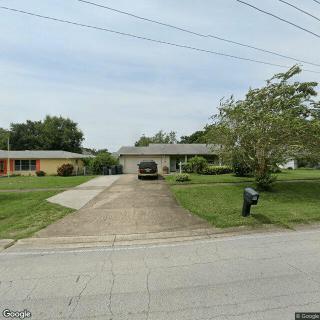
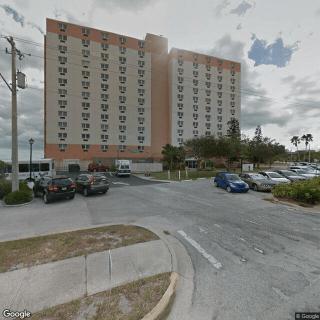
3333 Columbia Blvd, Titusville, FL 32780
To contact a resident: (321) 268-4222
For more information about senior living options: (866) 208-4318
Overall Review of Caretenders
Pros
 Mederi is described as a true blessing after the patient switched providers.
 - Avadene is described as a truly amazing physical therapist who is caring, thoughtful, and loving.
- Becky is described as providing comfort and care that feels more like family than therapy.
- The care from Avadene and Becky is characterized by love, compassion, and familial warmth.
- Therese Stanley and family express everlasting gratitude to Avadene and Becky for their help during difficult times.
Review
Caretenders in Titusville is best suited for adults needing hands-on, at-home rehabilitation after a major medical event, most notably a stroke, delivered with unusually warm, attentive care. The available account centers on home health therapy arranged through Mederi, where a physical therapist named Avadene and an occupational therapist named Becky left the family with a sense of real progress and reassurance. This is not a clinic-run program; it is a home-centered approach that treats recovery as a collaborative journey, where therapists feel less like service providers and more like trusted mentors. For families prioritizing emotional support alongside clinical progress, Caretenders through Mederi stands out as a powerful option.
However, alternatives deserve consideration for certain profiles. If 24/7 supervision is required, if memory care or social programming are essential, or if a broader, facility-based network is valued, a traditional assisted living or nursing facility may fit better. The account centers on two therapists and the warmth of care, but does not present a wide array of services or facility amenities. Insurance dynamics also matter: a switch to Mederi was prompted by coverage constraints, suggesting that families reliant on different payer rules should explore whether other agencies or in-network partners can deliver comparable warmth and effectiveness. In short, for those who crave an integrated, home-based rehab ethos, Caretenders shines; for others, alternatives may be more comprehensive.
Key advantages pivot on human connection as much as technique. Avadene’s physical therapy and Becky’s occupational therapy are described as more than clinical tasks; they feel like family care, with genuine care and compassion that can accelerate engagement and adherence. This emotional ballast often translates into better participation, steadier progress, and less anxiety during recovery. The principal con is the narrow scope implied by the single-provider narrative: the absence of detail about other disciplines, frequency, or guarantees of continuity if a therapist is unavailable. Yet in the lens of post-stroke rehabilitation at home, that compassionate, consistent pair can offset gaps in service breadth with steady motivation and tailored, patient-centered strategies.
Therapist quality matters and is underscored by the phrasing that care goes beyond therapy to feel like family. The two clinicians are praised for care that blends professionalism with warmth, a combination that reduces stress for the patient and family alike. This relational advantage is not superficial; it shapes how aggressively a patient engages with therapy, how well home routines are adopted, and ultimately how quickly independence may be reclaimed. The risk, of course, is over-reliance on a specific duo; if Avadene or Becky are unavailable, the transition to a substitute can dampen momentum. Still, the underpinning culture, care that feels personal and deeply attentive, remains a compelling asset.
Decision-makers should evaluate Caretenders with a practical checklist: confirm in-network status and sustainability of the Mederi partner; compare the scope of services and therapy modalities; assess the availability of consistent, long-term staff; and verify transition planning from hospital to home. The narrative suggests a powerful alignment between care philosophy and recovery experience, but it also signals the need to secure predictable access to the same clinicians over time. Where predictability can be guaranteed, the home-rehab path becomes a durable route to independence. Where that predictability cannot be guaranteed, exploring alternatives may be prudent.
For families facing post-stroke recovery in Titusville, the takeaway is clear: a warm, committed home-therapy environment can be transformative, and Caretenders paired with Mederi delivers that dynamic through Avadene and Becky. This is not a generic endorsement; it is a practical verdict for those who value continuity, compassion, and tangible daily progress. If these factors align with the patient’s needs and insurance will support the arrangement, pursuing this option should top the list. If not, an evaluation of facility-based options or other home-health partners is warranted. The decisive factor is alignment of expectations with staff availability and the network that supports the recovery plan.






 Effective Strategies for Keeping Seniors' Minds Active: A Deep Dive into Brain Games and Apps
 In-Depth Look at the VA Aid and Attendance Program
 Nurturing Our Loved Ones: A Daughter's Journey in Caring for Her Mother