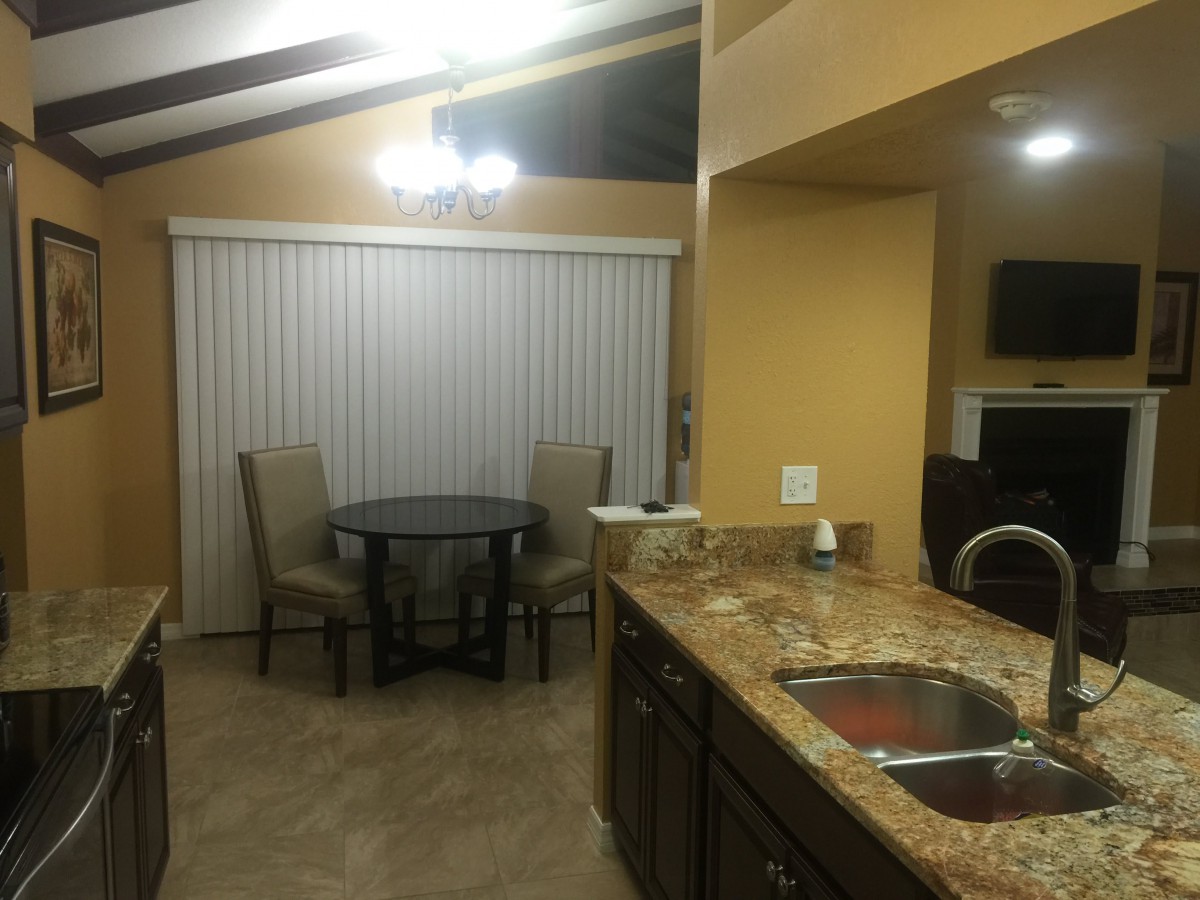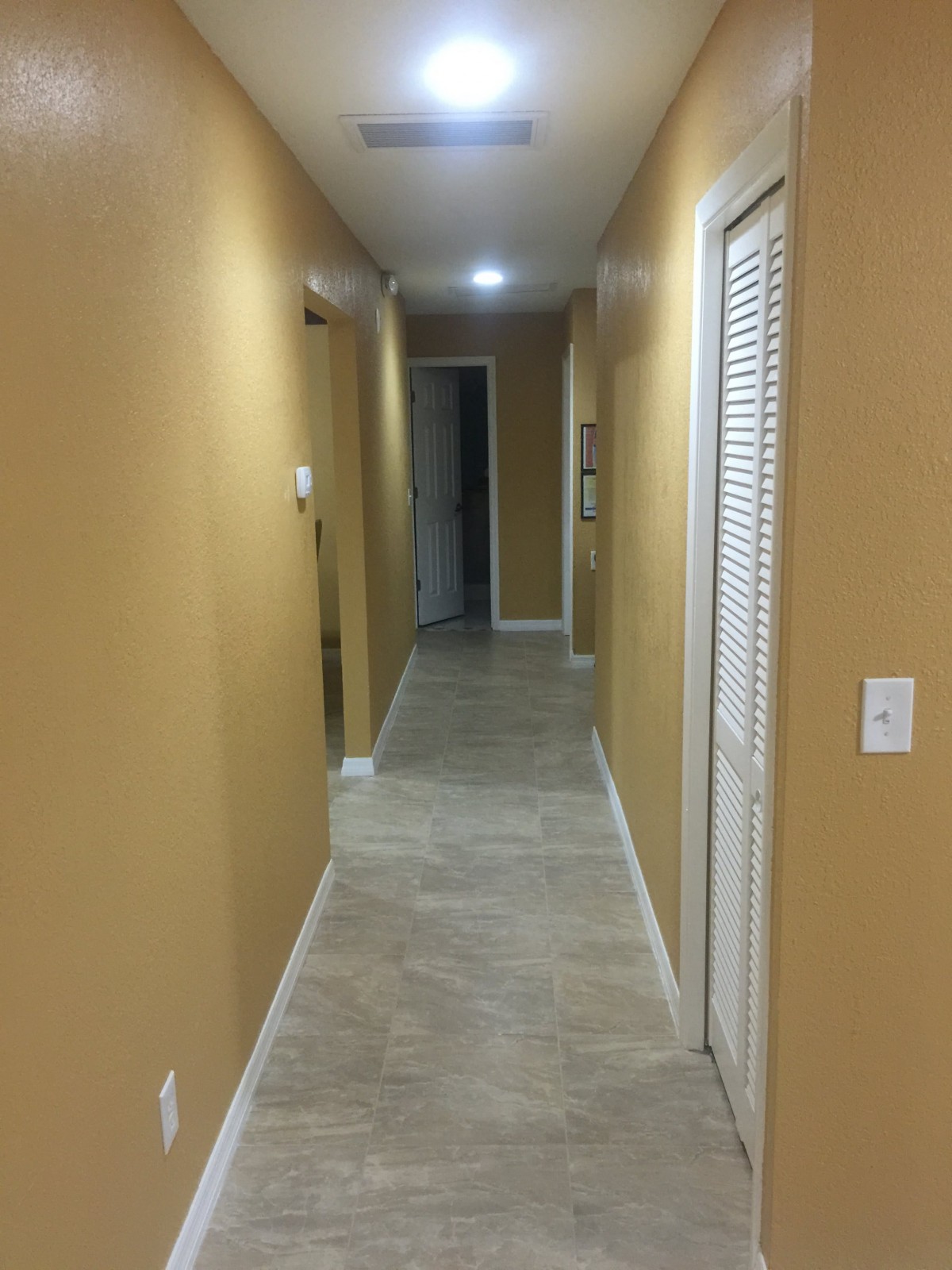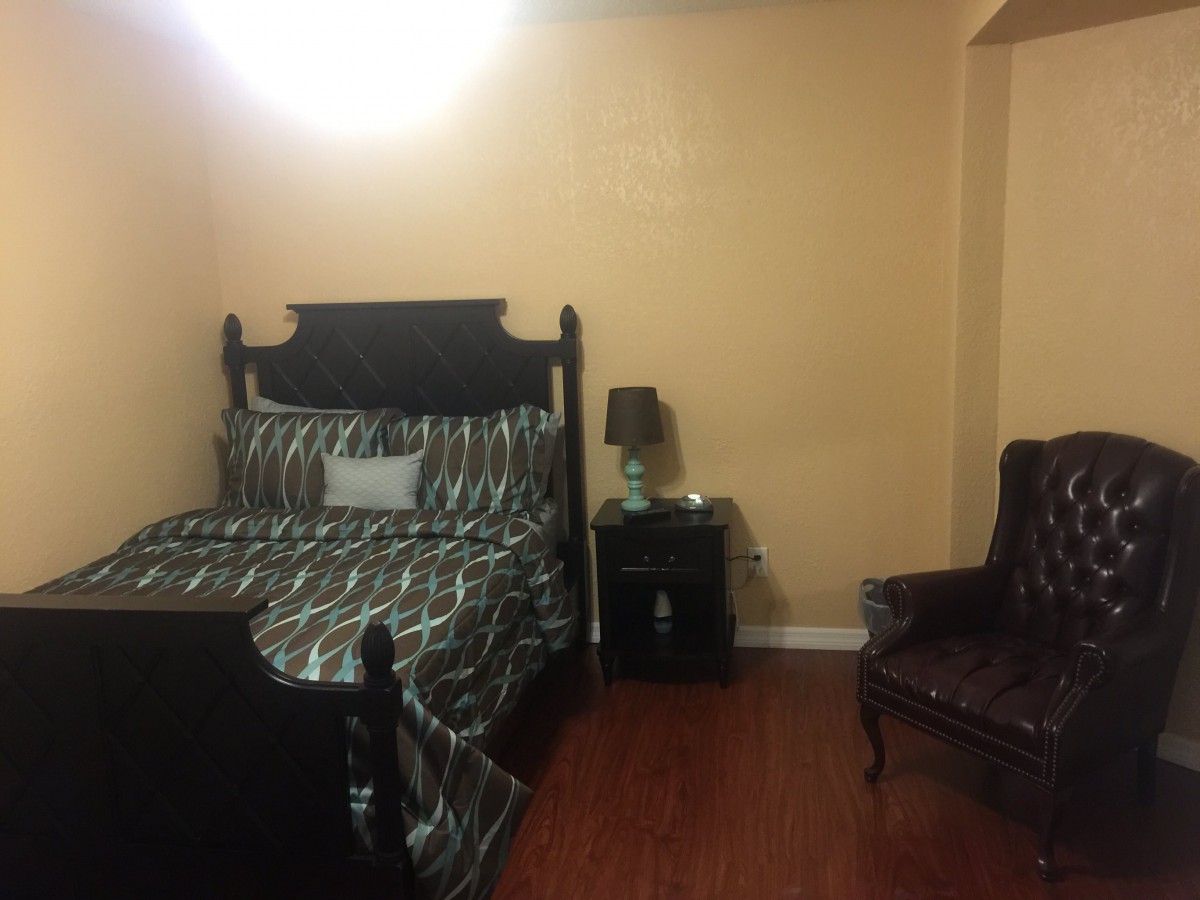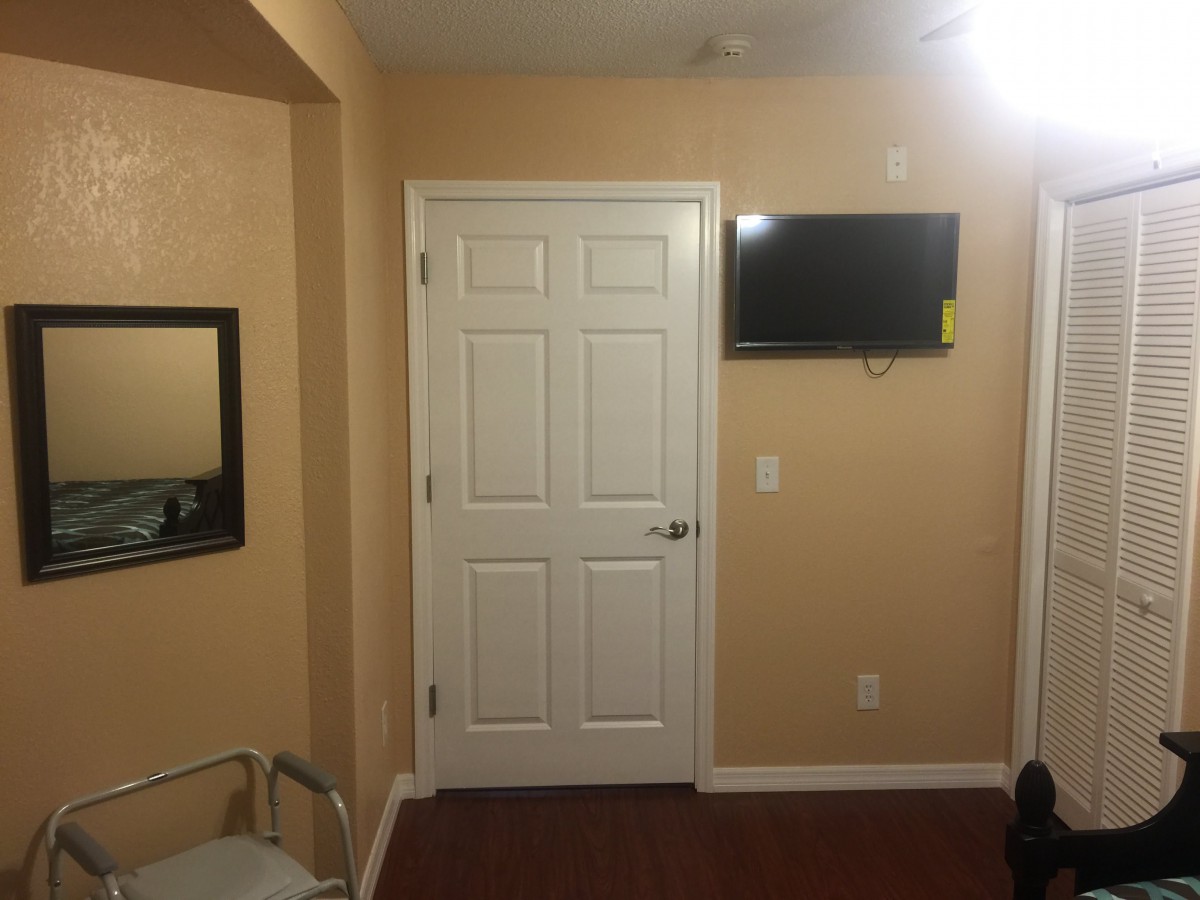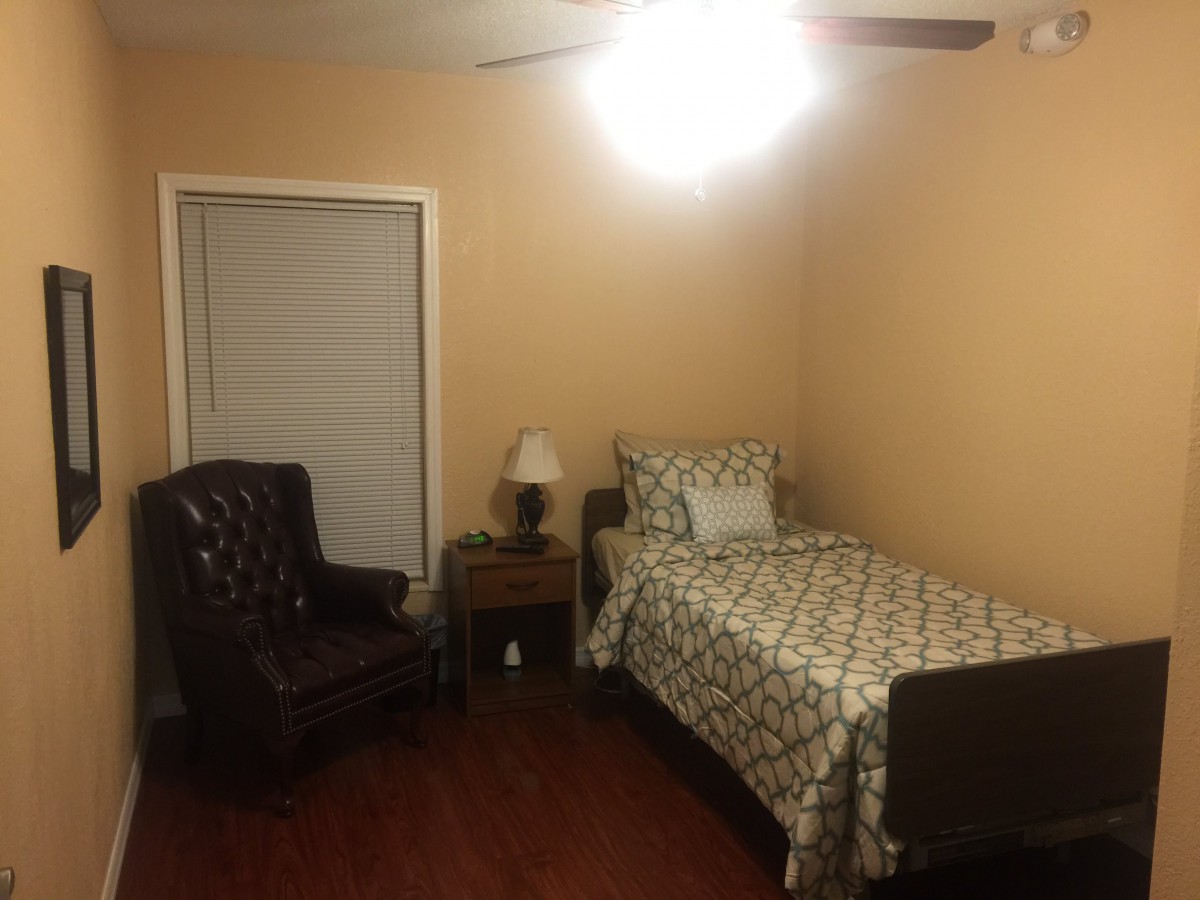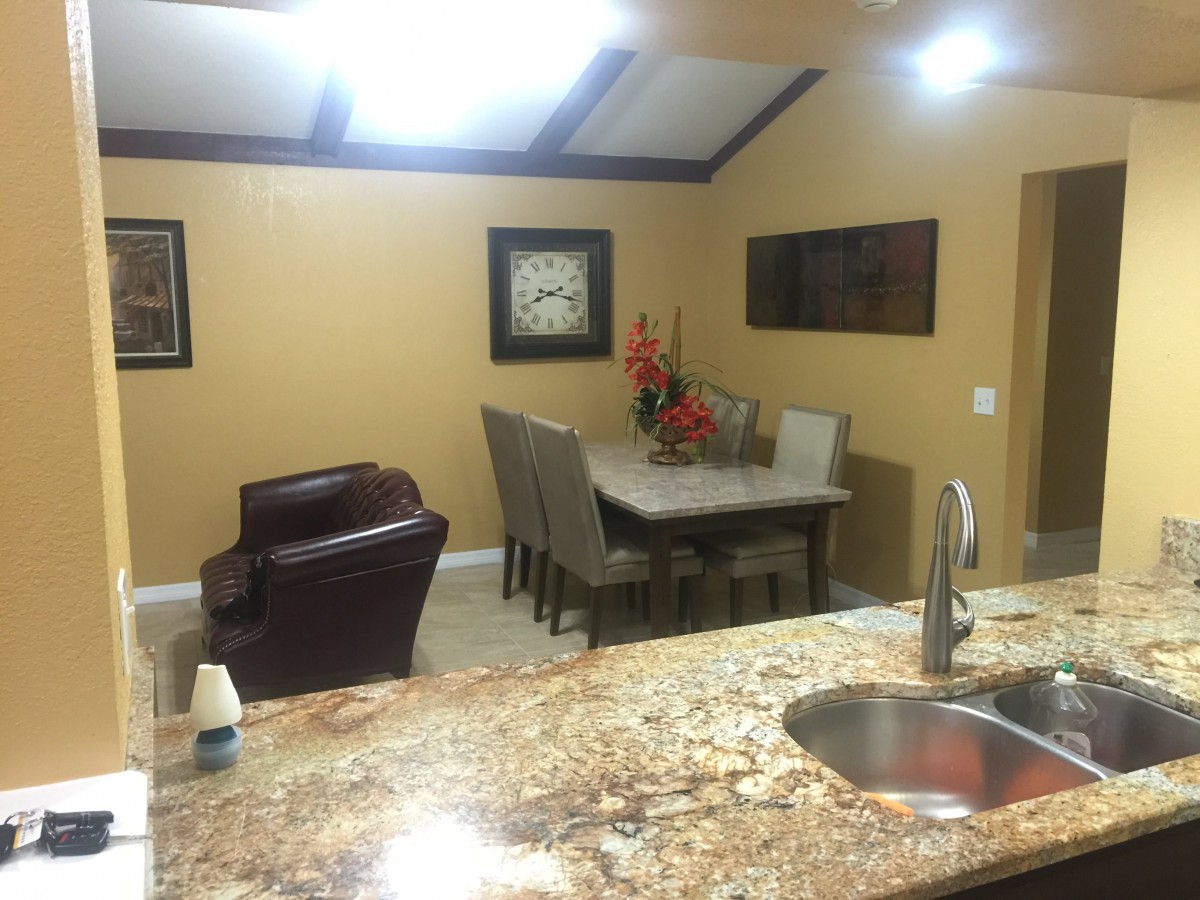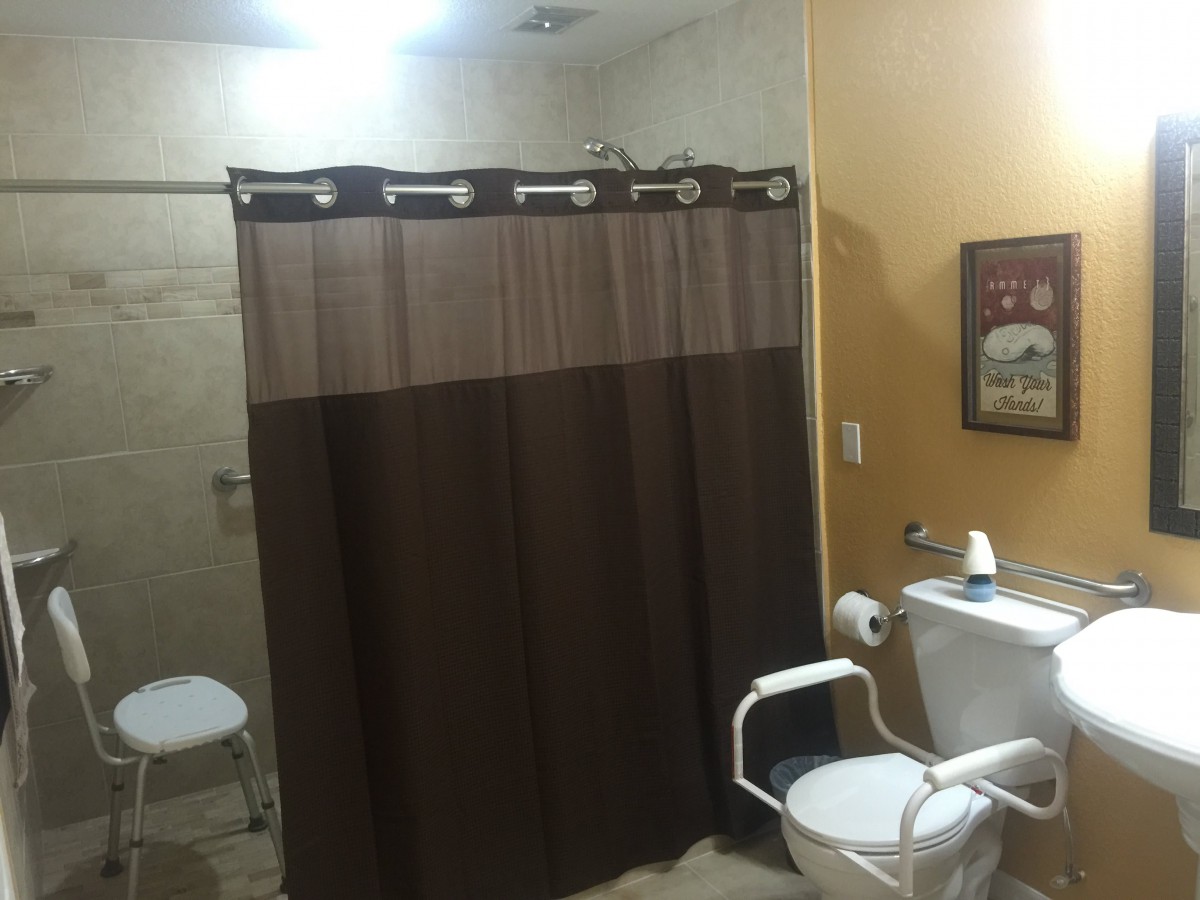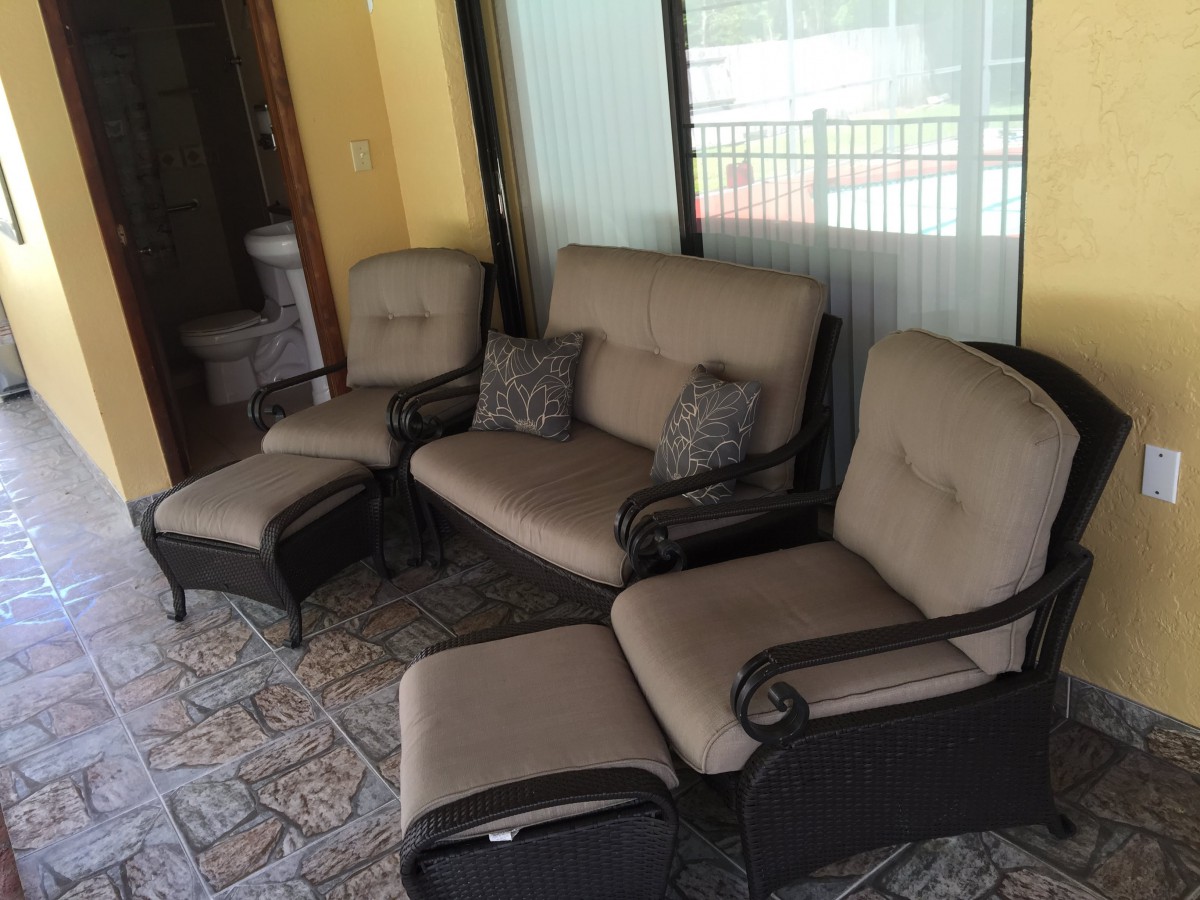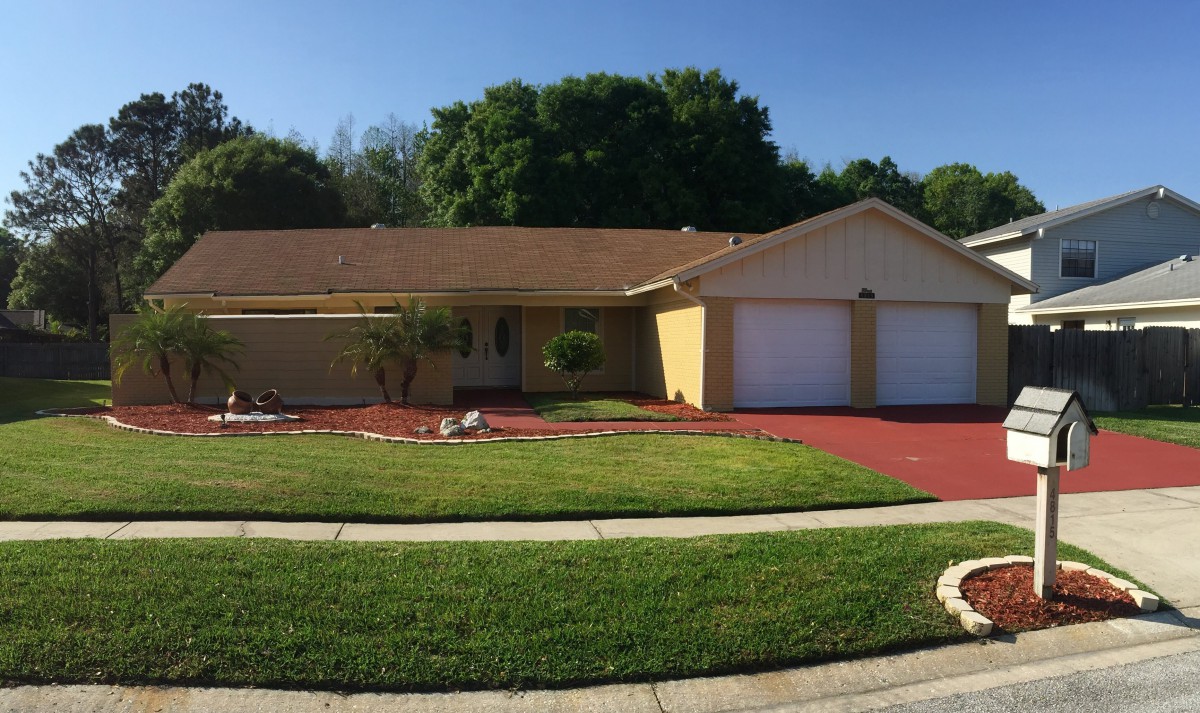
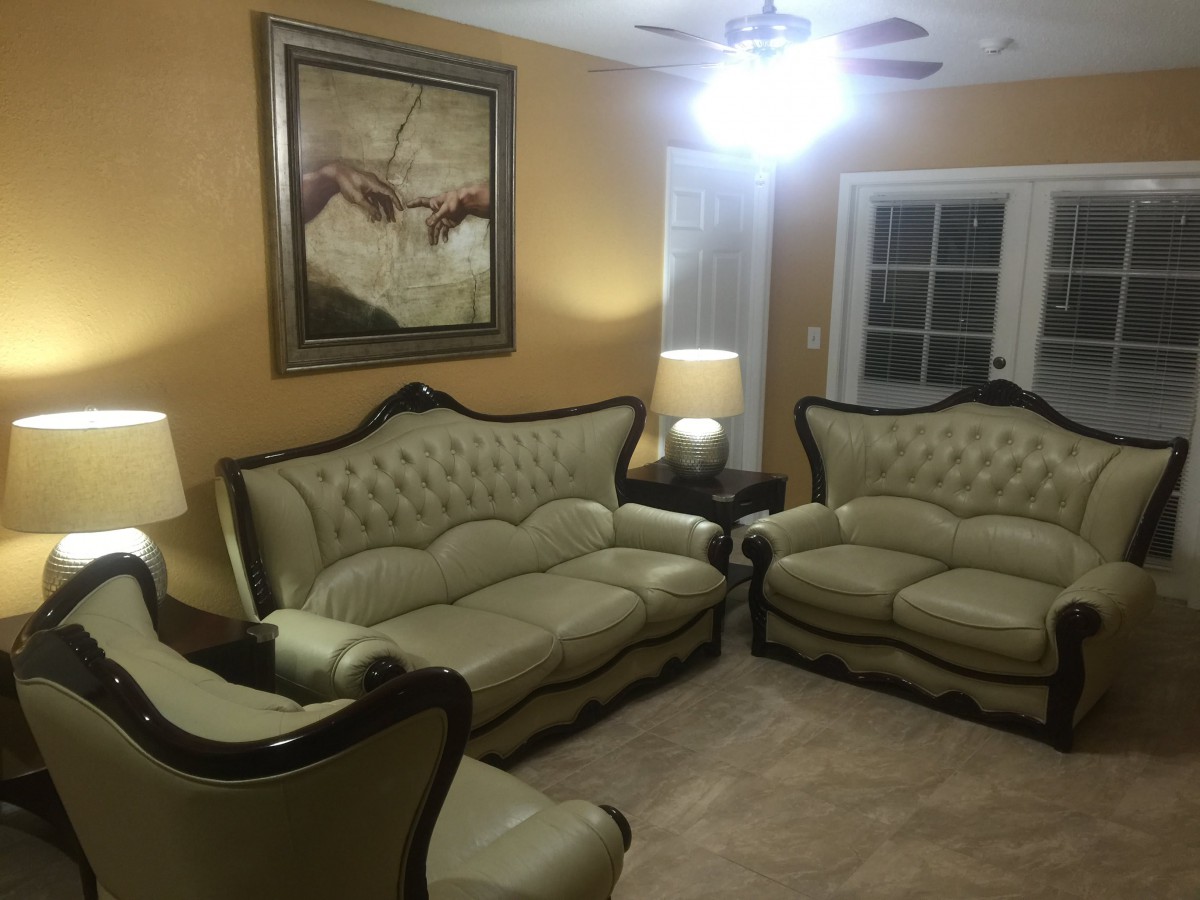
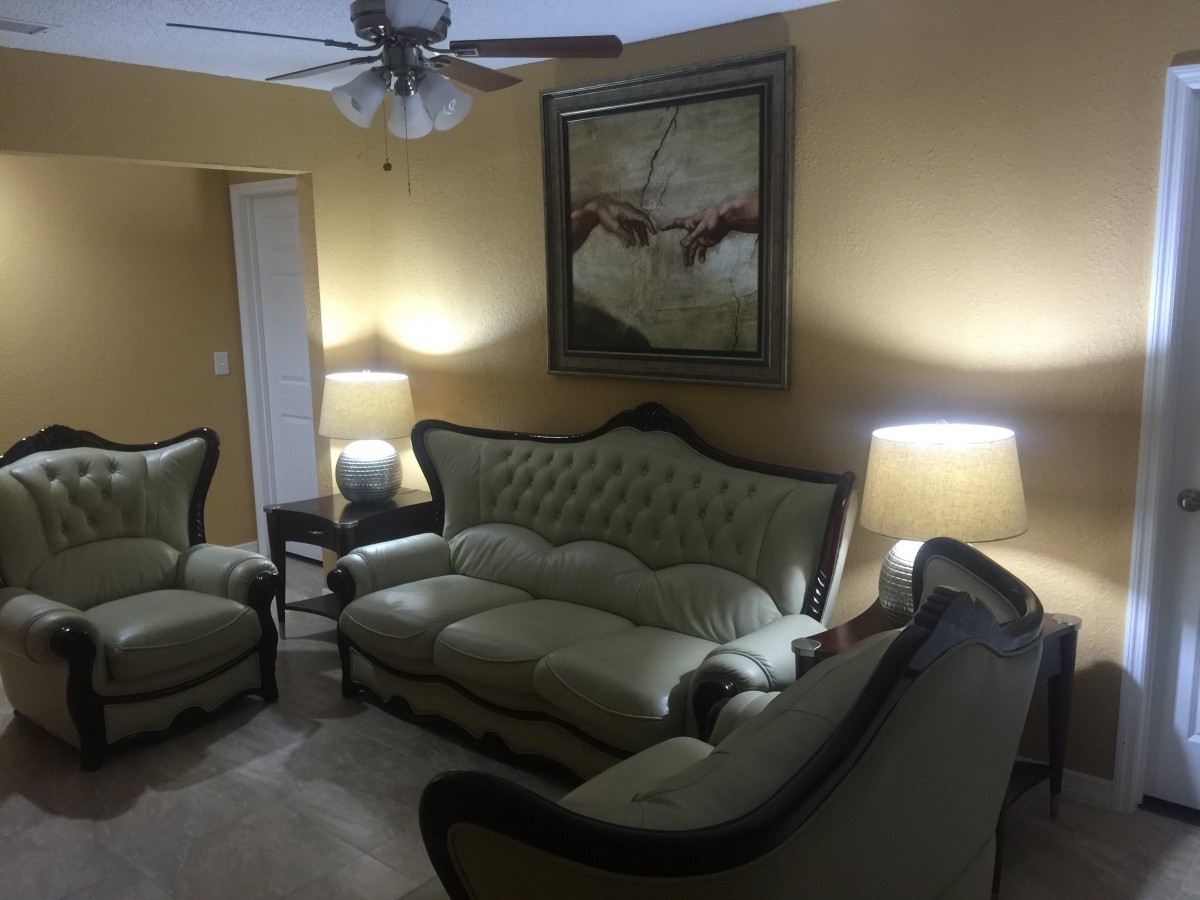
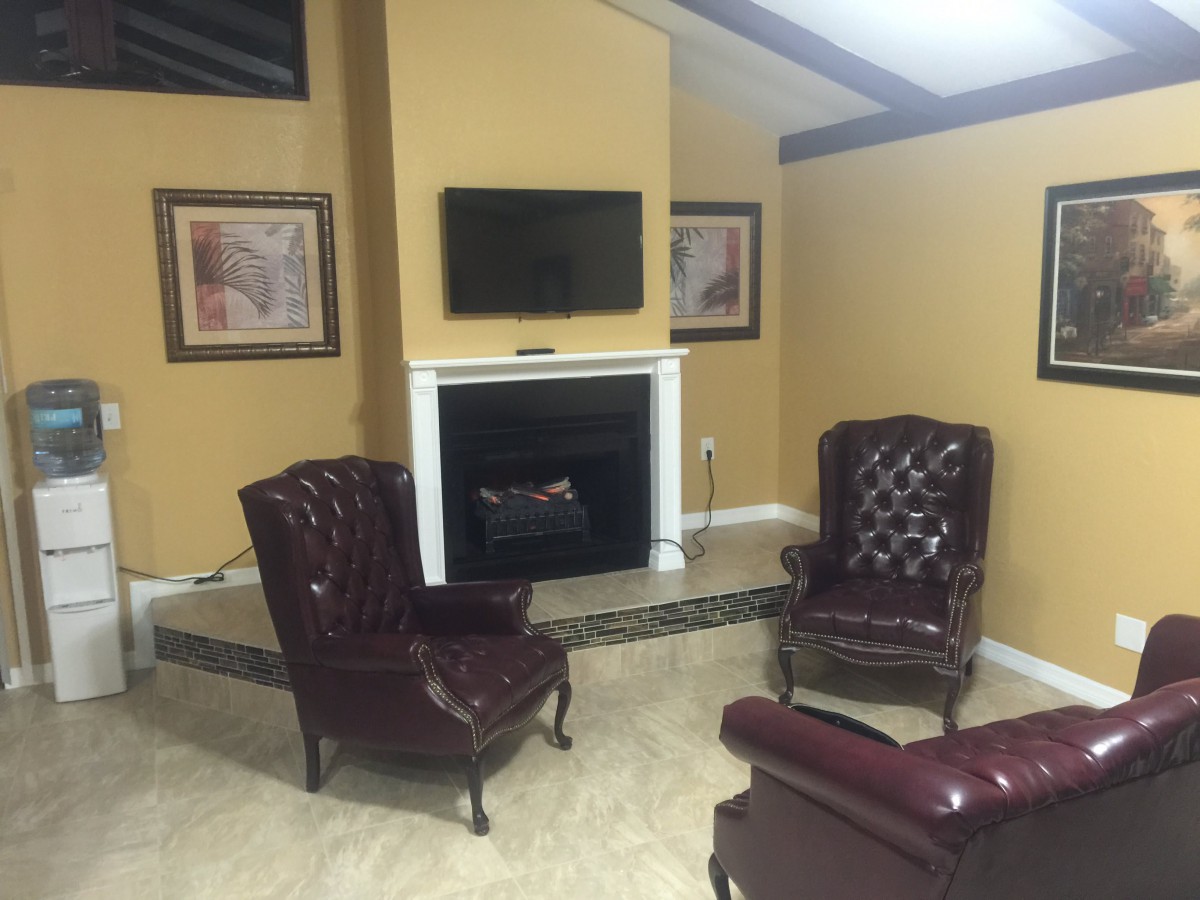
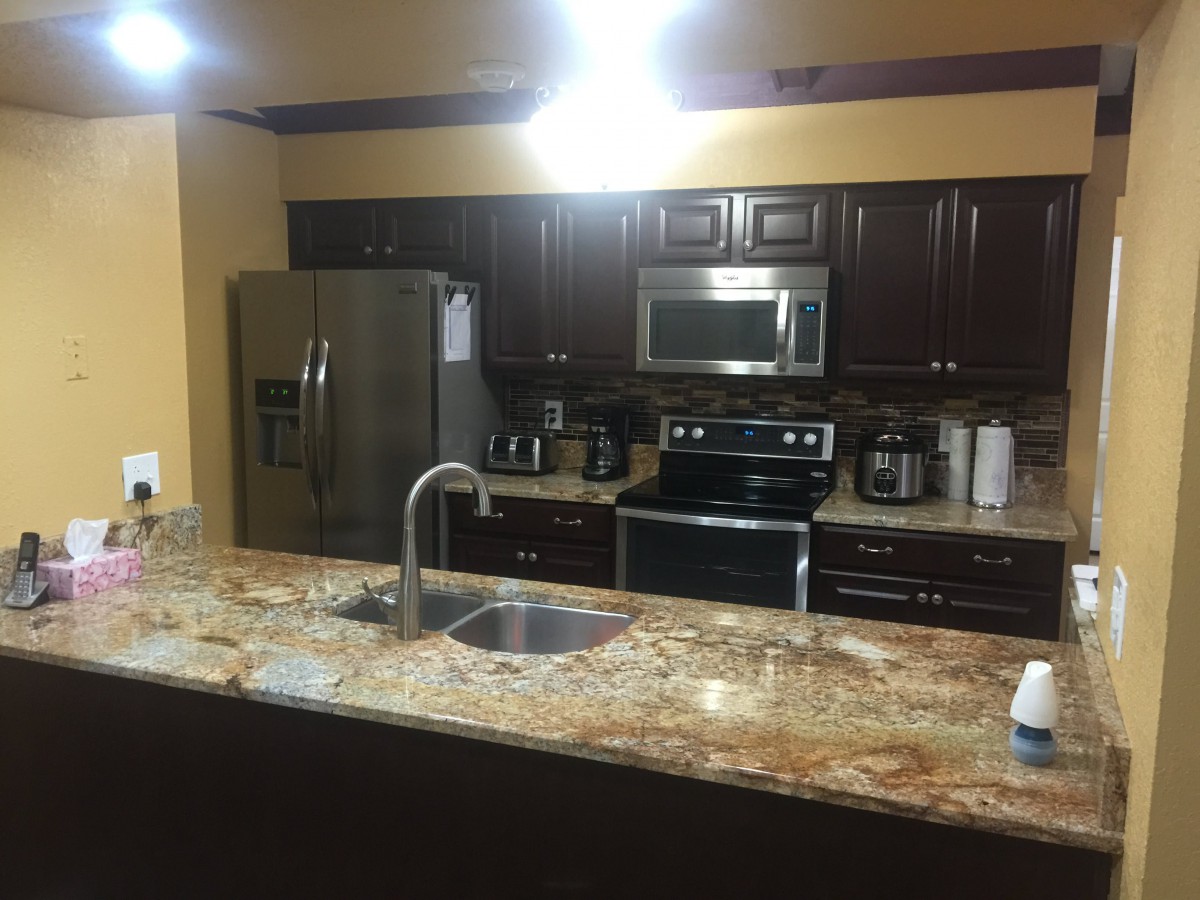



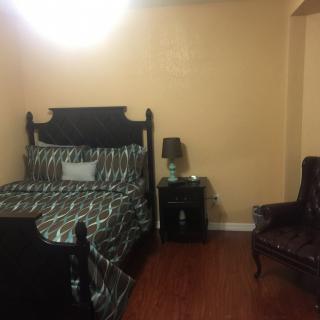
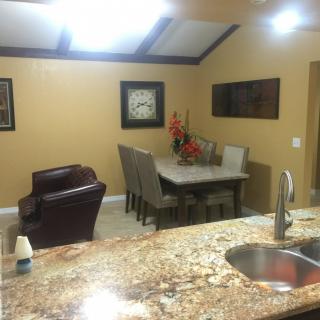
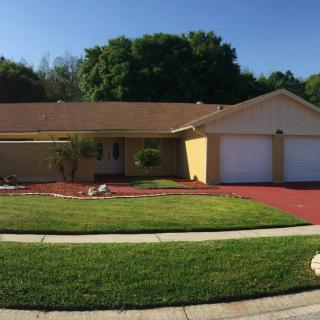
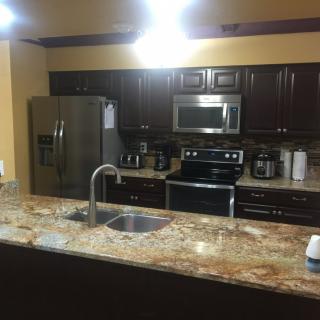
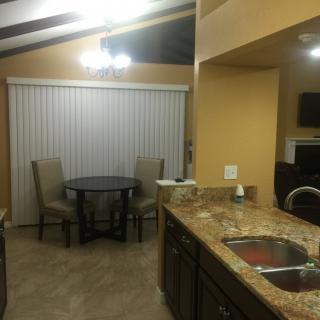
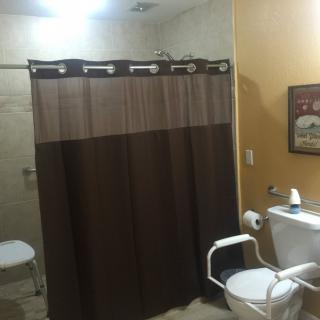
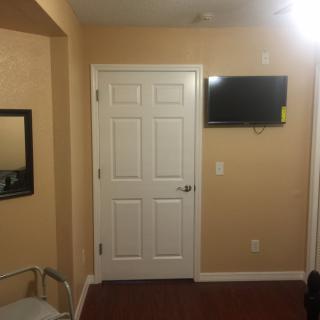

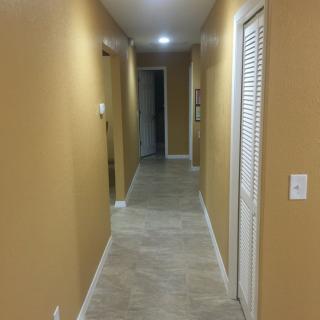
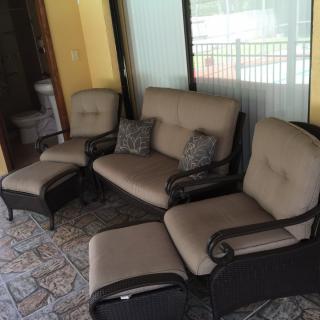
4815 Centerbrook Court, Tampa, FL 33624
For more information about senior living options: (866) 208-4318
Northdale ALF Costs & Pricing
Northdale ALF offers private room accommodations at a monthly rate of $4,000, which is notably higher than both the average costs in Hillsborough County and the state of Florida. In Hillsborough County, the average cost for a similar private room is approximately $3,384, while Florida's statewide average stands at around $3,699. This pricing reflects not only the amenities and services provided by Northdale ALF but also the value placed on personalized care and comfort. Prospective residents should consider these factors when evaluating their options in relation to community standards and individual needs.
| Floor plans | Northdale ALF | Hillsborough County | Florida |
|---|---|---|---|
| Private | $4,000 | $3,384 | $3,699 |
Senior living communities with a similar price nearby
-
from +$500 / mo
Shiela's Home Care
$4,500 / month6.6 miles away -
from -$565 / mo

A Care Connection - Tampa, FL
$3,435 to $3,450 / month12.7 miles away -
from -$160 / mo

Arbor Terrace Citrus Park Independent Living
$3,840 to $4,440 / month4.0 miles away -
from -$300 / mo

The Meridian at Brandon
$3,700 to $5,900 / month16.9 miles away -
About the same

Ronny's Assisted Living
$4,000 / month8.5 miles away
Overall Review of Northdale ALF
Pros
 It is a great place.
- The facility is well staffed, clean, and organized.
- The other residents are clearly getting excellent care.
Review
Northdale ALF in Tampa is best suited for families seeking a well-staffed, clean, and organized assisted-living option where daily routines are predictable and care quality is visible in practice. This community rewards discernment with tangible signs of attentiveness: a capable caregiving team, orderly operations, and a clear sense that residents are moving through their days with purpose. The atmosphere conveys reliability, an essential trait for seniors who benefit from consistent staffing patterns, dependable supervision, and steady programming. The indication that this place has people waiting is not a red flag but a message that demand meets proven performance; for families comfortable with a bit of planning time, the fit can be excellent.
Who may want to consider alternatives? If immediate placement is non-negotiable, or if medical acuity exceeds what standard assisted living can safely manage, other options may be a better match. Facilities with lower waitlists or those offering more robust memory care or rehab services could suit families facing urgent timelines or specialized needs. For seniors whose care demands include intensive 24/7 nursing oversight, or whom financial constraints require a tighter budget, exploring a wider field of options, such as skilled nursing facilities, memory-care focused communities, or continuing-care arrangements, helps prevent settling into a misfit due to convenience alone.
On the strength side, the core advantages are evident: solid staffing, cleanliness, and organization translate into reliable daily care and safer living conditions. When staff-to-resident ratios are clear and routines are well-managed, the likelihood of missed medications, miscommunications, or lapses in safety drops sharply. The observation that residents are clearly receiving excellent care reinforces that quality extends beyond schedule adherence into genuine attentiveness to individual needs. These fundamentals, in combination, create a stable environment where families can trust that a loved one receives consistent supervision, timely assistance, and respectable social engagement.
Nevertheless, the most notable constraint is the admission timeline. A waiting list creates an empty-space tension: families must plan in advance, sometimes months ahead, which can complicate timing around transitions and caregiver arrangements. Detailed information about programming scope, such as memory-support options, enrichment activities, and transportation, remains underexplored in the available data, making due diligence essential. Because the sentiment comes from a single positive review, corroborating with tours is prudent; questions about room configurations, meal plans, and whether there are any tiered care options inside the community to match evolving needs should be prioritized.
Decision-making should center on matching timing with expectations and confirming care depth. Prospects who perform a thorough tour, request sample menus, observe activity calendars, and talk with current residents and staff are likely to validate the initial impression. If a move aligns with the ability to wait for a good placement, Northdale ALF offers a high-bar baseline for quality, reliability, and cleanliness. If immediate move-in is essential or if dementia, post-acute rehab, or complex medical management is anticipated, it strengthens the case for comparing alternatives that promise swifter access or specialized programming.
In sum, Northdale ALF represents a principled option built on dependable staffing, clean surroundings, and a culture of attentive care. The primary caveat is the potential delay in admission, a consequence of demonstrated demand rather than a flaw in operations. For families prioritizing a predictable, well-run environment and prepared to plan around a wait, this community stands out as a top-tier choice. For those requiring rapid placement or enhanced memory-care infrastructure, the field of alternatives merits a close, deliberate comparison to avoid an ill-fitting fit despite the initial allure.
 Board and Care Home
 Day Program
 Air-conditioning
 Cable or satellite TV
 Indoor common areas
 Outdoor common areas
 Private
 Respite or short term stays offered
 Swimming pool / hot tub
 Wi-Fi/high-speed internet available
 Tampa International (9 miles away)
 Ambulatory care
 Medication management
 Meals provided
 BBQs or picnics
 Birthday parties
 Catholic services
 Gardening club
 Intergenerational programs
 Karaoke




 Is a Geriatric Care Manager the Right Choice for Your Family?
 Compassionate Conversations: How to Comfort Someone Who Is Grieving
 Home Health Care Aides: Understanding Their Role and Supporting Your Family