For more information about senior living options: (866) 208-4318
4.7 from 41 reviews
5 stars
35
4 stars
2
3 stars
2
2 stars
0
1 stars
2
Neighbors House of Seminole Heights Costs & Pricing
Neighbors House of Seminole Heights offers a competitive monthly rate for private rooms at $1,800, significantly lower than the average costs in both Hillsborough County and across Florida. In Hillsborough County, the average monthly cost for similar accommodations is approximately $3,384, while statewide averages rise to around $3,699. This pricing not only makes Neighbors House an attractive option for those seeking comfortable living arrangements but also reflects a commitment to affordability without compromising on quality care. The substantial difference in cost highlights Neighbors House's dedication to providing value to its residents and their families within a vibrant community.
Floor plans
Neighbors House of Seminole Heights
Hillsborough County
Florida
Private
$1,800
$3,384
$3,699
Senior living communities with a similar price nearby
from +$200 / mo
Caregivers Touch ALF
5 from 68 reviews
$2,000 to $3,000 / month
3.2 miles away
About the same
Benrac Home Alf
5 from 35 reviews
$1,800 to $4,263 / month
14.3 miles away
from +$200 / mo
Elderly Pride Assisted Living
5 from 35 reviews
$2,000 to $2,500 / month
14.0 miles away
from +$200 / mo
Assisted Living Facility Morning Dew
5 from 11 reviews
$2,000 to $2,500 / month
3.1 miles away
About the same
Home Space Assisted Living on Cypress Lake
5 from 10 reviews
$1,800 to $2,250 / month
10.4 miles away
Overall Review of Neighbors House of Seminole Heights
common18 reviews mention this
Staff support is consistently praised
Residents and families repeatedly describe staff and therapists as attentive and supportive.
Many reviewers say the team is helpful, responsive, and genuinely cares about the people they’re supporting. Several mention specific professionals by name or describe feeling comfortable with the staff. Even positive reviews that focus on outcomes still point back to the care and support they received from the team.
common4 reviews mention this
Therapy focuses on trauma recovery
Reviews frequently connect the care experience to progress after trauma and grief.
A number of reviewers describe play therapy, trauma support, and help for grief. Some share that their children made progress and that the team helped them get through very difficult family experiences. Others describe the staff taking time with the whole family, not just one person, during recovery.
caveat3 reviews mention this
Responsiveness can feel uneven
A few reviewers report problems with listening, follow-through, or on-time scheduling.
While most reviews are positive about staff support, some describe a mismatch in how they were treated or heard. One reviewer also mentions waiting longer than expected and being told it was normal practice to schedule appointments back-to-back. Another negative review mentions guided questions and a false report, reflecting dissatisfaction with how concerns were handled.
How we summarize
Counts show how many written reviews mention each theme; a review can touch several themes, and only frequently mentioned themes are displayed.
Features
Types of Care
Board and Care Home
Amenities
Activities on-site
Devotional services off-site
Indoor common areas
Private
Transportation
Tampa International (4 miles away)
St. Petersburg-Clearwater International (15 miles away)
Care Services
Ambulatory care
Diabetic care
Dining
Meals provided
Activities
Activities on-site
Devotional activities offsite
Nearby Places of Interest
This area of Tampa, Florida offers a convenient and diverse range of amenities to cater to seniors looking for a comfortable and accessible living environment. With multiple pharmacies, medical facilities including surgical centers and cancer centers, as well as hospitals in close proximity, residents can rest assured that their healthcare needs will be met. Additionally, the presence of parks provides opportunities for outdoor activities and relaxation. The variety of cafes and restaurants offer plenty of dining options for seniors to enjoy socializing or simply grabbing a quick bite to eat. The transportation options nearby, including train stations and the international airport, make it easy for seniors to travel as needed. There are also places of worship available for those looking to maintain their religious practices. Overall, this area provides a well-rounded community for senior living in Tampa.
Pharmacies
Walgreens (0.6 miles)
CVS Pharmacy (1 miles)
Walgreens (1.1 miles)
CVS Pharmacy (1.4 miles)
Winn-Dixie (1.8 miles)
Walmart Pharmacy (1.9 miles)
Winn-Dixie (2 miles)
Physicians
Medical Village Surgical Center (0.8 miles)
Tampa Bay Cardi Ovascular (1.3 miles)
Tower Radiology Centers - Habana (1.5 miles)
Moffitt Cancer Center at International Plaza (3.5 miles)
Neighbors House of Seminole Heights offers a competitive monthly rate for private rooms at $1,800, significantly lower than the average costs in both Hillsborough County and across Florida. In Hillsborough County, the average monthly cost for similar accommodations is approximately $3,384, while statewide averages rise to around $3,699. This pricing not only makes Neighbors House an attractive option for those seeking comfortable living arrangements but also reflects a commitment to affordability without compromising on quality care. The substantial difference in cost highlights Neighbors House's dedication to providing value to its residents and their families within a vibrant community.
The article highlights nine memory-boosting activities for seniors that enhance cognitive health and social interaction, including puzzles, trivia quizzes, and storytelling, while emphasizing the importance of adapting these activities to individual preferences to maximize enjoyment and engagement. Consistent mental engagement is linked to improved cognitive function and emotional well-being in older adults.
Medicare provides limited coverage for skilled nursing home care, covering full benefits for the first 20 days and partial benefits up to 100 days under certain conditions, after which families must explore alternative funding options like Medicaid or long-term care insurance to manage potentially high costs. Proactive planning is essential to navigate the complexities of financing ongoing care once Medicare coverage ends.
Geriatric care managers create personalized care plans for older adults, addressing their medical, social, financial, and psychological needs while coordinating services and advocating for their well-being. They help families navigate caregiving challenges but may be hindered by high costs and a shortage of qualified professionals.
Get PricingAsk A QuestionSchedule A TourContact Senior Advisor
By clicking submit, you agree to our Partner's Terms of Use. You
also consent to receive calls and texts, which may be autodialed, from our Partner. Your consent is not a condition to
using our Partner's service. Please visit our Partner's Privacy Policy for information about their privacy practices.

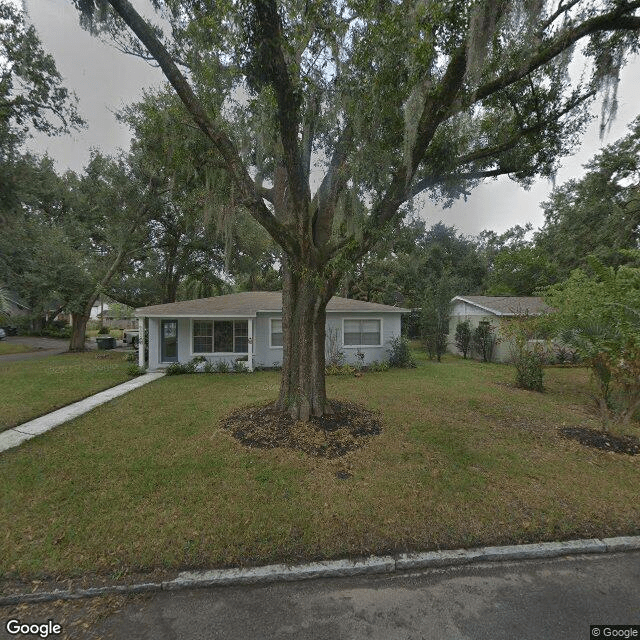
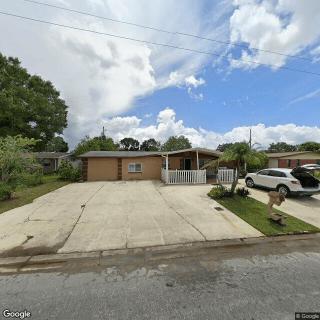
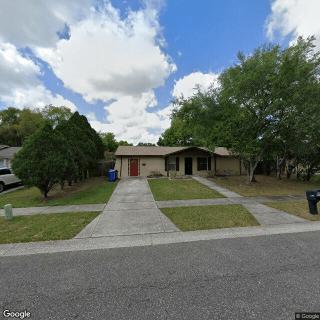
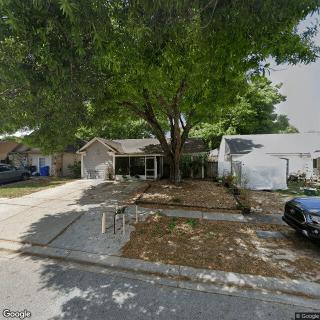
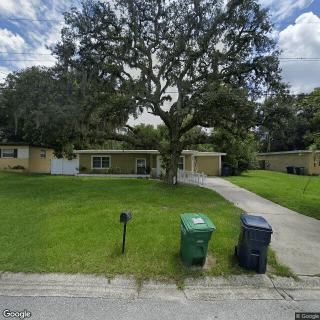
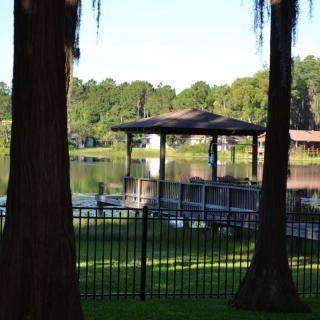
 Board and Care Home
 Activities on-site
 Devotional services off-site
 Indoor common areas
 Private
 Tampa International (4 miles away)
 Ambulatory care
 Diabetic care
 Meals provided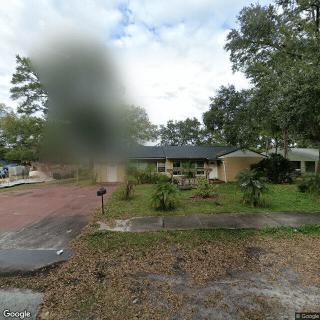
 Small, personalized care with 24-hour supervision and memory care options.
 9 Stimulating Memory Activities for Seniors: Puzzles, Cards, and Much More
 Managing Nursing Home Expenses After Medicare Coverage Ends
 Is a Geriatric Care Manager the Right Choice for Your Family?