
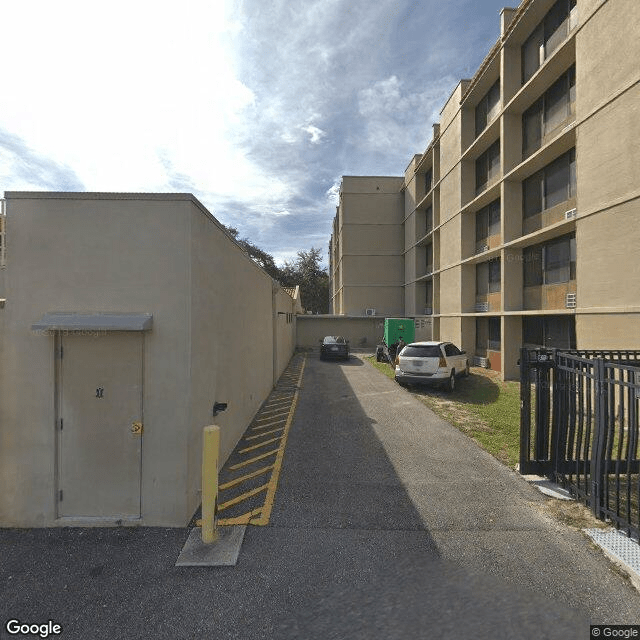
1615 Hacienda Ct, Tampa, FL 33605
To contact a resident: (813) 248-9640
For more information about senior living options: (866) 208-4318
Overall Review of Haciendas De Ybor Apartments
Pros
 The community is nice for older people.
- It is a great place to live.
Cons
 The elevator has been broken for 3 months, putting elderly and disabled residents at risk.
- Elderly disabled residents have fallen on the stairs because the elevator is broken.
- A friend had to go to the ER.
- No one is taking this seriously.
- People are in danger due to the broken elevator.
Review
Haciendas De Ybor Apartments is best suited for relatively independent seniors who want a social, age-targeted living environment and value a straightforward, apartment-style setting in the Ybor area. The positive notes from residents point to a friendly, approachable community and a living experience that feels "nice" and suitable for older adults seeking companionship and ease of daily life. That said, the standout risk here is not cosmetic but functional: an elevator that has been out of service for months. For anyone who relies on vertical mobility, or who anticipates multi-floor living, this issue is a non-negotiable factor that drastically narrows the field of suitability.
The community will attract residents who prize sociability, firm routines, and the simplicity of a smaller, self-contained environment. When crises are rare, the appeal is clear: you can find neighbors, principal amenities, and a sense of belonging without the premium price tag that often accompanies more polished facilities. But the repeated, prolonged elevator outage changes the calculus. For able-bodied individuals who can navigate stairs with minimal strain, the situation may be tolerable in the short term, provided there is reliable alternative access and prompt maintenance for any incidental issues. For anyone who requires assistance devices, or who has friends and family assisting with mobility, the risk becomes a decisive factor.
The most decisive con is the elevator failure. Three months without a functioning elevator is not a mere inconvenience; it creates real safety hazards, particularly for elderly and disabled residents who have already fallen and needed medical attention. The lack of timely, credible communication about repair timelines compounds the concern. Even when other positives are present, curated social opportunities, a sense of community, and reasonable rents, the safety and accessibility gap dominates the decision. In short, the pros can be meaningful for a relatively autonomous senior, but they do not meaningfully offset a structural accessibility problem that endangers residents.
Prospective residents should demand concrete answers before committing. Key questions include: what is the current repair status and expected completion date, what temporary accommodations exist for floors without elevator access, and how will the property handle emergency situations if the elevator fails again? It is essential to review maintenance response times, the availability of staff on site, and any resident safety programs or agreements that spell out obligations during outages. A guided tour that specifically tests accessibility routes, stair usage, and emergency exits will illuminate how livable the building remains when the elevator is out of service. Speak with multiple residents about how maintenance and management handle ongoing issues to gauge consistency.
Compared with other local options, this property sits on a high-stakes fault line: if reliable mobility access is a non-negotiable need, several nearby communities with modern, accessible infrastructure are preferable. Alternatives with guaranteed elevator access, robust maintenance schedules, and transparent safety protocols typically deliver greater peace of mind for mobility-limited seniors, even if they carry higher rents or stricter entry requirements. For families weighing options, the comparison should hinge on accessibility reliability, not merely on a friendly atmosphere or lower monthly costs. The current risk profile tilts toward seeking a building with dependable infrastructure unless a credible, time-bound repair plan is presented and upheld.
The bottom line: Haciendas De Ybor Apartments can work for a subset of independent seniors who can navigate occasional inconvenience without compromising safety, and who place a premium on a warm, social environment. For anyone who depends on functioning elevators or expects consistent responsiveness to maintenance issues, alternatives deserve serious consideration. The decision should hinge on verified timelines for elevator restoration, assurances of ongoing accessibility, and the presence of a solid management plan to prevent a recurrence. Until those conditions are met, approach with caution and favor communities that offer stable, guaranteed access as a core feature rather than an aspirational add-on.
 Active Adult Communities (55+)
 Tampa International (6 miles away)


 California's Form 602A: An In-Depth Examination of Senior Care Assessment
 Comprehensive Look at Senior Blood Pressure Charts: Normal and Elevated Levels by Age
 Top Canine Companions for Older Adults