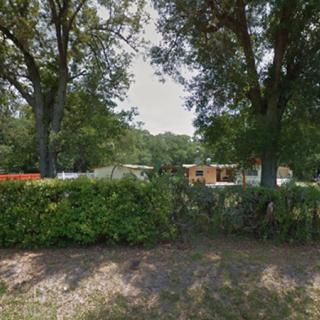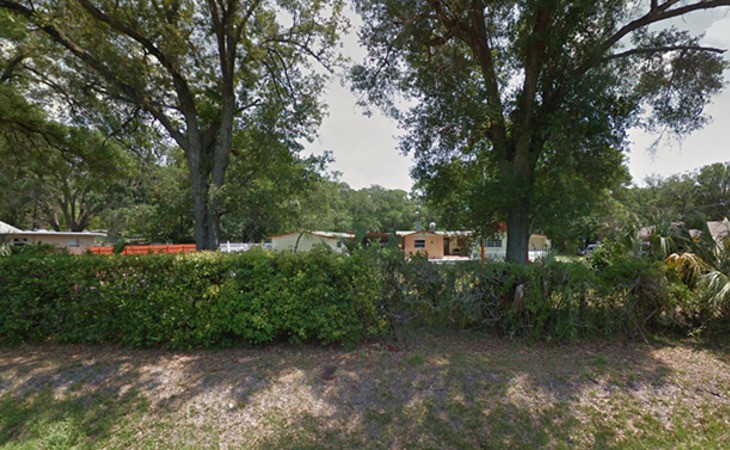
8003 North Rome Avenue, Tampa, FL 33604
For more information about senior living options: (866) 208-4318
Overall Review of Angels Garden Aclf
Pros
 The staff members really care about their residents.
- The owner is personally involved in everyone's care.
- The food is all home cooked.
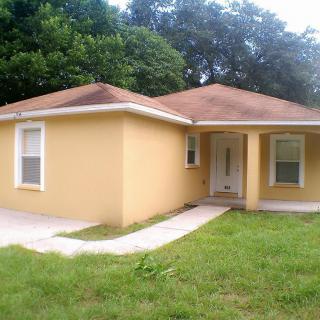
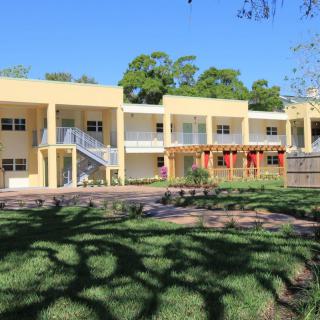
- The grounds are well manicured with plenty of areas for residents to enjoy.
- There are plenty of scheduled events and activities to choose from.
- The seniors look very well cared for and seem content living there.
- The dining room is lovely, as are the adjacent communal areas.
- The area around Tampa has mild year-round weather and plenty to do.
Cons
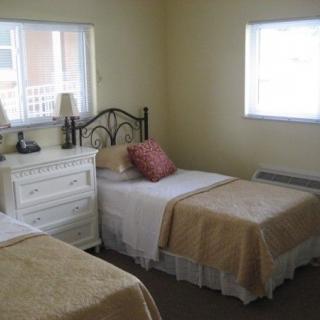
 Angels Garden would not be a place they'd be content with, due to a dark room and a shared bath.
 - The house appeared small and crowded, with many residents.
- They couldn't go out and wander because the property is gated and locked.
- The room rate was more expensive than at another community.
- The owner doesn’t do any activities because he can't walk.
- The facility is locked down, restricting residents' freedom.
Review
Angels Garden Assisted Living in Tampa is best suited for families seeking a small, intimate care setting where a loved one will receive intensive daily assistance and total care in a home-like environment. The community serves seniors who benefit from predictable routines, close eyes-on care, and a sense of safety that comes with a tightly run operation. The owner’s personal involvement and a staff team that shows consistent warmth translate into meaningful relationships and care that goes beyond a checklist. It’s ideal for those who prioritize localized convenience, home-cooked meals, and a calm, supervised atmosphere over campus-scale amenities or independent-living options.
Pros are strongest in its intimate scale. The house functions more like a small group home than a large campus, which allows caregivers to know residents well and respond quickly. Families frequently praise attentive staff, and the owner’s hands-on approach helps ensure care plans stay on track. The setting is clearly local and convenient, within a few miles of where many families live, and the home-cooked meals provide a comforting, nutritious baseline. The property offers walking areas and a secure outdoor space that’s accessible yet controlled, and the common areas and grounds are well-kept, contributing to a sense of dignity and belonging for residents.
However, several caveats rise from the reviews. The residential rooms tend to be compact and even dark, with at least one account noting a shared bathroom, which can feel confining for someone accustomed to more privacy. A significant portion of the current resident mix appears to be psychiatric in nature to support safety, which means families should assess whether that aligns with their loved one’s needs and temperament. The environment is described as locked down with restricted wandering, a design choice that promotes safety but can feel restrictive to those who prize freedom and independence. Availability is limited, and openings may not align with urgent timelines.
These realities are not fatal flaws but critical context. The key advantages, the caregiver attention, owner involvement, safety orientation, and homey dining, tend to offset the downside of a smaller footprint. For seniors who require steady supervision and strong daily routines, the personalized touch can translate into real peace of mind for families. The controlled access and intimate setting help avoid the chaos of larger facilities and can lessen confusion for memory-impaired residents. Yet the trade-offs matter: the room size, potential language dynamics among residents, and the restricted mobility can erode appeal for those seeking independence, social breadth, or modern, resort-like amenities.
Families weighing alternatives should consider the match between expectations and reality. If a loved one needs generous private space, English-only communication, broad social programming, or easy access to a wide range of on-site activities, a larger ALF, memory-care unit, or traditional campus-style assisted living may be more suitable. Cost sensitivity matters too; some reviews describe the location as more expensive than comparable options. If the priority is a tightly supervised, caring environment with direct owner involvement, Angels Garden offers a compelling fit, provided the resident’s comfort with a small-scale, secure, home-style setting is confirmed.
In the end, Angels Garden Assisted Living in Tampa stands out as a practical, compassionate choice for families seeking hands-on, small-community care. It delivers a high level of caregiver engagement, a safety-forward design, home-cooked dining, and a proven local footprint. For those ready to trade larger spaces and expansive programming for intimacy, devoted staff, and consistent routines, this community deserves serious consideration. Prospective families should plan a visit, speak directly with the owner, and ask pointed questions about resident mix, daily schedules, and current openings to determine if this is the right home and the right timeline. If not, alternatives exist that align more closely with independence and broader activity options.
 20 resident community capacity
 Studio apartments
 Assisted Living
 Board and Care Home
 Respite Care
 Beauty salon
 Cable or satellite TV
 Dining room
 Fully furnished
 Garden
 Housekeeping services
 Kitchenette
 Move-in coordination
 Outdoor space
 Telephone
 Wi-Fi/high-speed internet available
 Tampa International (5 miles away)
 24-hour call system
 Activities of daily living assistance
 Assistance with bathing
 Assistance with dressing
 Assistance with transfers
 Diabetes diet
 Meal preparation and service
 Medication management
 Mental wellness program
 Special dietary restrictions
 Transportation arrangement (medical)
 Transportation to doctors appointments

 Senior Transition Services: Understanding Their Role, Cost, and Importance
 Exploring the Path to Senior Living: A Comprehensive Look at Independent Living and Assisted Living
 Is Assisted Living Deductible on Your Taxes? Understanding the Complexities of Assisted Living Expenses and Deductions