
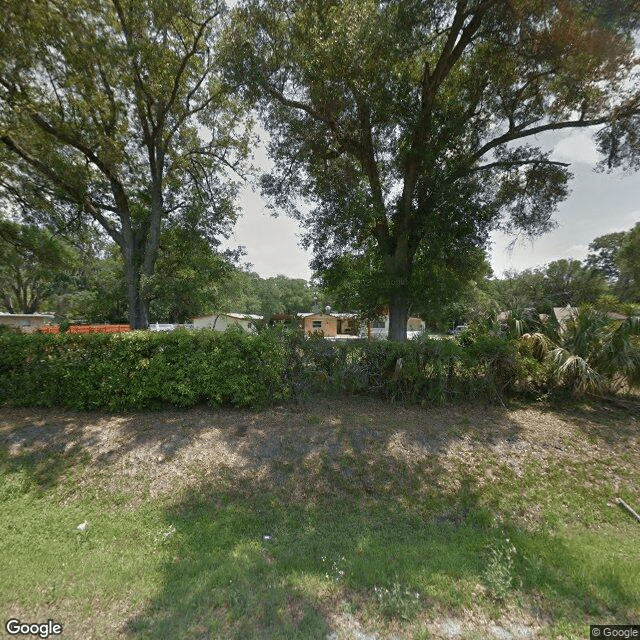
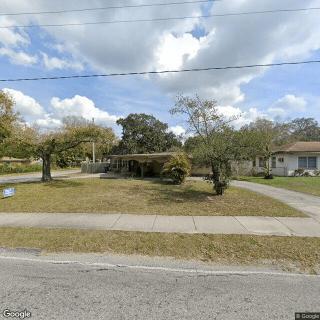
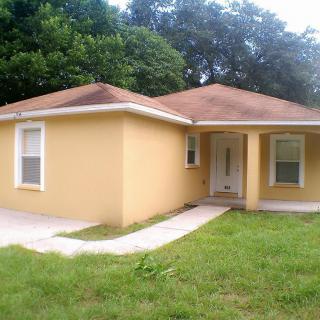
8003 N Rome Ave, Tampa, FL 33604
To contact a resident: (813) 933-5159
For more information about senior living options: (866) 208-4318
Overall Review of Angel's Garden
Pros
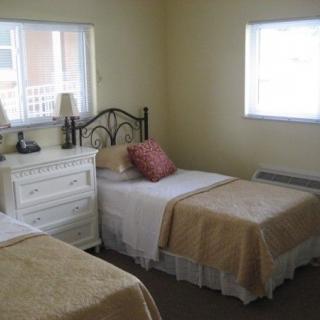
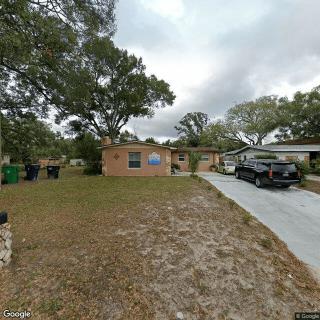
 Angels Garden Assisted Living is described as a small group home with caring, loving staff.
- The staff members are noted for really caring about their residents.
- The owner is personally involved in everyone’s care.
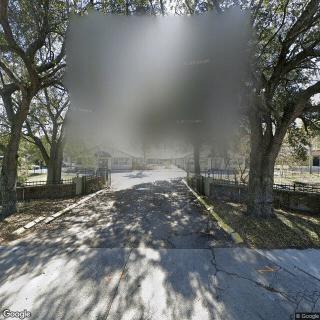
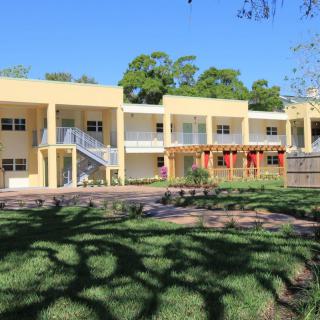
- The grounds are well manicured, with plenty of areas for residents to enjoy.
- The dining room is lovely, and the meals are home cooked.
- All of the seniors appear well cared for and content in a safe, sensible environment.
- There are plenty of scheduled events and activities to choose from.
- The area offers cultural events and outings, helping residents stay engaged.
Cons
 The owner doesn't do any activities because he can't walk.
- The residents can't go out and wander; the yard is gated and locked.
- The home is terrible and they do not treat the residents with any respect.
- The home is kept very dark and everything is locked.
- They serve bad food.
- The reviewer would not recommend the home to anybody.
Review
Angel's Garden Assisted Living in Tampa is best suited for families seeking an intimate, home-like environment where caregivers provide steady, hands-on daily care and safety oversight. The small group-home model means residents receive personal attention, from bathing and toileting to mobility assistance, delivered by staff who know them by name. The owner’s direct involvement reinforces a culture of accountability and responsiveness. For seniors who value familiarity, predictability, and a gated yard that feels secure, this community offers a contained, private-home atmosphere. The setting is conveniently located for local families, and consistently described meals as home-cooked, which adds to daily comfort and routine.
Alternatives become worth considering for residents who crave more freedom, richer social programming, or a setting without locked doors. Some reviews describe a house that is locked and restricts wandering, which can feel confining to active elders or those needing ongoing engagement beyond basic care. Families with residents who have higher social or cognitive needs may prefer facilities with memory-care–specific supports, dedicated behavioral management, or more structured outings. If the priority is an expansive campus with broad amenities and a wider slate of therapeutic activities, larger assisted living communities may serve better.
Key pros at Angel's Garden include attentive staff, visible owner involvement, and a warm, home-like dining and common-area experience. The intimate scale supports consistent supervision and quick responsiveness, potentially offsetting the need for intensive, around-the-clock oversight in a way that feels collaborative rather than restrictive. Well-kept grounds and inviting dining rooms contribute to a comfortable daily rhythm, and a schedule of activities, when offered, provides meaningful engagement without sacrificing the sense of being cared for like family. The downside is the resident mix, which reportedly includes psychiatric patients for safety, raising questions for families about suitability for residents needing high-level behavioral support or a completely open environment.
From a decision standpoint, the critical questions center on safety needs, desired independence, and tolerance for environmental constraints. Prospective families should confirm the current resident mix, the typical activity calendar, and whether memory-care supports or behavioral management are available. Inquire about staff-to-resident ratios, who leads activities, and how often families receive updates about care. Tour outdoor spaces and observe whether gates and doors genuinely restrict wandering while still allowing safe outdoor time. Sample the dining experience and menu variety because nutrition and taste drive daily satisfaction in a small-home setting, and note whether cuisine aligns with the resident’s preferences and dietary needs.
Even with many positive testimonials, caution is warranted because experiences diverge. Some families praise the personal touch, the sense of community, and the owner’s hands-on approach, while others report environments that feel dark, locked, and with subpar meals. Those contrasting experiences reflect how the facility is staffed day-to-day and how well the environment aligns with a resident’s temperament and needs. The consistent threads, ownership involvement and a safety-forward focus, signify strength, yet the tradeoff is a more controlled atmosphere that may feel restrictive to some. This means a clear, upfront alignment of expectations is essential before committing, ideally verified through direct conversations with staff and by observing an actual day in the life.
Practically speaking, Angel's Garden serves well for seniors prioritizing safety, a home-like atmosphere, and direct caregiver attention within a compact setting. It is less suited for those seeking extensive social programming, independence, or a non-locked, freely explorative environment, or for families seeking a strictly dementia- or psychiatric-focused program. The prudent course is a structured visit with a prepared checklist: meet the owner and key staff, assess the current resident mix, request a detailed activity plan, and sample the dining options. For many families, the facility offers a pragmatic balance, a proven care-focused, intimate setting that trades some openness for trusted supervision and a comforting, homelike routine.
 Assisted Living
 Activities on-site
 Devotional services off-site
 Indoor common areas
 Tampa International (5 miles away)
 Ambulatory care
 Diabetic care
 Meals provided

 Medicare Coverage for Assisted Living: An In-Depth Exploration
 Choosing the Right Senior Care: A Detailed Exploration of Assisted Living and Nursing Homes
 Understanding the True Cost of Assisted Living in 2025: A Comprehensive Guide