
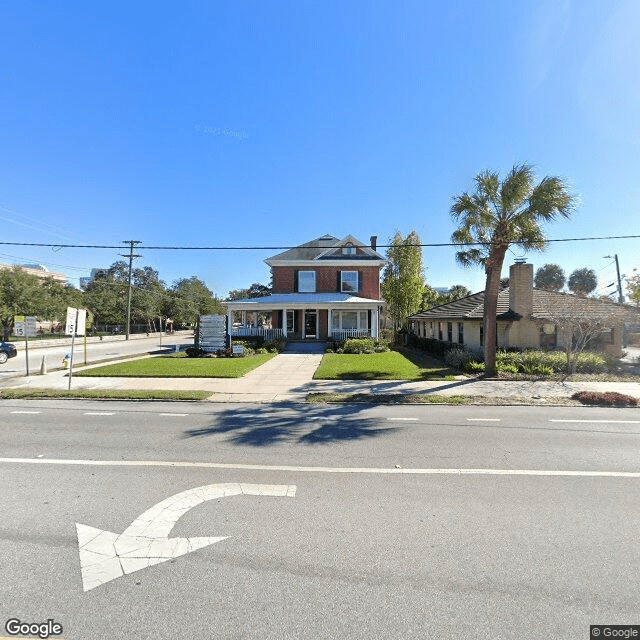
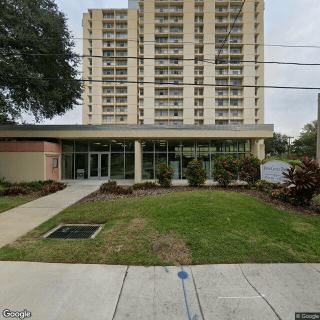
602 South Blvd, Tampa, FL 33606
To contact a resident: (813) 544-2273
For more information about senior living options: (866) 208-4318
A Care Connection - Tampa, FL Costs & Pricing
A Care Connection in Tampa, FL offers competitive pricing for its accommodations, with the monthly cost for a studio at $3,435. This rate is slightly lower than the average for Hillsborough County, which stands at $3,685, and more favorable when compared to the statewide average of $3,823. For those seeking a two-bedroom option, A Care Connection again provides an attractive rate of $3,450, significantly undercutting the county's average of $4,924 and Florida's state average of $4,711. Overall, residents can benefit from affordable living arrangements that not only meet their housing needs but also reflect a conscious effort to provide value within both the local and state context.
| Floor plans | A Care Connection - Tampa, FL | Hillsborough County | Florida |
|---|---|---|---|
| Studio | $3,435 | $3,685 | $3,823 |
| 2 Bedrooms | $3,450 | $4,924 | $4,711 |
Senior living communities with a similar price nearby
-
from -$435 / mo
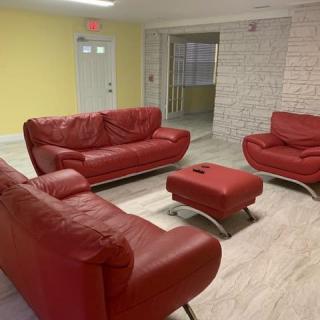
Mary's Assisted Living Facility House
$3,000 / month8.8 miles away -
from +$405 / mo

Arbor Terrace Citrus Park Independent Living
$3,840 to $4,440 / month12.0 miles away -
from -$340 / mo
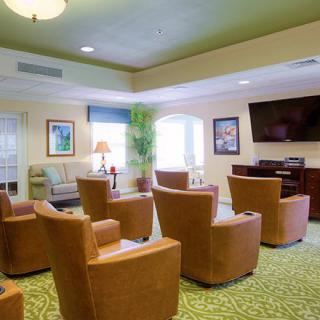
Homewood At Sun City Center
$3,095 to $6,500 / month16.5 miles away -
from +$265 / mo
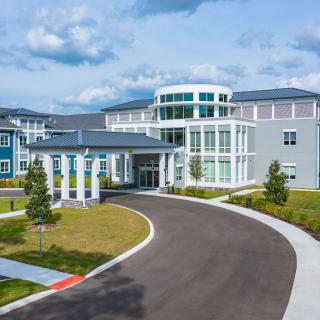
The Meridian at Brandon
$3,700 to $5,900 / month6.9 miles away -
from -$435 / mo
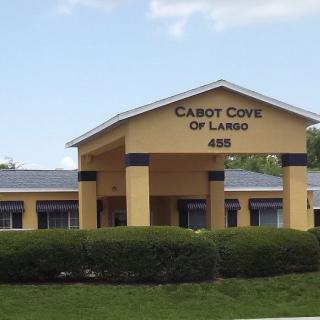
Cabot Cove of Largo
$3,000 to $7,000 / month17.2 miles away
Overall Review of A Care Connection - Tampa, FL
Pros
 Kevin is extremely responsive and can arrange a caregiver the same night when requested.
- The caregivers are kind and professional.
- Kevin is flexible and understanding when the family’s needs change quickly.
- The service makes the process easy during stressful times.
- The team is kind, helpful, and incredibly professional from the first phone call.
- Caregivers become like a second family and are reliable.
- The staff provide world-class care and ensure a safe, healthy healing environment.
- The service helps loved ones live safely and independently at home.
Cons
 Life is already stressful enough for families needing a caregiver.
Review
A Care Connection in Tampa is best suited for families who want a loved one to remain at home under professional, highly responsive caregiving that feels personal and reliable. The team excels at matching needs quickly and keeping processes calm during stressful moments. In practice, the point person, Kevin, delivers rapid caregiver placement when requested, sometimes the same night, and remains a steady, understanding liaison as needs evolve. Caregivers chosen through this agency tend to become like a second family, offering consistent warmth, professionalism, and dependable presence. For families balancing medical needs with the wish to preserve independence, this model proves unusually effective.
However, this arrangement is not for every senior scenario. If 24/7 on-site nursing supervision, a full-service campus with structured memory care, or expansive social programming is essential, alternatives, such as larger assisted living communities or specialized facilities, may better meet those requirements. If a family needs round-the-clock monitoring with in-house medical staff, or a single campus where all services are integrated under one roof, the in-home caregiver model can feel fragmentary by comparison. In such cases, using a facility with built-in clinical teams and scheduled activities may reduce logistical fatigue and provide a different sense of security.
Key strengths, the immediacy of caregiver placement, the compassionate bedside manner, and the ability to support safe, independent living at home, tend to offset the main drawbacks of home-based care. The reviews repeatedly highlight the team's responsiveness, the empathetic approach, and the practical help in navigating transitions, from hospital discharge to ongoing daily routines. When a family faces a sudden shift in needs, the ability to mobilize reliable caregivers quickly minimizes stress and risk. Continuity matters, and the leadership around Kevin appears to minimize turnover and maintain consistency in who arrives at the door. These factors collectively reduce the likelihood of chaotic gaps in care.
Real-world performance reinforces that conclusion. Late-Friday discharges and immediate next-week start times are not theoretical wins but demonstrated strengths, with exact days and times arranged to fit hospital-to-home transitions. Caregivers are described as professional and trustworthy, fostering a safe, healing environment in the patient’s own home. The sense that caregivers become part of the family translates into greater comfort for both the senior and the family. The emphasis on safety and independence, paired with a responsive, client-centered approach, results in smoother circumstances when health is fluctuating and mobility is limited.
From a decision-making standpoint, this service line is compelling for families prioritizing home-based care, rapid responsiveness, and a humane, relationship-driven caregiver model. It works best when a single point of coordination, typically Kevin, guides scheduling, caregiver matching, and problem-solving. Pros include fast access to caregivers, personalized attention, and a humane alternative to institutional care. Potential buyers should probe a few practicals: what happens if a scheduled caregiver calls out, how backup coverage is arranged, and how tasks like medication reminders and safety checks are handled. Aligning expectations on hours, travel distances, and pay structure is essential to avoid surprises.
Bottom line: A Care Connection is a strong, pragmatic option for families who want to preserve independence at home without sacrificing professional, compassionate support. It shines in rapid caregiver onboarding, consistent, family-like care teams, and thoughtful hospital-to-home transitions. The main trade-off is the absence of a full-time facility environment with on-site clinical staff and social programming, which is better provided by traditional assisted living when those features are non-negotiable. For families willing to embrace a home-based model with a personable, highly responsive network, this Tampa team represents a credible path to safer, more comfortable aging in place.
 Tampa International (5 miles away)



 Home Health Care Demystified: A Comprehensive Guide for Families and Caregivers
 Seniors and Modern Transportation: Exploring Uber, Lyft, and Other Ride-Hailing Options
 Comprehensive Guide to Qualifying for Home Health Care Services