
8239 Cessna Drive, Spring Hill, FL 34606
For more information about senior living options: (866) 208-4318
Overall Review of Springhill Assisted Living Facility
Pros
 Residents have an incredible experience there, and grandma truly loves it, especially the time outdoors, social activities, and the meals.
- He seems content after visiting his friend at the facility.
- The outdoor community is wonderful, and the staff are friendly and caring toward residents.
- The owners have done a fantastic job turning a community in need into a home where seniors can thrive.
- The staff are wonderful and genuinely care about their residents.
- The office personnel are amazing, and the facility is clean and inviting.
- The med techs go above and beyond for the residents, and doctors visit weekly.
- There is an open-door policy, and residents are treated with respect and compassion.
Cons
 The staff is unprofessional and there were two senior citizens wandering around the property looking lost.
- The staff here are liars and extremely rude.
- The New Owners are actually worse than the previous ones, which is an accomplishment!
- Truth is not their way.
- Gourmet meal are donuts with orange juice, or mystery meals.
- During the recent hurricane they failed to board up the windows.
- This meant during the hurricane threat we had no fire alarm in building 5.
- Not one promise made was kept.
- They bleached then ordered everyone in to eat lunch.
- Slipping and sliding on a wet bleached floor.
- The floors are filthy in the bedrooms.
- It is totally disgusting, dirty roaches, unsafe, especially in the shower.
Review
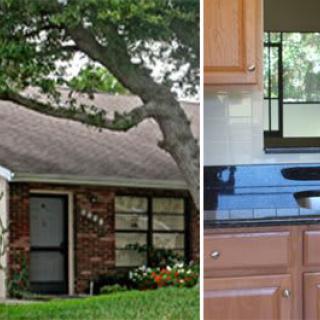
Springhill Assisted Living in Spring Hill is best suited for seniors who want a warm, home-like atmosphere with cottage-style housing, an active outdoor environment, and daily opportunities to socialize. It appeals to families seeking a personable, hands-on staff presence, predictable activities, and regular, if not always perfect, physician engagement. For residents who prize a genuine sense of community, approachable ownership, and a lived-in, smaller-scale feel over polish or prestige, Springhill can feel like a comfortable, livable option. The emphasis on outdoors, accessible staff, and a forgiving, neighborly vibe makes it a fit for those who measure success by daily connection and comfort rather than medicalized rigor.
That said, alternatives should be on the radar for families prioritizing consistent governance, unambiguous safety standards, and reliable administration. Several reviews flag persistent concerns about professionalism, responsiveness, and formal accountability. If a family needs strict, predictable operations, minimal friction with administrators, or a proven track record of safeguarding memory-care residents, Springhill may fall short. Prospective residents who require tight oversight, highly structured dementia care, or a facility with a flawless safety and maintenance history are likely to want to compare other options where governance and quality control are less questioned.
On the plus side, the environment at Springhill carries real, practical advantages. The property’s outdoor spaces and the overall sense of a community built on shared activity stand out in multiple reviews. Families frequently mention friendly, caring staff who show warmth and willingness to foster social engagement, and several accounts highlight the open-door policy and accessible ownership. The small-cottage layout contributes to a homier feel, and the presence of regular doctor visits, sometimes weekly, adds a layer of continuity for residents who value medical oversight without a hospital-level setting. The facility’s openness to pets is another tangible benefit, allowing residents to stay with beloved companions and preserve familiar routines.
Yet the negatives cast a long shadow over those positives. The most persistent concerns touch on staff professionalism and communication. Some reviewers describe rude or evasive behavior, a perceived emphasis on revenue, and a lack of timely access to administrators or senior staff. There are accounts of residents and families feeling unheard, with call bells going unanswered or care coordination appearing inconsistent. Safety and upkeep also surface as serious worries: reports of unsafe conditions, unaddressed maintenance needs, and gaps in emergency readiness recur across multiple accounts, sometimes with accusations of neglect or mismanagement. In a few deeply troubling narratives, the facility is portrayed as unsafe or unsanitary, with severe consequences for residents and families who trusted it with their care.
How the good parts interact with the drawbacks yields a nuanced verdict. For families prioritizing a vibrant, neighborly setting, Springhill’s strengths can offset some risk if the care plan is consciously paired with vigilant oversight from a family member or designated advocate. The outdoors, social programming, dietary responsiveness, and genuine warmth from med techs and caregivers can deliver quality-of-life dividends that are hard to replicate in more clinical environments. However, the frequency and intensity of the reported operational lapses, whether in staffing consistency, maintenance, or administrative accessibility, cannot be dismissed. When these holes line up with a resident who has higher needs for safety, predictable routines, or dementia-specific protocols, the positives may not compensate for the core reliability gaps.
The practical takeaway for families is straightforward: conduct a rigorous, two-track vetting before moving in. First, focus on governance and safety: request current staffing ratios, a tour of the maintenance log, proof of emergency system reliability, and a direct meeting with the administrator or regional supervisor. Second, probe daily life specifics: ask to observe a meal, a recreation session, and a call-bell response in real time, and talk with several residents about their satisfaction and concerns. If staying nearby and staying involved is a non-negotiable, insist on clear channels for ongoing communication and a documented plan to address any concerns promptly. For those who must balance livability with risk, Springhill offers a compelling lived-in atmosphere, but only if a diligent, proactive oversight plan accompanies the move.
In the end, Springhill is not a one-size-fits-all choice. It can deliver genuine comfort, companionship, and practical care for residents who thrive on community, routine, and personal attention, especially when ownership and staff are responsive and engaged. For families where safety certainty, consistent administration, and a spotless track record are non-negotiable, it may be wiser to explore alternatives first. The decision hinges on weighing the charm of a warm, outdoor-centric, home-like setting against the need for unwavering reliability in care, safety, and governance, and then choosing the option that aligns most closely with the resident’s most important daily priorities.
 66 resident community capacity
 Assisted Living
 Activities on-site
 Air-conditioning
 Beauty salon
 Cable or satellite TV
 Computer center
 Devotional services off-site
 Dining room
 Fitness room
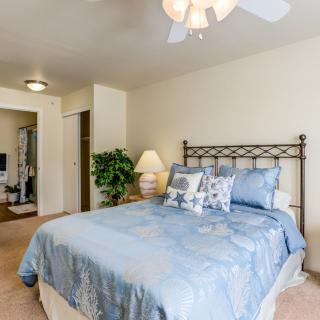
 Fully furnished
 Gaming room
 Garden
 Housekeeping services
 Indoor common areas
 Kitchenette
 Move-in coordination
 Outdoor space
 Private bathrooms
 Restaurant-style dining
 Small library
 Telephone
 Wellness center
 Wi-Fi/high-speed internet available
 Community operated transportation
 24-hour call system
 Ambulatory care
 Assistance with bathing
 Assistance with dressing
 Assistance with transfers
 Diabetes diet
 Diabetic care
 Medication management
 Special dietary restrictions
 Concierge services
 Planned day trips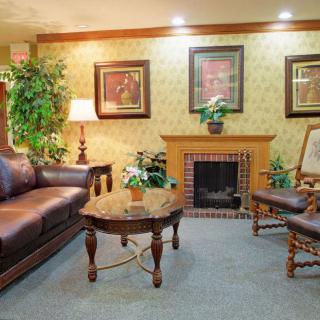


 Medicare Coverage for Assisted Living: An In-Depth Exploration
 Choosing the Right Senior Care: A Detailed Exploration of Assisted Living and Nursing Homes
 Understanding the True Cost of Assisted Living in 2025: A Comprehensive Guide