Almost Home - ALF in Spring Hill, FL

Save
Almost Home - ALF

Almost Home - ALF in Spring Hill, FL

14303 Spring Hill Drive, Spring Hill, FL 34609

For more information about senior living options: (844) 490-3973

4.3 from 3 reviews
5 stars
1
4 stars
2
3 stars
0
2 stars
0
1 stars
0

Assisted Living Board and Care Home

Overall Review of Almost Home - ALF

Pros

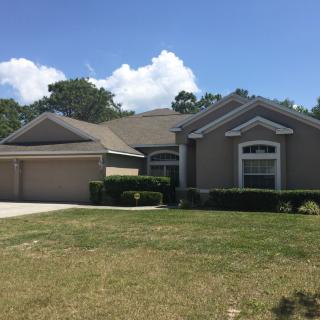
  • pro Almost Home ALF is small and feels like a real home, with a convenient location near doctors.
  • pro The two owners are very sweet, genuine, and clearly care about the residents.
  • pro It feels like home, with a real kitchen and prepared meals, and residents receive more one-on-one attention.
  • pro The care provided gives families peace of mind.
  • pro The setting runs like a real home, allowing residents to get up and eat when they want.
  • pro The staff is small but offers good continuity, often the same person on consecutive shifts.
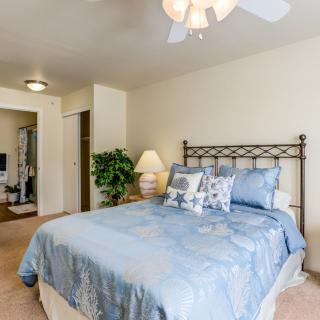
  • pro The home is modest but encourages residents to bring their own items, making it more personalized.
  • pro There is a comfortable common area with seating and a television for residents to enjoy.

Cons

  • pro The brother was uncomfortable moving to a bigger place.
  • pro Almost Home is small.
  • pro The decor is outdated and could use upgrades.

Review

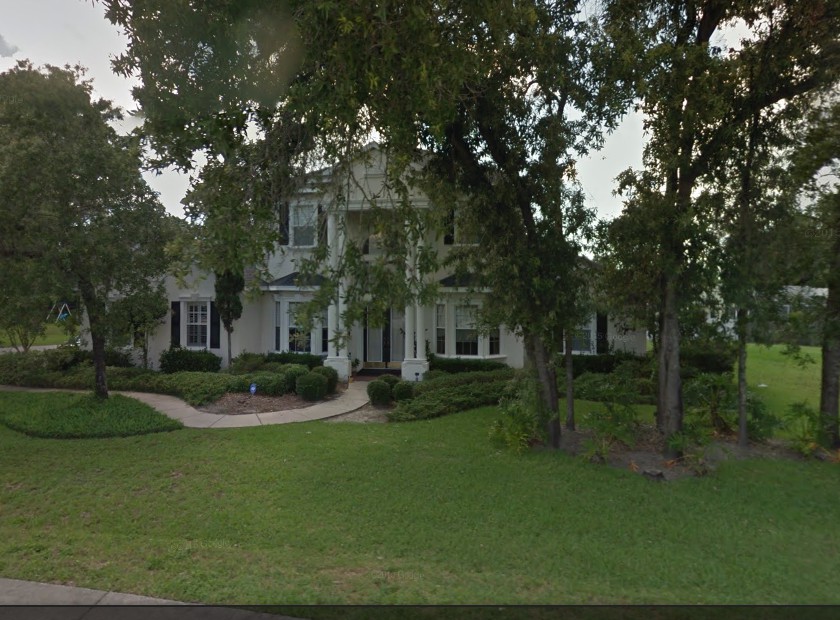
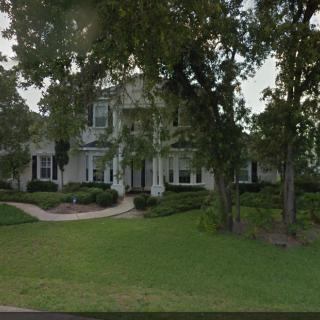
Almost Home ALF in Spring Hill is best suited for seniors who want a notably small, home-like setting where high-touch, individualized care can be delivered consistently. The community's footprint is intimate - only a few residents - with a pair of owners who are described as genuinely caring. Its strongest appeal lies in proximity: the location keeps a resident connected to doctors and other routine appointments, reducing logistical friction for families juggling multiple care needs. For someone who values a familiar, "stay-at-home" atmosphere over the hustle of a larger campus, this ALF becomes a natural fit, delivering a level of attentiveness that larger facilities often struggle to sustain.

Those who should consider alternatives are residents with more complex or escalating care requirements. If memory-care needs become pronounced, if a resident demands broader social programming, or if the plan calls for more structured activities and amenities, a bigger ALF or dedicated memory-care community may be a wiser choice. Families seeking a robust calendar of group outings, more professional on-site oversight around the clock, or a facility with newer decor and expanded common spaces may find Almost Home's modest footprint limiting. In short, the best fit is someone who thrives on a quiet, homelike routine rather than a bustling, activity-rich campus.

The core pros here revolve around continuity and personalization. A small staff structure means one staff member often serves on multiple shifts, preserving familiar faces and a predictable dynamic for residents. Families note the ability to receive more one-on-one attention, which translates into closer monitoring of daily needs and a calmer overall mood for the resident. The home atmosphere - complete with a real kitchen and meals prepared on-site - contributes to dignity and autonomy, allowing residents to rise and eat on their own schedule. This environment supports cleaner, more consistent daily care and appears to correlate with fewer hospitalizations compared to the previous, larger-alternative experiences described by families.

These strengths offset notable drawbacks in practical terms. The compact layout and continuous caregiver presence help guard against the disorientation that can come with larger campuses. Residents can bring personal items to create a familiar space, and the modest common areas keep the focus on comfort and privacy rather than social saturation. However, the very features that make Almost Home appealing - its small size, its limited staff pool, and its simple decor - also cap the level of stimulation and variety available. For a resident who thrives on social programming, or who needs more robust memory-support activities and upgraded amenities, the current setup may feel limiting over time.

From a safety and logistics standpoint, the proximity to a resident's medical network is a practical win. For families, the ability to schedule routine visits and quick check-ins without long commutes is a meaningful stress reducer. The same proximity can help ensure smoother transitions when a change in care level becomes necessary, since the physician relationships are already established and test results or care plans can be integrated with relative ease. Yet the smaller operation means fewer on-site resources for acute needs, and families should plan for the possibility that escalation would require moving to a higher level of care at a separate facility.

In sum, Almost Home ALF represents a thoughtful, well-suited option for seniors who value a true home-like ambience, meticulous one-on-one attention, and a care model that prioritizes continuity and dignity over breadth of services. It is especially compelling for those who want an intimate setting with staff that feel invested in each resident's daily life, and who are comfortable with a modest environment and limited social programming. Alternatives should be considered for families prioritizing memory-care specialization, more aggressive programming, or a facility with more robust on-site amenities and larger staffing capacity. For the right match, Almost Home can deliver peace of mind that grows from genuinely attentive, personalized care in a small, familiar space.

Features

Housing

  • 6 resident community capacity 6 resident community capacity

Types of Care

  • Assisted Living Assisted LivingAssisted living facilities provide crucial support and care for seniors who may need help with daily tasks such as medication management, bathing, and meal preparation. These communities offer a safe and comfortable environment where seniors can maintain their independence while receiving the assistance they need to thrive in their golden years.
  • Board and Care Home Board and Care HomeBoard and care homes provide a smaller, more intimate setting for seniors who require assistance with daily tasks but do not need the level of care offered by a nursing home. They offer personalized care, meals, and social activities in a homelike environment, ensuring that seniors receive individualized attention and support in their golden years.

Amenities

  • Cable or satellite TV Cable or satellite TVCable or satellite TV is important for seniors because it provides entertainment, news, and companionship, helping to combat loneliness and boredom. It also offers a wide range of programming options tailored to different interests and preferences.
  • Dining room Dining roomDining rooms are important for seniors as they provide a space for socialization, connection, and nutritious meals. They offer opportunities for residents to bond over shared meals, foster a sense of community, and promote healthy eating habits. Dining rooms also ensure that seniors have access to well-balanced meals tailored to their dietary needs and preferences.
  • Financing advice Financing adviceFinancing advice is crucial for seniors as they navigate the complexities of retirement planning, including managing fixed incomes, healthcare costs, and potential long-term care needs. Proper financial guidance can help ensure seniors maintain financial stability and security in their golden years.
  • Fully furnished Fully furnishedFully furnished senior living communities are important for seniors because they provide convenience, comfort, and a hassle-free moving experience. Seniors can easily settle into their new living space without the stress of having to buy and move furniture. This allows them to focus on enjoying their new home and community.
  • Garden GardenGardens are important for seniors as they provide a peaceful and therapeutic environment for relaxation, physical activity, and socialization. Being in nature has been shown to reduce stress, improve mood, and promote overall well-being. Gardens also offer opportunities for seniors to engage in gardening activities, which can improve mobility, flexibility, and cognitive function. Additionally, gardens create a sense of community and connection with others who share a passion for plants and outdoor spaces.
  • Housekeeping services Housekeeping servicesHousekeeping services are important for seniors because they help maintain a clean and safe living environment, promote independence, and reduce the risk of accidents or illnesses. Additionally, having assistance with household chores can alleviate physical strain and allow seniors to focus on other aspects of their well-being.
  • Move-in coordination Move-in coordinationMove-in coordination is important for seniors because it helps ease the transition into their new living environment. It ensures that all logistics, such as packing, organizing movers, and setting up utilities are taken care of, allowing seniors to focus on settling in and adjusting to their new home. Having a smooth move-in process can alleviate stress and anxiety, making the transition smoother and more enjoyable for seniors.
  • Outdoor space Outdoor spaceOutdoor spaces are important for seniors as they provide opportunities for physical activity, social interaction, exposure to natural light and fresh air, and a sense of connection to nature. Having access to outdoor spaces can improve overall well-being and quality of life for older adults living in senior communities.
  • Telephone TelephoneTelephones are important for seniors as they provide a lifeline for communication with loved ones, emergency services, and healthcare providers. They offer a sense of security and independence, enabling seniors to stay connected and access assistance when needed.
  • VA Benefits Consultation VA Benefits ConsultationVA Benefits Consultations are important for seniors because they provide valuable information on the benefits and resources available to them as veterans. These consultations can help seniors access financial assistance, healthcare services, and other support that can greatly improve their quality of life in their later years.
  • Wi-Fi/high-speed internet available Wi-Fi/high-speed internet availableWi-Fi/high-speed internet is important for seniors to stay connected with loved ones, access online resources, and participate in virtual activities to combat feelings of loneliness and isolation. It also allows them to easily manage healthcare needs, access entertainment, and engage in lifelong learning opportunities.

Care Services

  • 24-hour supervision 24-hour supervision24-hour supervision is important for seniors to ensure their safety, well-being, and access to immediate assistance in case of emergencies or health issues. This constant support provides peace of mind for both seniors and their loved ones, allowing them to age in place with dignity and security.
  • Activities of daily living assistance Activities of daily living assistanceActivities of daily living assistance are important for seniors because they provide essential support with tasks such as eating, bathing, dressing, and mobility. This assistance helps seniors maintain their independence, dignity, and overall quality of life as they age.
  • Assistance with bathing Assistance with bathingAssistance with bathing is crucial for seniors as it helps maintain personal hygiene, prevents infections, and ensures their overall well-being and comfort. It also provides a sense of dignity and independence for seniors who may struggle with this task on their own.
  • Assistance with dressing Assistance with dressingAssistance with dressing is important for seniors because it helps maintain their independence, promotes personal hygiene, prevents accidents and injuries, and improves overall quality of life. This service ensures that seniors can continue to dress comfortably and confidently, despite any physical limitations they may have.
  • Assistance with transfers Assistance with transfersAssistance with transfers is crucial for seniors as it helps prevent falls and injuries, maintains their independence, and ensures they can safely navigate their living environment. It also provides peace of mind for both seniors and their loved ones.
  • Coordination with health care providers Coordination with health care providersCoordination with health care providers is crucial for seniors to ensure proper medical care, medication management, and overall well-being. This collaboration helps prevent overlapping treatments, track progress more effectively, and provide comprehensive support tailored to individual needs.
  • Diabetes diet Diabetes dietA diabetes diet is crucial for seniors as it helps manage blood sugar levels, reduce risks of complications, and improve overall health and well-being. By following a balanced and nutritious diet tailored to their specific needs, seniors can better control their diabetes and enhance their quality of life.
  • Meal preparation and service Meal preparation and serviceMeal preparation and service are crucial for seniors as they may have limited mobility or energy to cook nutritious meals. Having access to healthy and convenient food options can ensure they are getting the proper nutrition needed to maintain their overall health and well-being.
  • Medication management Medication managementMedication management is crucial for seniors to ensure they are taking the right medications at the correct dosages and times. This helps prevent adverse drug interactions, reduces the risk of medication errors, and promotes overall health and well-being. Proactive management also allows for adjustments as needed based on changing health conditions or new prescriptions.
  • Special dietary restrictions Special dietary restrictionsSpecial dietary restrictions are important for seniors because age-related changes in metabolism and health conditions can make it difficult for their bodies to process certain foods. By following a diet tailored to their specific needs, seniors can maintain their overall health and well-being, manage chronic conditions, and reduce the risk of complications such as malnutrition or food interactions with medications.
  • Transportation arrangement (medical) Transportation arrangement (medical)Transportation arrangements for medical purposes are essential for seniors as they may have difficulty driving themselves to appointments or accessing public transportation. Having reliable and safe transportation options ensures that seniors can receive timely medical care and maintain their health and well-being.
  • Transportation to doctors appointments Transportation to doctors appointmentsTransportation to doctors' appointments is crucial for seniors as it ensures they have access to necessary medical care and support for their health needs. Without reliable transportation, seniors may struggle to attend important appointments, leading to potential delays in treatment and health complications. Providing transportation services helps seniors maintain their overall well-being and quality of life.

Dining

  • Diabetes diet Diabetes dietA diabetes diet is crucial for seniors as it helps manage blood sugar levels, reduce risks of complications, and improve overall health and well-being. By following a balanced and nutritious diet tailored to their specific needs, seniors can better control their diabetes and enhance their quality of life.
  • Special dietary restrictions Special dietary restrictionsSpecial dietary restrictions are important for seniors because age-related changes in metabolism and health conditions can make it difficult for their bodies to process certain foods. By following a diet tailored to their specific needs, seniors can maintain their overall health and well-being, manage chronic conditions, and reduce the risk of complications such as malnutrition or food interactions with medications.

Activities

  • Activities off-site Activities off-siteActivities off-site are crucial for seniors as they provide opportunities for socialization, mental stimulation, and physical activity outside of their usual routine. This helps combat feelings of isolation and boredom, promotes overall well-being, and allows seniors to remain engaged in the community.
  • Community-sponsored activities Community-sponsored activitiesCommunity-sponsored activities are important for seniors as they provide opportunities for social interaction, mental stimulation, and physical activity. These activities can help improve overall well-being, combat loneliness and isolation, and promote a sense of belonging and purpose among older adults.
  • Scheduled daily activities Scheduled daily activitiesScheduled daily activities are important for seniors because they provide structure, socialization, mental stimulation, and physical activity. Engaging in regular activities can improve overall well-being and quality of life for seniors living in a community setting.

Languages Spoken

  • English EnglishEnglish is important for seniors as it allows them to communicate effectively with healthcare providers, understand important information related to their health and medications, stay connected with loved ones, and engage in social activities within their communities. It also opens up opportunities for lifelong learning and intellectual stimulation.

Description

Almost Home is an assisted living community located in Spring Hill, FL. Our Board and Care Home offers a comfortable and supportive environment for seniors who require assistance with daily activities.

Residents at Almost Home can enjoy a variety of amenities designed to enhance their quality of life. Our on-site dining room provides delicious meals that cater to special dietary restrictions. The community is fully furnished, ensuring that residents feel at home from the moment they arrive. With access to our beautiful garden and outdoor spaces, residents can enjoy fresh air and relaxation.

Our dedicated staff takes care of housekeeping services, allowing residents to focus on enjoying their time at Almost Home. We also offer move-in coordination services, making the transition into our community seamless.

At Almost Home, we prioritize the well-being of our residents by providing essential care services. Our trained staff is available to assist with activities of daily living, such as bathing, dressing, and transfers. We coordinate with health care providers to ensure that each resident receives the appropriate level of care. Medication management is also provided to ensure that medications are taken correctly.

For those with specific dietary needs, we offer a diabetes diet option and accommodate special dietary restrictions.

Transportation arrangement services are available for medical appointments, ensuring that residents can attend necessary healthcare visits conveniently. Additionally, there are nearby transportation options for other needs.

Our community encourages social engagement through community-sponsored activities and scheduled daily activities designed to promote physical and mental well-being. Residents can take advantage of nearby cafes, parks, pharmacies, restaurants, places of worship, theaters, hospitals accessible in close proximity to our location.

At Almost Home - ALF in Spring Hill, FL., we strive to provide exceptional care and support while creating a comfortable and enriching environment for our residents.

Nearby Places of Interest

Restaurants

  • Tidal Brewing (0.1 miles)
  • Burger King (0.2 miles)
  • Zaxby's (0.2 miles)
  • McDonald's (0.8 miles)
  • Taco Bell (3.2 miles)
  • McDonald's (3.2 miles)
  • Nouvelle Cuisine (3.4 miles)

Pharmacies

  • Walgreens (0.1 miles)
  • Dynamic Pharmaceuticals (1.3 miles)
  • Shoppes At Avalon (2.8 miles)
  • CVS Pharmacy (3.2 miles)
  • Walgreens (3.3 miles)
  • Winn-Dixie (3.3 miles)
  • Winn-Dixie (3.4 miles)

Physicians

  • Elite Pain Specialists (1.3 miles)
  • Vein & Vascular Inst-Tampa Bay (1.3 miles)
  • The Vein & Vascular Institute of Spring Hill (1.3 miles)
  • Jensen Dentistr y (1.4 miles)
  • Gardner Audiology (1.5 miles)
  • Lindo Medical Care (1.5 miles)
  • Access Healthcare (3.2 miles)

Places of Worship

  • Temple Beth David Jewish Center (1.4 miles)
  • Crosspoint Church Future Main Campus (1.5 miles)

Transportation

  • Hernando County Airport Industrial Park (1.4 miles)
  • Enterprise Rent-A-Car (4.6 miles)

Parks

  • Veterans Memorial Park (2.1 miles)
  • Rotary Centennial Dog Park Spring Hill (3.7 miles)

Cafes

  • Cafe Masaryktown (3.1 miles)
  • Jam's Breakfast & Lunch Cafe (3.4 miles)
  • Kekes Breakfast Café (4 miles)
  • Starbucks (4.1 miles)
  • Panera Bread (4.2 miles)

Hospitals

  • Spring Hill Regional Hospital (4.1 miles)
  • HCA Healthcare (4.8 miles)

Theaters

  • Zota Beacon Theaters (4.2 miles)

Frequently Asked Questions

Where is Almost Home - ALF?

Nearby Communities

  • Almost Home ALF Inc

    Almost Home ALF Inc

    Spring Hill, FL


    pro Specialized diabetic care with monitoring and meal planning; off-site devotional activities; accessible transportation and nearby healthcare and amenities.

  • Rainbow Gardens Assisted Living

    Rainbow Gardens Assisted Living

    Spring Hill, FL

    4.6 from 73 reviews
    $2,500 / month

    pro Attentive staff in a clean, welcoming, family-owned setting.

  • Rose Manor

    Rose Manor

    Spring Hill, FL

    4.8 from 68 reviews
    $5,034 to $6,040 / month

    pro Caring staff with regular family updates in a homelike setting.

  • Southern Palms

    Southern Palms

    Spring Hill, FL


    pro Small, fully furnished assisted living with comprehensive care and on-site amenities (meals, housekeeping, medication management, transportation).

  • Superior Residences

    Superior Residences

    Spring Hill, FL

    4.1 from 14 reviews
     

    pro Extremely convenient location with a wide range of nearby amenities (cafes, pharmacies, physicians, hospitals, restaurants, parks, transportation).

  • Salishan Gracious Retirement Living

    Salishan Gracious Retirement Living

    Spring Hill, FL

    4.6 from 91 reviews
    $1,895 / month

    pro Beautiful, well-maintained independent living with attentive staff, fine-dining quality, and engaging amenities.

  • Vitality Living Spring Hill

    Vitality Living Spring Hill

    Spring Hill, FL

    4.5 from 248 reviews
    $2,305 to $4,305 / month

    pro Friendly staff, welcoming atmosphere, and engaging activities for residents.

  • Brooksville Healthcare Center

    Brooksville Healthcare Center

    Brooksville, FL

    3.7 from 97 reviews
     

    pro Caring staff in a clean facility with engaging activities

  • The Residence At Timber Pines Senior Living

    The Residence At Timber Pines Senior Living

    Spring Hill, FL

    4.7 from 156 reviews
    $3,180 to $5,735 / month

    pro Modern, clean facilities with friendly staff and engaging activities.

Related Resources

  • activities of daily livingComprehensive Insights into Activities of Daily Living (ADLs) and Their Assessment

    Activities of Daily Living (ADLs) are fundamental tasks vital for an individual's independence, particularly in older adults over 85, and include functions like bathing and dressing; assessing ADLs alongside Instrumental Activities of Daily Living (IADLs) helps determine the level of required assistance due to age-related health challenges. Tailored support plans, involving family and community resources, are essential for maintaining dignity and autonomy in assisted living environments.

  • does medicare pay for assisted livingMedicare Coverage for Assisted Living: An In-Depth Exploration

    Medicare does not cover assisted living costs, as it focuses on acute medical needs and short-term care, with exceptions for certain medically necessary services like physical therapy. Individuals must explore other options such as Medicaid, veterans' benefits, or long-term care insurance to manage these expenses effectively.

  • assisted living vs nursing homeChoosing the Right Senior Care: A Detailed Exploration of Assisted Living and Nursing Homes
    Choosing between assisted living and nursing homes involves evaluating emotional and financial factors, with assisted living offering independence and support for daily activities at a lower cost, while nursing homes provide intensive medical care for individuals with significant health needs. The decision is influenced by personal preferences, health status, cognitive function, and varying Medicaid coverage across states.