
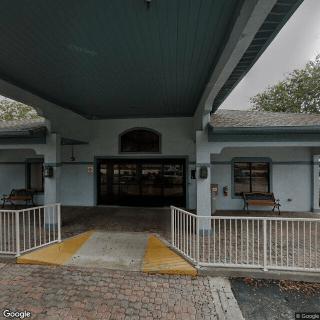
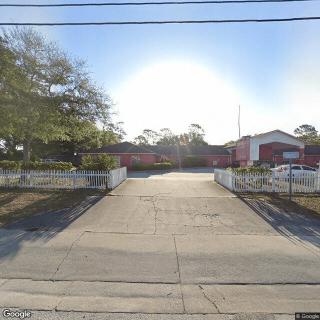
9000 86 Avenue N, Seminole, FL 33777
For more information about senior living options: (866) 208-4318
Safe Harbor Costs & Pricing
Safe Harbor offers competitive pricing for its accommodations, reflecting a thoughtful approach to care and comfort. For a semi-private room, the cost is $2,500 per month, which is notably lower than the average in Pinellas County at $2,765 and the broader Florida state average of $3,009. Similarly, those seeking a studio can expect to pay $3,500 per month, again more affordable compared to the county's average of $3,598 and the state's average of $3,823. This makes Safe Harbor not only an appealing choice for individuals seeking quality care but also an economically savvy option within the regional landscape.
| Floor plans | Safe Harbor | Pinellas County | Florida |
|---|---|---|---|
| Semi-Private | $2,500 | $2,765 | $3,009 |
| Studio | $3,500 | $3,598 | $3,823 |
Overall Review of Safe Harbor
Pros
 The administrator is fantastic.
- The staff is fantastic.
- They provide transportation for outings and appointments when needed.
- The facility is always clean and free of odors.
- All rooms are private.
- They provide residents with everything they need.
- It seems to be well run.
- The staff is caring.
Cons
 The place was run "in abstencia" with a placeholder administrator.
- The ice machine was broken.
- The place was dirty.
- Staff was really hit or miss.
- Food was mediocre at best.
- They could not recommend anyone going there who cared about their loved one.
- A Safe Haven Assisted Living is not good.
- They do not offer transportation to the doctor.
- They do not clean the rooms very often.
- The quality of the food is very bad.
Review
Safe Harbor in Seminole, FL is best suited for families that want a tightly run, communicative environment with private rooms and straightforward daily living expectations. It works well for residents who value a visible, responsive administrator and regular family updates, along with a clean, odor-free setting. The private rooms and the sense that a resident’s needs can be addressed with coordinated transportation for outings or appointments when needed make this community appealing to families seeking predictable oversight and a reachable point of contact. Those who prioritize a high-touch administrative presence and a comfortable, home-like atmosphere may find Safe Harbor aligns with their goals.
Yet several factors suggest that alternatives should be on the radar for anyone with non-negotiable needs. The most important caveat is administrative stability. When a review mentions a placeholder or absent administrator, concern about long-term leadership and consistency follows. Transportation reliability is another red flag in some accounts, with reports that doctor trips aren’t always supported. Cleanliness and housekeeping are inconsistent as well, and the quality of meals is not uniformly dependable. For families that require guaranteed transport to medical visits, consistently spotless rooms, and consistently high-grade meals, other options may offer clearer promises.
On the positives, Safe Harbor delivers in ways that matter for ongoing peace of mind. A competent administrator who keeps families informed can greatly reduce anxiety about a loved one’s welfare, and staff who are described as fantastic in at least one account create a sense of dependable day-to-day care. The presence of private rooms minimizes involuntary sharing of space, which many relatives prioritize for comfort and safety. A clean facility that avoids lingering odors is another practical benefit, contributing to a hospitable feel during visits. When these elements come together, families can feel confident that their loved one has a dignified, well-maintained place to live.
That said, the downsides carry real weight in decision-making. The most troubling pattern is inconsistency: staff performance and housekeeping quality can swing from attentive and clean to careless or neglected. Ice machines breaking, rooms not being cleaned frequently, and a sense that some days resemble a best-case scenario more than a daily reality undermine trust over time. Food quality ranges from good to very poor, which directly affects quality of life and daily satisfaction. And the transportation issue is not just theoretical; in some reviews it is described as unavailable for doctor visits, creating a hard limit for residents with medical appointment needs. These gaps cannot be ignored.
When the strong points and the risks collide, the practical takeaway is that Safe Harbor can work brilliantly for the right family, one that prioritizes transparent communication, private accommodations, and a generally clean environment, and is willing to tolerate some variability in staffing and service. The reliable administrator and engaged staff in favorable reviews provide a core to build around, but this core may not be stable enough to meet every resident’s standards without close monitoring. Families should pursue a candid, up-front discussion about leadership continuity, housekeeping schedules, transportation policies, and meal planning to determine if the current operations will consistently align with personal expectations.
The prudent next step is to arrange a thorough on-site tour with a focused checklist. Verify who is currently in charge, request their background and average tenure, and ask to meet front-line staff scheduled for the shifts most important to your loved one. Inspect room cleanliness firsthand and confirm the frequency of housekeeping rounds, laundry service, and supply replenishment. Clarify transportation options in writing, specifically whether doctor visits are covered, the process for arranging rides, and any additional costs. Taste-test meals and request to review the latest dining menu and any dietary accommodations. If transportation to medical appointments and consistently pristine rooms cannot be guaranteed, it is sensible to compare with alternatives that offer firmer commitments in these areas.
 20 resident community capacity
 Studio apartments
 Assisted Living
 Board and Care Home
 Activities on-site
 Beautician on-site
 Cable or satellite TV
 Devotional services off-site
 Dining room
 Fully furnished
 Garden
 Housekeeping services
 Indoor common areas
 Kitchenette
 Move-in coordination
 Outdoor space
 Telephone
 Wheelchair accessible showers
 Wi-Fi/high-speed internet available
 St. Petersburg-Clearwater International (6 miles away)
 24-hour call system
 Ambulatory care
 Assistance with bathing
 Assistance with dressing
 Assistance with transfers
 Diabetes diet
 Diabetic care
 Meal preparation and service
 Medication management
 Mental wellness program
 Physical therapy
 Special dietary restrictions
 Transportation arrangement (medical)
 Transportation to doctors appointments
 English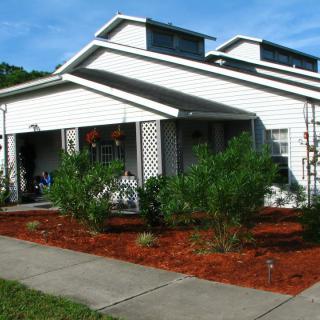



 Comprehensive Insights into Activities of Daily Living (ADLs) and Their Assessment
 Medicare Coverage for Assisted Living: An In-Depth Exploration
 Choosing the Right Senior Care: A Detailed Exploration of Assisted Living and Nursing Homes