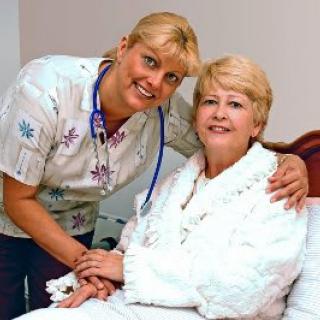
Residents and families repeatedly describe kind, attentive staff who support daily care needs.
Across reviews, people describe staff who show kindness, attentiveness, and respect, including nursing and therapy teams. Several families mention medication management, wound care follow-through, and gentle handling as part of the care experience. A few reviews also raise concerns about nursing care quality or rudeness, so it isn’t uniformly positive in every account.
differentiator10 reviews mention this
Skilled rehab and therapy stand out
Skilled rehabilitation and physical therapy are a major focus of residents’ and families’ experiences.
Multiple reviewers describe rehabilitation as a key reason they chose or trusted Sunnyside, including progress after hospital stays and complex medical challenges. Reviews highlight physical therapy and nursing follow-through, with some families specifically noting prompt attention to wound care and medication administration. There are also a couple of less-favorable accounts that center on expectations during rehab-to-placement transitions and communication between care settings.
common12 reviews mention this
Food quality shows up often
Food is repeatedly described as good, with several reviewers calling dining a strength.
Many reviews point to excellent or delicious food, including praise for dining-room presentation and meals that support recovery. Some accounts mention nutrition-focused meal support and options for family meals, while others simply say the food was great. At the same time, at least one reviewer says the food wasn’t satisfactory, and another comments that dining can be less satisfying when more care is needed.
common8 reviews mention this
Activities and campus life appeal
Residents describe regular activities, outings, and accessible spaces for everyday enjoyment.
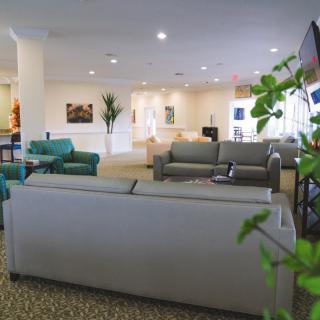
Reviewers mention scheduled activities and social events, including outings by bus and resident or community gatherings. Others describe fitness and hands-on options like gardening, arts and crafts, and workshops, along with access to comfortable common areas. Several also connect the experience to the landscaped grounds and lakeside or walking opportunities.
caveat4 reviews mention this
Care transitions and ratios draw complaints
Some reviewers report problems with nursing care quality and communication during care transitions.
A few negative reviews mention staffing and nurse-to-patient ratio concerns in nursing care, along with dissatisfaction that quality can drop as more care is required. Other reviews focus on communication gaps—especially around progress updates, treatment, and moving between independent living, assisted living, and rehab. There are also individual accounts describing disrespectful interactions with nursing staff, which contrasts with the more common praise in other reviews.
How we summarize
Counts show how many written reviews mention each theme; a review can touch several themes, and only frequently mentioned themes are displayed.
Features
Housing
45 resident community capacity
Types of Care
Assisted Living
Continuing Care Retirement Community (CCRC)
Independent Living
Memory Care
Skilled Nursing Facility
Amenities
Beauty salon
Cable or satellite TV
Fully furnished
Garden
Housekeeping services
Kitchenette
Move-in coordination
Outdoor space
Private bathrooms
Wi-Fi/high-speed internet available
Transportation
Sarasota Bradenton International (7 miles away)
Community operated transportation
Transportation arrangement
Transportation arrangement (non-medical)
Care Services
24-hour call system
24-hour supervision
Activities of daily living assistance
Assistance with bathing
Assistance with dressing
Assistance with transfers
Diabetes diet
Meal preparation and service
Medication management
Special dietary restrictions
Dining
Diabetes diet
Special dietary restrictions
Activities
Community-sponsored activities
Fitness programs
Resident-run activities
Scheduled daily activities
Nearby Places of Interest
Pharmacies
Winn-Dixie (0.8 miles)
Prime Pharmacy (1.4 miles)
Cooper Drug (1.6 miles)
Walgreens (2 miles)
CVS Pharmacy (2 miles)
Winn-Dixie (2.1 miles)
Walgreens (2.6 miles)
Restaurants
Kacey's Seafood (0.9 miles)
Chick-Fil-A (0.9 miles)
McDonald's (1 miles)
Culver's (1.2 miles)
Der Dutchman (1.7 miles)
Evie's Tavern on the Range (1.9 miles)
Arby's (1.9 miles)
Physicians
Golden Vision Eyecare (0.9 miles)
Florida Cancer Specialists & Research Institute - Sarasota Cattlemen (1.6 miles)
Kennedy White Orthopaedic Center (1.7 miles)
Intercoastal Medical Group, General and Vascular Surgery Colon & Rectal Surger (1.8 miles)
Doctors Hospital of Sarasota Orthopedic Center (1.8 miles)
Gulf Coast Obstetrics & Gynecology (1.8 miles)
Sarasota Neurology (1.9 miles)
Cafes
First Watch #112 (2 miles)
Starbucks (2.6 miles)
Starbucks (3.9 miles)
Starbucks (4 miles)
Parks
Urfer Family Park (2 miles)
Nathan Benderson Park (3.6 miles)
Gillespie Park (4.3 miles)
Places of Worship
Church Of Hope (2.2 miles)
Church of the Palms (3 miles)
Sarasota Baptist Church (3.6 miles)
Hospitals
All Children's Specialty Care of Sarasota (4 miles)
The features offered at Sunnyside Village play a crucial role in enhancing the quality of life for residents experiencing dementia or Alzheimer's disease. Assistance with dressing helps individuals maintain dignity and independence while coping with cognitive challenges, ensuring that they feel comfortable and appropriately attired. Medication management is vital, as it reduces the risk of missed doses or medication errors, which can have serious implications for health. Meal preparation and service provide not only nutritional support but also a familiar routine, encouraging social interaction during mealtimes. Activities of daily living assistance promotes self-sufficiency in tasks like bathing and transferring, which fosters a sense of accomplishment while preventing frustration associated with these activities. Finally, 24-hour supervision ensures safety and immediate response to any needs or emergencies, creating an overall environment where residents can thrive despite their cognitive limitations.
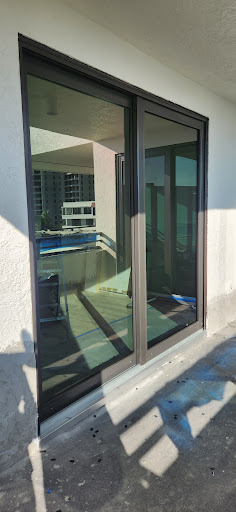
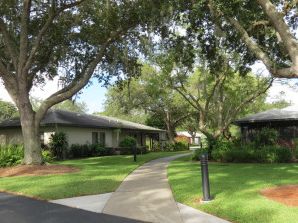
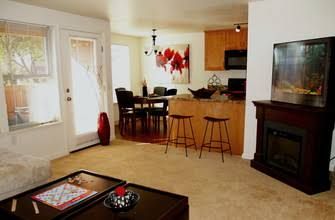
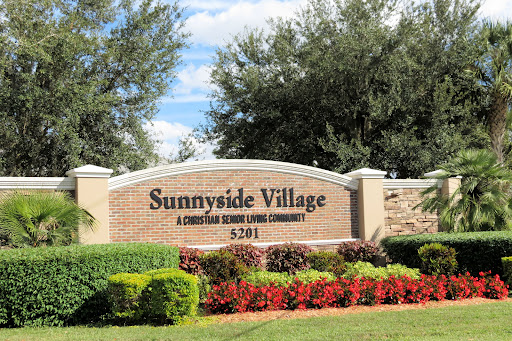
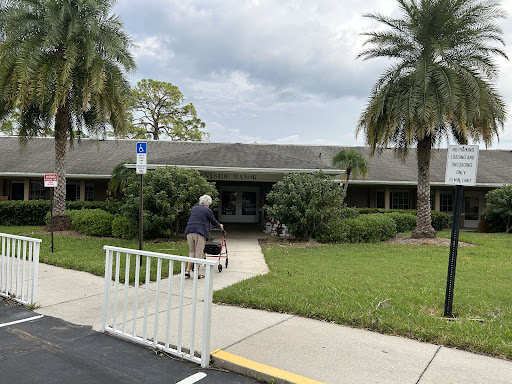
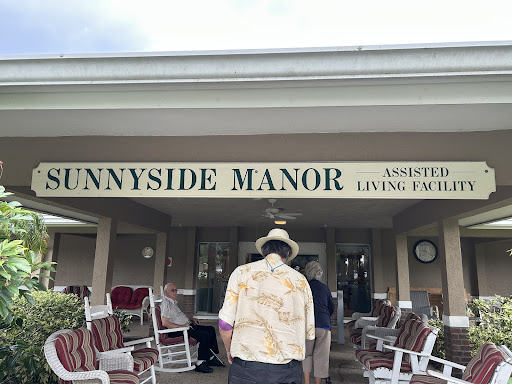
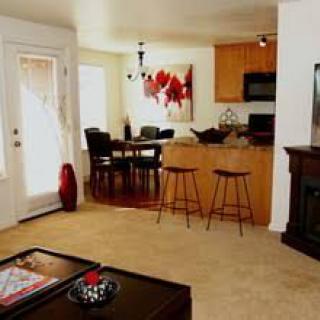
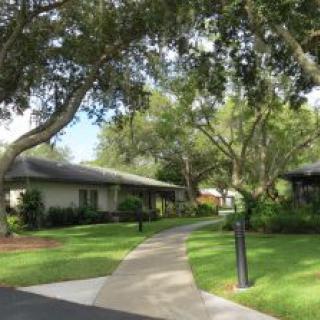
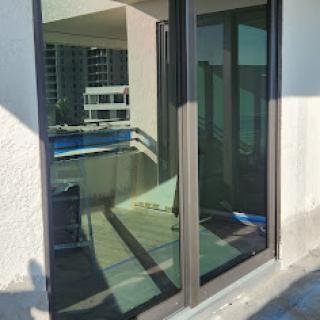
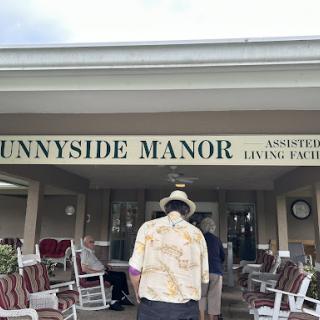
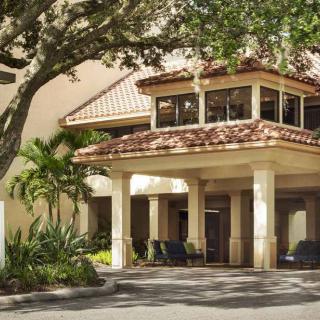
Sunnyside Village on seniors.fyi includes 6 photos including images showing landscaping, pathway, interior, decor, trees, garden, outdoor, building, and more.
Nearby Communities
Sunnyside Manor
Sarasota, FL
4.4 from 43 reviews
Wide care spectrum (independent to skilled nursing) with specialized diabetic/high-acuity care and engaging on-site activities.
Sunnyside Village Retirement
Sarasota, FL
5 from 1 review
Strong community with diverse amenities and a nurse liaison for accessible care.
Spring Grove Assisted Living Facility
Sarasota, FL
4.3 from 34 reviews
Comprehensive care with 24-hour supervision, ADL assistance, and medication management, plus on-site dining, housekeeping, and Wi-Fi.
Consulate Health Care Of Sarasota
Sarasota, FL
4.2 from 17 reviews
Clean, well-maintained facility with exceptional, attentive care.
Granny Nannies Home Health Care
Sarasota, FL
4.9 from 114 reviews
Adequate staffing with dedicated caregivers and reasonable pricing.
Shekinah Glory
Sarasota, FL
Spiritual-focused living with diabetes care and indoor social spaces
Aviva Senior Living
Sarasota, FL
4.1 from 106 reviews
$3,039 to $5,779 / month
Friendly staff, quality dining, and a varied activity calendar with multiple housing options.
American House Sarasota
Sarasota, FL
4.4 from 104 reviews
$4,500 to $5,535 / month
Spacious accommodations with chef-prepared meals and engaging activities in a pleasant setting.
Angels Senior Living at Sarasota
Sarasota, FL
4.5 from 44 reviews
$4,714 to $7,435 / month
Friendly, attentive staff with strong leadership in a modern, clean facility; locked-in rate option
Dementia encompasses a range of cognitive impairments characterized by types such as Alzheimer's and vascular dementia, and follows a seven-stage progression model known as the Global Deterioration Scale (GDS), highlighting varying symptoms and decline timelines. Early detection allows for lifestyle adjustments to potentially slow progression, while caregivers need support and resources to manage the challenges involved in caring for affected individuals.
The article presents eight strategies for preserving cognitive health and memory in older adults, emphasizing a nutrient-rich diet, regular exercise, intellectually stimulating activities, adequate sleep, social connections, stress management techniques, limiting harmful substances, and regular medical checkups to mitigate age-related memory decline.
Activities of Daily Living (ADLs) are fundamental tasks vital for an individual's independence, particularly in older adults over 85, and include functions like bathing and dressing; assessing ADLs alongside Instrumental Activities of Daily Living (IADLs) helps determine the level of required assistance due to age-related health challenges. Tailored support plans, involving family and community resources, are essential for maintaining dignity and autonomy in assisted living environments.
Get PricingAsk A QuestionSchedule A TourContact Senior Advisor
By clicking submit, you agree to our Partner's Terms of Use. You
also consent to receive calls and texts, which may be autodialed, from our Partner. Your consent is not a condition to
using our Partner's service. Please visit our Partner's Privacy Policy for information about their privacy practices.


 45 resident community capacity
 Assisted Living
 Continuing Care Retirement Community (CCRC)
 Independent Living
 Memory Care
 Skilled Nursing Facility
 Beauty salon
 Cable or satellite TV
 Fully furnished
 Garden
 Housekeeping services
 Kitchenette
 Move-in coordination
 Outdoor space
 Private bathrooms
 Wi-Fi/high-speed internet available
 Sarasota Bradenton International (7 miles away)
 Community operated transportation
 24-hour call system
 Activities of daily living assistance
 Assistance with bathing
 Assistance with dressing
 Assistance with transfers
 Diabetes diet
 Meal preparation and service
 Medication management
 Special dietary restrictions
 Fitness programs
 Wide care spectrum (independent to skilled nursing) with specialized diabetic/high-acuity care and engaging on-site activities.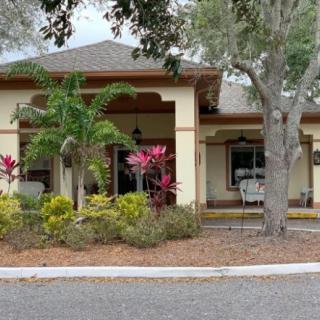


 Understanding Dementia Through Its Seven Stages: A Comprehensive Look at Progression and Expectations
 Safeguarding Your Memory Through the Golden Years: Eight Ways to Preserve Cognitive Health
 Comprehensive Insights into Activities of Daily Living (ADLs) and Their Assessment