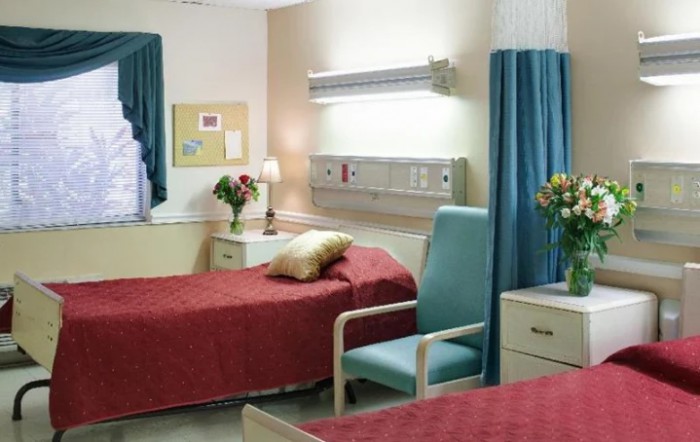
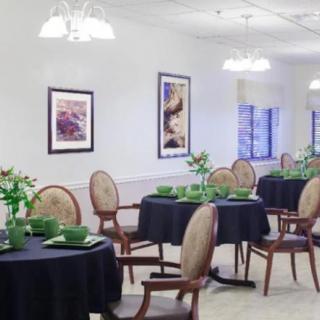
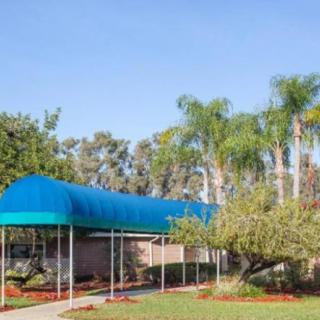


4602 Northgate Court, Sarasota, FL 34234
For more information about senior living options: (866) 208-4318
Overall Review of Springwood Center
Pros
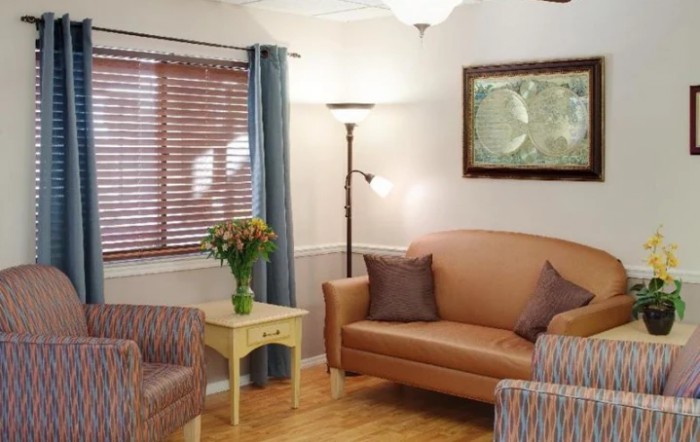
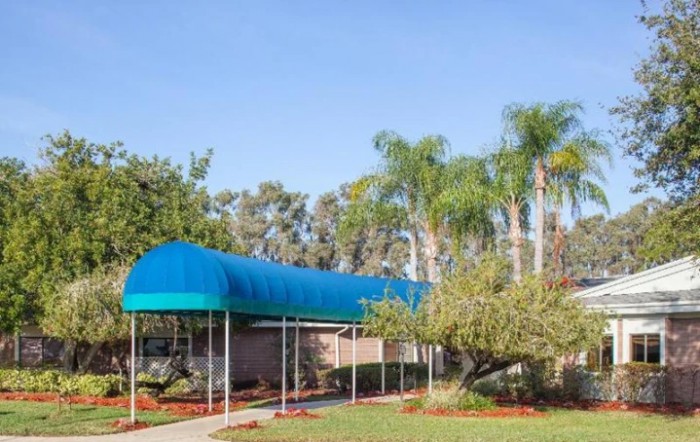
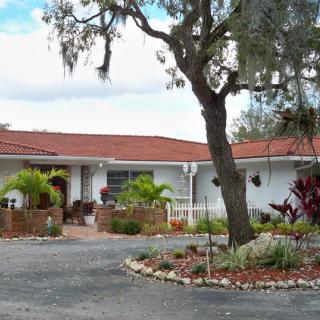
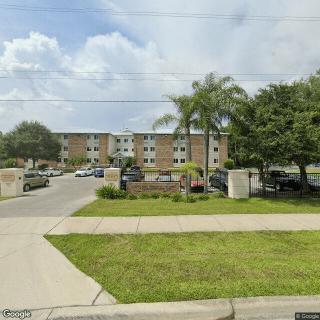
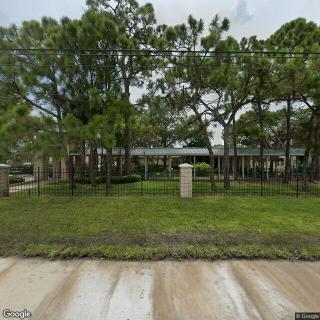
 Springwood is well kept with nice landscaping.
- The staff member who shows visitors around is very nice.
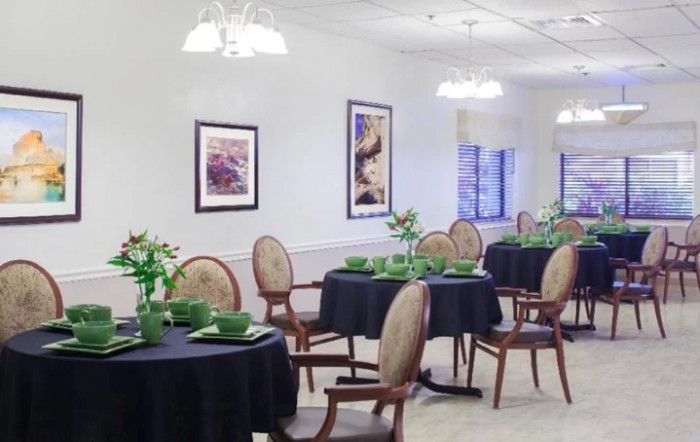
- The outdoor area, dining area, and activities are appealing.
- It seems like a good place for her mother, and it would be recommended to others.
- The amenities are wonderful.
- Transportation to surrounding activities is available seven days a week.
- Residents can watch cable and have internet in their rooms.
- The food offers a wide variety of choices with flexible meal times.
- The staff are friendly and provide reassuring care.
- The grandfather recovered quickly and remained in touch with his friends.
Cons
 He lost 30 pounds in their care.
- He had a stroke and his family wasn’t notified.
- He did not survive.
- People should not go near this place.
- The facility’s transportation was unreliable.
- A family member waited in the parking lot for five hours before the transport arrived.
- The patient was placed in the wrong chair.
- The family had to wait another hour for the correct van.
- The reviewer urged others to choose another rehab.
Review
Springwood Center in Sarasota is best suited for seniors who want an active, social, apartment-style living environment with substantive therapy options and reliable transportation to activities. The community rewards residents who enjoy well-kept grounds, accessible outdoor spaces, and a dining area with variety. It works well for families and residents who prize a welcoming staff, engaging activities, and the chance to stay connected to the wider community through organized outings. Those who need a high level of medical oversight, rapid crisis response, or consistently transparent, real-time family communication should approach with caution and seek alternatives.
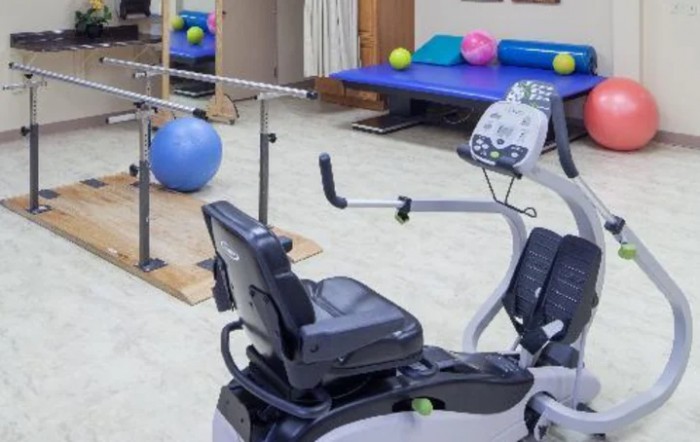
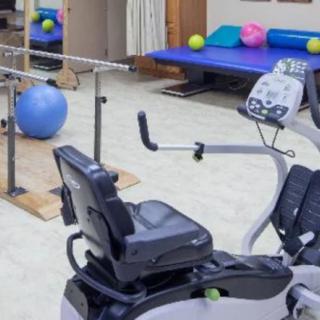
That caveat aside, potential residents who crave a robust amenity package will find undeniable value here. The center’s most consistently praised strengths are the breadth of services and the social fabric: transportation to local outings across the week, multiple therapy options, and a variety of meals with flexible dining times. Families repeatedly note the supportive manner of staff and the sense that residents are welcomed into a community where others are looking out for them. For someone recovering from surgery or illness, the ability to access therapy on-site and participate in a varied activity calendar can accelerate both morale and routine.
Yet the positive impression is not a universal shield against the facility’s vulnerabilities. One family endured a devastating failure to be notified after a loved one suffered a stroke, with a reported 30-pound weight loss during two months of care. That incident casts a long shadow over the overall quality of care and raises serious questions about medical communication, escalation procedures, and family involvement in critical health updates. It is a stark reminder that, even in well-kept settings, medical events demand prompt, transparent communication and visible accountability to loved ones.
Transportation and logistics emerge as another delta between praise and pain. A separate review highlights systemic issues with getting to and from medical appointments: a disabled veteran left waiting in the parking lot for hours, misalignment of equipment (the wrong chair), and repeated delays before the correct transport arrived. While the facility offers broad transportation to activities, these anecdotes reveal gaps in execution that jeopardize continuity of care and undermine family confidence. When reliable transport is essential to care planning and independence, such lapses cannot be treated as minor inconveniences.
In weighing strengths against the notable drawbacks, the decision hinges on prioritized needs. The center’s strengths, therapeutic options, activity breadth, social warmth, and convenient access to outings, create meaningful quality-of-life benefits for residents who are moderately independent and value daily engagement. Those benefits do not entirely offset the most troubling red flags: the potential for delayed or absent medical updates during emergencies and the risk of transport mismanagement. For families with residents who have complex medical needs, or for anyone who cannot tolerate episodic gaps in communication, Springwood Center may require supplemental safeguards or may not be the best fit.
When evaluating options, approach Springwood Center with a clear, structured plan. Request a direct conversation with the administrator and a dedicated family liaison to outline how medical information is shared, how emergencies are escalated, and who bears responsibility for transport coordination. Ask to review incident and notification protocols, discuss nutrition monitoring and weight changes, and observe a meal and therapy schedule in action. Verify staffing ratios for shifts that match the resident’s needs and insist on transparent, written policies governing outings, family updates, and what happens when transportation delays occur. With due diligence, families can determine whether the center’s social and therapeutic strengths align with the essential requirement of reliable, responsive care.
 21 resident community capacity
 Assisted Living
 Skilled Nursing Facility
 Beauty salon
 Cable or satellite TV
 Dining room
 Fully furnished
 Garden
 Housekeeping services
 Kitchenette
 Move-in coordination
 Outdoor space
 Telephone
 Wi-Fi/high-speed internet available
 Sarasota Bradenton International (2 miles away)
 24-hour call system
 Activities of daily living assistance
 Assistance with bathing
 Assistance with dressing
 Assistance with transfers
 Diabetes diet
 Meal preparation and service
 Medication management
 Mental wellness program
 Special dietary restrictions
 Transportation arrangement (medical)
 Transportation to doctors appointments

 Funding and Affording Assisted Living: A Thorough Overview
 Assisted Living Expenses and Long-Term Care Insurance: A Comprehensive Exploration
 Securing Financial Support for Assisted Living: A Comprehensive Overview