
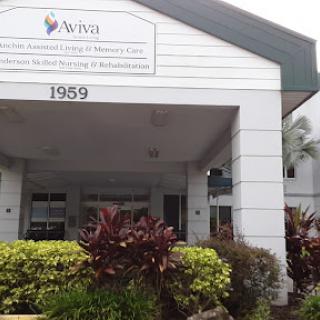
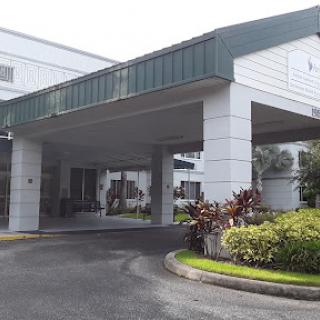
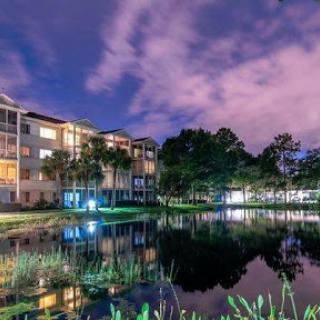


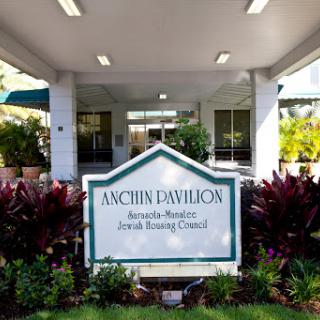
5413 Hayden Blvd, Sarasota, FL 34232
To contact a resident: (941) 228-2392
For more information about senior living options: (866) 208-4318
Adult Family Care Home Costs & Pricing
The costs associated with Adult Family Care Homes vary notably when compared to average expenses in Sarasota County and across Florida. For a semi-private room, residents can expect to pay approximately $1,800 per month at an Adult Family Care Home, which is significantly lower than the county's average of $3,456 and the statewide average of $3,009. This pricing structure offers a compelling option for families seeking affordable care solutions. In contrast, private rooms in these homes are priced at about $2,800 monthly, which still presents a more economical choice compared to the higher rates of $4,228 in Sarasota County and $3,699 across Florida. These disparities highlight the potential cost-effectiveness of Adult Family Care Homes for those in need of supportive living arrangements.
| Floor plans | Adult Family Care Home | Sarasota County | Florida |
|---|---|---|---|
| Semi-Private | $1,800 | $3,456 | $3,009 |
| Private | $2,800 | $4,228 | $3,699 |
Senior living communities with a similar price nearby
-
from +$95 / mo
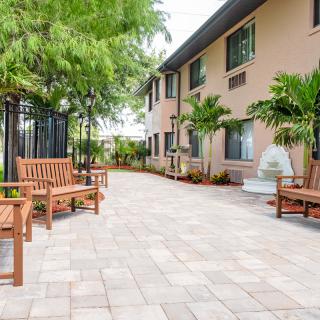
Grand Villa Of Englewood
$1,895 to $3,095 / month24.4 miles away -
from +$300 / mo
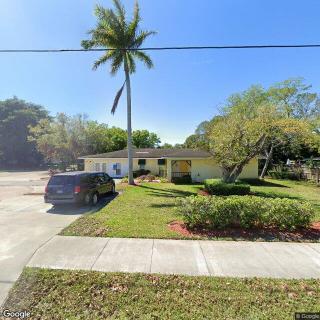
Bradenton Palms Assisted Living Facility
$2,100 to $4,500 / month17.8 miles away -
About the same
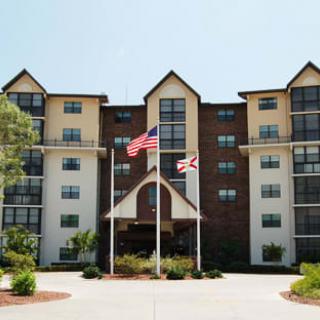
Freedom Village Bradenton, a CCRC
$1,778 to $4,488 / month16.2 miles away -
from +$344 / mo
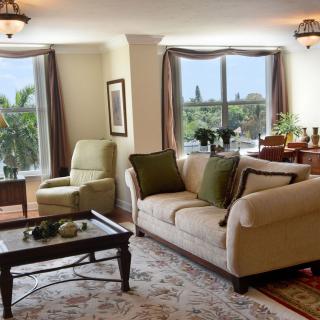
Westminster Point Pleasant
$2,144 to $2,556 / month15.4 miles away -
from +$225 / mo
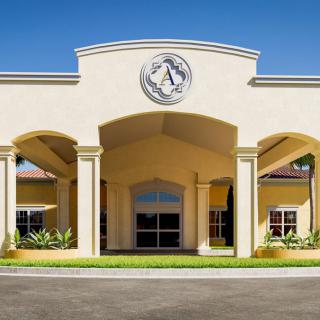
The Alloro at University Groves
$2,025 to $2,825 / month8.5 miles away
Overall Review of Adult Family Care Home
Pros
 The family and their loved one had a good experience with Adult Family Care Home.
- The owner works with the residents, showing hands-on involvement.
- The staff are very friendly and accommodating.
- They would recommend the community to others for their loved ones.
Review
Best suited for families seeking a warm, intimate, owner-led living option in Sarasota, Adult Family Care Home delivers a home-like alternative to larger campuses. It is clearly aimed at residents who thrive on high-touch, personal attention and direct interaction with leadership. The setting favors continuity of care: residents are known by name, decisions are made with a hands-on approach, and routines can bend to individual preferences. This is not a sterile, clinical environment; it’s a small-scale operation where the daily experience hinges on the owner’s direct involvement and the responsiveness of staff. For seniors who value predictable warmth and straightforward communication over formal programmatic depth, this community checks meaningful boxes.
Who should consider alternatives: those requiring robust, round-the-clock medical oversight, complex skilled nursing, or memory-care-specific programming may need more structure. Families prioritizing a wide range of on-site therapies, scheduled activities, and standardized care plans across shifts could find a larger, more resourced facility a better fit. If continuity of professional medical staffing is non-negotiable, look for communities with full-time on-site nurses, physician input, and formal care coordination that doesn’t rely on owner presence.
Pros are tangible and directly linked to practical outcomes. The owner works with residents and is frequently present with the partner, which translates into quick issue resolution, adaptable routines, and clear family communication. Staff are described as friendly and accommodating, which lowers resident stress and enhances day-to-day comfort. In a small home setting, this translates into meaningful, day-to-day responsiveness: dietary preferences honored, personal care adjusted to the moment, and a culture of listening. The upside is a cohesive care narrative in which families feel heard and residents feel understood, a significant advantage over impersonal, larger campuses.
Where caution is warranted, the main question becomes staffing depth and continuity. The model appears to hinge on owner presence, with occasional visits by the partner, which can raise questions about who coordinates care on days when leadership is less visible. That can mean variability in oversight or in the speed of response during off-hours. However, the pro of hands-on leadership still matters: a responsive operator can mobilize help quickly, mediate family concerns, and keep plans aligned with resident preferences. Family reach-out and direct-access communication channels can mitigate gaps, but it’s essential to confirm on-site staffing patterns, shift coverage, and emergency procedures before committing.
From a decision standpoint, this community shines for residents who want a tightly knit, homey atmosphere and are comfortable with a lighter clinical footprint. For guardians prioritizing predictable nursing presence or expansive activity calendars, alternatives will likely feel more reliable. Pros like personalized care and family-friendly leadership offset some limitations, but for those with complex medical needs or strict schedules, a larger, professionally staffed facility remains a sensible comparison.
Practical next steps involve a focused visit: observe interaction between residents and staff, ask who is on-site daily, confirm care plans and medication management, and review emergency protocols. In Sarasota, the choice is between a highly personalized, owner-led experience and a more structured, resource-rich setting. For families who value quick communication, flexible care, and a trusted, hands-on owner, this community warrants careful consideration. If that alignment isn’t present, explore alternatives with stronger clinical staffing and broader program options to ensure resident safety and sustained engagement.
 Board and Care Home
 Day Program
 Cats allowed
 Dogs allowed
 Bath tubs
 Devotional services off-site
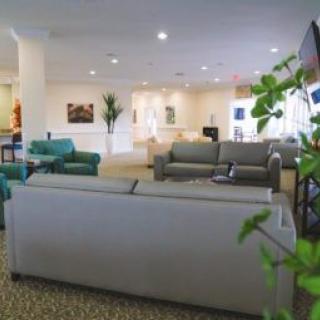
 Indoor common areas
 Outdoor common areas
 Private
 Private bathrooms
 Respite or short term stays offered
 Sarasota Bradenton International (9 miles away)
 Ambulatory care
 High acuity care
 Incontinence care
 Medication management
 Meals provided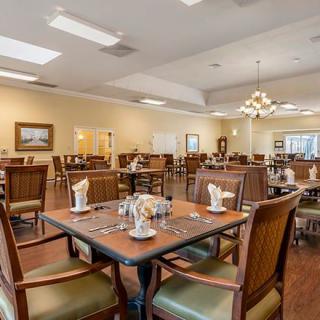

 Top Cars for Senior Drivers and Essential Safety Innovations
 A Closer Look at Private Pay Home Care
 Comprehensive Approaches for Arthritis: A Detailed Guide to Symptoms, Causes, and Care