

2340 Celery Ave, Sanford, FL 32771
To contact a resident: (407) 330-9318
For more information about senior living options: (866) 208-4318
Overall Review of The Family of Friends, Inc
Cons
 The facility is described as the nastiest, most unsafe home they've ever lived in.
- There are numerous holes in the walls and deterioration, with mold in the ballroom corners and on the roof.
- Loose fixtures are coming out of the roof, and mold and water damage are growing rapidly due to weather.
- They do not provide the kids with enough food; when food is provided, it’s locked in a garage and staff lack the key, leaving kids to drink dirty tap water and starve until a higher-cleared staff arrives.
- They do not supply adequate toiletries and do not aid kids of color.
- When kids voice issues, they are ignored to benefit the organization’s economic value, not the kids’ well-being.
- There have been no inspections this year and none since moving in; WiFi is unavailable and after-school transport is unreliable.
- The group home is dirty, the staff are rude, the kids feel unsafe, bosses never show up, it feels underfunded, and there is never enough food.
- A youth experienced neck pain and staff refused to take them to the hospital, saying it would go away.
Review
This Sanford group home is not a safe harbor for families seeking dependable, dignified care. It is best suited for crisis scenarios where cost containment and lack of alternatives dominate the decision, and where safety and well-being are secondary considerations. The reviews depict a setting with chronic maintenance failure, unsafe conditions, and limited accountability. Holes in walls, mold in corners, and roof leaks create an environment that invites injury and health risk rather than stability. There are also credible reports of inconsistent nourishment, with food shortages and even storage of meals in a garage, paired with unreliable access to clean water when appliances break. In short, this placement is a last-resort option, not a foundation for reliable, long-term care.
Explicitly, families should consider alternatives immediately if safety, cleanliness, and prompt, respectful care matter. This site should be avoided by anyone who expects reliable food service, hygienic supplies, and access to medical attention without delays. Look for licensed facilities or group homes with transparent inspection records, clear escalation channels, and staff who are consistently present and trained for emergencies. If cost pressures are driving the choice, still prioritize facilities that demonstrate compliance histories, credible resident feedback, and formal policies on how concerns are addressed. The goal is a living environment where residents feel secure, heard, and supported, not one where reports of neglect go unaddressed or routine needs are ignored.
Pros, if any, are negligible enough to be dismissed against the weight of the cons. The idea of structured supervision and staffed support exists in theory, but it fails in practice here, given widespread reports of rude behavior, indifference to requests, and a culture of underfunding. No meaningful benefit appears to offset hazards like unsafe infrastructure, food insecurity, and the denial of basic hygiene supplies or medical care. In practical terms, any potential upside is erased by the reality that residents are not protected from harm, and that leadership appears disengaged from day-to-day welfare. This makes the facility untenable for anyone who values safety and dignity.
Concerning safety and quality, the cons are concrete and systemic. Structural neglect is evident: walls with holes, mold in corners, and loose fixtures coming loose from ceilings or walls. Roof leaks compound water damage, creating damp, unhealthy environments. Food and nutrition are unreliable, with instances of insufficient weekly meals and, troublingly, food stored in the garage, forcing residents to endure hunger or inconsistent portions. Basic hygiene supplies are scarce, and toiletries are not consistently provided. Reports of staff shouting, dismissing concerns, and failing to assist children in pain paint a picture of a hostile, unwelcoming daily life. When residents seek medical help or transportation for appointments, refusals or delays are common. Leadership and oversight appear absent, and concerns about budget and understaffing permeate daily operations.
To navigate toward safer options, families should demand verified licensing and up-to-date inspection histories, and insist on detailed tours with current residents. Require clear policies on meals, emergency medical transport, medication administration, and after-hours coverage. Verify staff-to-resident ratios, crisis intervention training, and the accessibility of hospital services. Request sample care plans and incident logs, along with direct contacts for escalation when care breaks down. Contact the state licensing agency to review violations and corrective actions, and ask about recent compliance problems and how they were resolved. For families evaluating among assisted living options for adults, prioritize facilities with demonstrated cleanliness, timely meal service, respectful treatment, reliable transportation for emergencies, and transparent reporting.
Final verdict: avoid this facility unless no other viable option exists and cost is the overriding constraint. The combination of unsafe infrastructure, neglectful care, and chronic underfunding creates real risk to residents’ health and safety. Pursue alternatives with proven safety records, clean and well-maintained environments, and accountable leadership. Before any commitment, perform rigorous due diligence: schedule on-site visits, review inspection reports, speak with multiple residents or alumni, and verify transfer processes if concerns arise. In practice, the focus should be safeguarding well-being through licensed, adequately staffed environments that deliver consistent nourishment, prompt medical attention, and respectful treatment. When choosing among assisted living options, let safety, reliability, and transparency dictate the decision, not cost alone.
 Board and Care Home
 Small, family-style setting with personalized care; includes ADL help, medication management, diabetes diet, and move-in coordination.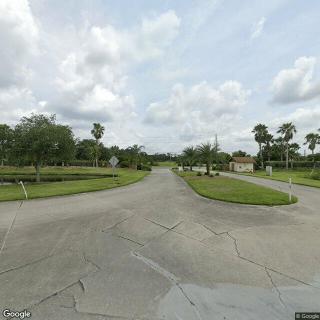



 8 Essential Assistive Devices for Older Adults
 Navigating the Financial Road to Nursing Home Care: In-Depth Guidance and Resources
 Supportive Employee Benefits That Help Caregivers Attain Better Work-Life Harmony