For more information about senior living options: (866) 208-4318
4.5 from 120 reviews
5 stars
101
4 stars
3
3 stars
3
2 stars
2
1 stars
11
St Anthony's Hosp Hm Hlth Care Costs & Pricing
St. Anthony's Hospital Home Health Care offers competitive pricing for its residential options compared to the broader market in Pinellas County and across Florida. For a studio apartment, residents can expect to pay $3,395 per month, which is slightly lower than the county average of $3,598 and the state average of $3,823. The 1-bedroom units are priced at $4,795, notably higher than both the county's median of $3,638 and Florida's average of $3,864. In terms of private accommodations, St. Anthony's charges $6,195 - significantly above the county cost of $3,602 and the statewide rate of $3,699. This pricing structure reflects not only the quality of care provided but also the amenities likely associated with living at St. Anthony's facility. While some costs exceed local averages for more extensive living arrangements, they may be indicative of enhanced services or features that ensure a comprehensive healthcare experience alongside comfortable living conditions.
Floor plans
St Anthony's Hosp Hm Hlth Care
Pinellas County
Florida
Studio
$3,395
$3,598
$3,823
1 Bedroom
$4,795
$3,638
$3,864
Private
$6,195
$3,602
$3,699
Senior living communities with a similar price nearby
from -$395 / mo
Mary's Assisted Living Facility House
5 from 12 reviews
$3,000 / month
23.6 miles away
About the same
A Care Connection - Tampa, FL
5 from 10 reviews
$3,435 to $3,450 / month
15.6 miles away
from +$445 / mo
Arbor Terrace Citrus Park Independent Living
4.9 from 20 reviews
$3,840 to $4,440 / month
21.0 miles away
from -$300 / mo
Homewood At Sun City Center
4.6 from 19 reviews
$3,095 to $6,500 / month
17.6 miles away
from +$305 / mo
The Meridian at Brandon
4.8 from 56 reviews
$3,700 to $5,900 / month
20.5 miles away
Overall Review of St Anthony's Hosp Hm Hlth Care
common35 reviews mention this
Caring, professional staff stands out
Residents and families repeatedly describe staff as kind, attentive, and professional.
Many reviewers praise the hospital staff—doctors, nurses, and other team members—for being compassionate, respectful, and focused on patient comfort. Several also mention that teams feel coordinated, with help offered from the ER through later care. A few reviews are critical of specific individuals or overall experience, but the majority of comments emphasize strong bedside care and professionalism.
common6 reviews mention this
Facility cleanliness and comfort
Multiple reviewers note a clean, modern facility and comfortable patient areas.
Several reviews describe the hospital as clean and updated, including patient areas and the waiting room. Others mention feeling comfortable during overnight stays or recovery, with staff support contributing to that sense of ease. One or two negative reviews focus on care outcomes rather than the cleanliness itself.
common6 reviews mention this
Fast ER registration and flow
Reviewers frequently describe a smooth, timely ER process.
A recurring positive theme is that the ER process moves quickly—registration, triage, assessment, and testing happen promptly for some reviewers. Others specifically mention short waits or being taken by ambulance and assessed and released efficiently. The main counterpoint is that a few visits felt poorly managed, especially around discharge or follow-through, even when initial steps were described as handled quickly.
caveat7 reviews mention this
Communication is sometimes hit or miss
Some reviewers report gaps in communication, including discharge and updates.
Several reviews praise clear communication and being kept informed, especially during stressful visits or procedures. At the same time, a handful of comments describe feeling uninformed, rushed, or not properly updated during their stay. Discharge processes are also called out in a few reviews as confusing or incomplete, which affected the overall experience.
caveat4 reviews mention this
Recovery support varies by unit
Post-procedure recovery experiences vary, with some praising therapy and others reporting problems.
Some reviewers highlight strong post-surgery support, including nurses, recovery teams, and therapy that helped them get up, walk, and manage pain. Others criticize physical therapy, nursing support, or the overall quality of care during longer stays, including claims of missed needs. These mixed accounts suggest results depend heavily on the specific situation and care team involved.
How we summarize
Counts show how many written reviews mention each theme; a review can touch several themes, and only frequently mentioned themes are displayed.
Features
Transportation
St. Petersburg-Clearwater International (10 miles away)
Tampa International (15 miles away)
Nearby Places of Interest
Physicians
Suncoast Medical Clinic (0.1 miles)
Allergy/Immunology (0.1 miles)
BayCare Behavioral Health - St. Anthony's Primary Care (0.2 miles)
Bay Area Heart Center (0.3 miles)
Price Hoffman Stone & Associates: Goodrum Aaron MD (0.9 miles)
Northeast Family Practice (1.1 miles)
Central Neurology Sleep Disorders Center (1.1 miles)
Hospitals
St Anthony's Hospital (0.2 miles)
All Children's Hospital (1 miles)
Bayfront Health St. Petersburg (1 miles)
All Children's Obgyn Specialists (4.2 miles)
Pharmacies
Walgreens (0.2 miles)
CVS Pharmacy (0.6 miles)
CVS Pharmacy (0.9 miles)
Winn-Dixie (1.7 miles)
Octapharma Plasma (2 miles)
CVS Pharmacy (2 miles)
CVS Pharmacy (2.1 miles)
Restaurants
Green Bench Brewing Company (0.5 miles)
Hawkers Asian Street Fare (0.5 miles)
Byte Federal Bitcoin ATM (Ferg's Sports Bar & Grill) (0.6 miles)
St. Anthony's Hospital Home Health Care offers competitive pricing for its residential options compared to the broader market in Pinellas County and across Florida. For a studio apartment, residents can expect to pay $3,395 per month, which is slightly lower than the county average of $3,598 and the state average of $3,823. The 1-bedroom units are priced at $4,795, notably higher than both the county's median of $3,638 and Florida's average of $3,864. In terms of private accommodations, St. Anthony's charges $6,195 - significantly above the county cost of $3,602 and the statewide rate of $3,699. This pricing structure reflects not only the quality of care provided but also the amenities likely associated with living at St. Anthony's facility. While some costs exceed local averages for more extensive living arrangements, they may be indicative of enhanced services or features that ensure a comprehensive healthcare experience alongside comfortable living conditions.
Older adults with urinary tract infections (UTIs) often present atypical symptoms, complicating diagnosis due to factors like incomplete bladder emptying and chronic health conditions that increase their susceptibility. Effective management involves prompt treatment with antibiotics, hydration, and preventive strategies while minimizing antibiotic resistance and focusing on holistic care approaches.
California's Form 602A is a vital tool for evaluating the health needs of seniors seeking residential care, detailing their medical conditions and daily living requirements to ensure proper service alignment. This standardized form enhances communication among physicians, families, and facilities, serving as a regulatory measure for admissions and ongoing care while adapting to changing healthcare practices.
The overview of blood pressure management for seniors emphasizes the importance of monitoring and interpreting blood pressure readings, noting that normal ranges can vary due to age-related factors and individual health conditions. It highlights tailored guidelines for systolic and diastolic levels, the necessity of early detection and consistent management to prevent serious health complications, and advocates for personalized care strategies that incorporate lifestyle changes and medication adherence.
Get PricingAsk A QuestionSchedule A TourContact Senior Advisor
By clicking submit, you agree to our Partner's Terms of Use. You
also consent to receive calls and texts, which may be autodialed, from our Partner. Your consent is not a condition to
using our Partner's service. Please visit our Partner's Privacy Policy for information about their privacy practices.


 St. Petersburg-Clearwater International (10 miles away)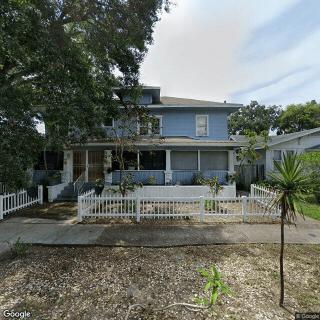
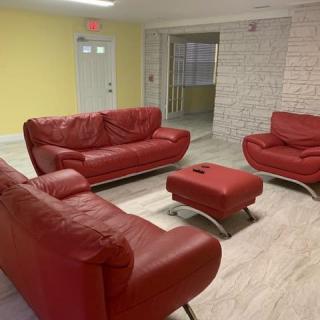
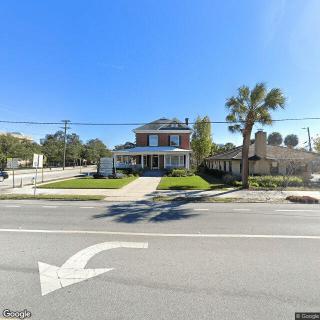
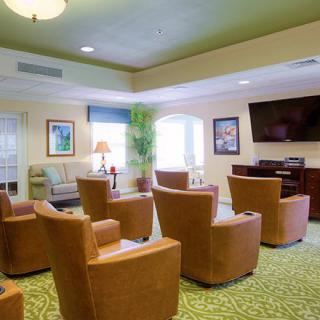
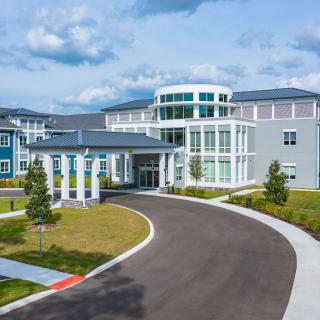
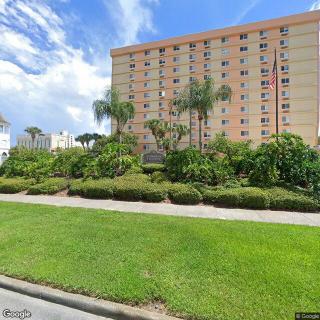
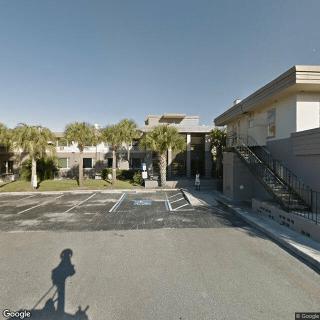
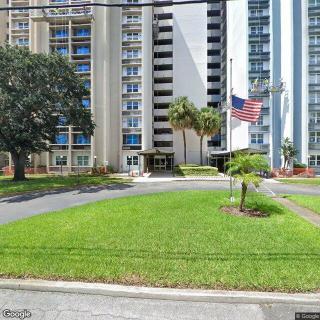
 Vibrant assisted-living community in a convenient, amenity-rich area (cafes, parks, hospitals, dining, theaters).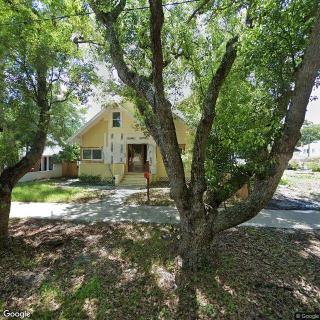


 Urinary Tract Infections in Older Adults: Comprehensive Insights on Symptoms, Treatment, and Prevention
 California's Form 602A: An In-Depth Examination of Senior Care Assessment
 Comprehensive Look at Senior Blood Pressure Charts: Normal and Elevated Levels by Age