
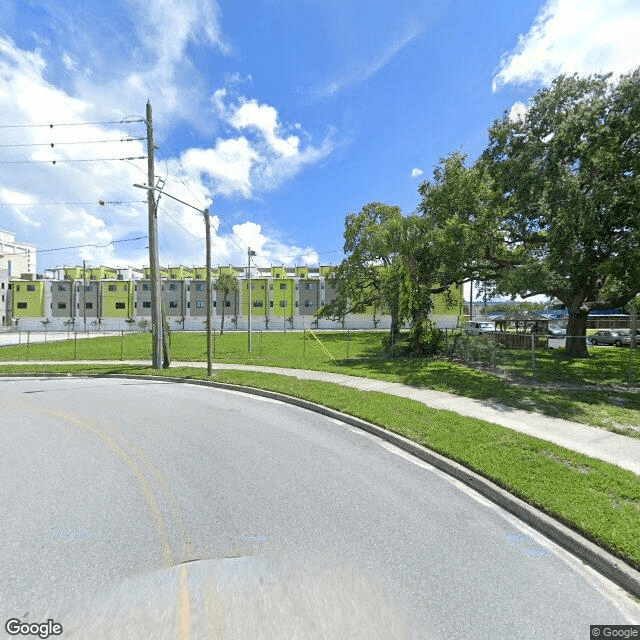
1051 2nd Ave N, St. Petersburg, FL 33705
To contact a resident: (727) 894-0368
For more information about senior living options: (866) 208-4318
Overall Review of Presbyterian Homes & Housing
Pros
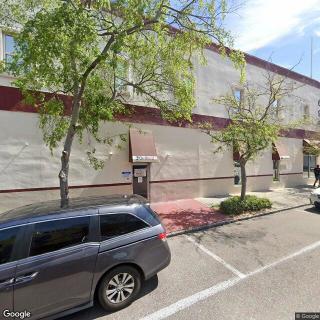
 Presbyterian Towers is an affordable and beautiful place to live.
- There are activities to choose from, social gatherings, and the people are wonderful.
Cons
 They were absolutely disgusted by the staff's poor and inhumane treatment of their family members when they were residents there.
- The place should be shut down.
- There are too many rules.
Review
This community is best suited for budget-conscious seniors who want an engaging, active independent-living experience in St. Petersburg. Presbyterian Towers, part of Presbyterian Homes & Housing, offers an attractive campus with a built-in social fabric and affordability. The environment supports daily activity through a broad calendar of events, and residents describe the people as wonderful. It is a practical fit for someone who values a vibrant, community-focused setting without paying luxury-level prices. For families prioritizing cost, location, and ongoing social life, this option rises to the top of the shortlist. Value-informed living is the core appeal here.
Those who should consider alternatives are residents with acute care needs or those who demand consistently high-touch oversight. A significant red flag appears in a review describing extremely poor, inhumane treatment by staff, an account that cannot be dismissed and should trigger careful verification before committing. Another potential drawback is the culture of rules that some residents find overly restrictive. For seniors who require flexible policies, easier access to assistance, or a less regimented daily rhythm, exploring other communities with looser rules or stronger caregiving infrastructure may be prudent. In short, this option suits independent seniors who can tolerate occasional administrative rigidity while seeking affordability.
On the upside, the major advantages revolve around cost, aesthetics, and social vitality. The price is right, enabling longer independence without sacrificing quality of life, and the setting is described as beautiful. The activity slate, from classes to gatherings, provides ongoing engagement and reduces isolation, while the resident community is characterized by kindness and camaraderie. For active, socially inclined seniors who prize routine and enrichment opportunities, these elements deliver real value that can offset leaner healthcare options inside a pure independent-living framework. The combination of affordability and social infrastructure often translates into a livable, even preferable, alternative to more expensive peers.
Yet the downsides cannot be ignored. The most severe concern centers on a single account of staff mistreatment, which casts a long shadow over everyday operations. Even if other residents report positive experiences, the existence of such allegations warrants serious scrutiny, family decision-makers should demand transparent staff qualifications, robust complaint-handling processes, and visible oversight. The rule-heavy environment also emerges as a friction point: many residents feel constrained by policies that feel restrictive. Combined, these factors create a tension between comfort and safety, with the specter of inconsistent care quality that must be addressed before placing long-term reliance on the community.
How the pros offset the cons depends on individual priorities. For someone who values affordability and an active social life, the positive experiences around friendliness, meaningful activities, and a welcoming resident culture can, in many cases, outweigh the burdens of a rules-based environment. However, the risk signal from the severe staff-issue review means due diligence is non-negotiable. Before moving in, prospective residents should tour with a critical eye, speak to several residents about daily care and responsiveness, review safety and incident-handling policies, and verify staffing ratios. If those checks satisfy, Presbyterian Towers becomes a compelling blend of value and community; if they do not, alternatives with stronger staff accountability deserve close consideration.
Decision guidance is clear: prioritize a lively, affordable living situation if the top criteria are cost, social connectivity, and an attractive setting, and proceed only after thorough vetting of staff culture and safety practices. The community has clear strengths in affordability, aesthetics, and programming, which align well with independent-living goals. Yet the potential for poor treatment allegations and the perception of overbearing rules mean that alternatives, ranging from other affordable independent-living options to communities with more flexible policies or better-governed staff, should be compared side by side. In the final analysis, Presbyterian Towers is a strong contender for the right resident, but not for every situation, especially where caregiving quality and staff reliability cannot be assured.
 Board and Care Home
 St. Petersburg-Clearwater International (10 miles away)


 Comprehensive Look at Senior Blood Pressure Charts: Normal and Elevated Levels by Age
 Top Canine Companions for Older Adults
 Comprehensive Guide to Blood Pressure Charts for Older Adults: Understanding Normal and High Readings by Age