Residents and families repeatedly describe the facility as exceptionally clean.
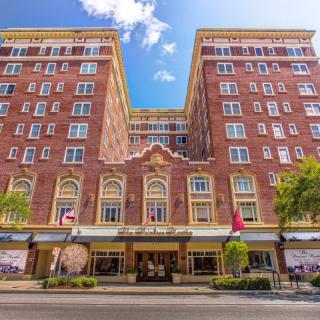
Multiple reviewers emphasize how immaculate the building is and note there were no lingering odors or cluttered hallways. Several also describe it as clean, well maintained, and spacious enough to feel comfortable. Even reviewers who had major complaints about food or operations still acknowledge the property cleanliness.
differentiator5 reviews mention this
Grounds and indoor spaces
The waterfront grounds and well-kept common areas are a frequent point of praise.
Reviewers describe the grounds as beautiful, including waterfront views and maintained outdoor areas for walking or being outside. Others mention a large, impressive interior with lots of room to move around and common spaces for activities. A reviewer also highlights a welcoming atmosphere during tours and visits, tying the setting to the overall experience.
caveat6 reviews mention this
Dining quality gets mixed
Dining is a consistent discussion, ranging from excellent meals to serious complaints.
Some residents and families say meals are balanced, well prepared, and professionally handled, including room service. Others report problems with food quality, going as far as saying it was awful and that they brought food in. There are also mentions that dietary needs are accommodated, which may help explain why dining experiences vary by person.
common7 reviews mention this
Activities keep residents engaged
Residents’ days are described as busy with on-site and scheduled activities.
Reviewers repeatedly mention scheduled daily activities, games, and fitness options, along with religious services and Bible study. Several describe dedicated spaces for hobbies like arts and crafts, painting, and crosswords, plus outings and community-sponsored events. Even in reviews where other aspects fell short, activities are still described as “pretty good” or part of what makes the experience feel active.
caveat4 reviews mention this
Care and communication vary
Care experiences are mixed, with praise for responsiveness and concerns about staffing and follow-through.
Positive reviews describe experienced, compassionate on-site caregivers and communication that kept family members informed about conditions and day-to-day updates. At the same time, other reviews raise concerns about nursing operations, including missed needs and breakdowns in communication between nursing staff and with doctor appointments. One review also flags limits for people with cognitive problems and points to staffing turnover and reliance on temporary staff.
caveat2 reviews mention this
Room size can feel limiting
Some residents describe the available rooms as smaller than expected.
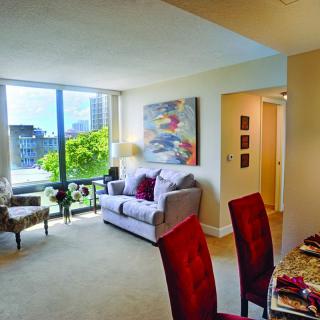
Two reviewers say room size can be limiting, including one comparing it to a college dorm setup. Another notes that rooms are smaller than newer, “fancy” options while still giving enough space for basic furniture. This appears to be a tradeoff compared with the overall cleanliness and activity spaces.
How we summarize
Counts show how many written reviews mention each theme; a review can touch several themes, and only frequently mentioned themes are displayed.
Features
Housing
102 resident community capacity
1-bedroom apartments
2-bedroom apartments
Types of Care
Assisted Living
Independent Living
Respite Care
Skilled Nursing Facility
Amenities
Activities on-site
Air-conditioning
Beautician on-site
Beauty salon
Cable or satellite TV
Computer center
Devotional services off-site
Dining room
Financial aid
Financing advice
Fitness room
Full kitchen
Fully furnished
Gaming room
Garden
General store
Guasts at mealtime
Hiking trails
Home sale assistance
Housekeeping services
Indoor common areas
Kitchenette
Laundry
Move-in coordination
Outdoor space
Party space
Private bathrooms
Restaurant-style dining
Small library
TV room
Telephone
VA Benefits Consultation
Wellness center
Wi-Fi/high-speed internet available
Transportation
St. Petersburg-Clearwater International (8 miles away)
Tampa International (13 miles away)
Community operated transportation
Transportation & parking
Transportation arrangement
Transportation arrangement (non-medical)
Transportation to doctors appointments
Care Services
12-16 hour nursing
24-hour call system
24-hour supervision
Activities of daily living assistance
Ambulatory care
Assistance with bathing
Assistance with dressing
Assistance with transfers
Diabetes diet
Diabetic care
Meal preparation and service
Medication management
Mental wellness program
Physical therapy
Special dietary restrictions
Dining
Diabetes diet
Meals provided
Room service
Special dietary restrictions
Activities
Activities off-site
Activities on-site
Arts and crafts
Community-sponsored activities
Concierge services
Devotional activities offsite
Fitness programs
Games
Gardening club
Live musical performances
Planned day trips
Religious services
Resident-run activities
Scheduled daily activities
Yoga / chair yoga
Languages Spoken
English
Spanish
Nearby Places of Interest
Pharmacies
CVS Pharmacy (0.3 miles)
Walgreens (0.4 miles)
Winn-Dixie (0.8 miles)
CVS Pharmacy (1.4 miles)
CVS Pharmacy (1.5 miles)
Walgreens (1.6 miles)
Walgreens (1.7 miles)
Restaurants
El Cap Restaurant (0.4 miles)
Hooters (0.6 miles)
Chick-Fil-A (0.7 miles)
Grand Hacienda (1.3 miles)
Tijuana Flats (1.4 miles)
BellaBrava (2 miles)
Cassis American Brasserie (2 miles)
Cafes
Panera Bread (0.9 miles)
Starbucks (1.5 miles)
Kahwa Coffee (1.7 miles)
Mazzaro's Italian Market (2.6 miles)
Bula Kafe (2.7 miles)
Kristina's Cafe (2.9 miles)
Bandit Coffee Co. (3.1 miles)
Physicians
All Florida Orthopaedic Associates (0.9 miles)
Updegraff Laser Vision (1.4 miles)
Northeast Family Practice (1.6 miles)
Bay Area Heart Center (1.9 miles)
BayCare Behavioral Health - St. Anthony's Primary Care (1.9 miles)
Assisted living in 2025 offers a crucial balance of independence and support for seniors, with costs varying from $2,500 to over $7,000 per month based on factors such as location and care level. Understanding pricing complexities, including regional differences and potential hidden fees, is essential for families to plan financially while ensuring quality care for their loved ones.
The guide outlines the complexities of Medicaid coverage for assisted living, highlighting significant state-to-state variations, limited coverage often restricted to personal care services, and the existence of specialized waivers for certain needs like memory care. It advises families to consult local Medicaid offices for options while emphasizing the importance of understanding state-specific regulations and facility policies.
Medicaid coverage for assisted living varies by state and is primarily available to low-income individuals, with eligibility dependent on strict income and asset limits. Some states offer HCBS waivers for specific services in assisted living, but families must generally cover room and board costs, and should verify facility acceptance of Medicaid while considering potential waiting lists.
Get PricingAsk A QuestionSchedule A TourContact Senior Advisor
By clicking submit, you agree to our Partner's Terms of Use. You
also consent to receive calls and texts, which may be autodialed, from our Partner. Your consent is not a condition to
using our Partner's service. Please visit our Partner's Privacy Policy for information about their privacy practices.

 102 resident community capacity
 1-bedroom apartments
 Assisted Living
 Independent Living
 Respite Care
 Skilled Nursing Facility
 Activities on-site
 Air-conditioning
 Beautician on-site
 Cable or satellite TV
 Computer center
 Devotional services off-site
 Dining room
 Financial aid
 Fitness room
 Full kitchen
 Fully furnished
 Gaming room
 Garden
 General store
 Hiking trails
 Housekeeping services
 Indoor common areas
 Laundry
 Move-in coordination
 Outdoor space
 Party space
 Private bathrooms
 Restaurant-style dining
 Small library
 Telephone
 Wellness center
 Wi-Fi/high-speed internet available
 St. Petersburg-Clearwater International (8 miles away)
 Community operated transportation
 12-16 hour nursing
 24-hour call system
 Ambulatory care
 Assistance with bathing
 Assistance with dressing
 Assistance with transfers
 Diabetes diet
 Diabetic care
 Medication management
 Mental wellness program
 Physical therapy
 Special dietary restrictions
 Arts and crafts
 Concierge services
 Games
Games Live musical performances
 Planned day trips
 English
 24/7 staff with comprehensive care (assisted living and respite) and restaurant-style dining.

 Understanding the True Cost of Assisted Living in 2025: A Comprehensive Guide
 Understanding Medicaid Coverage for Assisted Living: A Comprehensive Guide
 How and When Medicaid May Cover Assisted Living Costs