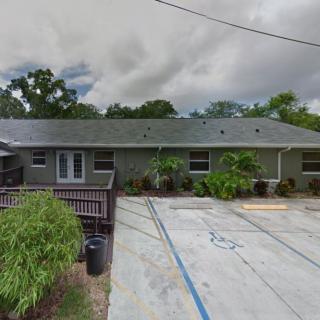
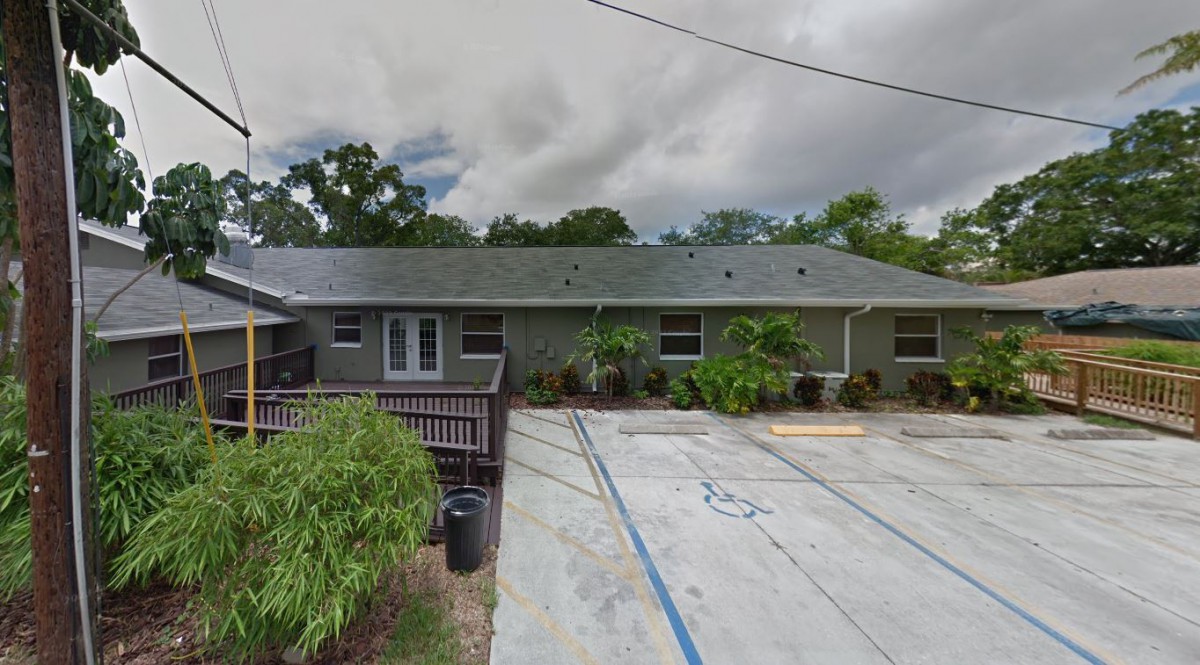
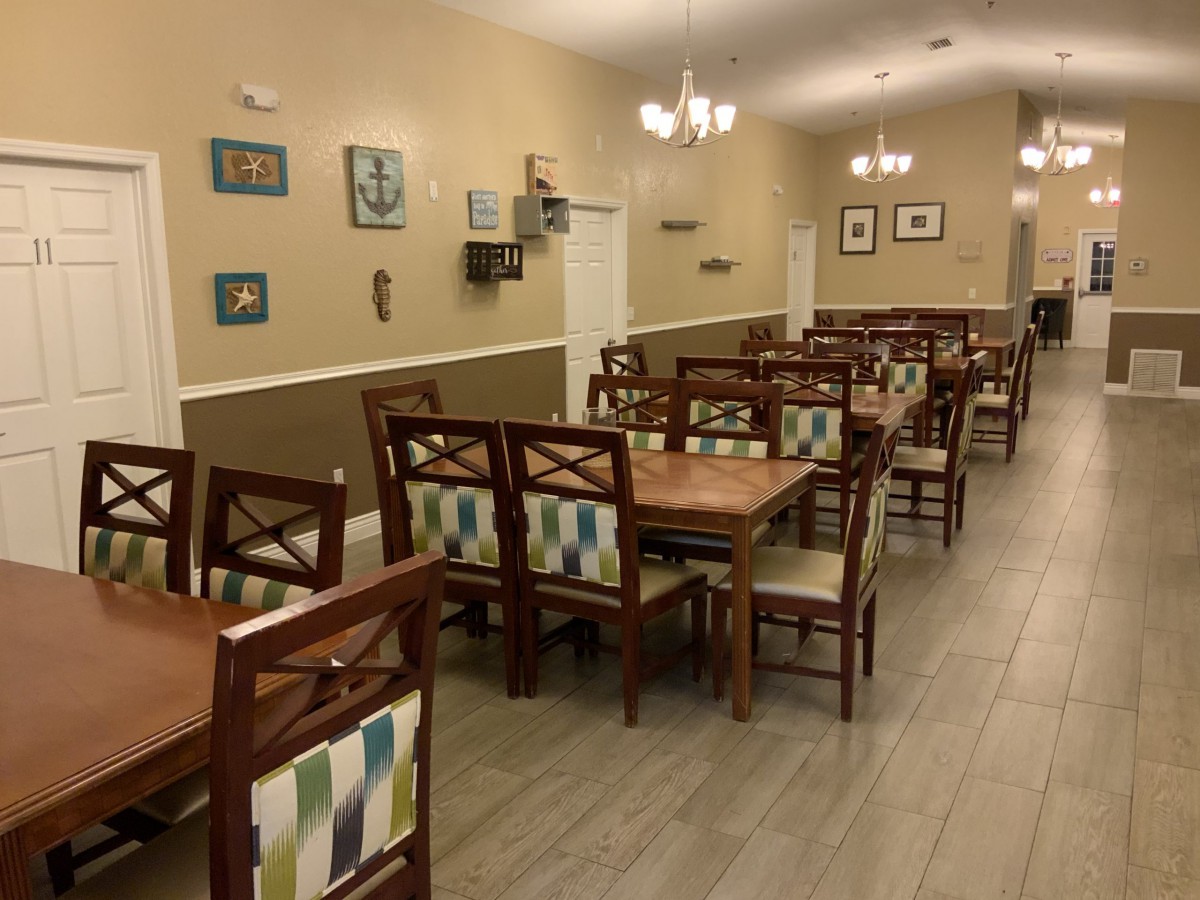
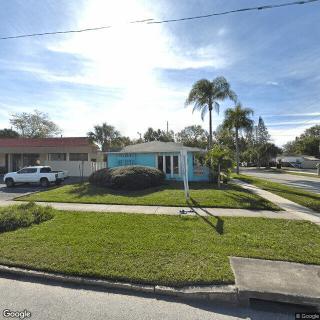
601 49th Street N., St. Petersburg, FL 33710
For more information about senior living options: (866) 208-4318
Overall Review of Kona Gardens
Pros
 The place is nice.
- The facility is clean and is run by a great team.
Cons
 The place is terrible; it gets rid of good workers and keeps lazy ones and can’t get medicine right; people should stay away.
- People should run from this place.
- The facility hires illegal immigrants and pays them under the table.
- This place is horrible; it gets rid of great help and keeps the lazy, serves cold meals every night, and messes up medications; the night shift falls asleep.
Review
Kona Gardens in St. Petersburg is best suited for families seeking a clean, orderly environment where daily living support is possible, and where the emphasis is on comfort and basic routine rather than intensive clinical care. The community can feel reassuring to families who want a neat setting and an approachable on-site team, but the caveat is that residents with higher medical or memory-care needs will outgrow what the house can reliably deliver. The ideal resident is someone who needs help with day-to-day tasks, not constant, hands-on clinical oversight, and who understands that active family advocacy will be part of maintaining quality care.
Those weighing Kona Gardens should explicitly consider alternatives if medication reliability, staffing consistency, and robust supervision are non-negotiable. Prospective movers with real-time needs for accurate med administration, dependable night coverage, and consistent meal quality should look elsewhere. The reviews flag serious risks for residents who depend on precise medication management, stable caregivers, and timely, nourishing meals. For families facing memory care, high fall risk, or complex medication regimens, Kona Gardens may fall short of expectations and lead to repeated, disruptive care gaps.
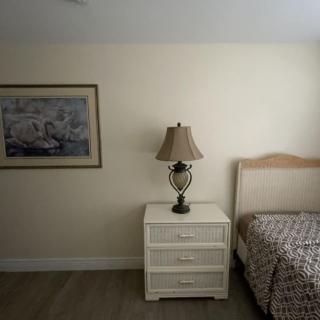
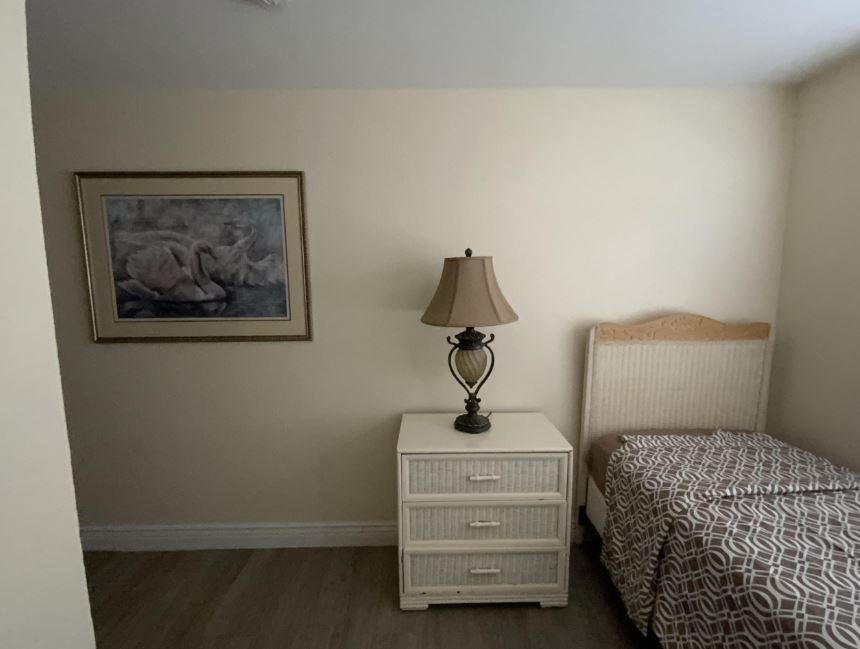
On the upside, the facility itself is described as clean, and at least one reviewer notes a “great team” behind the operation when staffing is solid. In a best-case lens, those conditions translate into orderly days, respectful routines, and a manageable environment for residents who require help with activities of daily living but do not demand intense clinical intervention. Yet the favorable impressions are not consistent enough to outweigh the darker realities surfaced in multiple accounts, which erode confidence in the community’s ability to deliver reliably every day.
The main cons tend to dominate the decision calculus. Repeated concerns about medication errors, missed doses, and inconsistent administration create a real safety risk that families cannot overlook. Reports of night-shift disengagement, meals that are “cold every night,” and notable staff turnover further undermine reliability. Additionally, a troubling claim about hiring practices raises questions about oversight and accountability. While a strong front-line team can smooth over many days, the broader pattern described by families points to a fragile, reactive operating model rather than proactive, systems-driven care.
To navigate these dynamics, families should pursue concrete assurances before moving in. Request the community’s medication-management policy, including pharmacist involvement, rounds, and error-tracking processes. Inquire about staffing ratios across shifts, use of temporary help, and the steps taken when prescriptions are mismanaged. Observe a live mealtime and a night-shift routine during a tour, and review recent state inspection findings. Seek candid references from current families about long-term satisfaction, not just the glossy introductions. The right questions will reveal whether Kona Gardens can deliver dependable care or merely a tidy facade.
In sum, Kona Gardens is not the default choice for seniors with meaningful clinical or memory-support needs. It may work for families willing to advocate aggressively and monitor care closely, especially if cleanliness and a capable, motivated team are consistently demonstrated. For most seniors, those requiring steady medication management, uninterrupted night supervision, and consistently high-quality meals, alternatives with stronger clinical oversight and proven caregiver stability are advisable. A disciplined comparison across options, prioritizing med-management reliability, staffing continuity, and resident satisfaction, will yield a safer, more predictable outcome than settling for Kona Gardens as a baseline.
 31 resident community capacity
 Assisted Living
 Board and Care Home
 Activities on-site
 Beauty salon
 Cable or satellite TV
 Devotional services off-site
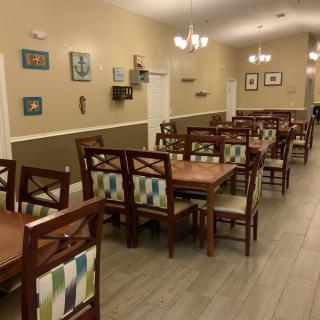
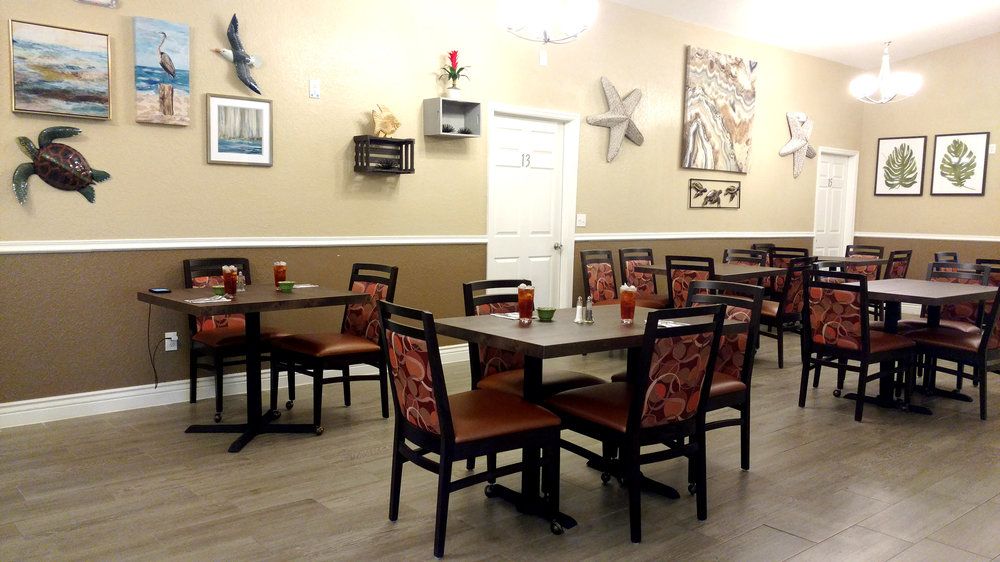
 Dining room
 Fully furnished
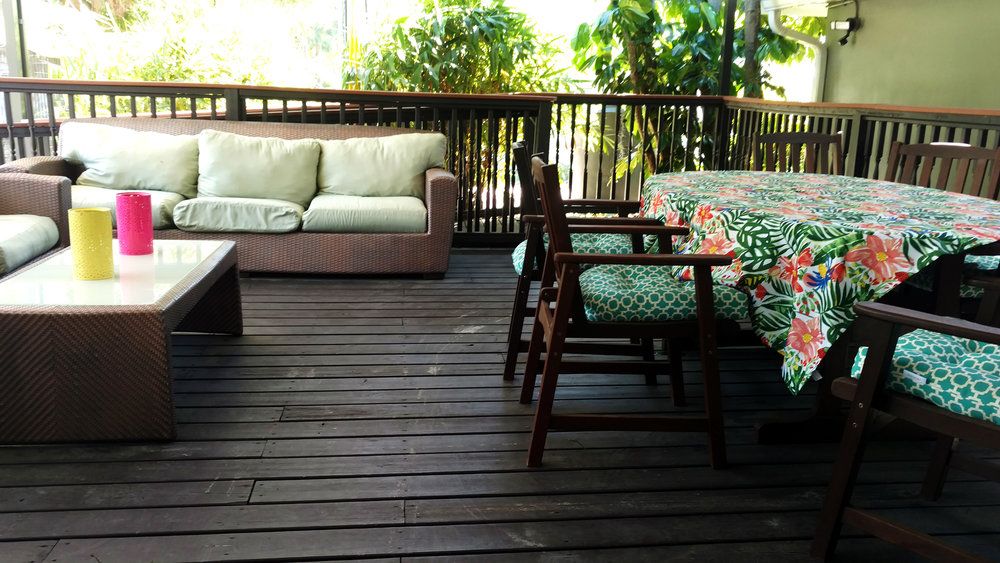
 Garden
 Ground floor units
 Handicap accessible
 Housekeeping services
 Indoor common areas
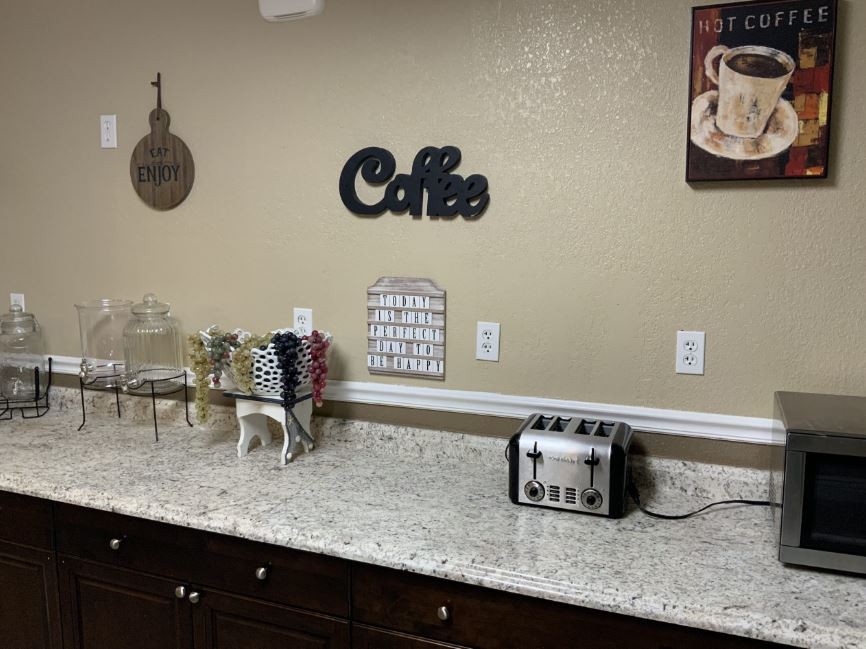
 Kitchenette
 Move-in coordination
 Outdoor common areas
 Respite or short term stays offered
 Telephone
 Wheelchair accessible showers
 Wi-Fi/high-speed internet available
 St. Petersburg-Clearwater International (9 miles away)
 24-hour call system
 Ambulatory care
 Assistance with bathing
 Assistance with dressing
 Assistance with transfers
 Diabetes diet
 Diabetic care
 Incontinence care
 Meal preparation and service
 Medication management
 Mental wellness program
 Special dietary restrictions
 Transportation arrangement (medical)
 Transportation to doctors appointments
 Art classes
 BBQs or picnics
 Birthday parties
 Brain fitness
 Educational speakers / life long learning
 Live musical performances
 Stretching classes
 Trivia games


 Social Security Benefits and Assisted Living: Navigating Options Across the U.S.
 An Extensive Exploration of the VA Aid and Attendance Benefit
 Senior Transition Services: Understanding Their Role, Cost, and Importance