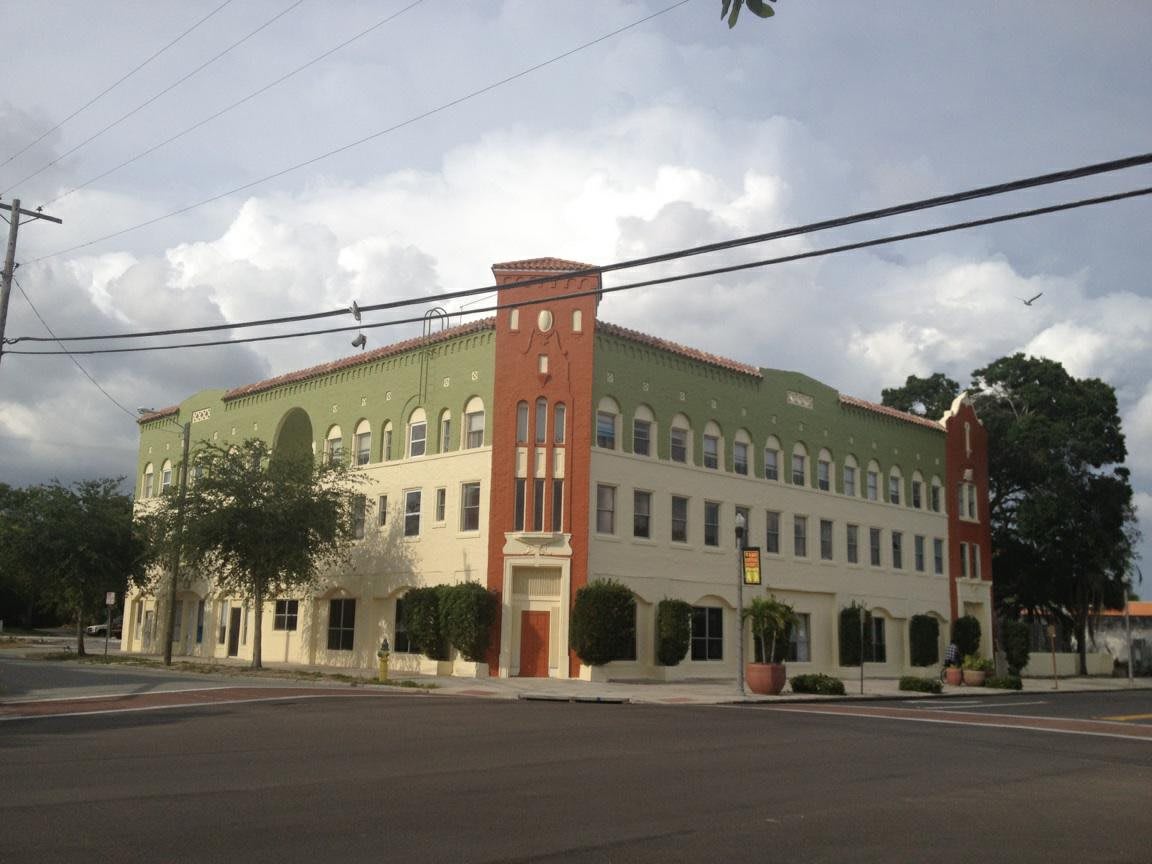
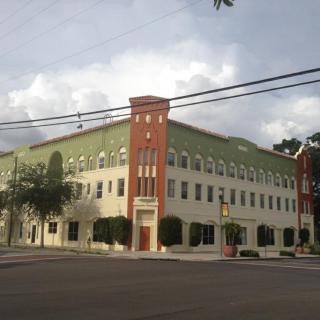
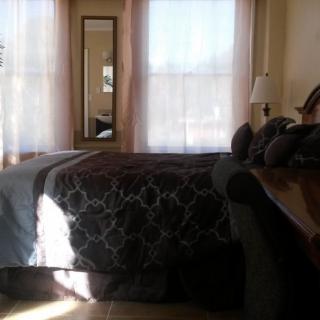
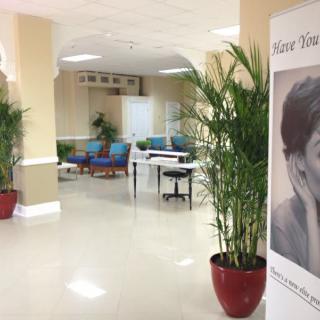
2349 Central Avenue, Saint Petersburg, FL 33713
To contact a resident: (727) 327-4405
For more information about senior living options: (866) 208-4318
Central ALF Costs & Pricing
Central ALF offers competitive pricing for its accommodations, particularly when compared to both Pinellas County and the broader Florida market. For a semi-private room, Central ALF charges $2,000 per month, which is significantly lower than the $2,765 average in Pinellas County and the $3,009 state-wide average. Similarly, their studio units are priced at $2,500 monthly, again showcasing affordability against the county's $3,598 and Florida's $3,823 averages. This positioning not only highlights Central ALF's commitment to providing accessible care options but also reflects its value-driven approach in an increasingly challenging financial landscape for assisted living facilities.
| Floor plans | Central ALF | Pinellas County | Florida |
|---|---|---|---|
| Semi-Private | $2,000 | $2,765 | $3,009 |
| Studio | $2,500 | $3,598 | $3,823 |
Assisted Living communities with a similar price nearby
-
from +$200 / mo
Dorothy Cares Assisted Living Facility
$2,200 to $3,300 / month22.4 miles away -
About the same
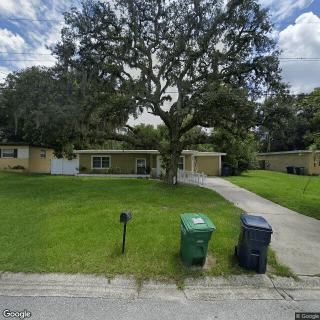
Assisted Living Facility Morning Dew
$2,000 to $2,500 / month22.1 miles away -
About the same
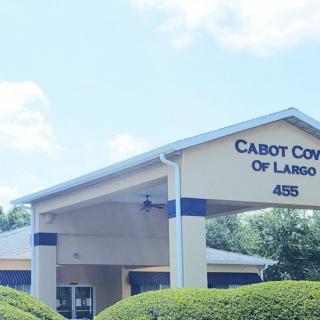
Cabot Cove of Largo Assisted Living & Memory Care
$1,990 to $3,145 / month10.9 miles away -
from -$200 / mo
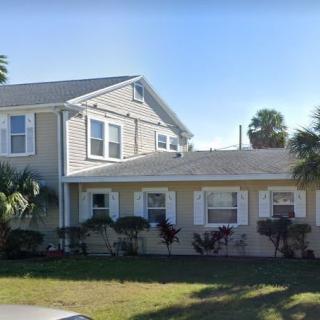
Windsor House
$1,800 to $2,500 / month15.3 miles away -
from -$200 / mo
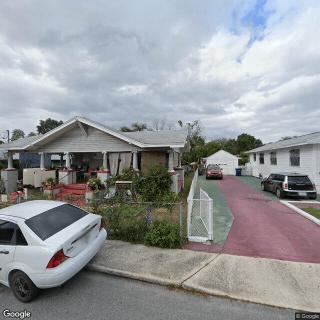
Debra's Assisted Living Facility
$1,800 to $2,300 / month19.7 miles away
Overall Review of Central ALF
Pros
 The facility is a wonderful ALF that residents love.
- The food is awesome.
- It is recommended for anyone seeking a loving, caring facility.
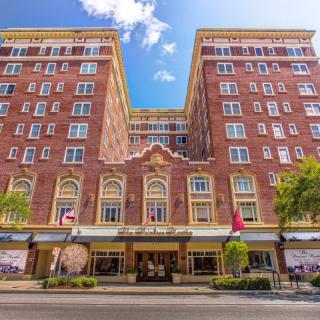
- It is a fantastic ALF in a great location, with pleasant staff and a phenomenal building, making it a great place to live.
- The community offers great amenities and ongoing services, with residents who participate in outside activities.
- It is wonderful for individuals with mental health or substance abuse histories, offering freedom to come and go, therapy options, and convenient transit.
Cons
 The facility is run by an unethical and immoral company that funds reviews and should be shut down.
- The roof is collapsing, there are bed bugs, black mold is pervasive, and hot water and AC never work.
- The food is horrible, residents are neglected, and staff threaten discharge for speaking up.
- The place is warned as dangerous for mental health residents, suggesting it’s better to live on the streets.
- The organization is described as crooked, preying on the mental health industry, lying and exploiting residents’ money while continuing to collect Social Security after move-out.
- There is a call for action against the facility, implying it should be shut down.
- The place feels dirty upon entry, making people think they need a shower just to go inside.
- The facility is absolutely disgusting, with no hot water, bed bugs, drugs and homeless individuals present, cops visiting, no activities, horrible food, and staff caring only about money.
Review
This Central ALF in Saint Petersburg is best suited for adults who need support for mental health or substance-use concerns and who value easy access to therapy, flexible supervision, and a location near the Grand Central District’s shops and services. The setting may offer a social, activity-rich environment that can appeal to those who want engagement, art programs, and the chance to participate in group or private therapy. It is not the right match for residents who rely on a pristine, consistently well-maintained environment or for those with significant mobility needs who require a truly wheelchair-accessible, first-floor experience. For families seeking a high-barrier, low-risk placement, this community warrants caution.
Alternatives should be strongly considered for wheelchair users, residents requiring reliable, uninterrupted heat and hot water, or anyone prioritizing a consistently clean, safe, and well-regulated atmosphere. Several reviewers describe ongoing maintenance failures, pest problems, and environmental concerns that would alert families to look elsewhere if physical safety, predictable climate control, and sanitation are primary non-negotiables. Also worth considering are families who cannot tolerate alleged financial improprieties or a potential mismatch between stated services and actual operations. In short, those who want a predictable, well-regulated care environment may find better options elsewhere in the area.
The potential benefits do align with needs in a targeted way. When functioning as advertised, the facility’s central location, amenities, and access to mental-health supports can make a meaningful difference for residents pursuing therapy, social engagement, and structured activities. Positive anecdotes point to a staff environment that residents perceive as pleasant and an administrator in some cases described as capable. For families prioritizing social integration, creative programming, and nearby resources, these strengths can provide real value and contribute to a sense of community, provided the environment remains safe, clean, and well-managed.
However, the downsides are serious and repeatedly cited, and they tend to eclipse the advantages. Reports of bed bugs, mold, and a roof in disrepair signal ongoing maintenance failures that threaten health and comfort. Persistent hot-water and climate-control issues compound daily living challenges, while claims of unreliable food quality and perceived neglect undermine trust in management. The presence of transient or disruptive individuals, the arrival of police, and admissions of environmental and safety concerns raise red flags for families weighing risk versus benefit. When a facility is described as fomenting fear about discharge for speaking up, that dynamic undermines a secure, resident-centered culture.
Financial and regulatory questions loom large in this landscape. Several reviewers allege improper billing practices, continued collection of social-security funds after a resident move-out, and a lack of advocate for vulnerable residents, all of which demand scrutiny from families and regulators alike. Even when a resident’s family sees occasional bright spots, artistic residents, local conveniences, or therapies, these positives fail to fully offset the broader pattern of complaints about upkeep, safety, and governance. In short, the risk profile is elevated, and the perceived reliability of management and maintenance is inconsistent enough to warrant a cautious approach.
The practical course is clear. Families should insist on a transparent, up-to-date maintenance and safety record, direct confirmation of ongoing repairs, and a binding plan for addressing pest and water-system issues before any move-in. Demand visible, independently verifiable proof of regulatory compliance, staffing levels, and a clean health department history. Visit unannounced, speak with current residents outside staff oversight, and outline exact service expectations in writing. If those assurances cannot be produced or the facility cannot demonstrate sustained improvements, the prudent choice is to pursue alternatives that offer clearer safety, hygiene, and governance standards.
 Assisted Living
 Cats allowed
 Dogs allowed
 Activities off-site
 Devotional services off-site
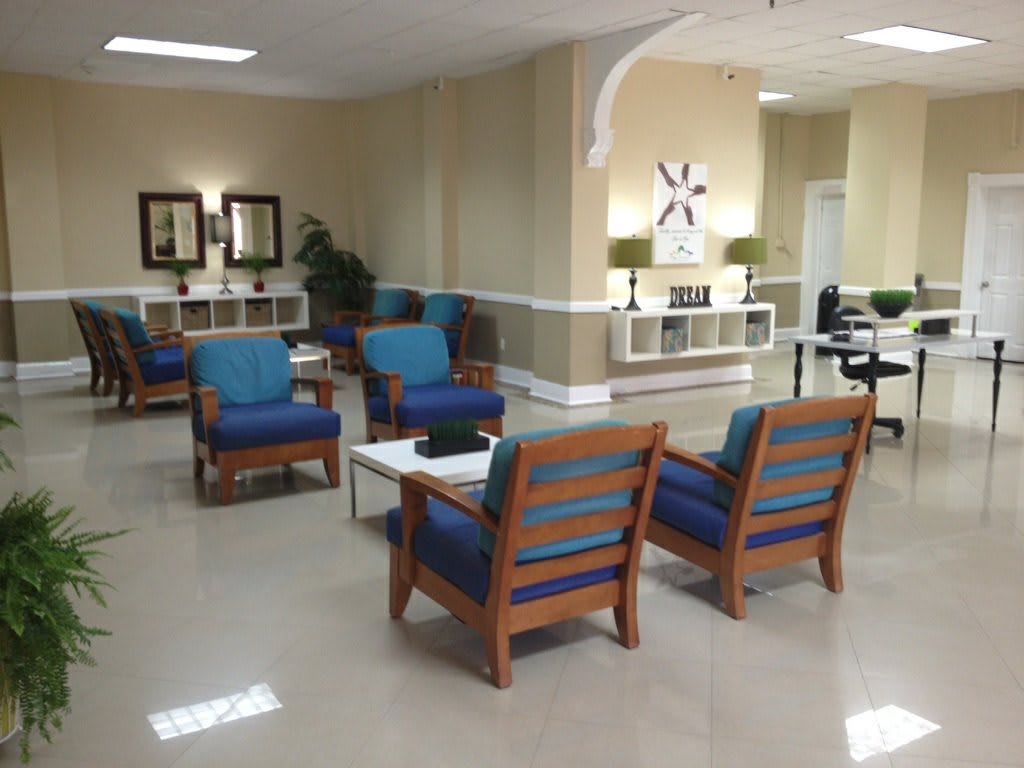
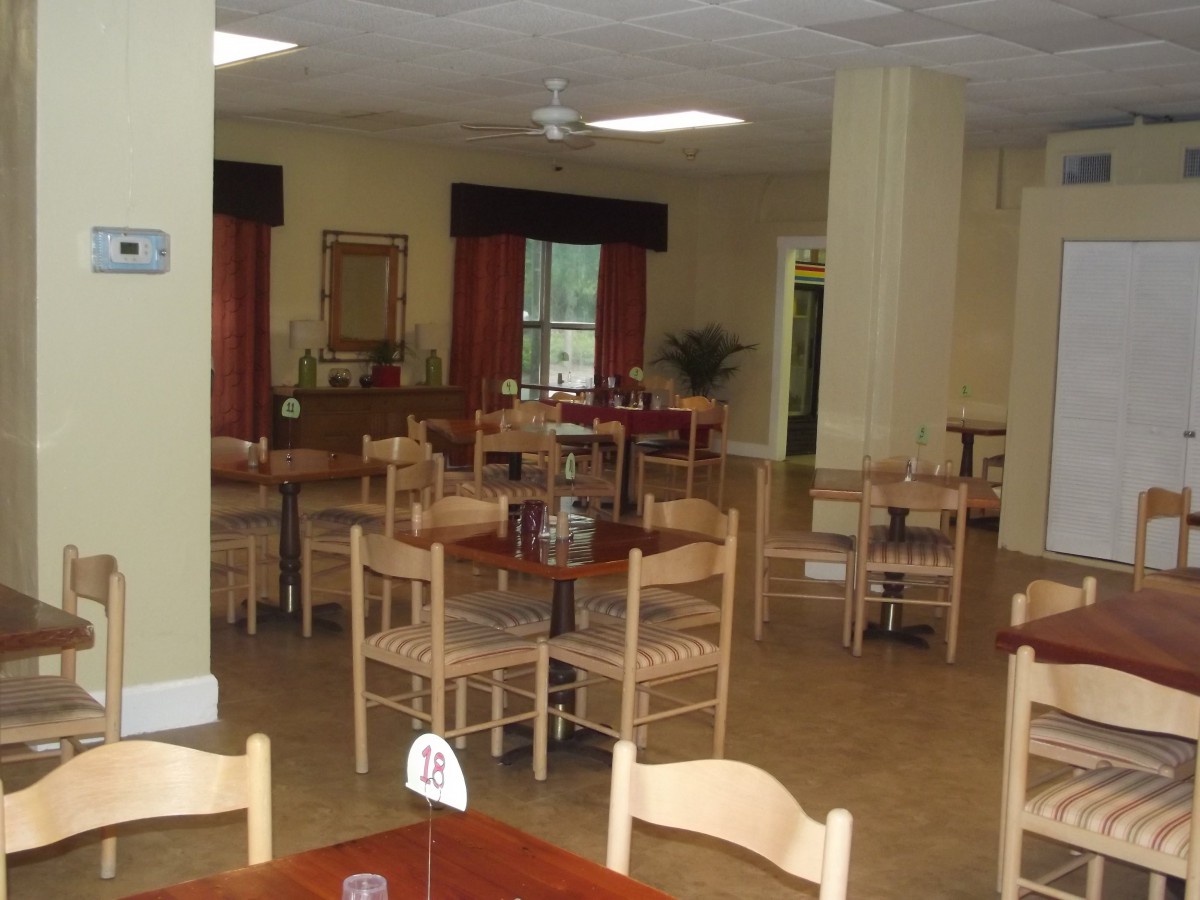
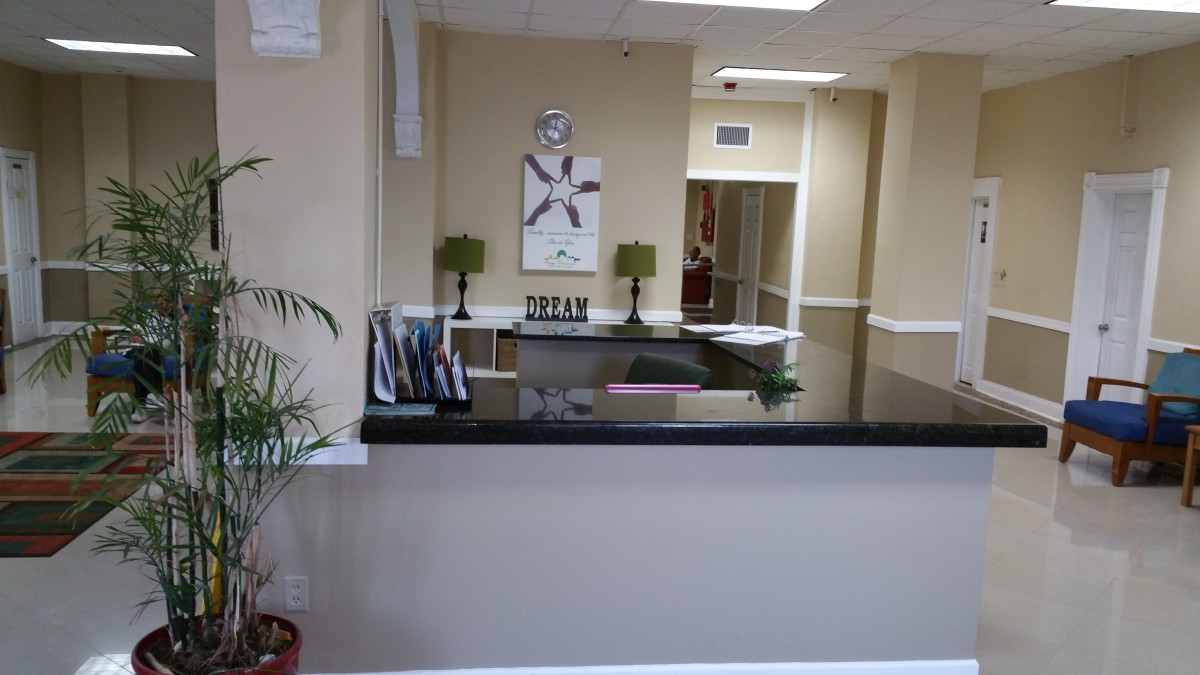
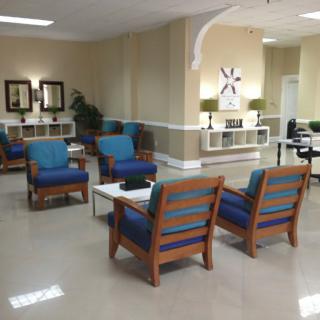
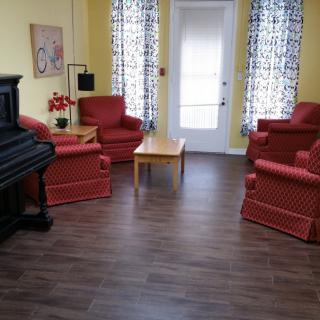
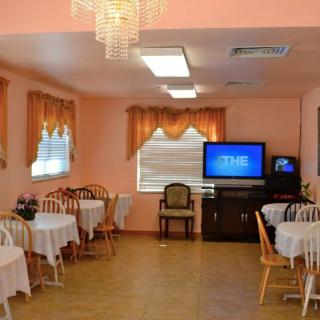
 Indoor common areas
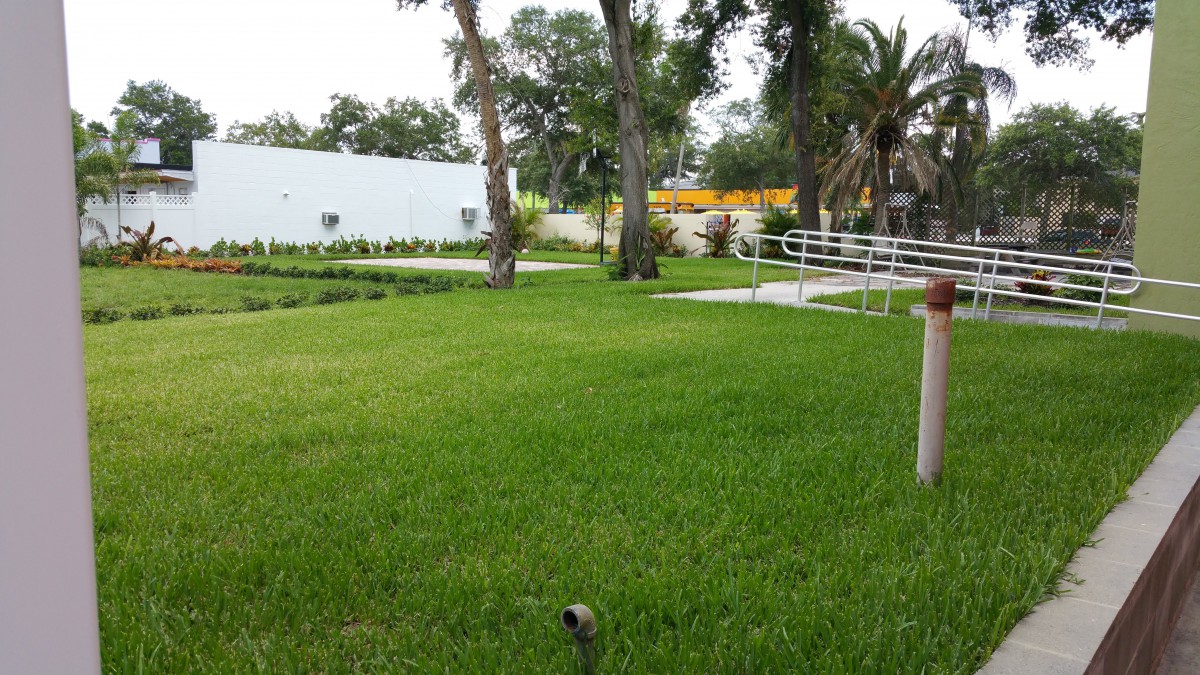
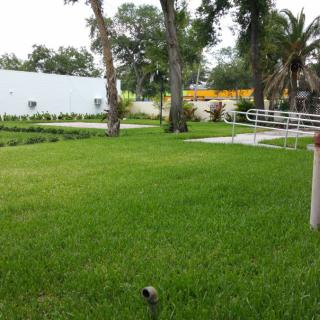
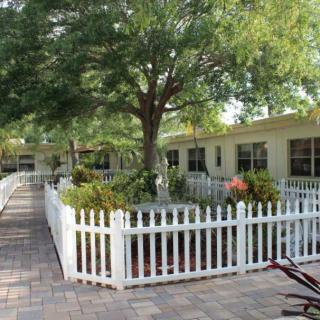
 Outdoor common areas
 Respite or short term stays offered
 St. Petersburg-Clearwater International (10 miles away)
 Ambulatory care
 Incontinence care
 Medication management
 Meals provided
 Birthday parties
 Brain fitness
 Trivia games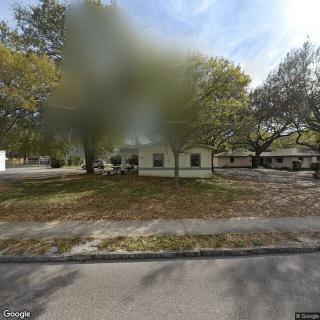
 Comprehensive Residential Support and Assisted Living Solutions for Individuals with Disabilities
 Comprehensive Supportive Living Arrangements for Adults with Disabilities
 Funding and Affording Assisted Living: A Thorough Overview