
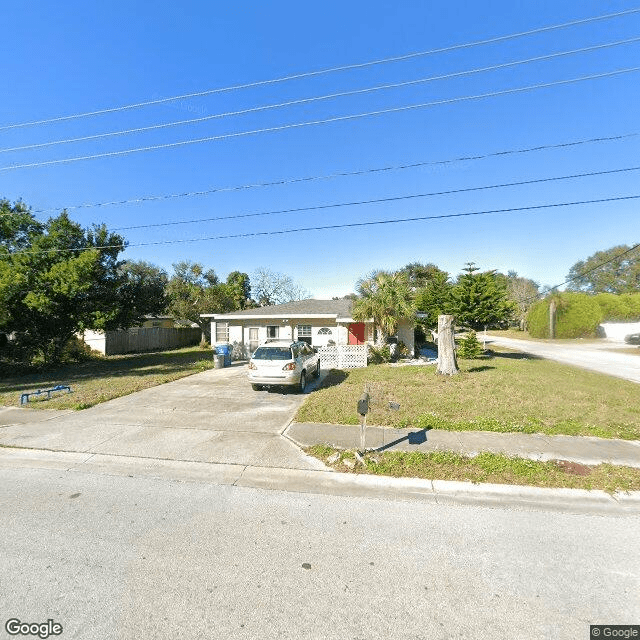
6405 40th Ave N., St. Petersburg, FL 33709
For more information about senior living options: (866) 208-4318
Overall Review of Caring Angels
Pros
 The agency is great to work for.
- The agency has a great support team.
- The agency is truly a caring agency.
- If someone had family needing these services, they would call Carringtons Caring Angels.
- The office staff are friendly.
Cons
 The agency is unprofessional.
- The company is very misleading.
- Staff sent to homes disregarded all instructions and did not seem competent.
- Lateness in start times occurred daily, with supervisory staff covering for them and making exceptions.
- The client is a dementia patient who needed prompting to start and complete tasks.
- Personnel sent to the home were very untrained to deal with this type of person or didn’t care.
- Caring Angels are not very caring.
- Medicare and Medicaid are marginalized due to governmental payout.
- The reviewer would recommend trying another agency.
Review
Caring Angels in St. Petersburg is best suited for families seeking a small, personable home-care option that feels genuinely supportive on the surface. The agency presents itself as warm, with friendly office staff and a clear emphasis on care and compassion. This is the kind of provider that earns trust through approachable communication and a sense that the office and field staff are aligned around a common mission. For loved ones who do not require highly specialized medical interventions day to day and who can tolerate some variability in day-to-day performance while benefiting from a strong, accessible support network, Caring Angels can feel like a comfortable, people-oriented choice.
That said, there are clear cautions that families should not overlook. Those with loved ones who have complex dementia needs or who require very precise prompting and routine may want to consider alternatives. The reviews flag substantial concerns about caregiver training and reliability, including instances of staff not adhering to instructions, lateness, and questions about overall competence. For families relying on consistent, highly professional dementia care, or those who need strict scheduling and dependable on-time service, other providers with more formalized training and accountability may be a safer fit.
On the upside, the positive threads matter in real-world decision making. A responsive support team and friendly intake process can make coordinating care less stressful for families, especially during transitions. The perception of genuine care from leaders and a culture that prioritizes the well-being of clients can translate into better communication, quicker issue escalation, and a more neighborly, less transactional experience. Those who stay engaged with the agency and set clear expectations may experience smoother cooperation and a sense that the agency’s leadership is willing to address concerns as they arise.
Yet the downsides are real enough to temper any optimism. The most troubling notes center on unprofessional conduct and gaps in caregiver readiness. Reports of staff being late, disregarding explicit instructions, and appearing untrained to handle a dementia client undermine trust and can jeopardize safety. The mix of positive impressions and problematic episodes creates a reliability question: can families count on consistent, competent care, or will daily operations feel erratic? These concerns are not trivial, particularly when a loved one’s daily routine, safety, and cognitive needs hinge on precise prompts and steady supervision.
The key is to translate the positives into tangible safeguards while acknowledging the risks. Families who move forward should insist on a formalized care plan with assigned lead caregivers, documented expectations, and direct supervisory contact for quick escalation. A trial period of a couple of weeks, with structured progress notes and scheduled check-ins, can reveal whether the agency’s strengths, support, warmth, and staff accessibility, actually translate into dependable daily care. In short, Caring Angels can be a solid fit for those who want a compassionate, hands-on agency and who are prepared to actively manage and monitor caregiver performance.
For decision-making purposes, Caring Angels is not a blanket “best choice” nor a clear “avoid.” It sits in a middle ground best appreciated by families who value culture and approachability and who can supply governance to counterbalance potential staffing lapses. If the priority is consistent, highly trained dementia care with unshakable punctuality, alternatives deserve serious consideration. If the family can pair Caring Angels’ strengths with proactive oversight and explicit performance expectations, this option can deliver meaningful peace of mind without surrendering personal, human-centered care.
 Board and Care Home
 St. Petersburg-Clearwater International (7 miles away)






 Exploring Nonmedical Home Care: Understanding Services, Costs, and Financial Approaches
 Engaging Brain Games and Innovative Apps to Keep Senior Minds Active
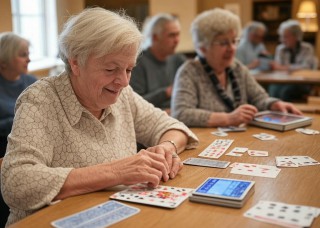 Effective Strategies for Keeping Seniors' Minds Active: A Deep Dive into Brain Games and Apps