Residents frequently describe staff as caring and responsive to needs.
A large share of reviews mention staff being kind, compassionate, and willing to help with recovery-related day to day needs. Some reviewers describe quick responses when they had residence concerns like maintenance issues or requests related to their apartments. Others also highlight specific staff members who check in, listen, and provide guidance, including for anxiety and interpersonal concerns.
differentiator6 reviews mention this
Medication and structured support for recovery
Care includes medication management and recovery support that residents notice.
Several residents connect their progress to help around medications and ongoing recovery support. Reviews mention being on or coming off medications over long periods, along with regular counseling or meetings that help with anxiety and stability. The community also provides medication management and help meeting special dietary needs, which aligns with how residents describe treatment routines.
common5 reviews mention this
Housing help feels practical
Residents appreciate the way housing support handles real needs.
Reviews frequently describe the housing side as life-changing, especially for people coming from homelessness or unstable situations. Multiple residents mention affordability through income-based rent and the sense that they were able to focus on recovery rather than scrambling for stability. Others point to practical support like maintenance, move-in help, and getting concerns addressed when they arise.
caveat5 reviews mention this
Communication and staffing can fall short
Some reviews describe delays, unanswered calls, or inconsistent reception.
Not all experiences match the supportive tone in other reviews. Several residents complain about phone coverage, including difficulty reaching someone and long waits for callbacks. Others describe frustrating communication at offices or feeling that help was not available, and one review also cites being short-staffed as a reason some needs were not fully met.
caveat6 reviews mention this
Safety issues raise serious concerns
A recurring set of reviews raises concerns about safety and property conditions.
Some reviews report incidents involving stolen items, including complaints about theft from rooms or safes and residents feeling that concerns were not taken seriously. Others mention pests or cleanliness problems, along with accounts of residents being discharged to homeless shelters and experiences during seizures. A few reviews also describe broader issues such as drugs, loud disturbances, or conflict on property, which points to uneven safety experiences across reviews.
How we summarize
Counts show how many written reviews mention each theme; a review can touch several themes, and only frequently mentioned themes are displayed.
Features
Housing
13 resident community capacity
Types of Care
Assisted Living
Amenities
Cable or satellite TV
Dining room
Fully furnished
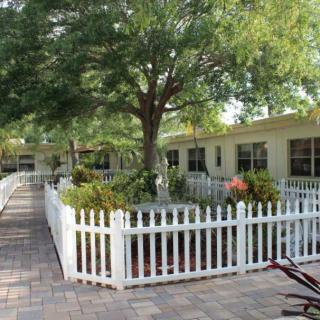
Garden
Housekeeping services
Move-in coordination
Outdoor space
Telephone
Wi-Fi/high-speed internet available
Transportation
St. Petersburg-Clearwater International (9 miles away)
Tampa International (16 miles away)
Care Services
24-hour supervision
Activities of daily living assistance
Assistance with bathing
Assistance with dressing
Assistance with transfers
Coordination with health care providers
Diabetes diet
Meal preparation and service
Medication management
Special dietary restrictions
Transportation arrangement (medical)
Transportation to doctors appointments
Dining
Diabetes diet
Special dietary restrictions
Activities
Community-sponsored activities
Scheduled daily activities
Nearby Places of Interest
Pharmacies
Octapharma Plasma (0.5 miles)
CVS Pharmacy (0.5 miles)
Winn-Dixie (0.9 miles)
CVS Pharmacy (1 miles)
Walgreens (1.1 miles)
CVS Pharmacy (1.9 miles)
Winn-Dixie (1.9 miles)
Physicians
Retina Vitreous Associates (0.8 miles)
Central Neurology Sleep Disorders Center (1.2 miles)
Northeast Family Practice (1.9 miles)
Bay Area Heart Center (1.9 miles)
BayCare Behavioral Health - St. Anthony's Primary Care (2 miles)
Suncoast Medical Clinic (2 miles)
Allergy/Immunology (2.2 miles)
Restaurants
Casita Taqueria (0.9 miles)
The Dog Bar (1.2 miles)
3 Daughters Brewing (1.3 miles)
Byte Federal Bitcoin ATM (Ferg's Sports Bar & Grill) (1.9 miles)
Medicaid waivers for assisted living services provide vital support for seniors and individuals with disabilities in need of long-term care, with varying state-specific eligibility criteria and benefits. These waivers cover personal care and case management but often do not fully cover room and board, leading to waiting lists for many applicants.
The article examines the complexities of assisted living for individuals with disabilities, emphasizing the need for tailored care solutions that enhance quality of life and social inclusion, while addressing financial challenges and advocating for community integration. It discusses various housing options, the importance of financial assistance through public benefits, and highlights trends towards integrated and technology-driven solutions in disability-focused housing.
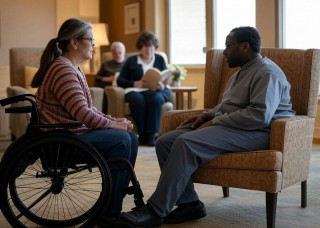
Assisted living for adults with disabilities has transformed to provide personalized care and support services aimed at improving residents' quality of life while balancing independence and assistance. However, low-income individuals often face challenges in affording these services, requiring navigation of various financial resources and advocacy for better policies and solutions.
Get PricingAsk A QuestionSchedule A TourContact Senior Advisor
By clicking submit, you agree to our Partner's Terms of Use. You
also consent to receive calls and texts, which may be autodialed, from our Partner. Your consent is not a condition to
using our Partner's service. Please visit our Partner's Privacy Policy for information about their privacy practices.

 13 resident community capacity
 Assisted Living
 Cable or satellite TV
 Dining room
 Fully furnished
 Garden
 Housekeeping services
 Move-in coordination
 Outdoor space
 Telephone
 Wi-Fi/high-speed internet available
 St. Petersburg-Clearwater International (9 miles away)
 24-hour supervision
 Activities of daily living assistance
 Assistance with bathing
 Assistance with dressing
 Assistance with transfers
 Diabetes diet
 Meal preparation and service
 Medication management
 Special dietary restrictions
 Transportation arrangement (medical)
 Transportation to doctors appointments
 Friendly, caring staff and engaging activities.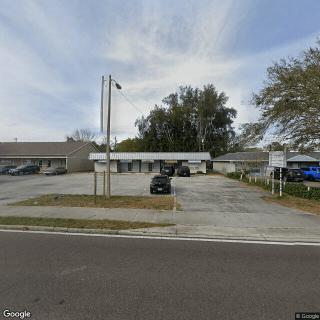
 A Detailed Exploration of Assisted Living Medicaid Waivers Across the United States
 Comprehensive Residential Support and Assisted Living Solutions for Individuals with Disabilities
 Comprehensive Supportive Living Arrangements for Adults with Disabilities