
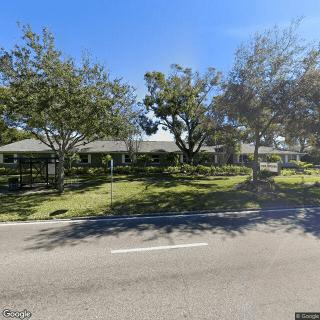
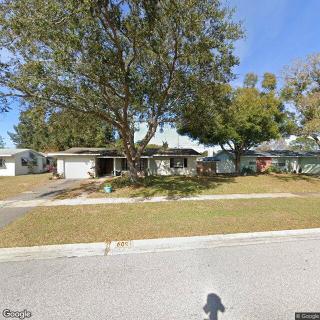
5228 23Rd Avenue N, St Petersburg, FL 33710
For more information about senior living options: (866) 208-4318
A Tropical Paradise Assisted Living Facility Costs & Pricing
A Tropical Paradise Assisted Living Facility offers competitive pricing for its residents, particularly when compared to the broader landscape of Pinellas County and the state of Florida. For semi-private accommodations, the facility charges $2,000 per month, which is significantly lower than the county average of $2,765 and well below the state average of $3,009. This represents a cost-effective option for those seeking shared living spaces. In terms of private rooms, A Tropical Paradise maintains a monthly fee of $3,500, which remains reasonably priced compared to both Pinellas County's average of $3,602 and Florida's state-wide average of $3,699. Overall, A Tropical Paradise not only provides exceptional care but also ensures that financial considerations are met without compromising quality or comfort.
| Floor plans | A Tropical Paradise Assisted Living Facility | Pinellas County | Florida |
|---|---|---|---|
| Semi-Private | $2,000 | $2,765 | $3,009 |
| Private | $3,500 | $3,602 | $3,699 |
Overall Review of A Tropical Paradise Assisted Living Facility
Pros
 The facility provides the very best care a resident can receive.
- The staff sincerely loves their residents.
- It should be the model for every assisted living facility.
- Olga ensures residents are well cared for, and the facility is clean and well maintained.
- It offers a personalized, home-like experience.
- The new management is better, and residents are happy there.
- Meals are nutritious, and the care team is attentive.
- Physical therapy and occupational therapy are available.
- House-call primary care is available.
- Tropical Paradise Alf is a great environment with a top-notch team that makes it feel like a home.
- The facility is a perfect place to live.
- The owner is very nice, the care is excellent, the facility is very clean, and participation is encouraged.
Cons
 They get worried if she doesn't make the 10:30 call.
Review
A Tropical Paradise Assisted Living Facility in St. Petersburg, Florida is best suited for families seeking a small, intimate setting where a resident receives highly personalized attention, steady supervision, and a warm, home-like atmosphere. It works especially well for seniors who do not require round-the-clock hospital-style nursing but do need reliable daily oversight, nutritious meals, routine rehabilitative services, and ready access to a house-call primary care clinician. The facility’s people-first culture, reinforced by engaged leadership, makes it a strong fit for elders who prize consistent staff relationships and the peace of mind that comes from knowing caregiving is proactive and personal. For memory-support needs, the recommendation from the community’s circle of families underscores the strength of the current management team and caregiving approach.
Nevertheless, certain situations warrant exploring alternatives. If a resident requires continuous skilled nursing around the clock, a dedicated secure memory-care wing, or a broader slate of on-site medical specialists, larger assisted living campuses or dedicated memory-care communities may deliver more comprehensive coverage. Families seeking a highly structured activity calendar, more expansive social programming, or proximity to a wider hospital network might prefer a bigger operation. In cases where rigorous clinical supervision and more intensive rehabilitation services are essential, one should compare options that explicitly advertise those capabilities. This community excels at intimate, attentive care, but it is not positioned as a hospital-grade medical hub.
The core pros align closely with a practical caregiving philosophy that emphasizes everyday reliability and heartfelt care. The setting’s small size fosters continuity of staff-resident relationships, which translates into quicker recognition of subtle changes in health or mood and a deeper sense of trust for families. The administrator, Olga, and the broader management team are repeatedly described as genuinely caring, creating an atmosphere where staff know residents well and respond with warmth as well as competence. Cleanliness and maintenance are highlighted as standout attributes, reinforcing a sense of safety and dignity for daily routines such as bathing and dressing. Nutritious meals, on-site physical therapy and occupational therapy, and the accessibility of house-call primary care collectively enable residents to maintain function and comfort without frequent hospital visits.
These strengths effectively offset the primary constraints inherent in a small, non-institutional setting. While the facility may not boast the depth of clinical resources found in larger communities, the combination of on-site therapy services and physician availability through house calls ensures medical needs are coordinated efficiently. The dedicated leadership and reliable daily routines, evidenced by consistent check-ins and dependable caregiving, mitigate risks that sometimes accompany smaller operations, such as staff turnover or gaps in supervision. Residents benefit from a stable, caring cadre who treat daily activities as meaningful engagements, not mere tasks, which in turn supports mental well-being and social connectedness.
The overall experience translates into a practical, family-friendly model of care. Families describe a tangible sense of pride in the home's upkeep, the attentive bathing routines, and the emphasis on participation in daily life. The environment, complete with charming touches like the resident-friendly social rituals and even the whimsical presence of wild peacocks, contributes to a cheerful, emotionally supportive living space. The care approach centers on respectful, person-centered routines, where residents are spoken to with kindness, encouraged to engage with others, and helped to sustain independence where possible. In short, the pros, personalized attention, proactive care coordination, and a nurturing, tidy setting, consistently outweigh the minimal, largely logistical cons inherent to a smaller facility.
For families evaluating a move to this community, the recommendation is clear: prioritize it when warmth, accessibility, and hands-on caregiving are paramount. It is a strong choice for elders who thrive on a homelike routine, want dependable daily oversight, and appreciate integrated therapy services and house-call medical care. It is less suited for those needing extensive, around-the-clock skilled nursing, a high-volume activity calendar, or a large, hospital-like campus experience. Prospective entrants should schedule a visit with concrete questions about care plans for memory challenges, how staff handles emergencies, the cadence of medical oversight, and what contingencies exist if clinical needs intensify. In the right circumstances, this Tropical Paradise stands out as a practical, compassionate home that families can trust.
 6 resident community capacity
 Assisted Living
 Board and Care Home
 Activities off-site
 Bath tubs
 Beautician on-site
 Cable or satellite TV
 Dining room
 Fully furnished
 Garden
 Housekeeping services
 Indoor common areas
 Move-in coordination
 Outdoor common areas
 Private
 Respite or short term stays offered
 Telephone
 Wheelchair accessible showers
 Wi-Fi/high-speed internet available
 St. Petersburg-Clearwater International (8 miles away)
 24-hour supervision
 Ambulatory care
 Assistance with bathing
 Assistance with dressing
 Assistance with transfers
 Diabetes diet
 High acuity care
 Incontinence care
 Meal preparation and service
 Medication management
 Special dietary restrictions
 Transportation arrangement (medical)
 Transportation to doctors appointments

 Social Security Benefits and Assisted Living: Navigating Options Across the U.S.
 An Extensive Exploration of the VA Aid and Attendance Benefit
 Senior Transition Services: Understanding Their Role, Cost, and Importance