
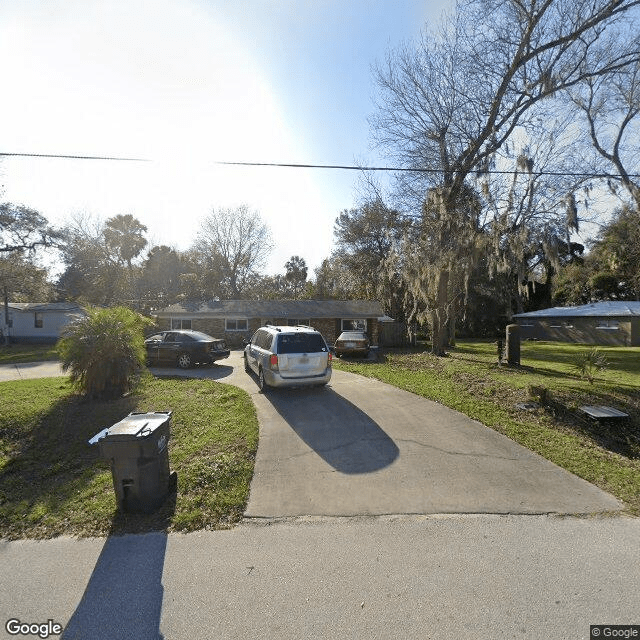
8827 Cobb Road, Riverview, FL 33578
To contact a resident: (813) 672-3376
For more information about senior living options: (866) 208-4318
Michael Gray AFCH Costs & Pricing
Michael Gray AFCH offers competitive pricing for its accommodations, providing a blend of comfort and affordability. The costs for a semi-private room are set at $1,500 per month, significantly lower than the average rates in Hillsborough County, which stand at $3,096, and the state average of $3,009. For those seeking more privacy, a private room is available for $2,000 per month - again well below the county's average of $3,384 and Florida's statewide figure of $3,699. These rates reflect Michael Gray AFCH's commitment to delivering quality care while ensuring that residents enjoy financial relief compared to other options in the region.
| Floor plans | Michael Gray AFCH | Hillsborough County | Florida |
|---|---|---|---|
| Semi-Private | $1,500 | $3,096 | $3,009 |
| Private | $2,000 | $3,384 | $3,699 |
Senior living communities with a similar price nearby
-
from +$56 / mo
Sun Towers Retirement Community
$1,556 to $2,552 / month10.4 miles away -
from -$50 / mo
Mountain High Assisted Living Facility
$1,450 to $1,675 / month9.5 miles away -
from +$250 / mo

Concordia Village at Tampa
$1,750 to $2,600 / month14.9 miles away -
About the same
Joshua Adult Family Care Home
$1,500 to $3,000 / month8.0 miles away -
About the same
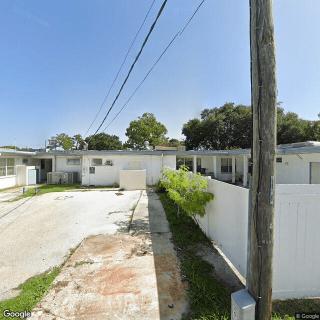
Good Hope of Pinellas
$1,500 to $2,500 / month22.8 miles away
Overall Review of Michael Gray AFCH
Pros
 The community is nice, quiet, and well kept.
- It provides a small, intimate environment that residents appreciate.
- The staff are great and always willing to help.
- They answer questions thoroughly and provide helpful support.
- The rooms are neat, clean, and updated.
- The meals offered are enjoyable and well liked by residents.
- Michael provides excellent care and supports families during transitions.
Cons
 The community was very small, with only about six people, which would not suit someone who likes to talk.
- The fill-in staff are not as skilled as the regular staff.
Review
Michael Gray AFCH in Riverview is best suited for seniors who want a small, intimate setting where personalized attention is achievable and transitions into care are handled smoothly. The community appears to be quiet, well kept, and easy to manage, with residents and families noting a tidy environment and a calm atmosphere. For someone who values frequent interaction in a bustling, larger campus, this would not be the ideal fit. Instead, this is a strong option for a loved one who prefers a homelike, low-traffic environment where staff can build relationships and know individual histories without the distraction of a large resident body.
Families should anticipate that the upside comes with a trade-off. A recurring theme is the small size, roughly six residents in the building, and that setup naturally limits social opportunities and formal programming. For a highly social senior who thrives on a busy calendar and continuous_GROUP activities, alternatives with bigger communities will offer more stimulation. The reviews suggest that potential residents who need extensive activity options may feel the space is too quiet or limited, making this location less ideal as a primary residence if social engagement is non-negotiable.
On the plus side, the core caregiving and communication strengths are evident. Families consistently report clear, proactive communication about care and progress, with staff who are willing to respond to questions and keep loved ones informed. The staff is described as helpful and ready to assist, contributing to a sense of reliability and partnership with families. The environment is kept clean and updated, and the rooms themselves are comfortable and well maintained. Importantly, the dining experience receives favorable mentions, with residents enjoying the meals and no major complaints about food quality.
A nuanced point to watch is staffing consistency. While the primary caregivers are praised for their care, there is a note about fill-in staff not being as skilled. This creates a potential variability in day-to-day experiences, especially during shift changes or busier periods. For families, this means asking direct questions about staffing patterns, how many caregivers interact with a resident, and what contingencies are in place when regular staff are unavailable. The strength of Michael’s leadership around care planning and transitions is a meaningful hedge against these concerns, but it remains prudent to verify how uniform quality is maintained across shifts.
Decision-making should also consider the resident’s temperament and priorities. If the goal is a place that honors routines, minimizes overstimulation, and supports transparent family involvement, Michael Gray AFCH delivers. It is particularly well-suited for someone who values a calm, clean habitat with straightforward access to care and consistent updates. However, if a family prioritizes robust social programming, abundant on-site activities, and highly consistent staff across the board, it would be wise to compare with larger, more resource-intensive options.
In the end, this community stands out for its intimate setting, strong family communication, and dependable caregiving leadership, offsetting some of the downsides of a smaller resident base. It is a fitting choice for a quieter lifestyle, clear care coordination, and a homelike environment where staff genuinely appear to care. For those who can tolerate limited social options and are mindful of potential staffing variability, the pathway here is solid. For families whose senior requires a more dynamic social calendar or consistently uniform staffing, exploring alternatives remains a prudent early step before committing.
 Board and Care Home
 Activities off-site
 Bath tubs
 Indoor common areas
 Outdoor common areas
 Private
 Wheelchair accessible showers
 Tampa International (13 miles away)
 Incontinence care
 Medication management
 Meals provided



 Understanding the Nuances of Palliative Care and Hospice: A Comprehensive Exploration
 Is In-Home Healthcare Tax Deductible? Your Comprehensive Guide
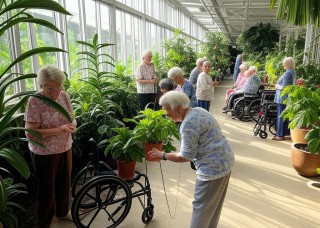 Nurturing Well-Being Through Gardening: A Detailed Guide for Senior Enthusiasts