
1221 South West Medina Avenue, Port Saint Lucie, FL 34953
For more information about senior living options: (866) 208-4318
Unique Loving Home Care Costs & Pricing
Unique Loving Home Care offers a range of monthly costs for private rooms, which vary significantly from $2,325 to $4,695. This pricing structure presents an attractive option compared to the average costs in St. Lucie County, where similar accommodations typically run around $3,665 per month. When placed in the broader context of Florida's state averages, which hover around $3,699, Unique Loving Home Care stands out as a particularly competitive choice for families seeking quality care while considering their budgetary needs. This flexibility in pricing allows residents and their families to find care that aligns with both their financial circumstances and personal preferences.
| Floor plans | Unique Loving Home Care | St. Lucie County | Florida |
|---|---|---|---|
| Private | $2,325 to $4,695 | $3,665 | $3,699 |
Assisted Living communities with a similar price nearby
-
About the same
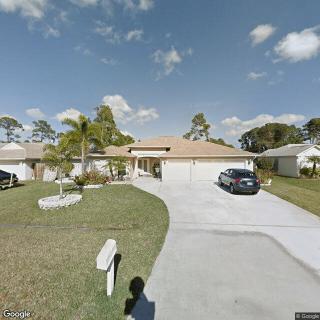
Nelisha Family Home
$2,300 to $4,500 / month0.7 miles away -
from -$420 / mo

Solaris Senior Living Stuart
$1,905 to $4,350 / month9.9 miles away -
from +$175 / mo
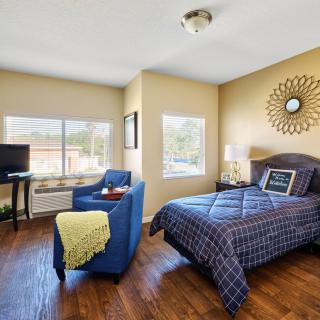
Wickshire Port St. Lucie
$2,500 to $4,295 / month6.2 miles away -
from +$275 / mo
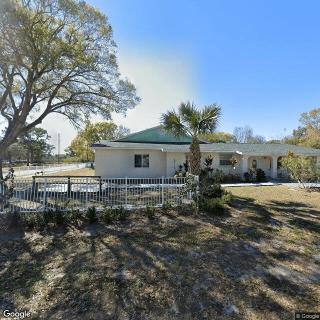
Academy Assisted Living Facility
$2,600 to $3,000 / month13.7 miles away -
from +$175 / mo
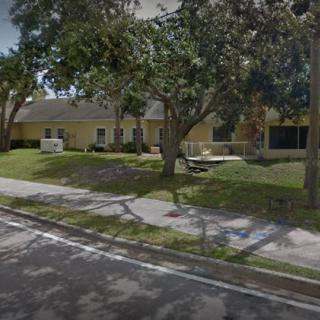
Paradise Care Cottage
$2,500 to $3,000 / month6.6 miles away
Overall Review of Unique Loving Home Care
Pros
 The wife's mother is a resident there and could not receive better care anywhere.
- The place is always immaculate.
- There is always something incredible cooking.
- They are super pleased that they chose Loving Care of the Treasure Coast.
Review
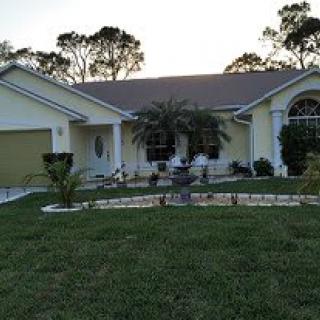
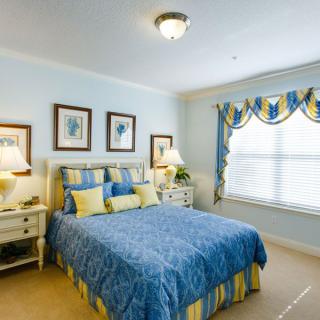
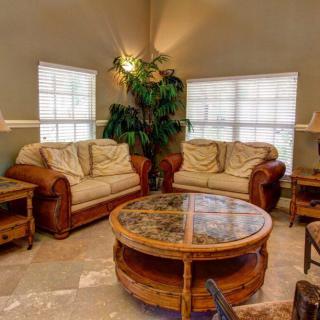
Unique Loving Home Care in Port Saint Lucie is best suited for seniors who want a warm, home-like setting where care is personal, cleanliness is non-negotiable, and meals are a daily highlight. A reviewer notes that the wife’s mother thrives there, receiving care described as beyond compare, with the environment always spotless and meals consistently outstanding. The emphasis on a homelike atmosphere combined with attentive caregiving signals that this community is particularly well-suited for residents who value daily consistency, predictable routines, and a strong sense of comfort. For families seeking reassurance through a small, tightly run operation, this setting aligns with those priorities in a tangible, everyday way.
Those who may want to consider alternatives are likely families with higher needs for medical oversight or structured clinical programming. If a loved one requires extensive memory-care protocols, regular on-site nursing rounds around the clock, or access to a broad slate of rehab and therapeutic services, a larger community with formalized medical staffing and more expansive programs could be a better fit. Similarly, households prioritizing a wide array of on-site amenities, scheduled group therapies, or campus-style activity calendars might find a larger facility more responsive to those expectations.
The strongest positives are clear and meaningful. The immaculate environment speaks to a high standard of cleanliness and safety, which is a fundamental baseline for daily well-being. The consistently excellent cooking emerges as more than comfort; it supports appetite, mood, and overall nutrition, critical factors for seniors. The combination of a tidy, home-like vibe with dependable, attentive caregiving creates a peace of mind that families seek when they cannot be physically present. In practice, these factors translate into steadier daily rhythms, fewer relocation worries, and a sense that a loved one is cherished rather than merely cared for.
Acknowledging the likely trade-offs inherent in a smaller, home-style setting helps sharpen the decision. Prospective residents and families should consider that the intimate footprint may limit some on-site medical services, formal therapy options, and the breadth of recreational programs found in larger communities. Staffing patterns can vary by time of day, and there may be fewer specialized memory-care resources compared with purpose-built dementia wings. These realities are not complaints when weighed against gains in atmosphere, personal attention, and daily nourishment, but they are legitimate factors to verify before committing.
The favorable balance is persuasive for the right resident. When cleanliness, daily meals, and individualized attention are prioritized, the pros substantially offset the potential gaps in medical programming. Families gain confidence from a setting where staff appear engaged, meals are consistently appealing, and the environment radiates order and care. To ensure a precise fit, it is prudent to verify staffing levels, ask about nurse availability for routine oversight, review a sample menu, and observe activity pacing during a visit. A trial period or a short-term arrangement can illuminate how well the home’s strengths align with evolving needs.
Bottom line: Unique Loving Home Care stands out as an excellent choice for seniors who value a pristine, intimate, home-based atmosphere with dependable, high-quality meals and attentive daily care. It is a particularly strong option for families seeking reassurance that a loved one can thrive in a small, well-run setting. Those requiring extensive medical supervision, highly specialized dementia care, or campus-style amenities should explore other communities to compare the breadth of services. A focused site visit, conversations with caregiving staff, and a review of daily routines will reveal whether this home truly fits long-term circumstances and expectations.
 6 resident community capacity
 Assisted Living
 Cable or satellite TV
 Dining room
 Fully furnished
 Garden
 Housekeeping services
 Move-in coordination
 Outdoor space
 Telephone
 Wi-Fi/high-speed internet available
 24-hour supervision
 Activities of daily living assistance
 Assistance with bathing
 Assistance with dressing
 Assistance with transfers
 Diabetes diet
 Meal preparation and service
 Medication management
 Special dietary restrictions
 Transportation arrangement (medical)
 Transportation to doctors appointments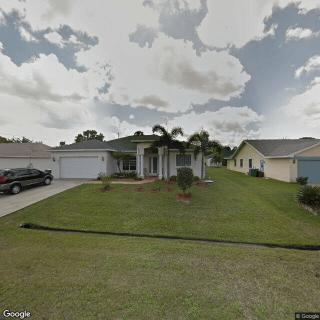



 Exploring the Path to Senior Living: A Comprehensive Look at Independent Living and Assisted Living
 Is Assisted Living Deductible on Your Taxes? Understanding the Complexities of Assisted Living Expenses and Deductions
 Assisted Living Support for Veterans: A Complete and Detailed Overview