
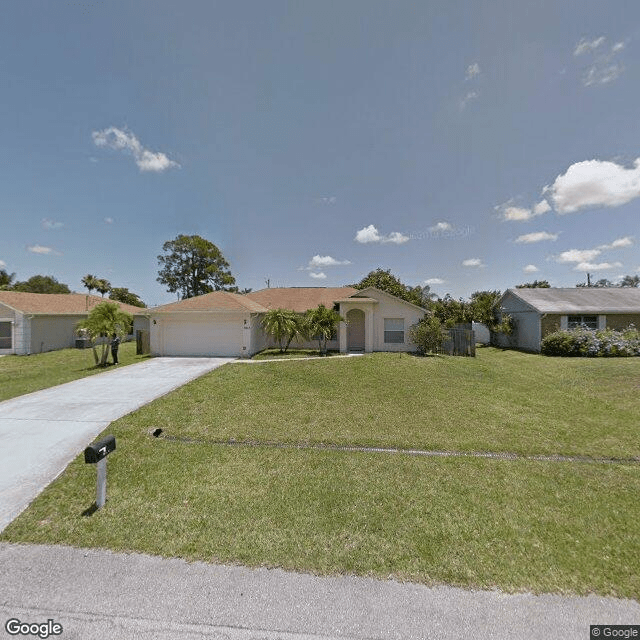
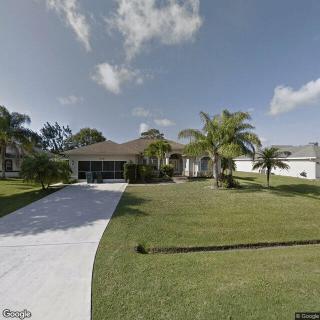
2043 SE Watercrest Street, Port St. Lucie, FL 34984
To contact a resident: (772) 878-2364
For more information about senior living options: (866) 208-4318
Louise Manor Care LLC Costs & Pricing
Louise Manor Care LLC offers competitive pricing for its residential care services, particularly when compared to both St. Lucie County and the broader Florida market. For a semi-private room, Louise Manor charges $2,200 per month, significantly lower than the county average of $2,717 and the state average of $3,009. Similarly, for a private room, the monthly cost at Louise Manor is $3,000, which remains more affordable than the county's average of $3,665 and the state's typical rate of $3,699. This positioning reflects Louise Manor's commitment to providing quality care while keeping expenses manageable for families seeking long-term care solutions.
| Floor plans | Louise Manor Care LLC | St. Lucie County | Florida |
|---|---|---|---|
| Semi-Private | $2,200 | $2,717 | $3,009 |
| Private | $3,000 | $3,665 | $3,699 |
Senior living communities with a similar price nearby
-
from -$200 / mo
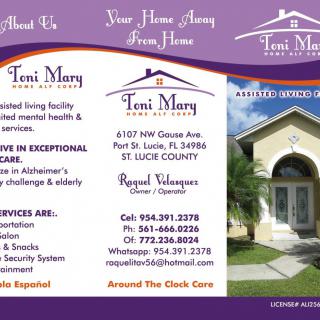
Toni Mary Home ALF Corp
$2,000 to $2,500 / month6.6 miles away -
from +$300 / mo
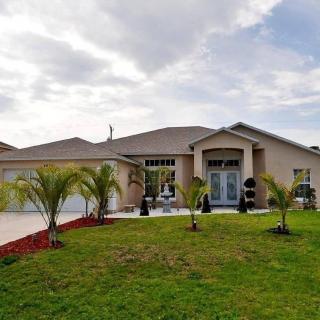
Caring Hands of the Treasure Coast
$2,500 to $3,000 / month5.4 miles away -
from -$253 / mo

The Sovana at Stuart
$1,947 to $2,184 / month5.4 miles away -
from +$100 / mo
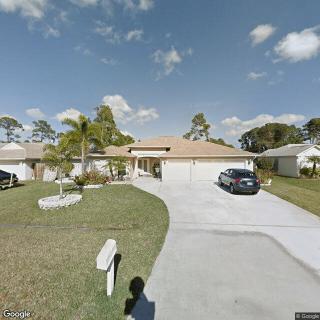
Nelisha Family Home
$2,300 to $4,500 / month4.8 miles away -
from -$400 / mo
Magdolna Home Care
$1,800 to $2,500 / month2.1 miles away
Overall Review of Louise Manor Care LLC
Pros
 The House of Cares is a wonderful assisted living facility.
- A six-resident setup creates a personalized environment.
- The facility offers many of the same services as larger facilities.
- The home is lovely, bright, and welcoming.
- The neighborhood is safe and quiet, with a tranquil backyard and a large screened-in porch.
- The House of Cares offers memory care as well.
- The staff provides personalized, attentive care.
- The respite care by Felicia and her staff impressed the family.
- The mom felt safe leaving her there.
- The family could plan vacations with peace of mind.
- The assisted living is amazing, providing hands-on, loving, one-on-one care.
Review
Louise Manor Care LLC in Port St. Lucie is best suited for families seeking an intimate, home-like assisted living option where a loved one can receive constant, personalized attention within a small community. The model described by reviewers centers on a six-resident home that preserves the warmth and predictability of family living while delivering the essential services of a licensed facility. Memory care is part of the offer, making it attractive for families navigating dementia with safety and daily routine as top priorities. The environment is bright, welcoming, and safe, with a tranquil neighborhood ambiance, a spacious backyard, and a screened porch that invites calm, familiar exposure for residents who thrive on routine and a sense of belonging.
Those who should consider alternatives are families whose loved one requires more extensive on-site medical support, hospital-grade nursing, or a wider range of therapeutic programs that a larger campus can usually provide. If the priority is robust social programming, frequent outings, or a broader menu of specialty services, a bigger community may deliver more options. In cases where care needs are likely to outgrow a six-resident model, such as advanced wound care, complex medications, or intensive dementia skills, learning about other facilities can prevent a last-minute scramble.
Among the strongest positives are the high-touch, one-on-one caregiving and the assurance that staff stay closely connected to each resident. The small scale translates into stronger supervision, easier communication with families, and a consistent routine that reduces confusion for memory-impaired residents. The ability to deliver both standard assisted living tasks and memory-care support in a single, home-like setting is a meaningful advantage when safety and stability trump a flashy campus atmosphere. This care model often translates into less stress for families, who can trust that attendants know personal histories, preferences, and medical quirks.
Elements that elevate daily life include the home’s aesthetic and environment. A bright, welcoming interior coupled with a safe outdoor area creates a reassuring backdrop for aging in place. The backyard and screened porch offer a tranquil, low-stress setting conducive to relaxation, gentle activity, and social interaction in small groups, exactly the kind of space that supports meaningful engagement for residents who benefit from calm surroundings. The availability of respite care further distinguishes this model, allowing families to take time away without compromising a loved one’s comfort and supervision. Memory care is integrated, which matters when confusion is present and constant monitoring matters for safety.
Nevertheless, the small footprint can introduce constraints. Staffing may be limited compared with larger campuses, potentially affecting the breadth of on-call medical services, therapy options, and off-site activities. Residents who thrive on a bustling calendar of excursions and varied programming may miss the scale of opportunities found elsewhere. However, these drawbacks are largely offset by the sense of belonging and security that comes from living in a deliberately intimate community where staff know residents well and respond quickly to changing needs.
For families weighing this option, the decisive move is to assess alignment with the loved one’s personality and needs. Visit and observe how staff interact across different tasks, ask explicit questions about staffing ratios, medication management, emergency procedures, and how care plans are developed and updated. Confirm the availability of memory-care supports and respite programs, and inquire about daily routines and activity pacing. If the priority is unhurried, personalized care within a serene home-like setting, Louise Manor Care LLC presents a compelling, practical choice. If more medical complexity or a wider social ecosystem is anticipated, grounding alternatives should be explored to match that trajectory.
 Board and Care Home
 Day Program
 Bath tubs
 Devotional services off-site
 Indoor common areas
 Outdoor common areas
 Private
 Respite or short term stays offered
 Wheelchair accessible showers
 Ambulatory care
 Diabetic care
 High acuity care
 Medication management
 Meals provided
 Highly Beneficial Low-Impact Exercises for Senior Living Residents
 Is In-Home Healthcare Tax Deductible? Your Comprehensive Guide
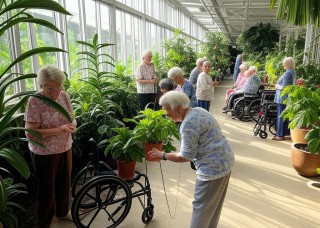 Nurturing Well-Being Through Gardening: A Detailed Guide for Senior Enthusiasts