
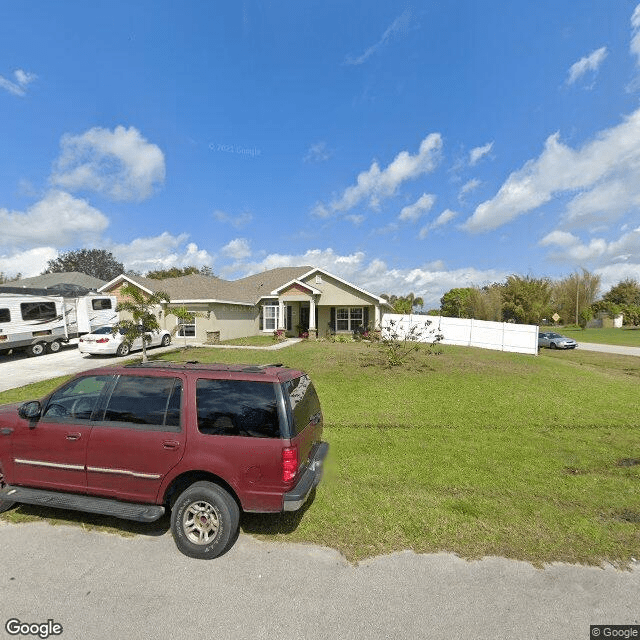
322 Sw S Quick Circle, Port Saint Lucie, FL 34953
To contact a resident: (772) 785-5785
For more information about senior living options: (866) 208-4318
Overall Review of For His Glory ALF LLC
Pros
 The House of Cares is a wonderful assisted living facility for loved ones.
- The owner runs a six-resident care home, creating a highly personalized environment.
- The facility offers many of the same services as larger facilities.
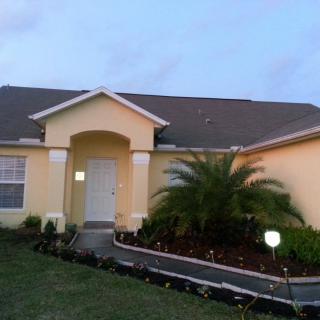
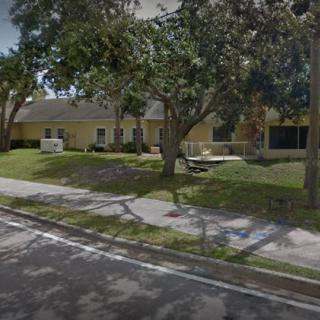
- The home is lovely, bright, and welcoming.
- The neighborhood is safe and quiet, with a beautiful backyard and a large screened-in porch in a tranquil setting.
- The House of Cares provides memory care in addition to other services.
- The respite care is reassuring, allowing families to leave a loved one with confidence.
- The assisted living is amazing, with hands-on, loving, one-on-one care.
Review
For His Glory ALF LLC in Port Saint Lucie, Florida is best suited for families seeking an intimate, home-like assisted living experience where care feels personal and continuously attentive for a small group of residents. The six-resident home model described in the available accounts creates a setting in which staff can know daily rhythms, preferences, and triggers, translating into highly visible, hands-on supervision. Residents can access memory care and respite programs, with facilities described as bright, welcoming, and safe. Families repeatedly highlight a quiet, safe neighborhood, a private outdoor space, and a tranquil porch and backyard that support familiar routines and comforting familiarity. The operational tone is clearly hands-on and family-oriented, prioritizing steady, consistent interaction between caregivers and residents rather than a distant clinical posture.
That closeness, however, naturally narrows the spectrum of services compared with larger campuses. Those weighing alternatives should consider facilities with broader medical oversight, more formal on-site therapies, and a wider activity calendar. For seniors who require extensive skilled nursing, complex wound care, or highly specialized memory-programs delivered across multiple staff shifts or campus locations, a larger ALF or continuing-care environment may be a better fit. The small-home model may also feel limiting for families seeking robust transportation options, frequent group outings, or specialized equipment and services that a bigger campus more readily provides.
The strongest asset is the one-on-one, hands-on care that a six-resident home inherently supports. Caregivers can be consistently present, enabling rapid response to needs and routines tailored to individual preferences. The presence of memory care within the home atmosphere helps residents who need dementia-supportive environments remain in familiar surroundings with low-stress triggers. Families recount respite stays as a major reassurance, loved ones are monitored continuously in a setting that resembles home, allowing caregivers to take a planned break with confidence. The interior is described as bright and welcoming, and the surrounding neighborhood contributes to a sense of safety and belonging that many families prize above all else in senior living decisions.
Yet the very strengths bring potential trade-offs. A compact facility may limit the range of activities, on-site therapies, or medical resources available. The smaller operation often relies on a tight-knit staff; during peak illness periods or staff turnover, continuity of care can become strained. For some residents, the lack of a broader social ecosystem or hospital partnerships could complicate transitions to higher levels of care. Transportation logistics and scheduling may be less flexible than on larger campuses, and families should examine how emergencies are managed when quick access to external specialists or broader care networks becomes important.
Despite these caveats, the advantages can outweigh the drawbacks for the right candidate. The unmistakable value lies in confident, individualized attention, an essential factor for seniors who fear losing independence or privacy. The ability to deliver memory care within a small, controlled environment can reduce anxiety and agitation for residents who thrive on routine and personal connection. The respite option is a genuine asset for families needing temporary coverage, enabling short trips and rest without compromising a loved one’s sense of home. When a decision centers on intimate engagement, staff accessibility, and a tranquil setting, the positives align strongly with those seeking steady daily interaction and meaningful relationships with caregivers.
For families evaluating this option, the verdict hinges on matching needs to the intimate model. If personal, attentive care in a home-like setting with memory support and flexible respite options is a priority, this community stands out. Prospective residents should request a tour, meet the caregivers, and observe how daily routines are structured to maintain safety and dignity. Verify licensing and confirm staff training for dementia care, and discuss how medical appointments, meals, and transportation are coordinated. If requirements tilt toward expansive programming, hospital partnerships, or extensive skilled nursing services, alternatives with larger campuses should be pursued. In the right circumstances, this small, family-style approach offers a rare depth of warmth and reliability that can meaningfully improve daily quality of life.
 Assisted Living
 Activities on-site
 Devotional services off-site
 Indoor common areas
 Ambulatory care
 Diabetic care
 Meals provided

 How and When Medicaid May Cover Assisted Living Costs
 A Detailed Exploration of Assisted Living Medicaid Waivers Across the United States
 Comprehensive Residential Support and Assisted Living Solutions for Individuals with Disabilities