Jennifer Gardens in Port Richey, FL

Save

  • Interior

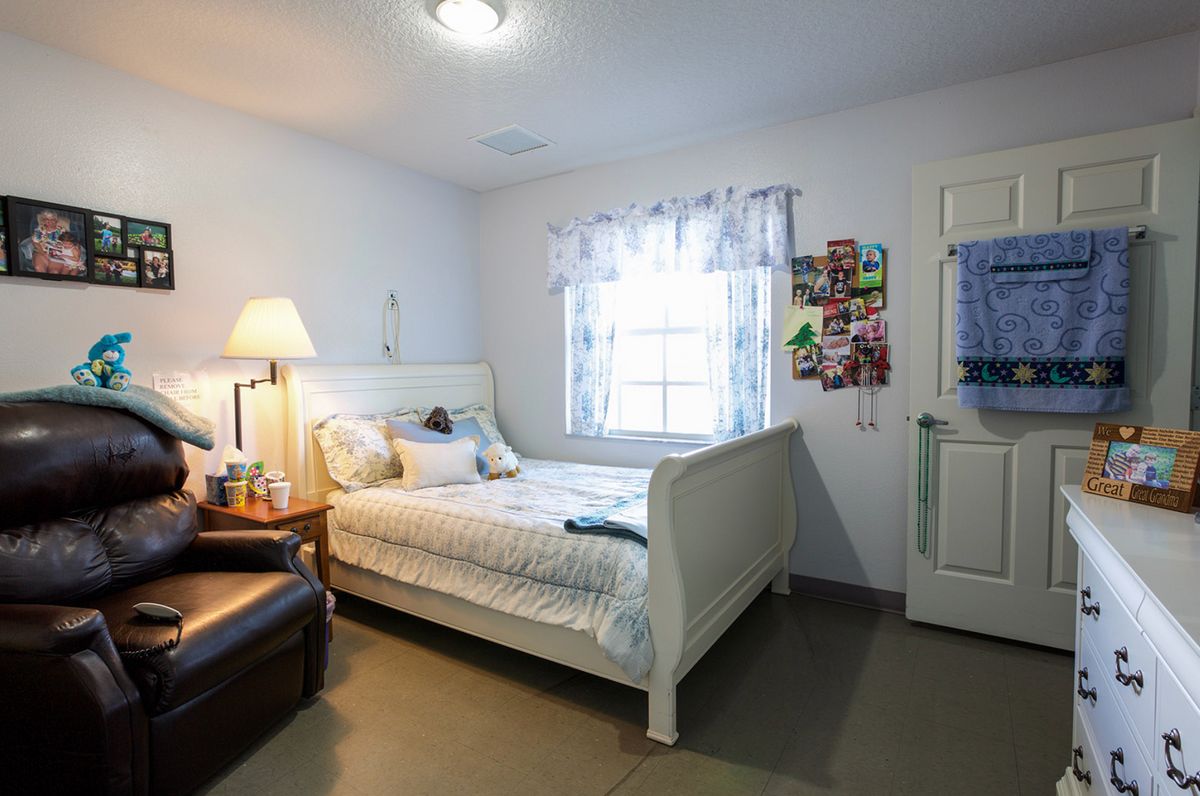
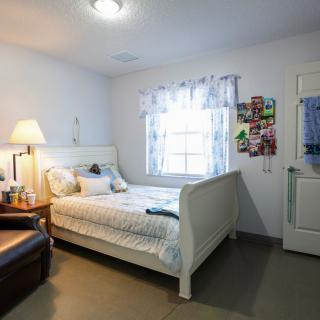
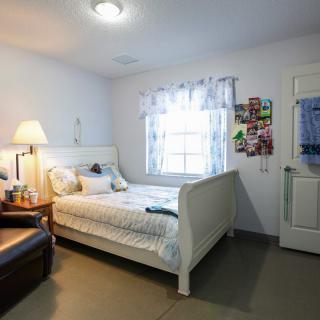
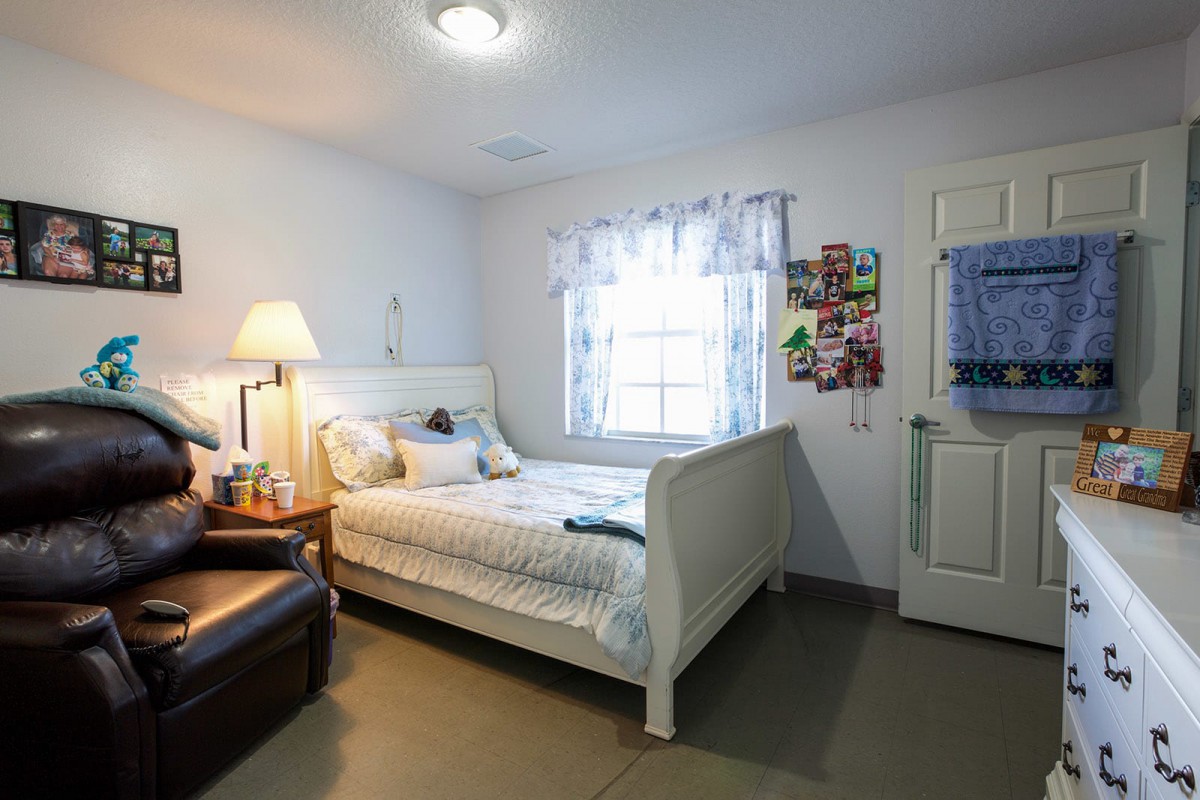
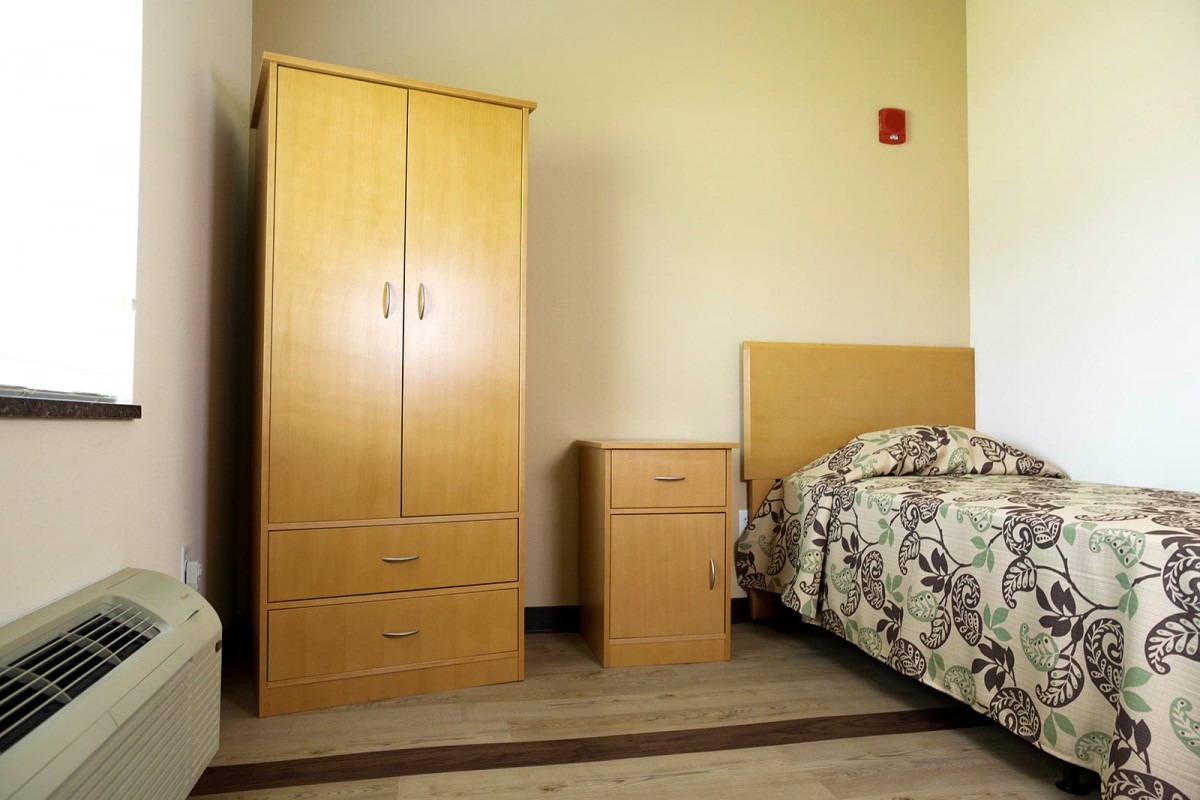
    A cozy bedroom with a white bed and bedside table.
  • Decor

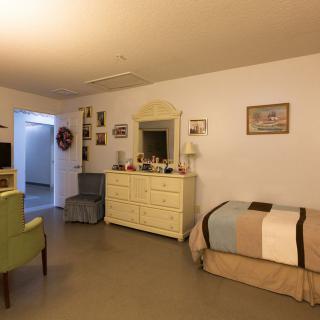
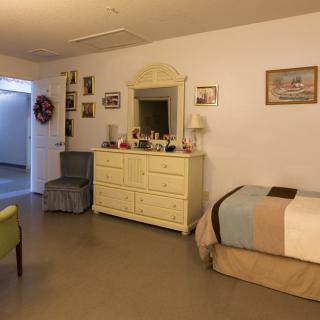
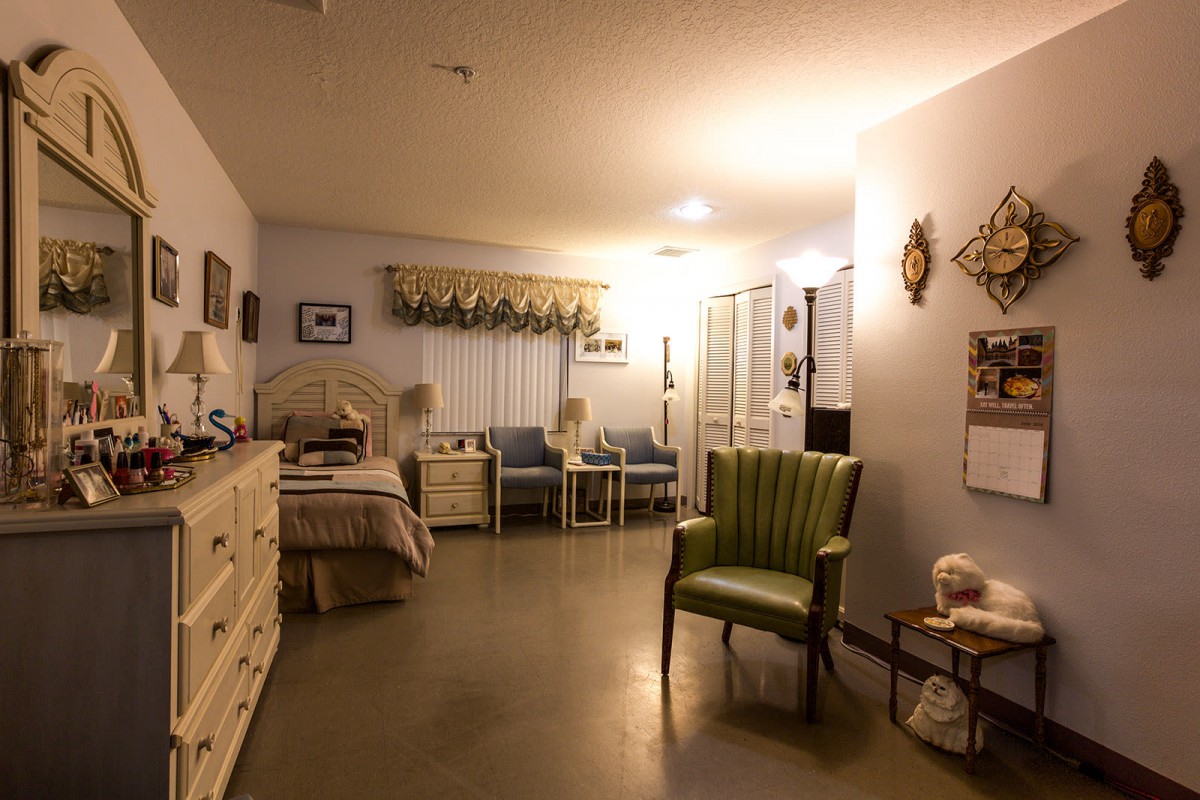
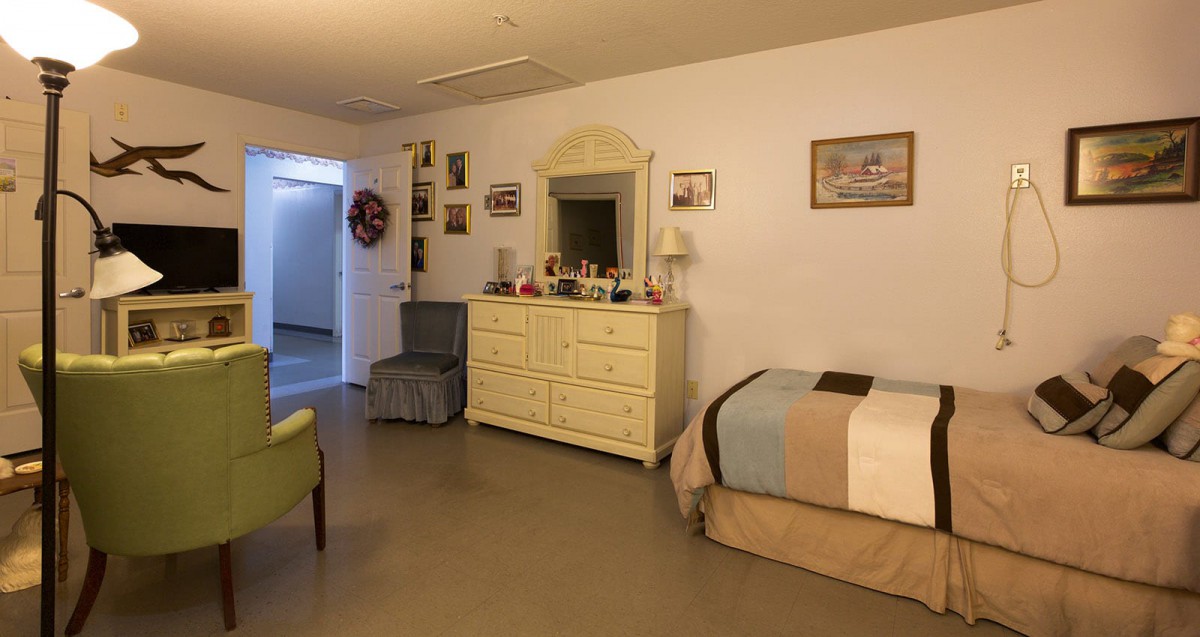
    A cozy bedroom with a single bed, a dresser with a mirror, and various decorations on the walls.
  • Building

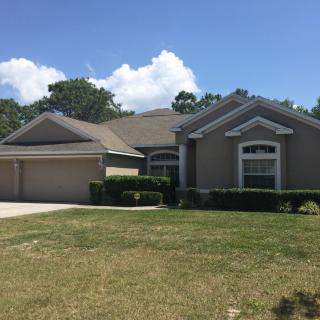
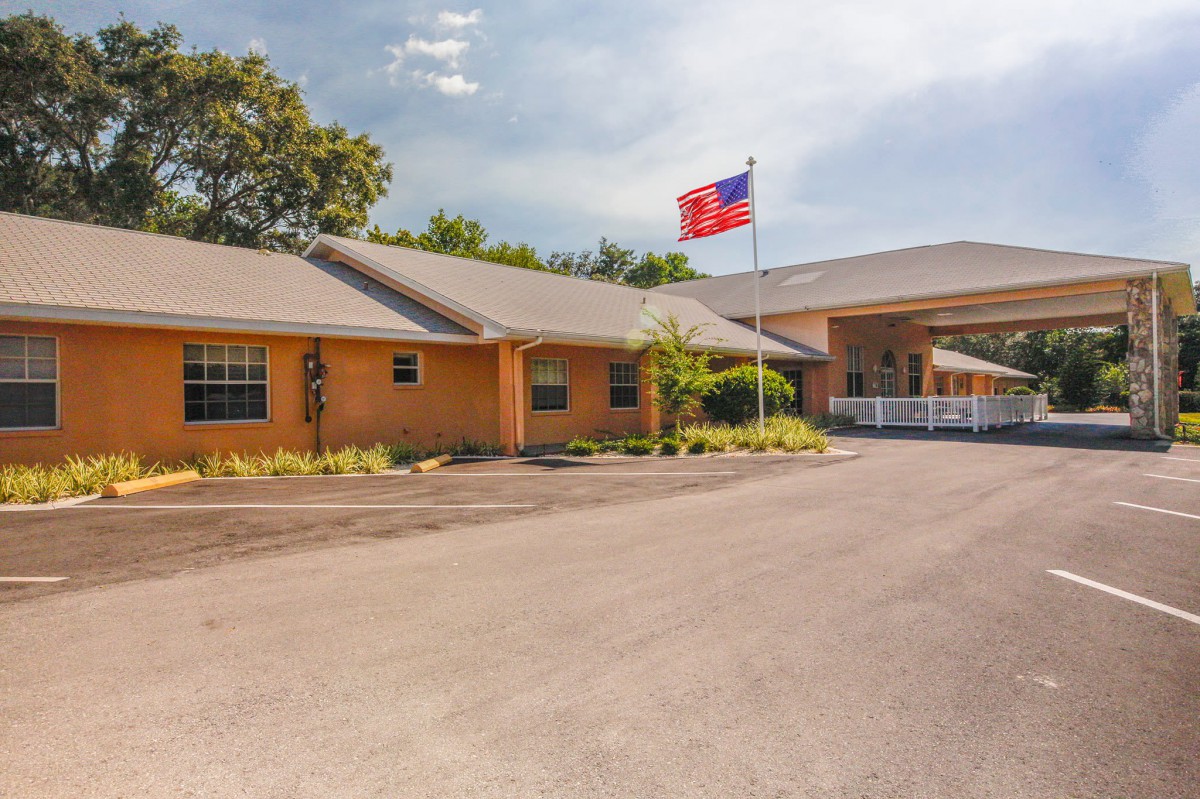
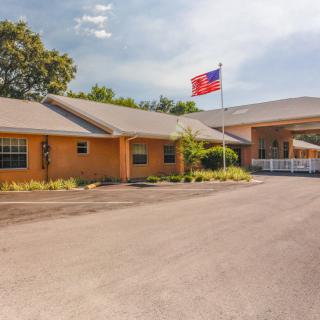
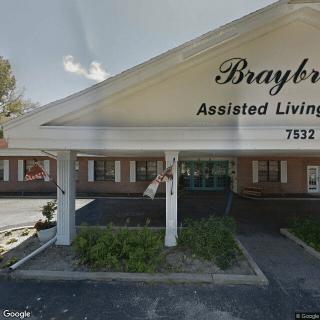
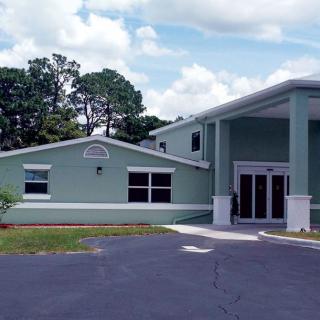
    A single-story building with a flagpole in front, located next to a parking lot and surrounded by trees, under a partly cloudy sky.
  • Bedroom

    A cozy bedroom with a dresser and a mirror, adorned with various decorations and a neatly made bed.
  • Windows

    A cozy bedroom with a white bed, bedside lamp, and a window letting in natural light.
  • Dining

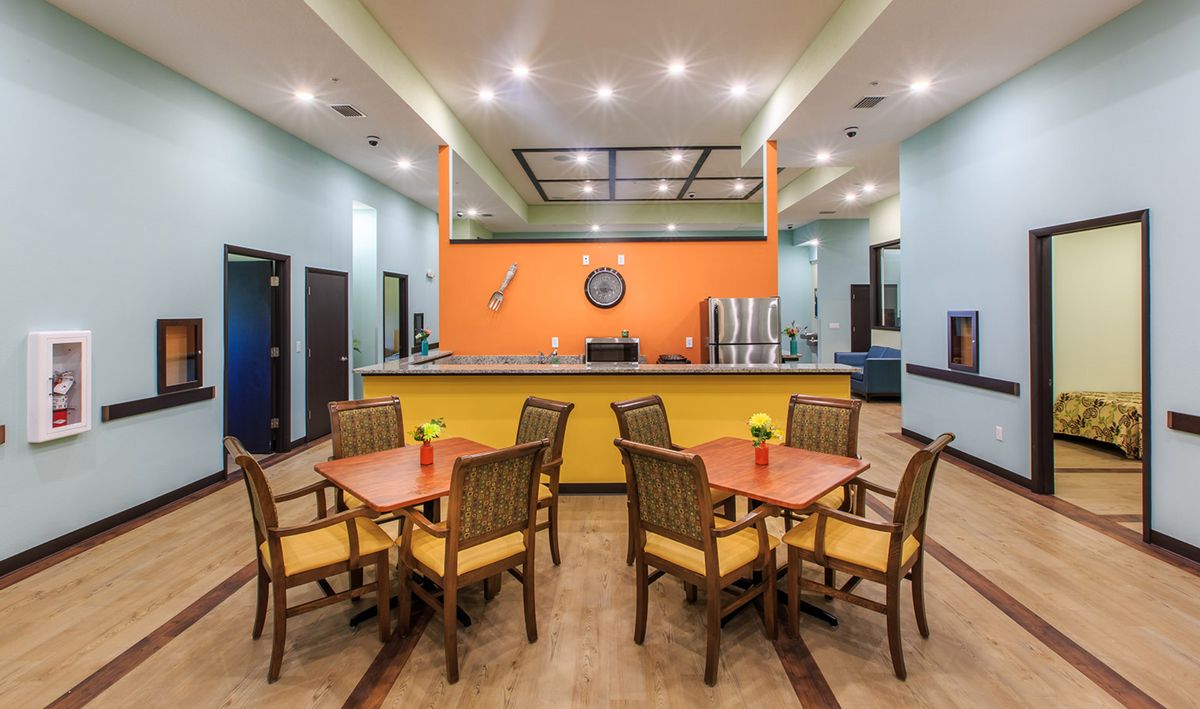
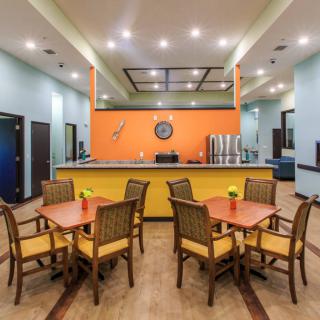
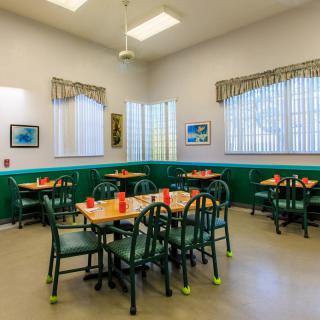
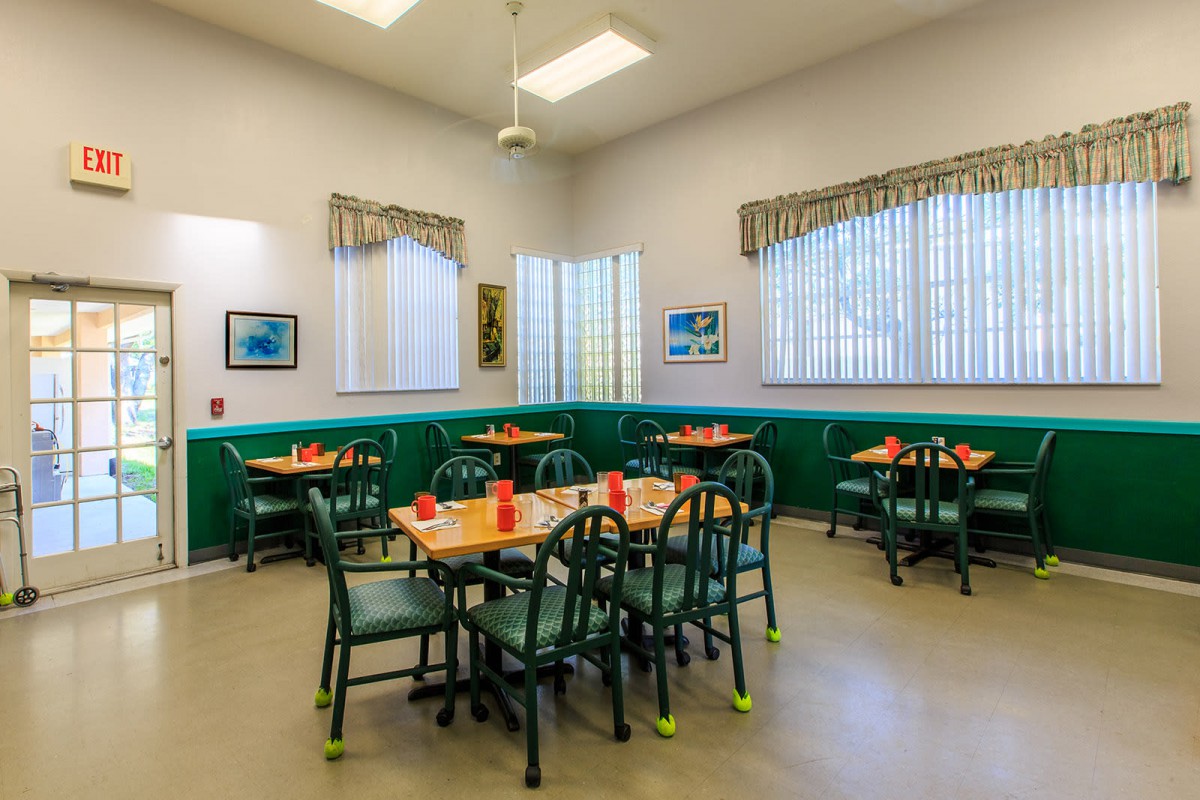
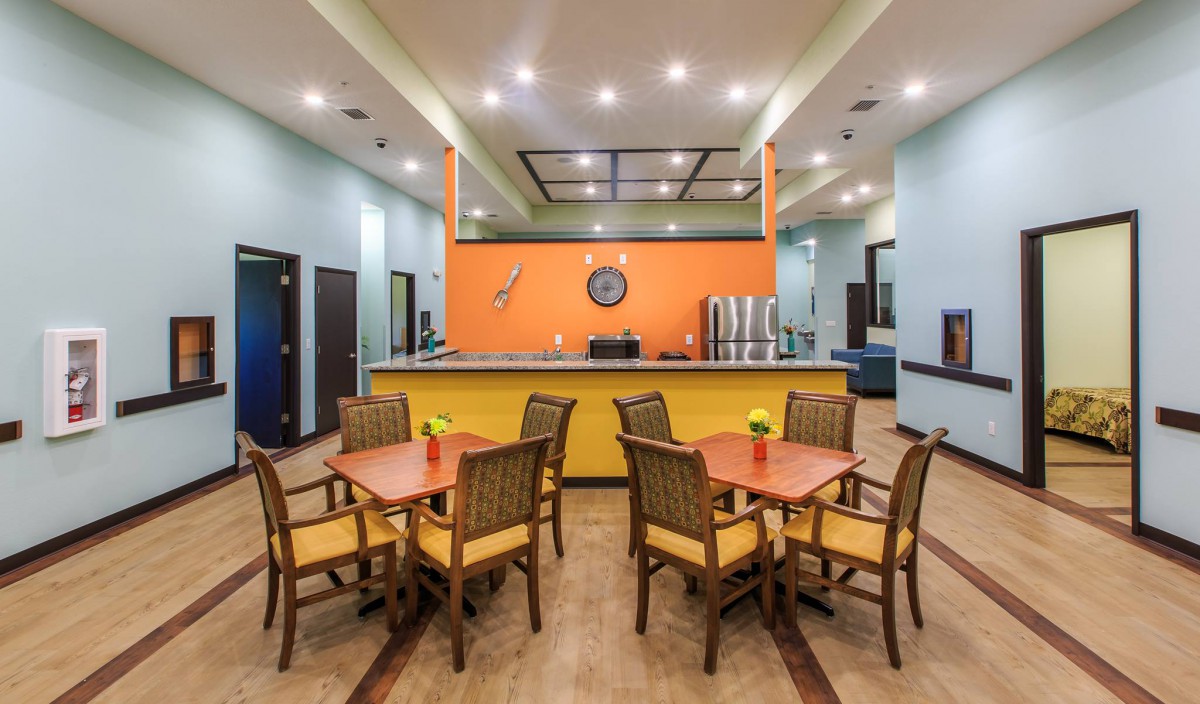
    A modern dining space with colorful decor and comfortable seating.
  • Lighting

    Modern lobby with colorful sofas and a large television.
  • Lights

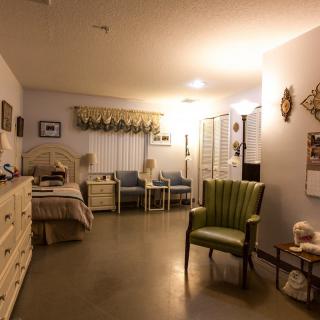
    A cozy bedroom with a bed, dresser, and chairs, warmly lit by soft lighting.

Jennifer Gardens in Port Richey, FL

7334 Jennifer Street, Port Richey, FL 34668

For more information about senior living options: (844) 490-3973

4.3 from 89 reviews
5 stars
64
4 stars
10
3 stars
4
2 stars
1
1 stars
10

Assisted Living Independent Living Memory Care Respite Care

Jennifer Gardens Costs & Pricing

At Jennifer Gardens, the monthly costs for accommodations are competitively positioned within the broader context of Pasco County and Florida as a whole. For a semi-private room, residents can expect to pay $2,800, which is slightly below the county average of $2,898 and significantly more affordable than the state average of $3,009. Similarly, studios at Jennifer Gardens are priced at $3,200 - again undercutting both the county's average of $3,320 and Florida's higher state average of $3,823. This pricing strategy not only emphasizes Jennifer Gardens' commitment to providing quality care at accessible rates but also positions it as an attractive option for prospective residents seeking value without compromising on comfort or services.

Floor plansJennifer GardensPasco CountyFlorida
Semi-Private$2,800$2,898$3,009
Studio$3,200$3,320$3,823

Overall Review of Jennifer Gardens

Pros

  • pro The staff at Jennifer Gardens is amazing and a pleasure to work with in a smaller, well-maintained facility.
  • pro Jennifer Gardens provides excellent care for residents, with a compassionate and dedicated staff.
  • pro The owners and staff are fully committed to serving all residents with excellence, nursing, and a caring atmosphere.
  • pro Jennifer Gardens feels like a home away from home - consistently described as positive, friendly, supportive, and welcoming.
  • pro The facility is clean, well kept, and has a home-like atmosphere that residents and families appreciate.
  • pro The memory care unit is well designed for Alzheimer's care, with attentive, kind staff.
  • pro Families report that the staff treats residents like family and goes above and beyond.
  • pro The dining and activities programs are engaging, with good food and plenty of things to do.
  • pro Jennifer Gardens is highly recommended by families for the care of their loved ones.

Cons

  • pro The reviewer says the facility is totally unprepared to handle Alzheimer's patients in memory care, citing undiagnosed scabies, unexplained bruising, and no follow-up calls after injuries.
  • pro The reviewer reports the night shift is run by 19-year-old CNAs who weigh about 90 pounds, implying safety concerns.
  • pro The reviewer notes the front desk is often unattended and visitors are left waiting, with front doors that lock from the inside - a red flag.
  • pro The reviewer describes the memory care entrance as jail-like due to combination-locked doors and a lack of windows.
  • pro The reviewer says the community is severely understaffed and cannot provide adequate care.
  • pro The reviewer calls it the worst place to put a loved one, alleging residents were left dirty and some belongings were missing.
  • pro The reviewer cites dehydration, multiple unexplained falls, and injuries with no timely communication to families.
  • pro The reviewer describes the location as backed up to a trailer park in deplorable condition.

Review

Jennifer Gardens in Port Richey, Florida is best suited for families seeking a small, family-owned assisted living with a true home-like feel and a dedicated memory care option. This community appeals to those who value personal attention, consistent caregiver relationships, and a warm, intimate atmosphere where residents are known by name. For families navigating memory care but wanting a setting that emphasizes daily routines, meaningful activities, and visible, hands-on involvement from owners, Jennifer Gardens often stands out. It is particularly well-matched for residents who respond to familiar faces, regular engagement, and a structured day that blends care with social life.

The strongest case for Jennifer Gardens rests on its people and its atmosphere. Numerous residents and families describe a tight-knit, caring culture delivered by a hands-on, family-owned team. The staff and owners are repeatedly praised for being trustworthy, responsive, and genuinely committed to residents' well-being. The facility's cleanliness, homey decor, and reliable housekeeping contribute to a sense of safety and dignity. Food, activities, and opportunities for social connection are consistently highlighted as meaningful parts of daily life, with many residents appearing happier and more engaged after moving in. The memory care wing, designed with Alzheimer's and related needs in mind, receives frequent positive notes for attentive care, touchpoints with families, and partnership with hospice when necessary. Across care levels, families report strong communication, timely updates, and a willingness to accommodate individual preferences and financial arrangements.

Yet the reviews also reveal notable caveats that demand careful consideration. A minority of experiences describe disorganization at the front desk or moments when staffing coverage seemed insufficient to fully manage every request, especially around tours or admission logistics. Several accounts raise concerns about memory care arrangements, including references to shared rooms in some configurations, occasional understaffing, or gaps in supervision that a discerning family would want to verify during a visit. A few reviews include harsher judgments about safety and oversight, and there are anecdotes about unpleasant odors or restrictive practices; while these are not the prevailing sentiment, they signal the importance of conducting a thorough, on-site evaluation. Location drawbacks are mentioned by some entrants, including proximity to less desirable surroundings and the need to assess whether the campus layout aligns with a resident's privacy and mobility needs.

When the positives align with the negatives, the key question becomes whether the pros offset the cons for a given situation. Jennifer Gardens' strengths - deep family involvement, a clearly loving staff culture, high cleanliness standards, and a robust program of activities - often compensate for the small size and occasional operational frictions. Families repeatedly note that residents are well-groomed, well-fed, and actively engaged, with care teams that treat loved ones with genuine warmth. The ability to transition within the building between assisted living and memory care, along with proactive family communication, helps many families experience less stress around ongoing care planning. For those who prioritize a home-like setting, intimate staff-resident ratios, and daily reassurance that caregiving staff know their loved one's preferences, these offsetting benefits can be decisive.

However, alternatives should be on the radar for families with different priorities. If a full-scale, large-campus experience with abundant medical staffing and formal systems is non-negotiable, larger facilities with more pronounced acute medical support may be a better fit. For residents who require private memory care rooms, a higher level of clinical oversight, or more intensive behavioral supervision, exploring other options could avoid compromises on privacy or care intensity. Those who place a premium on consistently seamless front-desk operations, tighter admission processes, or the assurance of uniform staffing at every shift may want to compare several facilities to see which operational style most closely matches expectations.

In the end, Jennifer Gardens offers a practical, compassionate option for families seeking a smaller, home-centered environment with a strong sense of community and a proven, caring approach to memory care. The clear path forward involves scheduling a thorough on-site tour, meeting the current caregiving team and administrators, and speaking with families who have recent experience with both assisted living and memory care within the building. Key due-diligence steps include confirming room configurations (private versus shared) in memory care, verifying staffing patterns and support for medical needs, reviewing care plans and family communication practices, and clarifying admission timelines and financial arrangements. For those who can embrace a warm, family-driven setting and the daily rhythm of a close-knit community, Jennifer Gardens stands out as a well-considered choice in the Port Richey area.

Features

Housing

  • 48 resident community capacity 48 resident community capacity
  • Studio apartments Studio apartmentsStudio apartments are important for seniors because they offer a smaller, more manageable living space that is easier to navigate and maintain as physical abilities decline. Additionally, studio apartments provide seniors with independence and privacy while still being part of a community that offers support and social opportunities.

Types of Care

  • Assisted Living Assisted LivingAssisted living facilities provide crucial support and care for seniors who may need help with daily tasks such as medication management, bathing, and meal preparation. These communities offer a safe and comfortable environment where seniors can maintain their independence while receiving the assistance they need to thrive in their golden years.
  • Independent Living Independent LivingIndependent living communities are important for seniors because they offer a safe and supportive environment where older adults can live independently while still having access to amenities and services that enhance their quality of life. These communities provide social opportunities, recreational activities, and assistance with daily tasks, promoting overall well-being and allowing seniors to maintain their independence for as long as possible.
  • Memory Care Memory CareMemory care is crucial for seniors as it provides specialized support and services for individuals with dementia or Alzheimer's disease. These programs offer a safe and secure environment where residents receive personalized care, cognitive stimulation, and help with daily activities. Memory care helps seniors maintain their independence, quality of life, and dignity while also providing peace of mind for their families.
  • Respite Care Respite CareRespite care provides temporary relief for caregivers, allowing them to recharge and attend to their own needs. It also gives seniors the opportunity to socialize, receive professional care, and experience a change of scenery, promoting overall well-being and reducing feelings of isolation.

Amenities

  • Activities on-site Activities on-siteActivities on-site are important for seniors because they provide opportunities for socialization, mental stimulation, physical activity, and overall well-being. Engaging in activities can help seniors stay active, maintain their independence, and improve their quality of life.
  • Beautician on-site Beautician on-siteHaving a beautician on-site at a senior living community is important for seniors as it allows them to easily access grooming and personal care services, boosting their self-esteem and overall well-being. It also provides convenience and helps seniors maintain their sense of independence and personal style.
  • Beauty salon Beauty salonBeauty salons are important for seniors because they provide a space for them to feel pampered, socialize, and maintain their personal grooming and hygiene. Regular visits to a beauty salon can help boost seniors' self-esteem and overall well-being.
  • Cable or satellite TV Cable or satellite TVCable or satellite TV is important for seniors because it provides entertainment, news, and companionship, helping to combat loneliness and boredom. It also offers a wide range of programming options tailored to different interests and preferences.
  • Cafe CafeCafes are important for seniors because they provide a social setting where they can connect with others, enjoy a meal or beverage, and engage in activities that promote mental stimulation and overall well-being. Additionally, cafes offer a convenient and accessible option for seniors to dine out without the hassle of preparing meals at home.
  • Devotional services off-site Devotional services off-siteDevotional services off-site are important for seniors as they provide spiritual nourishment, social engagement, and a sense of community outside of the senior living facility. This can enhance overall well-being and help combat feelings of isolation and loneliness often experienced by older adults.
  • Dining room Dining roomDining rooms are important for seniors as they provide a space for socialization, connection, and nutritious meals. They offer opportunities for residents to bond over shared meals, foster a sense of community, and promote healthy eating habits. Dining rooms also ensure that seniors have access to well-balanced meals tailored to their dietary needs and preferences.
  • Financing advice Financing adviceFinancing advice is crucial for seniors as they navigate the complexities of retirement planning, including managing fixed incomes, healthcare costs, and potential long-term care needs. Proper financial guidance can help ensure seniors maintain financial stability and security in their golden years.
  • Fully furnished Fully furnishedFully furnished senior living communities are important for seniors because they provide convenience, comfort, and a hassle-free moving experience. Seniors can easily settle into their new living space without the stress of having to buy and move furniture. This allows them to focus on enjoying their new home and community.
  • Garden GardenGardens are important for seniors as they provide a peaceful and therapeutic environment for relaxation, physical activity, and socialization. Being in nature has been shown to reduce stress, improve mood, and promote overall well-being. Gardens also offer opportunities for seniors to engage in gardening activities, which can improve mobility, flexibility, and cognitive function. Additionally, gardens create a sense of community and connection with others who share a passion for plants and outdoor spaces.
  • Guasts at mealtime Guasts at mealtime"Guests at mealtime" offer seniors the opportunity for social interaction, companionship, and a sense of community during meals, which can help combat feelings of loneliness and isolation commonly experienced in senior living environments. It can also enhance their overall dining experience and improve their mental and emotional well-being.
  • Guest parking Guest parkingGuest parking is important for seniors because it allows their friends and family members to visit them easily and safely. Having convenient parking options can help combat feelings of isolation and loneliness, promote regular social interaction, and improve overall mental and emotional well-being for seniors in senior living communities.
  • Housekeeping services Housekeeping servicesHousekeeping services are important for seniors because they help maintain a clean and safe living environment, promote independence, and reduce the risk of accidents or illnesses. Additionally, having assistance with household chores can alleviate physical strain and allow seniors to focus on other aspects of their well-being.
  • Indoor common areas Indoor common areasIndoor common areas are crucial for seniors as they provide a space for socialization, recreation, and community engagement, promoting overall well-being and reducing feelings of isolation and loneliness.
  • Kitchenette KitchenetteKitchenettes are important for seniors living in senior living communities because they provide the convenience and independence of being able to prepare simple meals and snacks in the comfort of their own living space. This can help promote a sense of autonomy and well-being for seniors, allowing them to maintain some level of control over their dietary choices and daily routines.
  • Laundry LaundryLaundry services are important for seniors as they may have difficulty with physical tasks such as bending, lifting, or carrying heavy loads. Having access to laundry services can help seniors maintain personal hygiene, cleanliness, and independence in their daily lives.
  • Move-in coordination Move-in coordinationMove-in coordination is important for seniors because it helps ease the transition into their new living environment. It ensures that all logistics, such as packing, organizing movers, and setting up utilities are taken care of, allowing seniors to focus on settling in and adjusting to their new home. Having a smooth move-in process can alleviate stress and anxiety, making the transition smoother and more enjoyable for seniors.
  • Outdoor space Outdoor spaceOutdoor spaces are important for seniors as they provide opportunities for physical activity, social interaction, exposure to natural light and fresh air, and a sense of connection to nature. Having access to outdoor spaces can improve overall well-being and quality of life for older adults living in senior communities.
  • Overnight guests Overnight guestsOvernight guests provide companionship, social engagement, and emotional support for seniors in senior living communities. They can help reduce feelings of loneliness, isolation, and boredom, while also promoting mental well-being and overall quality of life. Additionally, overnight guests can offer a sense of familiarity and comfort for seniors who may be transitioning into a new living environment.
  • Party space Party spaceHaving access to party space is important for seniors as it provides opportunities for socialization, connection, and enjoyment. These spaces allow seniors to celebrate special occasions, host gatherings with friends and family, and participate in community events, enhancing their overall well-being and quality of life.
  • Resident parking Resident parkingResident parking is crucial for seniors in a senior living community as it provides convenience, accessibility, and safety for residents who may have limited mobility or rely on personal vehicles for transportation. Having designated parking spaces ensures that seniors can easily access their homes without having to walk long distances or navigate crowded parking lots, ultimately enhancing their overall quality of life and sense of independence.
  • Respite or short term stays offered Respite or short term stays offeredRespite or short term stays provide seniors with a temporary solution when their regular caregiver is unavailable, offering them the opportunity to receive additional care and support during times of need, while also giving caregivers a chance to rest and recharge.
  • Restaurant-style dining Restaurant-style diningRestaurant-style dining is important for seniors because it allows them to enjoy delicious, nutritious meals in a social and upscale setting. This enhances their dining experience, promotes healthy eating habits, and fosters socialization with fellow residents, ultimately contributing to their overall well-being and quality of life.
  • Small library Small librarySmall libraries are important for seniors as they provide access to a variety of reading materials, including books, newspapers, and magazines. This can help stimulate their minds, keep them engaged, and provide a sense of community through book clubs and other social activities. Additionally, reading has been shown to improve cognitive function and overall mental well-being in older adults.
  • TV room TV roomTV rooms are important for seniors in senior living communities because they provide a space for social interaction, entertainment, and relaxation. Watching TV can help reduce feelings of loneliness and boredom, and create a sense of community among residents. Additionally, TV rooms offer a break from daily routines and can be a source of comfort and familiarity for seniors.
  • Telephone TelephoneTelephones are important for seniors as they provide a lifeline for communication with loved ones, emergency services, and healthcare providers. They offer a sense of security and independence, enabling seniors to stay connected and access assistance when needed.
  • VA Benefits Consultation VA Benefits ConsultationVA Benefits Consultations are important for seniors because they provide valuable information on the benefits and resources available to them as veterans. These consultations can help seniors access financial assistance, healthcare services, and other support that can greatly improve their quality of life in their later years.
  • Wi-Fi/high-speed internet available Wi-Fi/high-speed internet availableWi-Fi/high-speed internet is important for seniors to stay connected with loved ones, access online resources, and participate in virtual activities to combat feelings of loneliness and isolation. It also allows them to easily manage healthcare needs, access entertainment, and engage in lifelong learning opportunities.

Transportation

  • Transportation & parking Transportation & parkingTransportation and parking are vital for seniors as they offer access to essential services, activities, and social interactions. Reliable transportation options can help seniors maintain independence, stay connected within their community, and enjoy a higher quality of life. Additionally, convenient parking facilities ensure that seniors can easily access necessary resources and amenities without added stress or difficulty.

Care Services

  • 24-hour call system 24-hour call system24-hour call systems are important for seniors because they provide peace of mind and immediate assistance in case of emergencies. This technology ensures that help is always available, promoting safety and security for elderly individuals living alone or in assisted living facilities.
  • 24-hour supervision 24-hour supervision24-hour supervision is important for seniors to ensure their safety, well-being, and access to immediate assistance in case of emergencies or health issues. This constant support provides peace of mind for both seniors and their loved ones, allowing them to age in place with dignity and security.
  • Activities of daily living assistance Activities of daily living assistanceActivities of daily living assistance are important for seniors because they provide essential support with tasks such as eating, bathing, dressing, and mobility. This assistance helps seniors maintain their independence, dignity, and overall quality of life as they age.
  • Ambulatory care Ambulatory care"Ambulatory care services provide essential medical support and treatment to seniors without requiring hospitalization, allowing them to maintain their independence and quality of life while managing chronic conditions or receiving routine medical care."
  • Assistance with bathing Assistance with bathingAssistance with bathing is crucial for seniors as it helps maintain personal hygiene, prevents infections, and ensures their overall well-being and comfort. It also provides a sense of dignity and independence for seniors who may struggle with this task on their own.
  • Assistance with dressing Assistance with dressingAssistance with dressing is important for seniors because it helps maintain their independence, promotes personal hygiene, prevents accidents and injuries, and improves overall quality of life. This service ensures that seniors can continue to dress comfortably and confidently, despite any physical limitations they may have.
  • Assistance with transfers Assistance with transfersAssistance with transfers is crucial for seniors as it helps prevent falls and injuries, maintains their independence, and ensures they can safely navigate their living environment. It also provides peace of mind for both seniors and their loved ones.
  • Diabetes diet Diabetes dietA diabetes diet is crucial for seniors as it helps manage blood sugar levels, reduce risks of complications, and improve overall health and well-being. By following a balanced and nutritious diet tailored to their specific needs, seniors can better control their diabetes and enhance their quality of life.
  • Diabetic care Diabetic careDiabetic care is crucial for seniors as they are more susceptible to developing diabetes due to aging and other health conditions. Proper management of diabetes can help prevent complications such as heart disease, vision loss, and nerve damage, improving the overall quality of life for seniors in senior living communities.
  • Incontinence care Incontinence careIncontinence care is essential for seniors to maintain their dignity, hygiene, and overall quality of life. By addressing incontinence issues promptly and effectively, seniors can enjoy a sense of independence and comfort in their daily activities.
  • Meal preparation and service Meal preparation and serviceMeal preparation and service are crucial for seniors as they may have limited mobility or energy to cook nutritious meals. Having access to healthy and convenient food options can ensure they are getting the proper nutrition needed to maintain their overall health and well-being.
  • Medication management Medication managementMedication management is crucial for seniors to ensure they are taking the right medications at the correct dosages and times. This helps prevent adverse drug interactions, reduces the risk of medication errors, and promotes overall health and well-being. Proactive management also allows for adjustments as needed based on changing health conditions or new prescriptions.
  • Mental wellness program Mental wellness programMental wellness programs are essential for seniors as they promote cognitive stimulation, emotional support, and social engagement. These programs help prevent isolation, depression, and cognitive decline, ultimately enhancing the overall quality of life for older adults.
  • Mild cognitive impairment Mild cognitive impairment"Mild cognitive impairment" is important for seniors because it is an early stage of cognitive decline that can potentially progress to more severe conditions such as dementia. Recognizing and addressing mild cognitive impairment can help seniors receive appropriate care and support to maintain their quality of life and independence for as long as possible.
  • Personal care assistants Personal care assistantsPersonal care assistants are essential for seniors as they provide assistance with daily tasks, such as dressing, bathing, and medication management. They offer crucial support and companionship to help seniors maintain independence and quality of life in their own homes or in senior living communities.
  • Physical therapy Physical therapyPhysical therapy is essential for seniors to maintain and improve their mobility, strength, and overall quality of life. It helps reduce pain, prevent falls, and enhance independence in daily activities. By promoting movement and function, physical therapy can help seniors stay active, healthy, and engaged in their communities.
  • Special dietary restrictions Special dietary restrictionsSpecial dietary restrictions are important for seniors because age-related changes in metabolism and health conditions can make it difficult for their bodies to process certain foods. By following a diet tailored to their specific needs, seniors can maintain their overall health and well-being, manage chronic conditions, and reduce the risk of complications such as malnutrition or food interactions with medications.
  • Specialized memory care programming Specialized memory care programmingSpecialized memory care programming is crucial for seniors with cognitive impairments such as dementia or Alzheimer's disease. These programs provide a safe and supportive environment tailored to the unique needs of individuals with memory loss, helping them maintain their independence, dignity, and quality of life.

Dining

  • Diabetes diet Diabetes dietA diabetes diet is crucial for seniors as it helps manage blood sugar levels, reduce risks of complications, and improve overall health and well-being. By following a balanced and nutritious diet tailored to their specific needs, seniors can better control their diabetes and enhance their quality of life.
  • Meals provided Meals provided"Meals provided" are crucial for seniors in assisted living communities as it ensures they have access to nutritious, balanced meals without the stress of meal planning and preparation. This can help promote overall health and well-being for seniors who may have limited mobility or cognitive abilities.
  • Room service Room serviceRoom service is important for seniors in a senior living community because it provides convenience and allows them to have their meals delivered directly to their room. This can be especially beneficial for seniors who may have mobility issues or difficulty accessing the dining area. Room service ensures that seniors are able to receive nutritious meals without having to navigate through the facility, allowing them to maintain their independence and overall well-being.
  • Special dietary restrictions Special dietary restrictionsSpecial dietary restrictions are important for seniors because age-related changes in metabolism and health conditions can make it difficult for their bodies to process certain foods. By following a diet tailored to their specific needs, seniors can maintain their overall health and well-being, manage chronic conditions, and reduce the risk of complications such as malnutrition or food interactions with medications.

Activities

  • Activities off-site Activities off-siteActivities off-site are crucial for seniors as they provide opportunities for socialization, mental stimulation, and physical activity outside of their usual routine. This helps combat feelings of isolation and boredom, promotes overall well-being, and allows seniors to remain engaged in the community.
  • Activities on-site Activities on-siteActivities on-site are important for seniors because they provide opportunities for socialization, mental stimulation, physical activity, and overall well-being. Engaging in activities can help seniors stay active, maintain their independence, and improve their quality of life.
  • Arts and crafts Arts and craftsEngaging in arts and crafts activities provides seniors with a creative outlet, promotes cognitive function, enhances dexterity and fine motor skills, fosters social interaction, and boosts overall well-being and mental health.
  • Book club Book clubBook clubs are important for seniors because they provide socialization, intellectual stimulation, and a sense of community. They offer the opportunity to engage in meaningful discussions, share perspectives, and connect with others who share a love of reading. Book clubs can also help seniors stay mentally active and combat feelings of loneliness or isolation.
  • Community-sponsored activities Community-sponsored activitiesCommunity-sponsored activities are important for seniors as they provide opportunities for social interaction, mental stimulation, and physical activity. These activities can help improve overall well-being, combat loneliness and isolation, and promote a sense of belonging and purpose among older adults.
  • Devotional activities offsite Devotional activities offsiteDevotional activities offsite are important for seniors because they provide social engagement, spiritual growth, and a sense of community outside of their living environment. This can improve overall well-being, mental health, and combat feelings of isolation or loneliness.
  • Educational speakers / life long learning Educational speakers / life long learningEducational speakers and lifelong learning opportunities are crucial for seniors as they provide mental stimulation, promote social engagement, and contribute to overall well-being. Continuous learning helps seniors stay mentally sharp, build new skills, and maintain a sense of purpose and fulfillment in their lives. It also allows them to stay connected to the world around them and fosters a sense of community within senior living facilities.
  • Fitness programs Fitness programsFitness programs are crucial for seniors as they help improve strength, flexibility, balance, and overall well-being. Staying active can reduce the risk of chronic diseases, improve mental health, and enhance quality of life in older adults.
  • Games GamesGames are an essential part of senior living as they help promote cognitive function, social interaction, and overall well-being. Playing games can improve memory, concentration, and decision-making skills while also providing a fun and engaging way to connect with others. Seniors who participate in games regularly tend to experience higher levels of satisfaction and happiness in their daily lives.
  • Live musical performances Live musical performancesLive musical performances can provide seniors with a sense of joy, nostalgia, and connection. Music has the power to evoke emotions and memories, improve mood and cognitive function, and foster social interaction among seniors. It can also serve as a form of therapy and stress relief for older adults, making it an important activity to include in senior living communities.
  • Religious services Religious servicesReligious services provide seniors with a sense of community, support, and spiritual fulfillment, which can improve their overall well-being and mental health. It also offers them opportunities for socialization and connection with others who share their beliefs.
  • Reminiscence programs Reminiscence programsReminiscence programs are vital for seniors as they provide opportunities for them to reflect on their life experiences, share memories with others, and maintain cognitive function. These programs can improve mood, stimulate social interaction, and enhance overall well-being for older adults.
  • Resident-run activities Resident-run activitiesResident-run activities are important for seniors as they encourage social interaction, creativity, and a sense of autonomy. These activities empower seniors to stay engaged and active in their community while fostering meaningful connections with their peers.
  • Scheduled daily activities Scheduled daily activitiesScheduled daily activities are important for seniors because they provide structure, socialization, mental stimulation, and physical activity. Engaging in regular activities can improve overall well-being and quality of life for seniors living in a community setting.
  • Stories StoriesStories are important for seniors because they provide a sense of connection, stimulate memory and cognitive function, and offer entertainment and emotional engagement. Sharing stories can foster social interaction and create a sense of community among seniors, enhancing their overall well-being and quality of life.

Languages Spoken

  • English EnglishEnglish is important for seniors as it allows them to communicate effectively with healthcare providers, understand important information related to their health and medications, stay connected with loved ones, and engage in social activities within their communities. It also opens up opportunities for lifelong learning and intellectual stimulation.

Description

Jennifer Gardens in Port Richey, FL is an exceptional assisted living community that offers a range of care services and amenities to its residents. With a focus on promoting independence and providing support, this community is perfect for seniors who value personalized care in a comfortable and welcoming environment.

The types of care available at Jennifer Gardens include Independent Living, Memory Care, and Respite Care. Whether residents require assistance with daily activities or specialized memory care programming, the dedicated staff are available around the clock to ensure their comfort and well-being.

The community boasts a variety of amenities designed to enhance the quality of life for residents. These include an on-site beautician and beauty salon, cable or satellite TV, a cafe, devotional services off-site, a dining room for delicious meals provided by professional chefs, financing advice, fully furnished accommodations, inviting gardens, guests welcomed at mealtime, guest parking facilities, housekeeping services, indoor common areas for socializing and relaxation, kitchenettes in each apartment for independent living options, laundry facilities for convenience and comfortability.

Moreover, move-in coordination is provided to make the transition as smooth as possible. Residents have access to outdoor spaces where they can enjoy fresh air and nature. The community also offers accommodations for overnight guests and party space for special occasions.

Residents will find plenty to keep them occupied with the range of activities available on-site. These include arts and crafts sessions,

book clubs,

community-sponsored activities,

educational speakers,

fitness programs,

games,

live musical performances,

religious services,

reminiscence programs that promote mental wellness through reminiscing about past experiences,

resident-run activities that encourage social engagement as well as scheduled daily activities to keep everyone entertained.

Additionally Jennifer Gardens is conveniently located near various amenities including cafes , pharmacies , physicians , restaurants , transportation options , making it easy for residents to access necessary services and enjoy local attractions.

With its dedication to providing exceptional care combined with a wide array of amenities and activities, Jennifer Gardens is the ideal assisted living community for seniors in Port Richey, FL.

Videos

Nearby Places of Interest

This part of Port Richey, Florida is a convenient and accessible area with various amenities nearby. There are multiple pharmacies within close proximity, making it easy to access medication and healthcare services. Additionally, there are a variety of dining options ranging from Chinese and Italian cuisine to fast food options like Wendy's and Taco Bell. Medical facilities are also conveniently located, with several physicians' offices in the vicinity. For seniors looking for recreational activities, there is the Jay B Starkey Wilderness Park a short drive away where they can enjoy nature walks and outdoor activities. Overall, this area offers a mix of convenience, healthcare services, dining options, and recreational opportunities for seniors considering senior living in Port Richey.

Pharmacies

  • Doctors Choice Pharmacy #2 (0.2 miles)
  • CVS Pharmacy (0.4 miles)
  • CVS Pharmacy (1.6 miles)
  • Walgreens (2.1 miles)
  • Medsource Pharmacy (2.2 miles)
  • Winn-Dixie (2.3 miles)
  • Fairway Oaks Pharmacy (2.4 miles)

Restaurants

  • Green Tea Chinese Restaurant (0.3 miles)
  • Wendy's (0.4 miles)
  • Prime Time Bar & Grill (0.5 miles)
  • Skinny's Bar & Grille (1.5 miles)
  • Popeyes Louisiana Kitchen (1.5 miles)
  • Argento's italian Bistro (1.8 miles)
  • Taco Bell (2.1 miles)

Physicians

  • Swain Shyam MD (0.3 miles)
  • New Image Dermatology (0.4 miles)
  • Edward A Capone (0.4 miles)
  • Ramappa & Associates (0.6 miles)
  • Spine & Pain Medicine Center (1.5 miles)
  • The Center For Bone & Joint Disease (2 miles)
  • Hamill Dermatology - Hudson (2 miles)

Transportation

  • U-Haul Moving & Storage (1.5 miles)

Hospitals

  • Bayonet Medical Center (2.3 miles)

Cafes

  • Panera Bread (2.6 miles)
  • Starbucks (6.6 miles)

Parks

  • Jay B Starkey Wilderness Park (6.8 miles)

Frequently Asked Questions

How much does it cost to live at Jennifer Gardens in Port Richey, FL?
What floor plans and room types does Jennifer Gardens offer?
Where is Jennifer Gardens?
Does Jennifer Gardens provide care for residents with dementia or Alzheimer's disease?
What photos are available for Jennifer Gardens in Port Richey, Florida?

Nearby Communities

  • Braybrook Residence

    Braybrook Residence

    Hudson, FL

     
    $2,200 to $2,700 / month

    pro Competitive pricing with comprehensive care options (memory care, day program, respite).


  • National Healthcare Ctr

    National Healthcare Ctr

    Hudson, FL

    3.7 from 103 reviews
     

    pro Bright, clean, welcoming environment with attentive staff and engaging activities

  • Solaris Healthcare Bayonet Point

    Solaris Healthcare Bayonet Point

    Hudson, FL


    pro Wide range of on-site care and amenities with 24/7 staffing.

  • Vitality Living Baypoint Village

    Vitality Living Baypoint Village

    HUDSON, FL

    4.2 from 189 reviews
    $2,725 to $3,625 / month

    pro Attentive staff with comprehensive care options and engaging activities.

  • Brookwood Assisted Living

    Brookwood Assisted Living

    Hudson, FL

    4.3 from 15 reviews
    $2,100 to $2,350 / month

    pro Small, intimate setting enabling personalized, compassionate care.

  • Bear Creek Nursing Center

    Bear Creek Nursing Center

    Hudson, FL

    4.1 from 117 reviews
     

    pro Caring staff in a clean, welcoming environment.

  • Vitality Living Hudson

    Vitality Living Hudson

    Hudson, FL

    4.6 from 136 reviews
    $2,800 to $7,800 / month

    pro Friendly, attentive staff in a welcoming, apartment-style community with a robust activities calendar.

  • Suncoast Retreat

    Suncoast Retreat

    New Port Richey, FL

    4.1 from 37 reviews
    $1,900 to $4,500 / month

    pro Friendly, caring staff and a family-like community; no upfront move-in fees or deposits, plus transportation support.

  • Angels Senior Living In New Port Richey

    Angels Senior Living In New Port Richey

    New Port Richey, FL

    4.4 from 45 reviews
     

    pro Clean facility with caring staff in a smaller, personal setting and engaging activities.

Related Resources

  • assisted living vs memory careUnderstanding the Distinctions: Assisted Living and Memory Care Explained

    The article differentiates between assisted living and memory care, explaining that assisted living supports seniors with daily activities while promoting independence, whereas memory care provides specialized services for individuals with dementia, focusing on secure environments and cognitive support. It also addresses staff training, safety considerations, costs, family involvement, and transition strategies for families navigating these care options.

  • how to talk to someone with dementiaHow to Communicate with a Loved One Living with Dementia: 10 Supportive Strategies

    The article outlines effective communication strategies for interacting with loved ones with dementia, highlighting the need for empathy, patience, and understanding while emphasizing supportive approaches like using simple language, minimizing distractions, and focusing on feelings over facts to maintain dignity and foster connection. It also suggests seeking professional guidance when needed as communication challenges evolve.

  • va nursing homeComprehensive Guide to VA Nursing Homes: A Crucial Long-Term Care Resource for Veterans
    VA nursing homes, or Community Living Centers (CLCs), offer tailored long-term care for veterans, featuring medical attention and rehabilitation in a supportive environment. The guide covers facility types, eligibility criteria, financial assistance options, quality of care standards, and alternatives to full-time nursing home placement.