
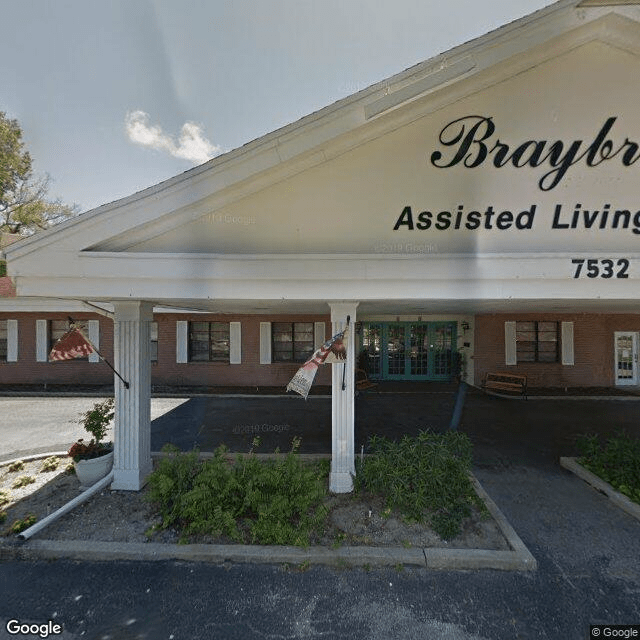
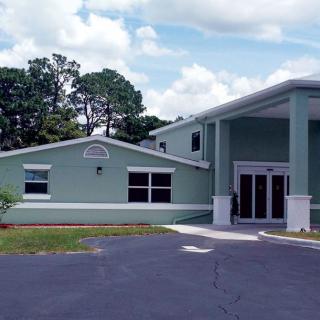
7532 State Road 52, Hudson, FL 34667
For more information about senior living options: (866) 208-4318
Braybrook Residence Costs & Pricing
Braybrook Residence offers competitive pricing for its residents, particularly when compared to both Pasco County and the broader state of Florida. For example, the cost of a semi-private room is set at $2,200 per month, which is significantly lower than the county average of $2,898 and state average of $3,009. Similarly, those seeking a studio will find Braybrook's monthly rate of $2,700 to be quite appealing compared to local and statewide averages of $3,320 and $3,823, respectively. These favorable rates make Braybrook Residence an attractive option for individuals seeking quality care in a supportive environment while being mindful of their budget.
| Floor plans | Braybrook Residence | Pasco County | Florida |
|---|---|---|---|
| Semi-Private | $2,200 | $2,898 | $3,009 |
| Studio | $2,700 | $3,320 | $3,823 |
Memory care communities with a similar price nearby
-
from -$200 / mo
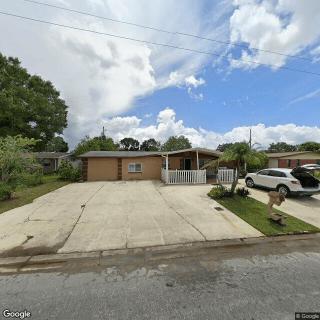
Caregivers Touch ALF
$2,000 to $3,000 / month24.9 miles away -
from +$300 / mo
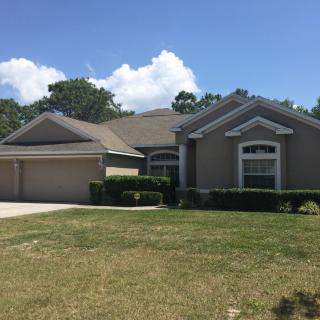
The Palms Assisted Living
$2,500 / month10.5 miles away -
from -$305 / mo
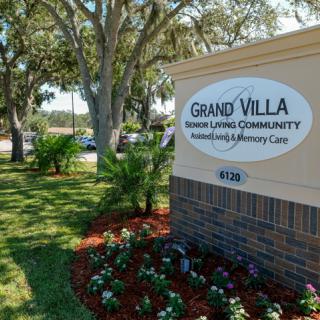
Grand Villa of New Port Richey
$1,895 to $3,595 / month5.8 miles away -
from +$400 / mo
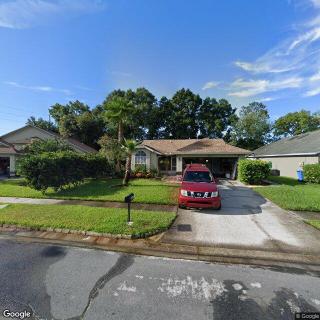
Hilda's Home Care Alf
$2,600 to $2,800 / month19.4 miles away -
from +$100 / mo
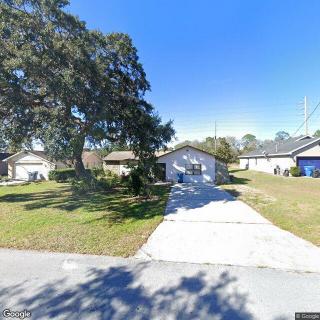
The Isidora Assisted Living Facility
$2,300 to $2,500 / month11.3 miles away
Overall Review of Braybrook Residence
Pros
 The staff are compassionate and attentive, treating residents with kindness and respect.
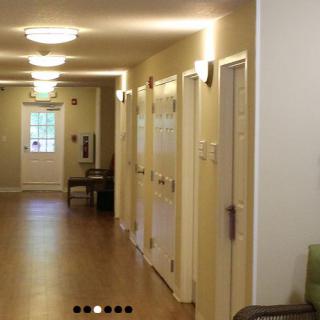
- Braybrook is clean, friendly, and provides great care in a smaller, home-like setting.
- It feels like a loving home where residents are happy and well cared for.
- Families have peace of mind knowing their loved ones are in a supportive and caring environment.
- The owners and staff create memorable visits with warm, caring service.
- The atmosphere is welcoming, and the residents seem happy.
Cons
 One issue noted is repetitive meals and this should be improved for clients.
Review
Braybrook Residence in Hudson, FL is best suited for seniors who want an intimate, home-like assisted living where daily help is readily available and caregivers build meaningful relationships with residents. The community clearly appeals to families seeking emotional reassurance during transitions, as administrators and staff are described as supportive, empathetic, and hands-on. With a tight-knit environment, residents tend to appear happy, well cared for, and comfortable, making it a solid choice for someone who prioritizes personal attention over a larger activity calendar. The setting carries warmth in its cleanliness, ambiance, and genuine sense of place, a combination that eases the stress of moving a loved one into care. In essence, this is the environment where care feels personalized, not transactional, and where family involvement is welcomed and facilitated rather than discouraged.
Those who require bigger campuses, a wider array of social programming, or specialized medical or memory-care services may want to consider alternatives. A larger community can offer more diverse dining options and more structured daily schedules, while a facility with a broader staff roster could better manage higher medical complexity or more frequent nursing oversight. If menu variety and expansive activity choices are non-negotiable, pursuing other options may prevent future dissatisfaction. Prospective residents who seek to minimize transitions or who must coordinate complex care routines with an extensive network of specialists might prefer a setting with more formal programming and on-site resources. Braybrook excels in intimacy and warmth, but its scale naturally limits the breadth of options found in bigger facilities.
The core advantages stem from Braybrook’s small, approachable footprint. Staff are repeatedly described as compassionate and attentive, earning trust through consistent, respectful interactions with residents. Families note the emotional reassurance that comes from seeing loved ones treated as individuals rather than as tasks to be completed, translating into smoother transitions and easier day-to-day decision-making. The owners and leadership emerge as engaged and supportive, further easing the caregiving journey for families balancing work, travel, and responsibilities. Cleanliness and a welcoming atmosphere reinforce a sense of safety, while the homelike ambiance helps residents settle into routines with less resistance. The community’s strong rating, 4.9 from seven reviews, with six five-star responses and one four-star, echoes a robust, sustained level of satisfaction typical of a truly well-regarded home.
On the downside, the most frequently cited imperfection is repetitive meals. While the environment delivers comfort and personal care, limited culinary variety can become a noticeable drawback for residents who crave more diverse flavors or who must adhere to shifting dietary needs. The smaller scale, although a strength for relational warmth, can also constrain programming breadth and the range of daily activities. This isn’t a fatal flaw, but it does require proactive management: open channels for menu feedback, periodic culinary updates, and opportunities for residents to share preferences with kitchen staff. In practice, the comfort and attention families value often counterbalance the dining monotony, especially when administrators respond quickly to concerns and residents feel consistently respected and heard.
Against the backdrop of occasional dining monotony, Braybrook’s qualitative benefits stand tall. The emotional confidence imparted to families, evident in ongoing visits and peace of mind about daily care, often outweighs the tedium of menus for many households. Residents benefit from steady, respectful caregiving, prompt responsiveness, and a supportive network that treats them with dignity and patience. The intimate setting makes staff more accessible, enabling more precise care planning and easier communication for families juggling schedules. The beautiful property, paired with a clear sense that residents are valued, amplifies the experience, making Braybrook a compelling option for those who prize warmth, trust, and individualized attention over a broader menu of amenities found elsewhere.
Practical next steps should center on a thorough tour and a focused look at meal service, staff demeanor during meals, and how care plans are customized. Prospective families should raise meal preferences and ask about flexibility and menu rotation. Clarify what daily assistance includes and how routines adapt as needs evolve. If a richer social calendar or on-site therapies are a priority, inquire how Braybrook’s small scale accommodates social interaction and whether partnerships exist to supplement programming. For families weighing longer commitments, consider a respite or short-term stay to observe alignment with expectations. Braybrook Residence represents a strong fit for conscientious families seeking a homey, attentive, and emotionally reassuring environment where meaningful daily care takes precedence over expansive services.
 27 resident community capacity
 Assisted Living
 Day Program
 Memory Care
 Respite Care
 Beauty salon
 Cable or satellite TV
 Devotional services off-site
 Dining room
 Fully furnished
 Garden
 Housekeeping services
 Indoor common areas
 Kitchenette
 Move-in coordination
 Outdoor space
 Restaurant-style dining
 Small library
 Telephone
 Wi-Fi/high-speed internet available
 24-hour call system
 Ambulatory care
 Assistance with bathing
 Assistance with dressing
 Assistance with transfers
 Diabetes diet
 Diabetic care
 Medication management
 Mental wellness program
 Special dietary restrictions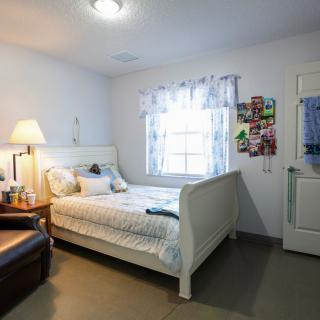

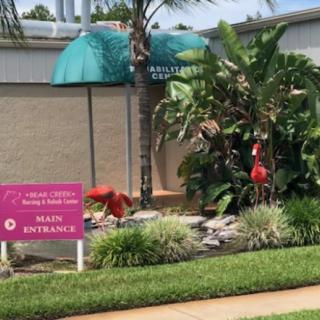




 Dementia, Paranoia, and Caregiver Guidance: Understanding the Connection
 Engaging Memory Care Activities That Enhance Quality of Life
 When to Transition from Assisted Living to Memory Care: Key Indicators, Steps, and Finding the Right Community