
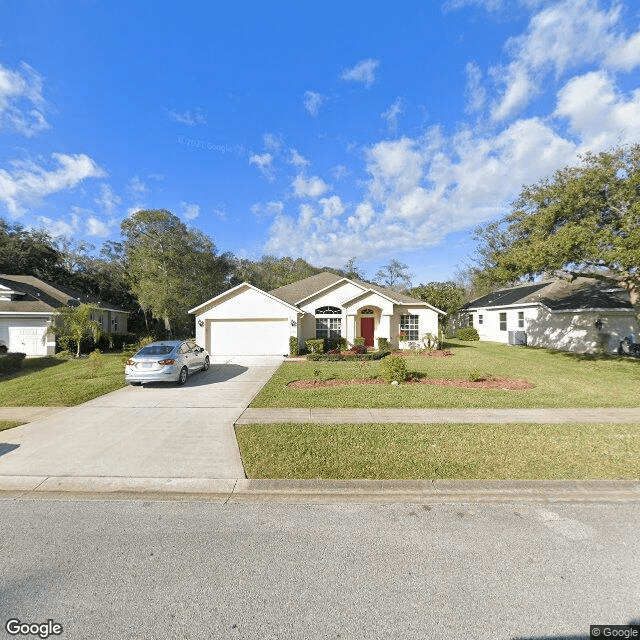
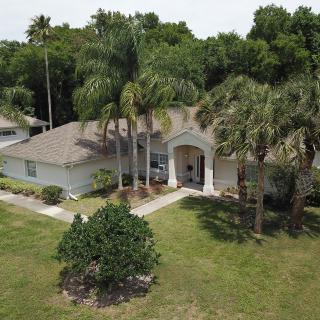
3783 Birch Mountain Road, Port Orange, FL 32129
For more information about senior living options: (866) 208-4318
Pat's Loving Care - ALF Costs & Pricing
Pat's Loving Care - ALF offers competitive pricing for its residents, making it an attractive option in both Volusia County and the broader Florida area. With a monthly cost of $2,800 for a semi-private room, Pat's rates are significantly lower than the county average of $3,143 and the state average of $3,009. Similarly, their private rooms are priced at $3,200, which also undercuts local and state averages considerably - Volusia County averages $4,168 while Florida's average is $3,699. This positioning not only highlights Pat's commitment to affordability but also emphasizes the value residents receive without compromising on quality care.
| Floor plans | Pat's Loving Care - ALF | Volusia County | Florida |
|---|---|---|---|
| Semi-Private | $2,800 | $3,143 | $3,009 |
| Private | $3,200 | $4,168 | $3,699 |
Assisted Living communities with a similar price nearby
-
About the same

DeLand Manor Assisted Living
$2,800 to $3,600 / month17.5 miles away -
from -$100 / mo
Compassion In Healthcare
$2,700 / month2.7 miles away -
from +$200 / mo
Fran's Elderly Care
$3,000 to $3,800 / month1.7 miles away -
About the same
American House Orange City
$2,795 to $4,355 / month21.8 miles away -
from +$390 / mo

The Gallery at Port Orange
$3,190 to $5,450 / month5.2 miles away
Overall Review of Pat's Loving Care - ALF
Pros
 Pat’s Loving Care is absolutely amazing and deeply cares for its residents.
- The residents look out for one another, creating a warm, family‑like atmosphere.
- The staff are genuinely caring and well trained, led by a registered nurse administrator.
- The mom’s health and happiness improve after returning to Pats Loving Care.
- The home is clean, welcoming, and feels like family.
- They provide three home‑cooked meals daily and engaging activities.
- Families feel safe leaving loved ones there, especially during isolation times.
Cons
 The care was unreliable while the mother was in hospital and rehab.
- They believe she would have lain there if they had not been present.
Review
Pat’s Loving Care ALF is best suited for families seeking a warm, home-like assisted living where caregivers know residents by name, meals are homemade, and daily life has a predictable rhythm. This community shines for seniors who value real human connection, visible staff investment, and a neighborhood-feel atmosphere over the anonymity or clinical intensity of larger campuses. It suits elders who want easy access for family visits, a steady calendar of activities, and a setting that feels more like “home” than a facility. For those prioritizing close-knit interaction, safety in a smaller footprint, and straightforward daily support, Pat’s Loving Care presents a compelling fit.
Pros are tangible and substantial. The strongest thread running through the reviews is genuine, ongoing care from people who treat residents like family. The administrator is described as a registered nurse, and staff are portrayed as well trained and truly caring, capable of keeping residents clean, well fed, and engaged. The home is clean, the atmosphere is welcoming, and the sense of community among residents is palpable, neighbors look out for one another, and visits are welcome at any time. Three home-cooked meals daily and a schedule of activities contribute to a rhythm that supports both nutrition and social engagement. For families wanting reassurance that care partners are committed and accessible, these elements deliver.
However, the record is not without a caveat. One family notes that while Pat’s Loving Care excels in routine, hospital rehab and transitional care can be unreliable when staff aren’t physically present to supervise. That point matters: in moments when a resident spends time in hospital or rehab, the consistency of care outside the home may dip, and the family felt the difference. This caveat does not negate the daily strengths but does underscore a real limitation of a smaller, home-centered operation: the capacity to substitute for intensive medical oversight on outside settings remains limited. Pros offset this risk to a degree, the same staff who know residents so well can respond quickly when a family member is present, and the RN-led administration lends credibility to clinical judgment inside the home, but the gap is worth weighing in decision conversations.
The offsetting strengths are reinforced by several concrete benefits. The ability to stop by unannounced and see a clean, orderly environment reinforces trust, while the consistent emphasis on nourishment and activity helps maintain vitality and mood. The perception that peers are content and that the atmosphere is more like family than facility strengthens the case for continued residence for residents who do not require high-intensity medical intervention on a daily basis. For families evaluating options, these factors translate into lower stress around daily routines, easier monitoring, and a clearer sense of whom their loved ones will become during the day-to-day experience.
Who should consider alternatives? Families with residents who have higher medical complexity, significant memory-care needs, or the expectation of frequent skilled nursing interventions may want to compare options with larger campuses that offer more on-site clinical breadth, structured memory-care programs, or more robust rehab resources. Likewise, families that require stricter scheduling, formalized care protocols, or more comprehensive transportation and activity programming across a wider campus might find a bigger facility better aligned with those expectations. In short, Pat’s Loving Care delivers exceptional warmth and hands-on daily support; it is less likely to satisfy situations that demand heavy medical management on a 24/7 basis.
Practical decision guidance follows from these observations. Pat’s Loving Care is a strong move for families who prize a caregiver-driven, intimate setting where staff know residents well, visits are easy, and daily life centers on meals, activities, and social warmth. Prospective movers should verify staffing ratios, confirm the availability of an RN for care planning, and review how medications are managed, especially during transitions to hospital or rehab. A tour should focus on cleanliness, kitchen routines, the activity calendar, and opportunities to observe interactions between staff and residents. If those elements align with the family’s care philosophy, Pat’s Loving Care presents a clear and persuasive choice.
Ultimately, Pat’s Loving Care ALF stands out as a practical, seasoned option for older adults who thrive in a nurturing, family-like environment and who can manage occasional gaps in clinical oversight when outside hospital settings are involved. It offers dependable daily structure, high resident satisfaction, and a staff team that demonstrates genuine commitment. For families prioritizing warmth, accessibility, and a home atmosphere over institutional scale, this community is not just acceptable, it is a recommended fit worth pursuing through a guided tour and careful questions about care planning, safety protocols, and continuity of daily life.
 6 resident community capacity
 Assisted Living
 Board and Care Home
 Respite Care
 Cable or satellite TV
 Dining room
 Fully furnished
 Garden
 Housekeeping services
 Move-in coordination
 Outdoor space
 Private
 Telephone
 Wi-Fi/high-speed internet available
 Daytona Beach International (2 miles away)
 24-hour supervision
 Activities of daily living assistance
 Assistance with bathing
 Assistance with dressing
 Assistance with transfers
 Diabetes diet
 Meal preparation and service
 Medication management
 Special dietary restrictions
 Transportation arrangement (medical)
 Transportation to doctors appointments






 Comprehensive Supportive Living Arrangements for Adults with Disabilities
 Funding and Affording Assisted Living: A Thorough Overview
 Assisted Living Expenses and Long-Term Care Insurance: A Comprehensive Exploration