Parkside Assisted Living and Memory Cottage Costs & Pricing
Parkside Assisted Living and Memory Cottage offers competitive pricing for their services compared to the broader market in Charlotte County and the state of Florida. For a semi-private room, residents pay $2,450 per month, slightly under the county's average of $2,461 and significantly lower than the state average of $3,009. The studio option is priced at $3,450, which remains reasonable compared to both the county's average of $3,330 and Florida's higher average of $3,823. For those seeking more spacious accommodations, Parkside's one-bedroom option is available for $4,250. While this figure surpasses Charlotte County's average of $3,399, it remains competitive when juxtaposed with Florida's statewide average of $3,864. Overall, Parkside provides an appealing balance between quality care and cost-effective solutions in the assisted living sector.
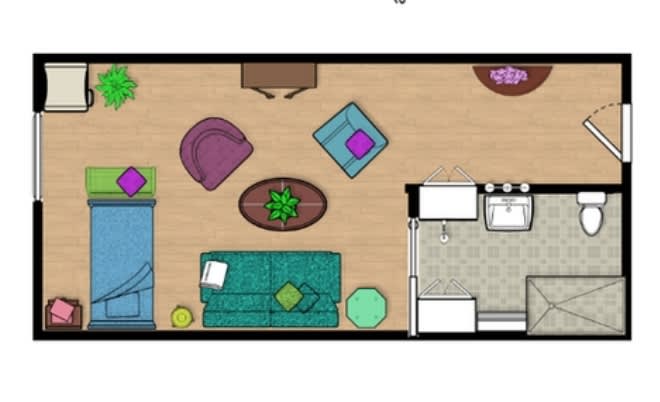
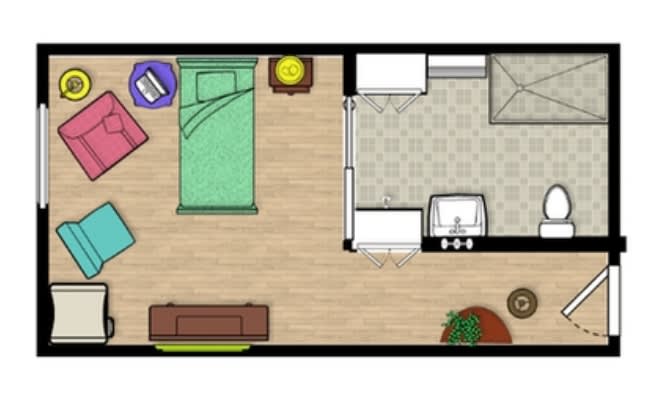
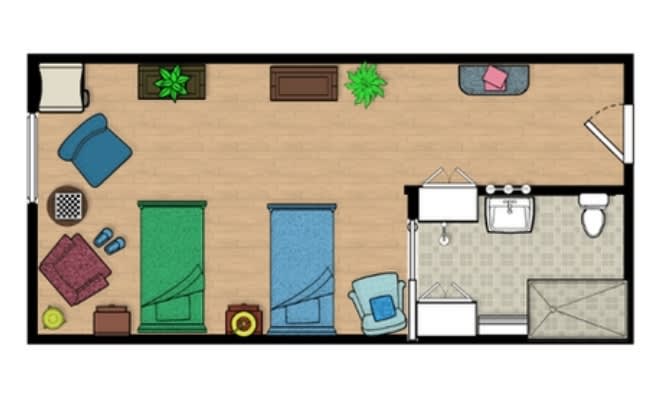
Floor plans
Parkside Assisted Living and Memory Cottage
Charlotte County
Florida
Semi-Private
$2,450
$2,461
$3,009
Studio
$3,450
$3,330
$3,823
1 Bedroom
$4,250
$3,399
$3,864
Memory care communities with a similar price nearby
Overall Review of Parkside Assisted Living and Memory Cottage
differentiator5 reviews mention this
Affordable rates for care
Residents’ families describe Parkside’s pricing as affordable for the level of care needed.
Several reviewers say Parkside’s cost was workable compared with other options they were considering, including choosing it because it was within budget. A few also connect the pricing with convenience and overall value, while one reviewer noted the rate they expected couldn’t be confirmed during pricing changes at the time of their tour. The price range shown for studios, semi-private options, and one-bedrooms is also positioned below county and state benchmarks across unit types.
common8 reviews mention this
Dining stands out, often praised
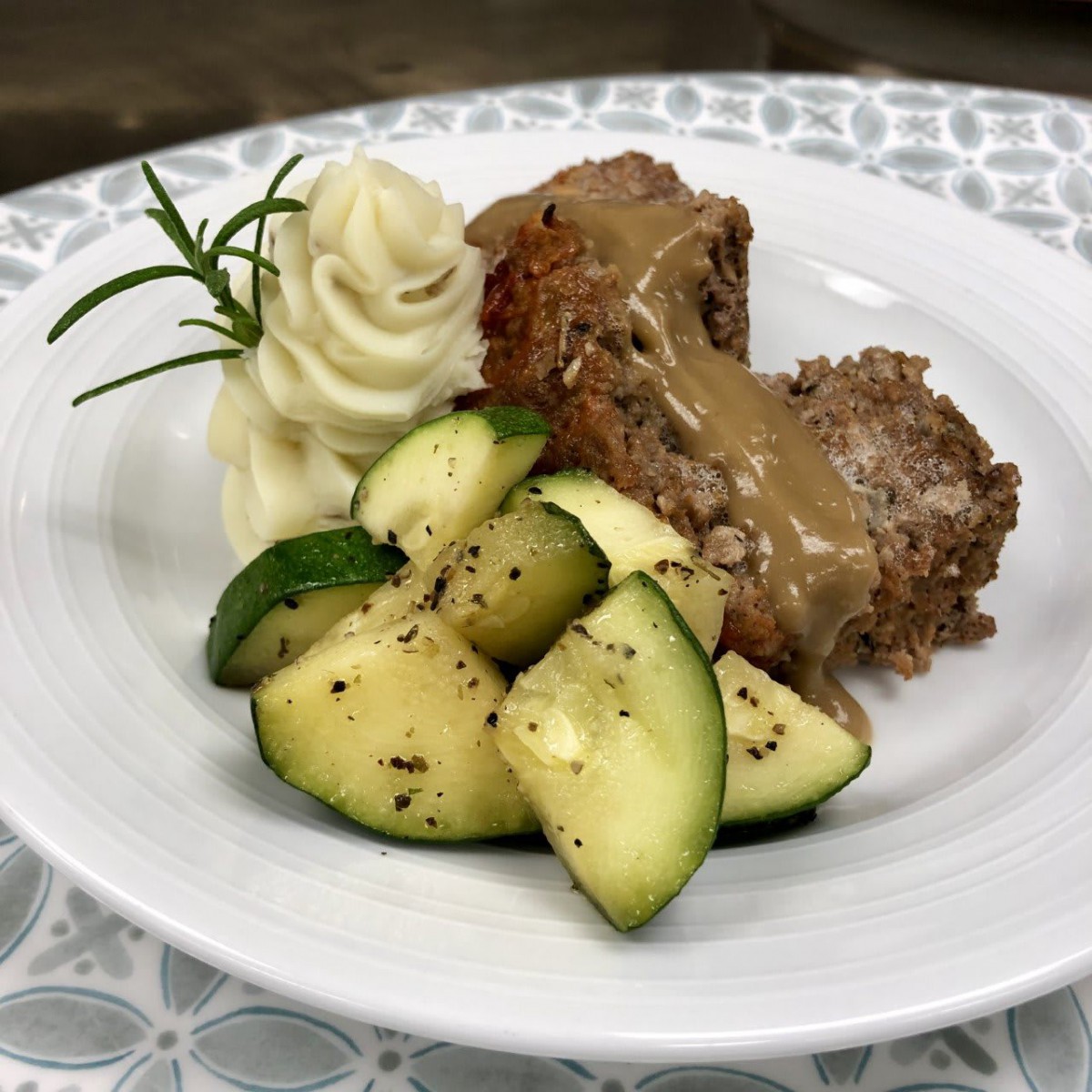
Dining is frequently praised, with residents’ families describing the food as delicious and accommodating.
Across reviews, families and visitors repeatedly mention the quality of meals, describing the food as delicious and plentiful. Several also reference the chef directly, including praise for making or adjusting meals to meet special dietary needs. One reviewer, however, raised a complaint about food quality, so while the overall dining tone is positive, it isn’t unanimous.
caveat3 reviews mention this
Activities feel inconsistent in memory care
Some families say activities in the memory care unit lag behind expectations.
A few reviewers specifically call out a lack of activity options in the memory care unit, including comments that there weren’t many activities or that the daily schedule felt too limited. One of these reviews frames the concern as important for preventing boredom and wandering risks. On the other hand, the community offers scheduled day activities and a range of on-site programs, so families may be seeing variability by unit or by timing.
common20 reviews mention this
Caring staff and quick support
Staff responsiveness and compassion are a consistent theme in the reviews.
Many reviewers describe staff as warm, kind, and attentive, and they repeatedly mention being able to get questions answered quickly. Several also say the care team provides support that helps families feel reassured about safety, comfort, and communication. A smaller number of negative reviews cite problems like delays or staffing concerns, but the most common day-to-day feedback is caring support when help is needed.
common12 reviews mention this
Clean, well-kept facility
Reviewers frequently highlight cleanliness and upkeep as strong points.
Multiple families describe Parkside as clean and well maintained, and several use words like “beautiful” or “imaculate” when discussing the building and grounds. Others mention specific comfort details such as residents having safe outdoor space to use. A few reviews also include concerns about smells or housekeeping falling short, indicating experiences can vary over time.
How we summarize
Counts show how many written reviews mention each theme; a review can touch several themes, and only frequently mentioned themes are displayed.
Features
Housing
94 resident community capacity
Types of Care
Assisted Living
Memory Care
Pets
Cats allowed
Dogs allowed
Amenities
Activities on-site
Air-conditioning
Beautician on-site
Beauty salon
Cable or satellite TV
Computer center
Devotional services off-site
Dining room
Fitness room
Fully furnished
Gaming room
Garden
Ground floor units
Handicap accessible
Housekeeping services
Indoor common areas
Kitchenette
Move-in coordination
Outdoor space
Private bathrooms
Respite or short term stays offered
Restaurant-style dining
Small library
Telephone
Wellness center
Wheelchair accessible showers
Wi-Fi/high-speed internet available
Transportation
Community operated transportation
Transportation arrangement
Transportation arrangement (non-medical)
Transportation to doctors appointments
Care Services
12-16 hour nursing
24-hour call system
24-hour supervision
Activities of daily living assistance
Ambulatory care
Assistance with bathing
Assistance with dressing
Assistance with transfers
Diabetes diet
Diabetic care
Incontinence care
Meal preparation and service
Medication management
Mental wellness program
Mild cognitive impairment
Special dietary restrictions
Specialized memory care programming
Dining
Diabetes diet
Guest meals
Meals provided
Professional chef
Restaurant style dining
Special dietary restrictions
Special dining programs
Activities
Activities on-site
Community-sponsored activities
Concierge services
Devotional activities offsite
Fitness programs
Holiday parties
Karaoke
Live musical performances
Montessori programs
Planned day trips
Reminiscence programs
Resident-run activities
Scheduled daily activities
Sensory-based programs
Stretching classes
Wii bowling
Videos
Nearby Places of Interest
This part of Port Charlotte, Florida, is a convenient and bustling area with easy access to various healthcare facilities such as Gulf Coast Anesthesia and Fawcett Memorial Hospital. There are also several pharmacies nearby, including Winn-Dixie and Walgreens, making it easy for seniors to fill their prescriptions. In terms of dining options, there are fast food restaurants like McDonald's and Wendy's, as well as more sit-down options such as Paddy Wagon Irish Pub and Luigi's. The parks in the vicinity provide opportunities for outdoor recreation and relaxation, while places of worship like New Day Christian Church offer spiritual fulfillment. Overall, this area offers a mix of essential services, dining choices, and recreational activities that could make it a suitable option for seniors looking for a vibrant community to call home.
Physicians
Gulf Coast Anesthesia (0.1 miles)
Community Eye Center (0.1 miles)
Eugene Gregush, M.D., FACOG, FACS (0.1 miles)
Medical Pavillion Walk-in (0.1 miles)
Donald C Fletcher MD (0.1 miles)
Premier Medical Group (0.1 miles)
Retina Consultants Of Southwest Florida (0.1 miles)
Parkside Assisted Living and Memory Cottage offers competitive pricing for their services compared to the broader market in Charlotte County and the state of Florida. For a semi-private room, residents pay $2,450 per month, slightly under the county's average of $2,461 and significantly lower than the state average of $3,009. The studio option is priced at $3,450, which remains reasonable compared to both the county's average of $3,330 and Florida's higher average of $3,823. For those seeking more spacious accommodations, Parkside's one-bedroom option is available for $4,250. While this figure surpasses Charlotte County's average of $3,399, it remains competitive when juxtaposed with Florida's statewide average of $3,864. Overall, Parkside provides an appealing balance between quality care and cost-effective solutions in the assisted living sector.
The comprehensive features offered at Parkside Assisted Living and Memory Cottage are designed to create a supportive environment conducive to the well-being of residents with dementia or Alzheimer's disease. Continuous 24-hour supervision ensures that residents are safe and closely monitored, while assistance with activities of daily living, including bathing, dressing, and transfers, fosters independence where possible and maintains dignity. Incontinence care is handled sensitively to promote comfort, while meal preparation and service cater to nutritional needs tailored for cognitive health. Medication management ensures adherence to treatment plans, significantly impacting stability in symptoms. Programs focused on mental wellness address emotional needs through engaging activities, such as Montessori techniques and sensory-based initiatives that stimulate cognitive functions. Additionally, specialized memory care programming provides structured support that aligns with the unique challenges posed by mild cognitive impairment and advanced stages of dementia. Together, these features encourage a holistic approach to wellness that enhances quality of life for residents.
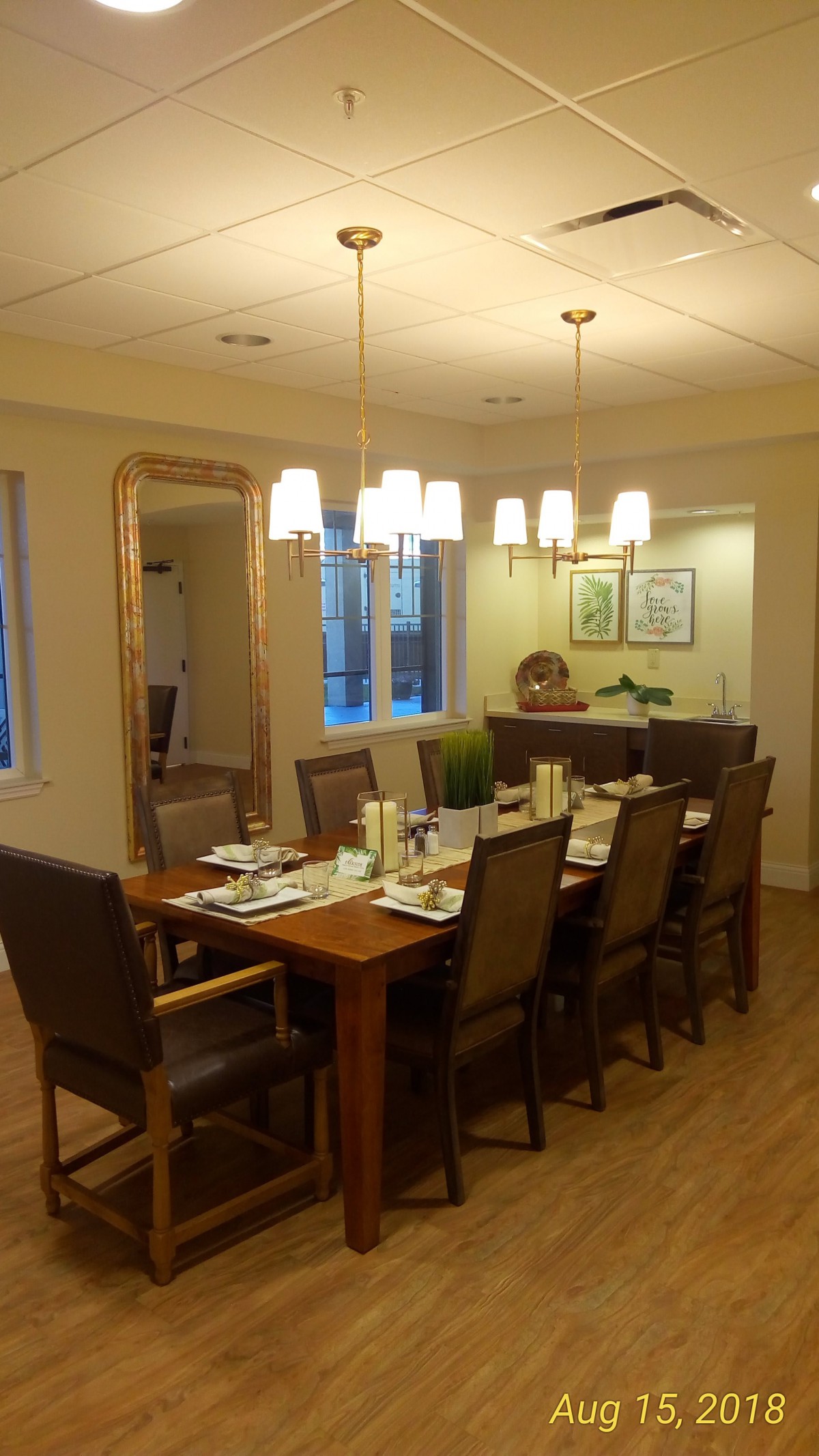
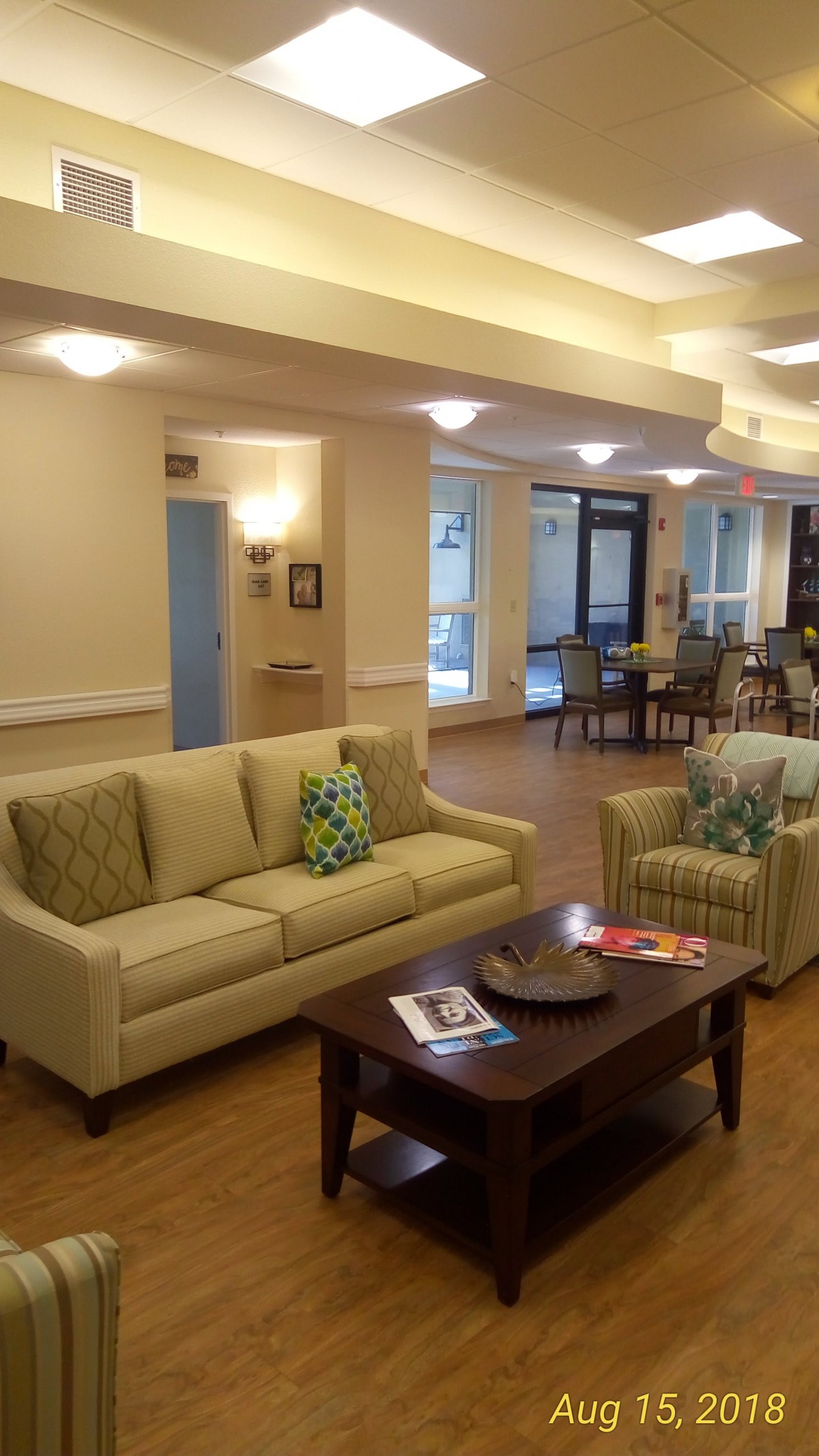
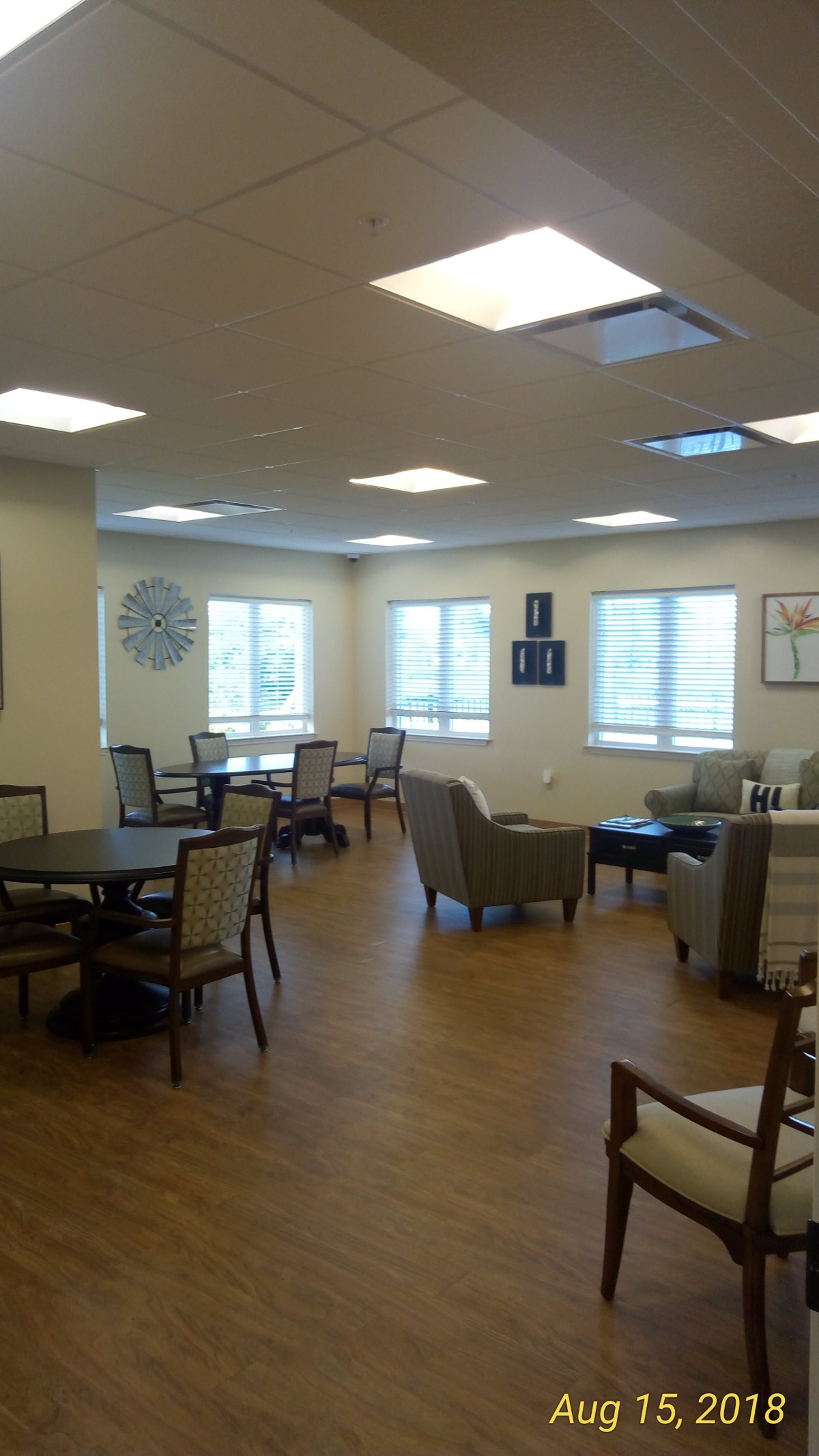
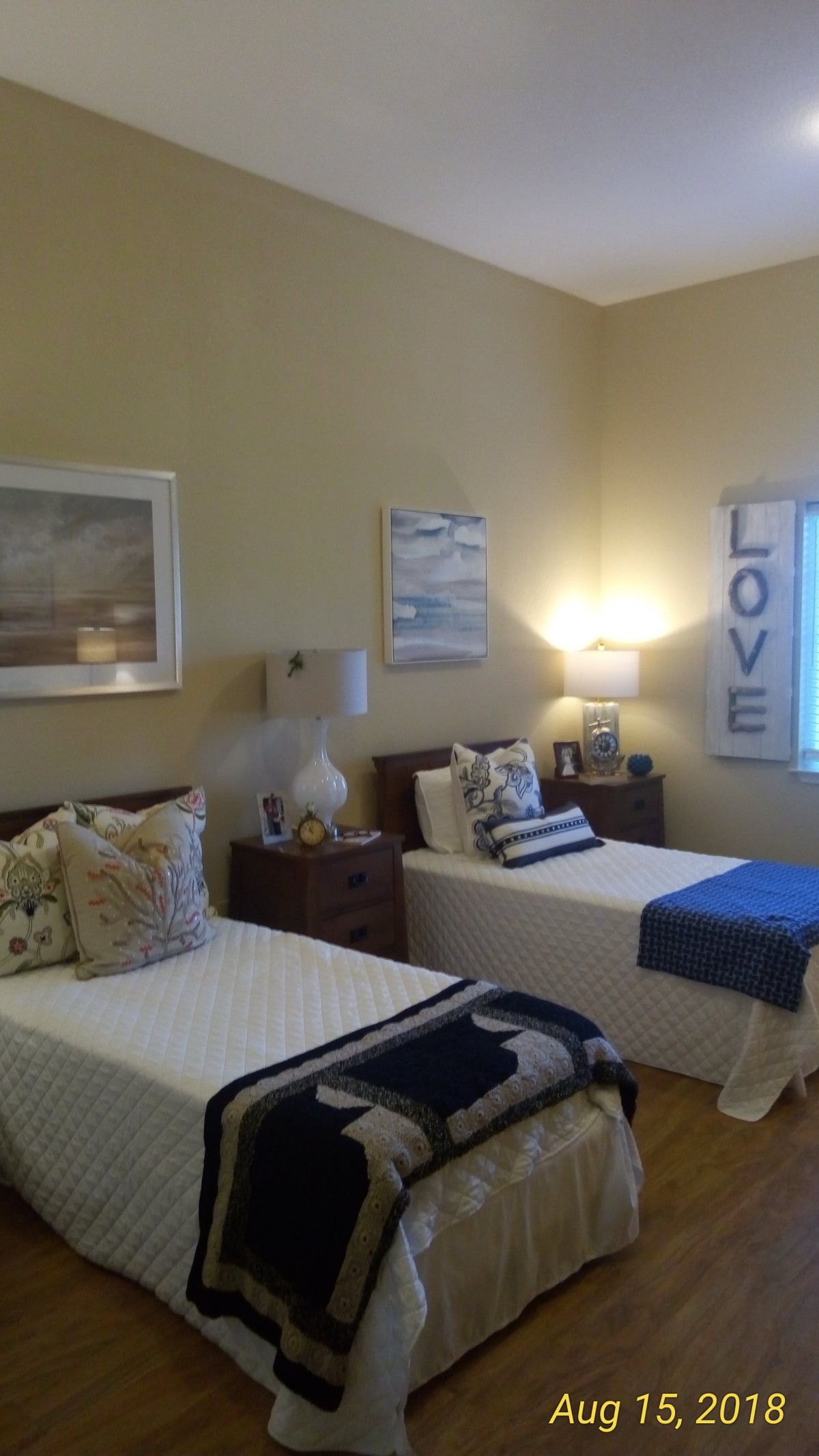
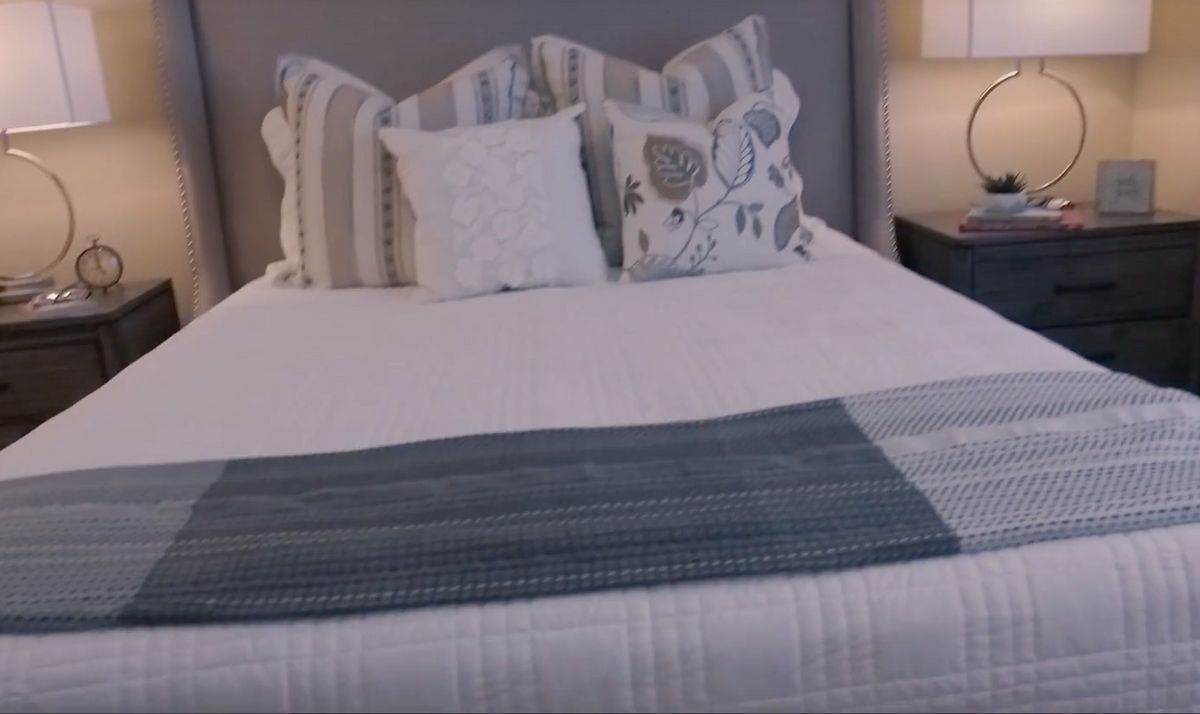
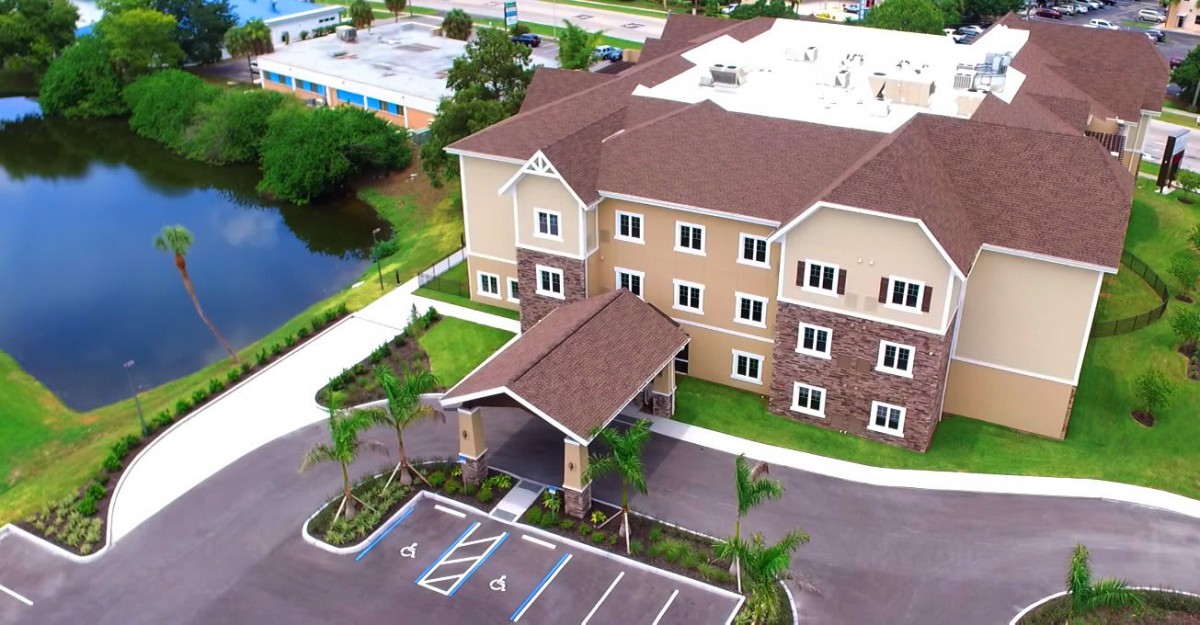
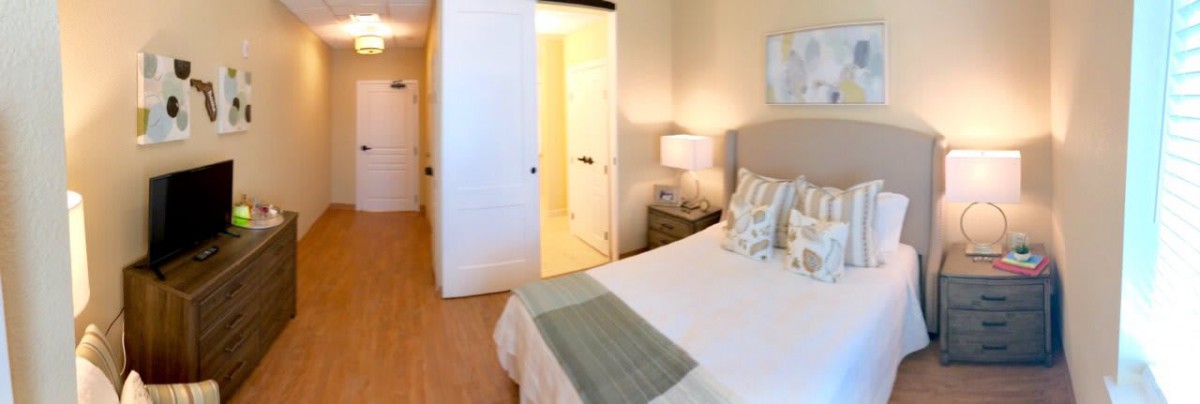
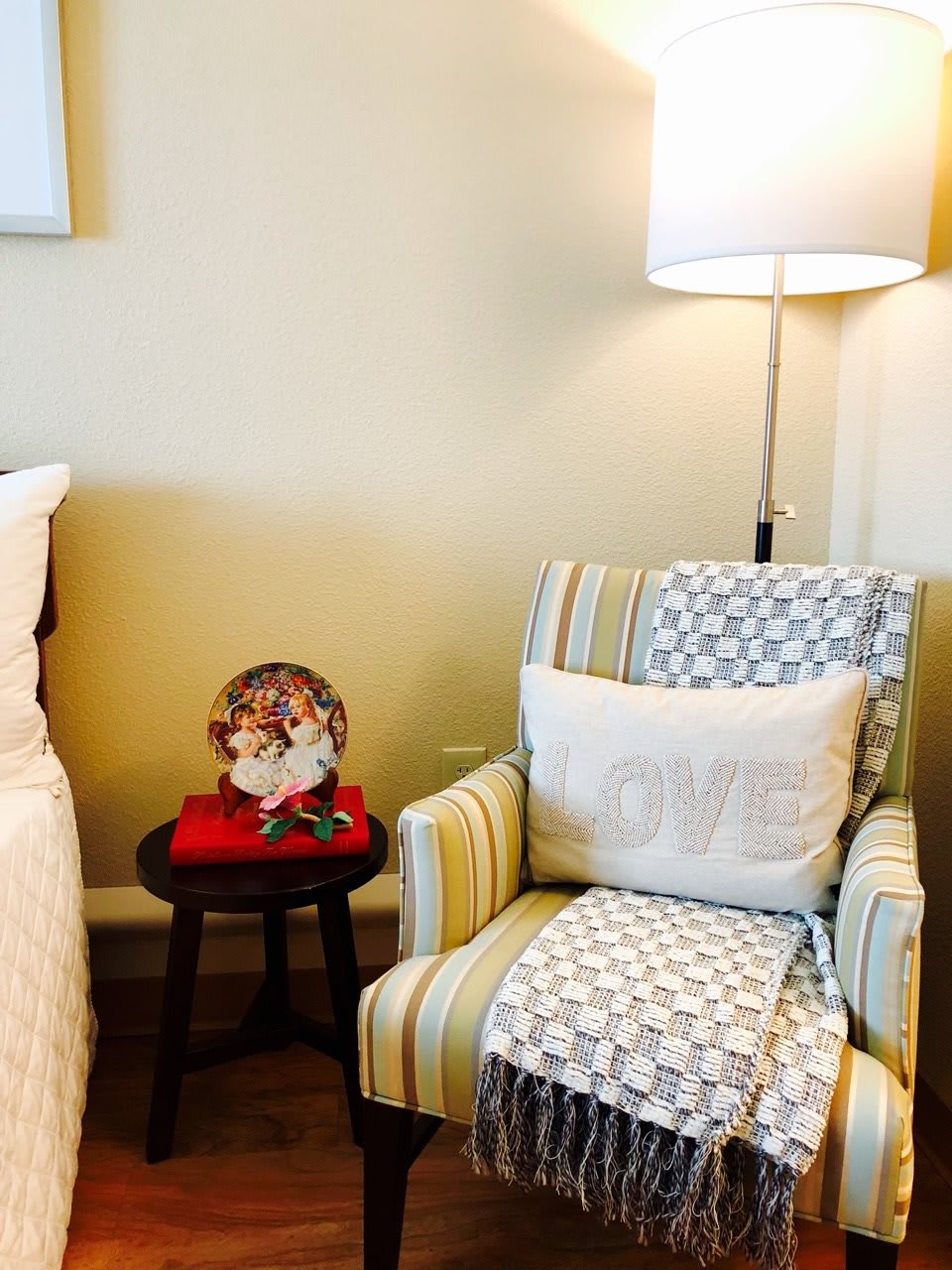
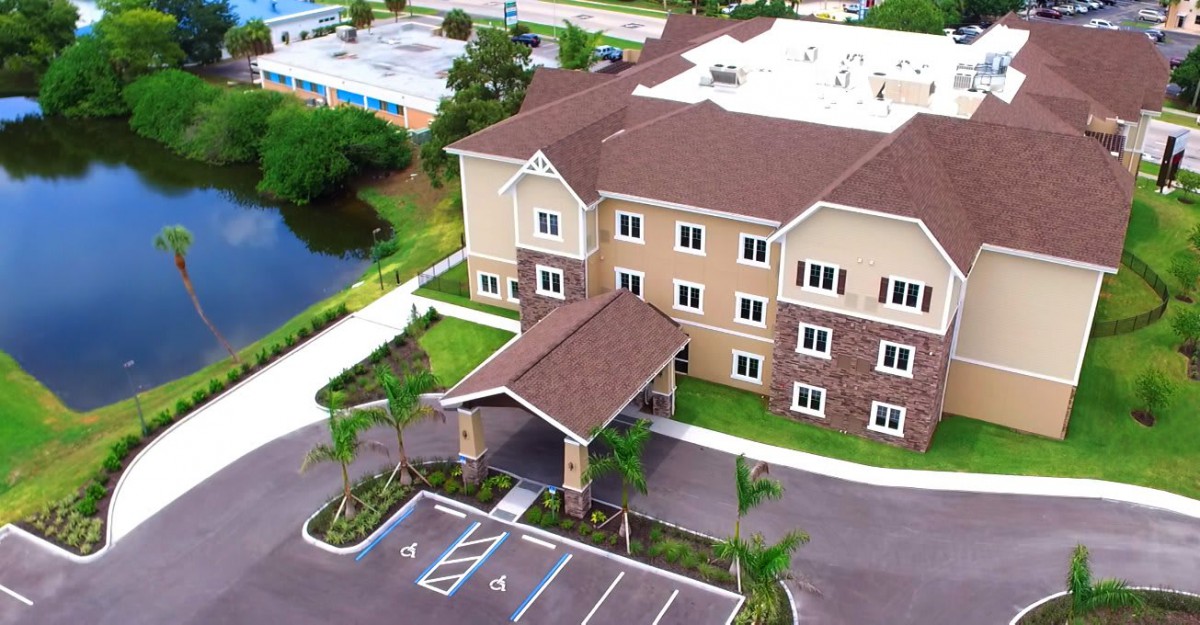
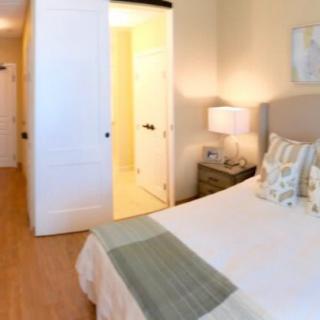
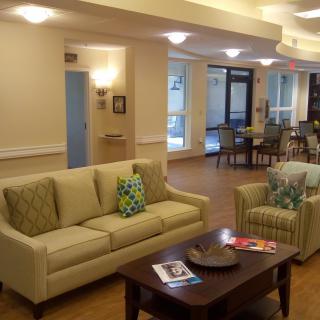
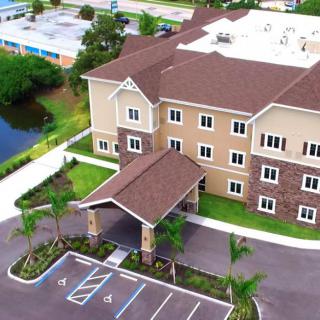
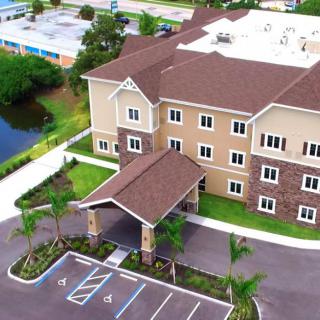
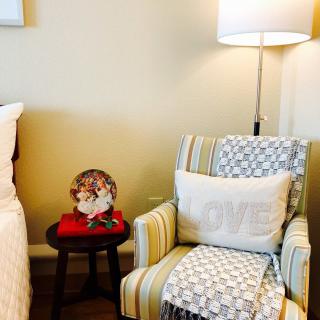
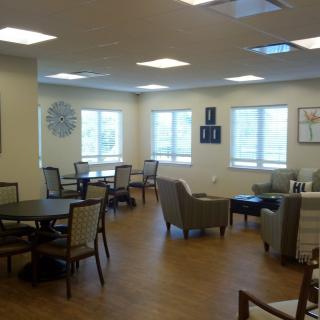
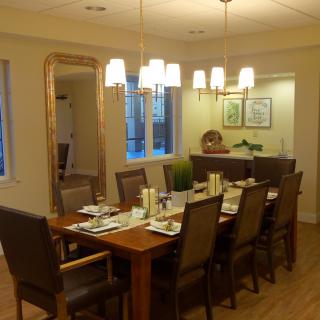
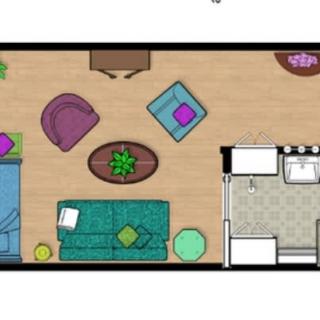
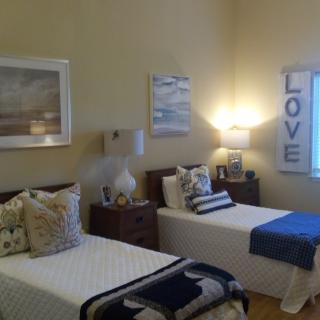
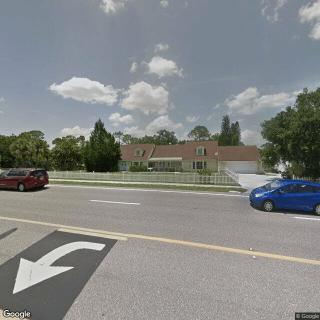
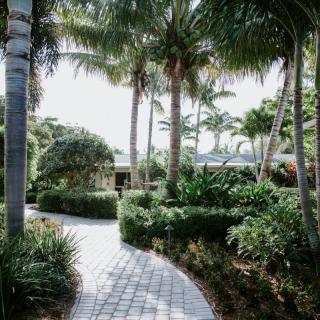
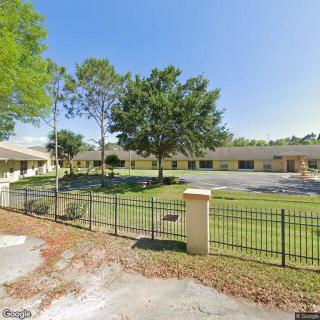
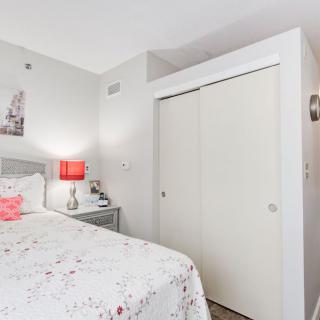
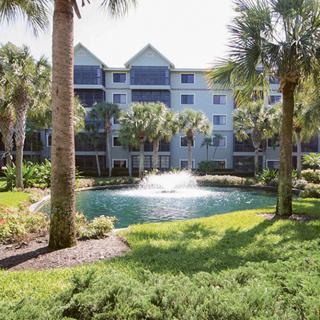
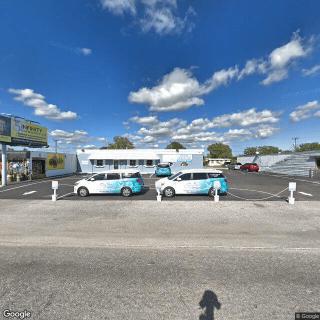
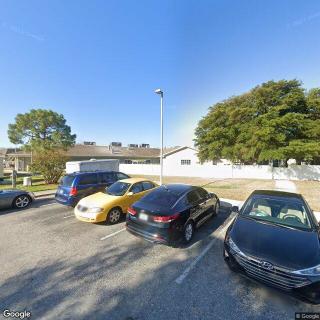
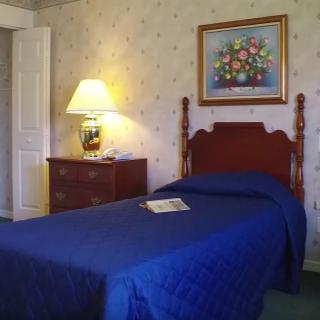
Parkside Assisted Living and Memory Cottage on seniors.fyi includes 16 photos including images showing bedroom, interior, decor, floor plan, living room, landscaping, seating area, windows, and more.
Nearby Communities
Truewood By Merrill, Port Charlotte
Port Charlotte, FL
4.4 from 139 reviews
$2,150 to $2,650 / month
Friendly staff and a welcoming, affordable community.
River Commons
Port Charlotte, FL
4.3 from 69 reviews
$1,995 to $3,985 / month
Friendly staff with an active, engaging resident community.
Presbyterian Homes of Port
Port Charlotte, FL
Convenient location with nearby parks, pharmacies, dining, worship venues, and healthcare options.
Village Place Health And Rehabilitation Center
Port Charlotte, FL
4 from 115 reviews
Comprehensive amenities and care services with active programs and transportation options.
Divine Care Of Port Charlotte
Port Charlotte, FL
5 from 2 reviews
Comprehensive care and amenities (24-hour supervision, ADL assistance, medication management, diabetes diet, meals, housekeeping, transportation) with furnished accommodations and social activities.
Chelsea Place Adult Day Care
Port Charlotte, FL
4.9 from 119 reviews
Beautiful, well-lit facility with attentive, personalized care and engaging daily activities.
South Port Square
Port Charlotte, FL
4.3 from 205 reviews
$2,580 to $4,110 / month
Beautiful campus with abundant amenities and friendly, engaged staff.
Solaris Healthcare Charlotte Harbor
Port Charlotte, FL
3.6 from 87 reviews
Caring staff and an active, clean environment with on-site rehab and engaging activities.
Sandhill Gardens Retirement Residence
Punta Gorda, FL
4.5 from 38 reviews
Independent living with 24/7 supervision and extensive amenities.
Medicaid coverage for assisted living varies by state and is primarily available to low-income individuals, with eligibility dependent on strict income and asset limits. Some states offer HCBS waivers for specific services in assisted living, but families must generally cover room and board costs, and should verify facility acceptance of Medicaid while considering potential waiting lists.
Medicaid waivers for assisted living services provide vital support for seniors and individuals with disabilities in need of long-term care, with varying state-specific eligibility criteria and benefits. These waivers cover personal care and case management but often do not fully cover room and board, leading to waiting lists for many applicants.
The article compares assisted living and skilled nursing facilities, detailing their differing levels of assistance, medical support, cost structures, and day-to-day experiences. It emphasizes that assisted living is for those needing help with daily activities while maintaining independence, whereas skilled nursing facilities provide intensive medical care with 24-hour staff supervision.
Parkside Assisted Living and Memory Cottage photos
×
Interior
Decor
Living Room
Building
Architecture
Bedroom
Windows
Dining
Floor Plan
Wall Art
Design
Interior
Decor
Bedroom
Dining and Lighting
Living Room
Landscaping, Building, Parking, and Aerial View
Windows
Floor Plan
Architecture
Bathroom
Seating Area
Wall Art
Palm Trees
Kitchenette and Living Area
Design
Additional Photos
Get PricingAsk A QuestionSchedule A TourContact Senior Advisor
By clicking submit, you agree to our Partner's Terms of Use. You
also consent to receive calls and texts, which may be autodialed, from our Partner. Your consent is not a condition to
using our Partner's service. Please visit our Partner's Privacy Policy for information about their privacy practices.


 94 resident community capacity
 Assisted Living
 Memory Care
 Cats allowed
 Dogs allowed
 Activities on-site
 Air-conditioning
 Beautician on-site
 Cable or satellite TV
 Computer center
 Devotional services off-site
 Dining room
 Fitness room
 Fully furnished
 Gaming room
 Garden
 Ground floor units
 Handicap accessible
 Housekeeping services
 Indoor common areas
 Kitchenette
 Move-in coordination
 Outdoor space
 Private bathrooms
 Respite or short term stays offered
 Restaurant-style dining
 Small library
 Telephone
 Wellness center
 Wheelchair accessible showers
 Wi-Fi/high-speed internet available
 Community operated transportation
 12-16 hour nursing
 24-hour call system
 Ambulatory care
 Assistance with bathing
 Assistance with dressing
 Assistance with transfers
 Diabetes diet
 Diabetic care
 Incontinence care
 Medication management
 Mental wellness program
 Special dietary restrictions
 Concierge services
 Holiday parties
 Karaoke
 Live musical performances
 Montessori programs
 Planned day trips
 Wii bowling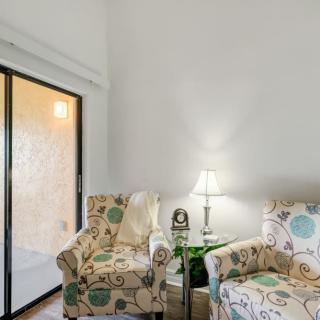
 Friendly staff and a welcoming, affordable community.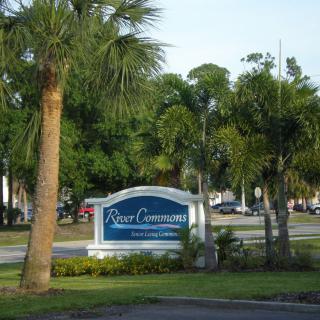


 How and When Medicaid May Cover Assisted Living Costs
 A Detailed Exploration of Assisted Living Medicaid Waivers Across the United States
 Exploring the Contrasts Between Assisted Living and Skilled Nursing