
22091 Peachland Boulevard, Port Charlotte, FL 33954
For more information about senior living options: (866) 208-4318
Grace Assisted Living Costs & Pricing
Grace Assisted Living offers competitive pricing for its accommodations, with semi-private rooms costing $2,500 per month. This rate is slightly above the average for Charlotte County at $2,461 but remains lower than the state average of $3,009. For those seeking more privacy, studio apartments are available at $5,000 per month. While this is significantly higher than the county's average of $3,330 and Florida's state average of $3,823, it reflects Grace Assisted Living's commitment to providing a unique blend of comfort and quality care that may justify the additional cost. Overall, residents can expect a well-rounded experience that caters to both their financial considerations and personal needs.
| Floor plans | Grace Assisted Living | Charlotte County | Florida |
|---|---|---|---|
| Semi-Private | $2,500 | $2,461 | $3,009 |
| Studio | $5,000 | $3,330 | $3,823 |
Overall Review of Grace Assisted Living
Pros
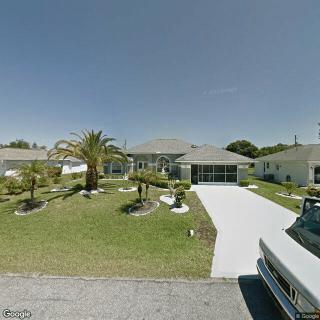
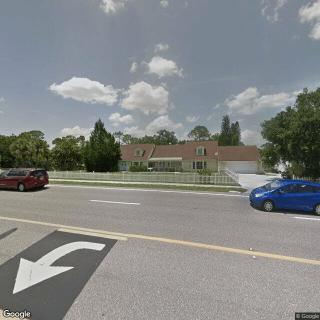
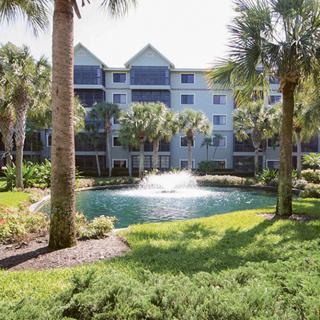
 Grace's facility is well-kept with manicured outdoor areas and spacious living facilities.
- Grace personally assesses family needs for loved ones with compassion and a willingness to learn what is needed.
- Karen is helpful and informative, showcasing the facility’s amenities such as a pool and a lovely outside terrace.
- Grace is accommodating and described as an angel, with a sincere caregiving commitment.
- Grace’s background as a Registered Nurse supports dementia care, and she stays in touch long after residents move home.
- Grace Assisted Living provides a home-like atmosphere with a nurse on site, compliant operations, and a caring, supportive staff.
- The facility feels warm and welcoming, with well-prepared meals and a sense of home that families can trust.
Cons
 Terrible and unprofessional.
- Think twice......
Review
Grace Assisted Living in Port Charlotte is best suited for families seeking a small, hands-on, nurse-led setting where seniors receive highly personalized attention within a warm, home-like environment. This is a community that thrives on individualized care delivered by a clinician-owner who personally assesses needs and then mobilizes a tight-knit team to follow through. Its six-bed footprint and intimate staff structure make it an arrangement where residents are known by name, not by room number, and transitions, especially for dementia, are handled with steady, experienced guidance.
Those who want a larger, activity-driven campus or a more institutional feel should consider alternatives. The facility leans toward a home atmosphere rather than a bustling social scene, and the posted activities calendar is not the central draw. Families seeking a robust daily schedule, frequent group outings, or a broad, club-like array of events may find a bigger community with more programmed engagement to be a better fit. For residents who require more intensive medical programming or a wider continuum of rehabilitation services on site, another option may provide clearer access to those services under a larger staff umbrella.
The strongest selling points are concrete and user-driven: a well-kept complex with manicured outdoor spaces, a pool, and a pleasant terrace, paired with a caregiving team that is praised for warmth and attentiveness. Grace’s nursing background and on-site presence give a sense of medical credibility, and the owner’s proactive approach helps families feel heard and guided through transitions. The team’s daily interactions, whether singing hymns, motivating tasks, or simply checking in, create a nurturing rhythm that many families cited as a meaningful, home-like experience. Caribbean-inspired meals add a comforting variety to daily dining, reinforcing the sense of a personalized, culturally resonant home.
Yet, concerns surface in the reviews that cannot be ignored. The facility’s intimate size naturally limits the breadth of programming and social opportunities compared with larger communities, and several families noted a desire for more visible activities or a posted calendar of events. A notable negative sentiment, described as “terrible and unprofessional” by at least one reviewer, signals that, in some cases, expectations about staff dynamics or operations diverged sharply from reality. Potential residents and caregivers should approach with concrete questions about consistency, staff training, and what recourse exists if experiences fall short of promises.
Despite these concerns, the pros often offset the cons in practical terms. The small scale enables a high degree of individualized attention and continuity of care, with Grace and her caregivers delivering familiar routines and a steady hand during dementia-related transitions. The presence of a nurse on site and a compliant, regulation-minded operation reduces worry about medical oversight and safety. The intimate, home-like atmosphere can outweigh a narrower activities slate when the priority is meaningful daily engagement, personalized memory support, and a sense of genuine belonging. The outdoor setting and pool provide occasional relief from routine and a venue for relaxed social exposure without the pressure of a crowded community.
For families considering a move, the next steps are clear. Visit with a tailored set of questions: what is the current staffing ratio per resident on each shift, and how quickly can one access medical oversight when concerns arise? what is the actual activities calendar, and how does the staff tailor engagement for residents at different cognitive levels? How are family concerns tracked and addressed, and what changes have been made in response to past feedback? Meet Grace and key staff members, especially those who would be involved in day-to-day care, to gauge consistency and compatibility with the resident’s preferences. If a larger, more active social environment or broader clinical services are a priority, alternatives should be examined; if a quiet, tightly knit, nurse-led home atmosphere is the aim, Grace Assisted Living stands out as a thoughtful, capable option worth pursuing with rigorous, targeted inquiry.
 6 resident community capacity
 Assisted Living
 Board and Care Home
 Activities on-site
 Cable or satellite TV
 Devotional services off-site
 Dining room
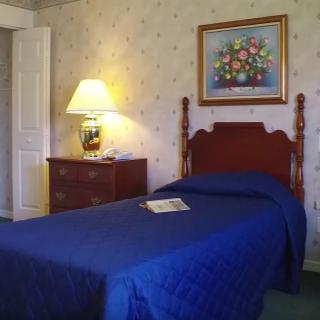
 Fully furnished
 Garden
 Housekeeping services
 Indoor common areas
 Move-in coordination
 Outdoor space
 Telephone
 Wi-Fi/high-speed internet available
 24-hour supervision
 Ambulatory care
 Assistance with bathing
 Assistance with dressing
 Assistance with transfers
 Diabetes diet
 Diabetic care
 Meal preparation and service
 Medication management
 Special dietary restrictions
 Transportation arrangement (medical)
 Transportation to doctors appointments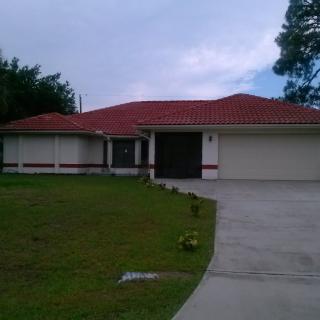



 Choosing the Right Senior Care: A Detailed Exploration of Assisted Living and Nursing Homes
 Understanding the True Cost of Assisted Living in 2025: A Comprehensive Guide
 Understanding Medicaid Coverage for Assisted Living: A Comprehensive Guide