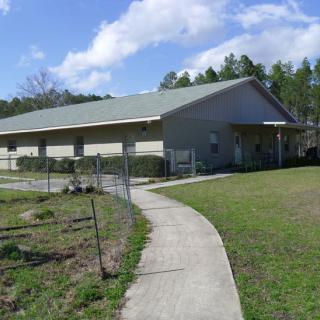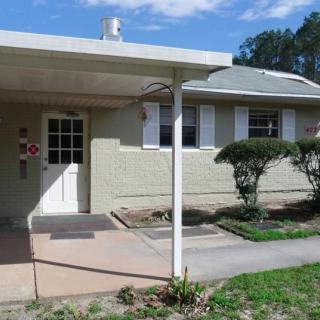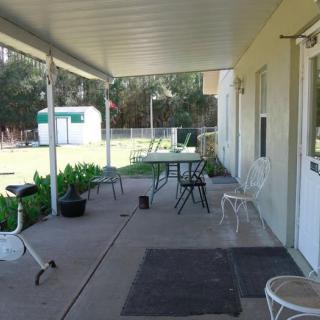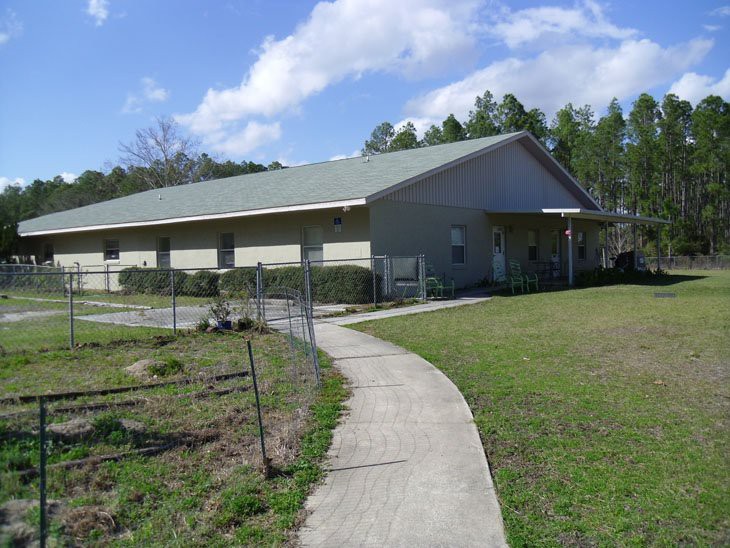
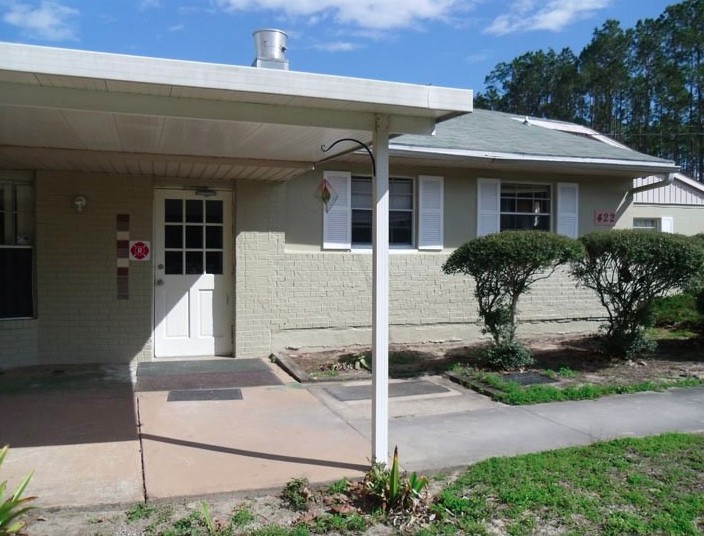
422 Pleasant Street, Pomona Park, FL 32181
For more information about senior living options: (866) 208-4318
Overall Review of Alf Of Pomona Park
Pros
 The place is wonderful and clean.
- The staff are friendly and professional.
- The administrator is very professional and caring.
- The residents look healthy and happy, creating a peaceful atmosphere.
- The services are very good, with caring and pleasant staff.
- The supervisor is great (five stars).
- The meals are amazing and the cooks are really good.
- Medication management is reliable and well-handled.
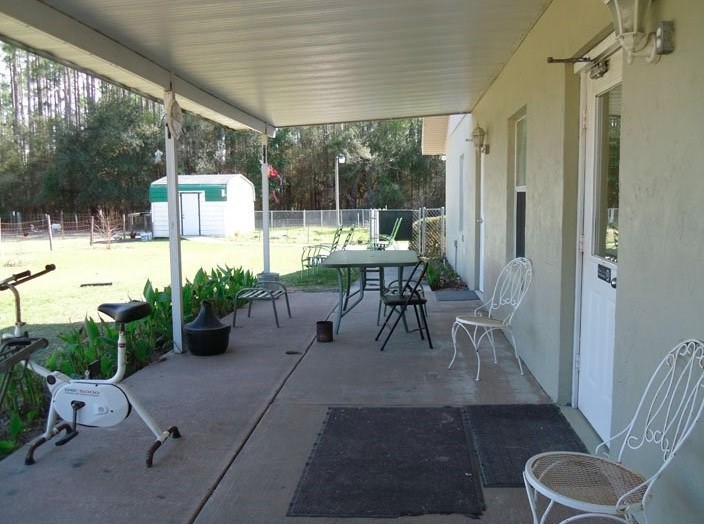
- The back porch, goats, and chickens create a pleasant, engaging environment.
Cons
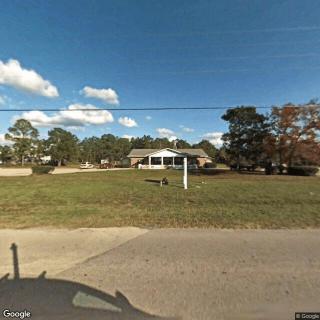
 It looked closed at 10 am on 9/19/23.
- There were no cars anyway.
Review
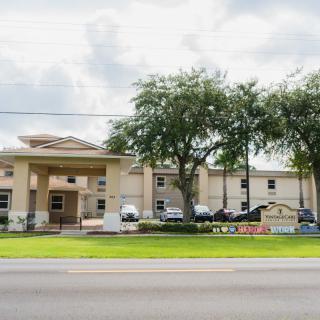
Alf Of Pomona Park is best suited for seniors who want a small, home‑like assisted living where care is hands‑on, practical, and personal. The community reads as bright, clean, and calm, with spaces that feel uncluttered and welcoming. Residents appear healthy and content, and families consistently praise a staff culture that is patient, friendly, and capable of handling routine medication management. The administrator is described as professional and caring, with a supervisor earning particular praise. Meals are solid, tasty, nutritious, and reliably posted, so daily planning comes with real confidence. The environment supports connection through Bible study, singing, arts and crafts, and light games, all within a compact setting that fosters relationships. A back porch, on‑site animals, and steady, predictable routines reinforce a peaceful, approachable vibe that so many families value when choosing where to place a loved one.
Those who prioritize a larger campus with expansive programming or specialized memory care may want to consider alternatives. Alf Of Pomona Park operates as a relatively small facility, which yields intimate, attentive care but naturally limits the scale of activities and the breadth of services. For families whose core need is proximity to a particular physician or hospital network, it’s essential to confirm regular access to the resident’s preferred doctors, since one move was motivated by staying near a trusted physician. While medication oversight and basic therapies are well covered, residents requiring intensive rehab, frequent skilled nursing, or a broad continuum of care may outgrow what this setting can sustainably offer. Likewise, if robust transportation options and frequent off‑site excursions are a priority, explore other communities where those services are more central.
On balance, the strongest positives, cleanliness, approachable staff, and reliable medication management, meaningfully offset the main drawbacks. The small footprint enables staff to know daily routines intimately, notice subtle changes quickly, and tailor care to individual preferences. The quality of meals and the willingness to adapt to needs, such as providing a hospital bed or accommodating wheelchair use when pain is a factor, demonstrate practical, resident‑centric responsiveness. The homey atmosphere and peaceful grounds reduce agitation and promote steady, predictable days. Affordable pricing, combined with openness to Medicaid support, makes long‑term planning feasible for fixed incomes, a central consideration when choosing where to anchor senior care.
Nonetheless, the compact size is not without caveats. Fewer residents can translate into fewer social options and a leaner array of activities, which might disappoint families seeking a bustling, interactive community. There have been occasional operational signals, brief impressions of hours or openings, that call for careful verification during tours and admissions. Mobility policies, while often flexible in practice, hint at a cautious approach to equipment that could frustrate residents who rely on assistive devices. And while warmth from staff is a consistent theme, the absence of explicit mention of extensive memory‑care pathways or a wide array of clinical services suggests this ALF is best for those with manageable, routine needs rather than escalating health concerns.
Practical decision steps should guide the visit process: review the current resident population and activity calendar to gauge social opportunities; confirm every aspect of medication management and who is responsible for each task; speak with the administrator about care coordination, emergency procedures, and any red flags; verify doctor access, transportation options, and the ability to keep the resident near any essential medical providers; discuss plans if health declines or more intensive care becomes necessary; and lock in the financial pathway, including Medicaid options and any rate guarantees. A firsthand experience, time with residents, observation of meals, and conversations with direct care staff, will reveal how consistently routines align with expectations. If spiritual and social rhythms matter, confirm the cadence and structure of Bible study or group activities to ensure continuity.
In the end, Alf Of Pomona Park delivers a compelling, budget‑sensible option for seniors who prize a bright, intimate setting with dependable daily care, good meals, and staff who know residents well. Its strongest advantages, cleanliness, practical oversight, and affordable pricing, create a solid foundation for a comfortable, predictable lifestyle. The main caveat is the small scale, which can limit social opportunities and the breadth of services, including advanced clinical supports. For families prioritizing personal attention, easy family involvement, and a quiet, home‑like environment, this ALF earns a confident recommendation. Those seeking a larger campus, richer programming, or extensive clinical capabilities should be ready to explore alternatives that offer a broader continuum of care and higher resident‑to‑staff ratios.
 24 resident community capacity
 Assisted Living
 Respite Care
 Beauty salon
 Cable or satellite TV
 Dining room
 Fully furnished
 Garden
 Housekeeping services
 Kitchenette
 Move-in coordination
 Outdoor space
 Restaurant-style dining
 Small library
 Telephone
 Wi-Fi/high-speed internet available
 24-hour call system
 Activities of daily living assistance
 Assistance with bathing
 Assistance with dressing
 Assistance with transfers
 Diabetes diet
 Medication management
 Mental wellness program
 Special dietary restrictions

 Understanding Medicaid Coverage for Assisted Living: A Comprehensive Guide
 How and When Medicaid May Cover Assisted Living Costs
 A Detailed Exploration of Assisted Living Medicaid Waivers Across the United States