
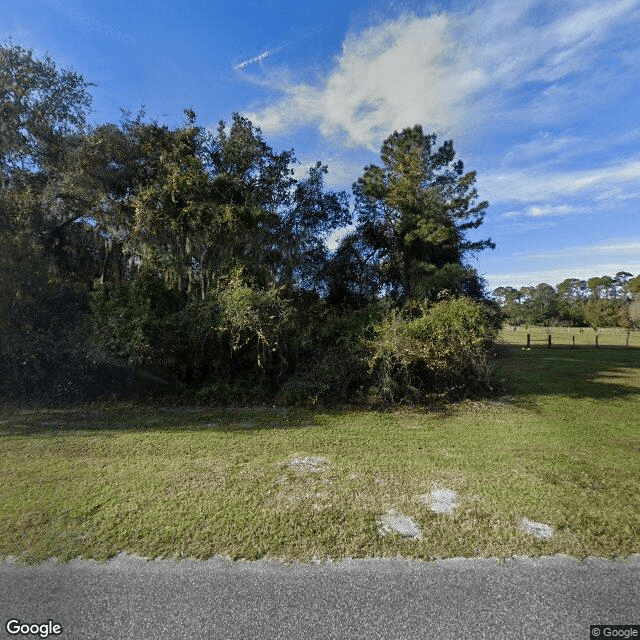
2301 South Highway 17, Crescent City, FL 32112
For more information about senior living options: (866) 208-4318
Crescent Lake House Costs & Pricing
Crescent Lake House offers competitive pricing for its accommodations when compared to both Volusia County and the wider state of Florida. The monthly cost for a semi-private room at Crescent Lake House is $2,200, which significantly undercuts the average rates of $3,143 in Volusia County and $3,009 across Florida. Similarly, for a one-bedroom unit, residents will find that the cost at Crescent Lake House is $2,500 - substantially lower than the local average of $3,766 and the state average of $3,864. This positioning highlights Crescent Lake House as an attractive option for those seeking quality living arrangements in a financially accessible environment.
| Floor plans | Crescent Lake House | Volusia County | Florida |
|---|---|---|---|
| Semi-Private | $2,200 | $3,143 | $3,009 |
| 1 Bedroom | $2,500 | $3,766 | $3,864 |
Assisted Living communities with a similar price nearby
-
from -$205 / mo
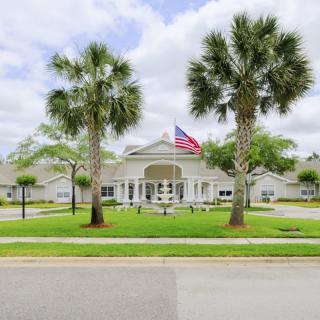
Grand Villa of Palm Coast
$1,995 to $3,195 / month18.4 miles away -
from -$400 / mo
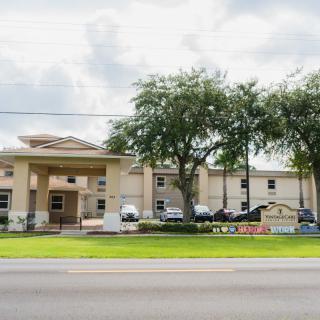
Vintage Care of Palatka
$1,800 to $3,050 / month16.0 miles away -
from -$200 / mo

Five Oaks Rest Home
$2,000 to $2,400 / month8.8 miles away -
from +$300 / mo
CR Loving Care
$2,500 to $2,800 / month19.3 miles away -
from +$300 / mo
Happy Days Assisted Living
$2,500 to $4,842 / month19.0 miles away
Overall Review of Crescent Lake House
Pros
 They appreciated Crescent Lake House for its proximity to home and the friendly, helpful people.
- The staff were attentive, checked on guests, and helped families feel confident about care decisions.
- The facility, though older, was clean and nicely maintained.
- Kristy, the facility administrator, was knowledgeable and answered questions, giving the place a homey feel.
- The staff were fantastic and the food was delicious.
- The smaller, inn-like setting felt intimate, with empathetic care from knowledgeable staff.
- The tours highlighted clean rooms, pretty grounds, and comfortable spaces suitable for personalization.
- The team goes above and beyond the call of duty for residents.
Cons
 The place seemed old to the reviewer, though it was clean and nice.
Review
Crescent Lake House is best suited for families seeking a small, homey, intimate assisted living option for an aging loved one who does not require hospital-grade medical care but wants consistent, attentive staffing and proximity to family. With roughly 14 residents, the community feels more like a welcoming inn than a campus, which translates into staff who know each resident’s preferences and routines. The setting supports easy, predictable days, including routine walks and shared meals, easing the stress that often accompanies a transition into care. Proximity to Crescent City and the neighborhood familiarity are meaningful advantages for families balancing caregiving with work and other responsibilities.
That said, Crescent Lake House is not the right match for everyone. Families with residents needing round-the-clock medical supervision, specialized memory care, or a larger social calendar may want to look elsewhere. The small footprint constrains the breadth of on-site services and staff coverage, and bed availability is naturally limited by the 14-resident cap. Some rooms offer private bathrooms while others do not, which can matter for couples or residents who prefer en-suite options. For highly medicalized needs or dementia-focused programming, alternatives with dedicated memory-care wings or affiliated nursing staff are often more appropriate.
From the resident-facing side, the strengths come through in staff behavior and the home-like atmosphere. Administrators and caregivers are described as knowledgeable, empathetic, and genuinely invested in residents’ well-being. The kitchen and meals receive praise, reinforcing the sense that daily life feels satisfying rather than clinical. The ability to tour and see room layouts, and even to bring familiar furniture, helps residents settle quickly and preserve a sense of identity. The grounds, game room, and outdoor seating contribute to a livelier, yet low-stress environment, where activities like bingo provide predictable, gentle engagement that suits many seniors.
Yet the older building status is a practical note. While the facility may be clean and well kept, its age can translate into amenities that feel dated compared with newer campuses. The most visible consequences are the room configurations, some en suite, some shared, and the modest size that naturally limits the scope of communal offerings and on-site clinical programs. One reviewer’s experience with a 1-star rating suggests that expectations can diverge, underscoring the importance of aligning care philosophy with family priorities and touring with specific questions about care plans, emergency coverage, and any accommodations that would be required over time.
Despite these caveats, the pros can decisively offset the cons for the right resident. A small, tightly knit environment often yields higher staff-to-resident attention, and staff consistently go above and beyond in their duties. Families report rapid transition timelines, with moves completed in a matter of weeks, and a notable emphasis on preserving dignity and happiness, turning a depressed, undernourished elder into someone who re-engages with daily life. The homey vibe and the opportunity to stay near home frequently reduce caregiver stress and travel, making Crescent Lake House a practical long-term choice for many couples and solo seniors alike.
For families evaluating Crescent Lake House, the verdict lies in matching expectations to capacity. If a warm, intimately staffed setting near home aligns with the senior’s needs and the family’s caregiving realities, this community delivers strong value. If, however, medical acuity, dementia-specific programming, or a larger, more dynamic campus is non-negotiable, alternatives should be pursued. Prospective residents should verify bed availability, confirm private-room options, request a detailed care plan, and sample a meal and activity schedule during a visit. In the right scenario, Crescent Lake House offers steady, kind, practical daily life that keeps seniors engaged without overwhelming them.
 26 resident community capacity
 Assisted Living
 Respite Care
 Cats allowed
 Dogs allowed
 Activities on-site
 Bath tubs
 Beauty salon
 Cable or satellite TV
 Devotional services off-site
 Dining room
 Fully furnished
 Garden
 Housekeeping services
 Indoor common areas
 Kitchenette
 Laundry
 Move-in coordination
 Outdoor space
 Restaurant-style dining
 Small library
 Telephone
 Wheelchair accessible showers
 Wi-Fi/high-speed internet available
 24-hour call system
 Ambulatory care
 Assistance with bathing
 Assistance with dressing
 Assistance with transfers
 Diabetes diet
 Diabetic care
 Incontinence care
 Medication management
 Mental wellness program
 Physical therapy
 Special dietary restrictions
 English
 Assisted Living and Memory Care: Understanding Their Core Differences
 Beyond the Bingo Hall: 50+ Enriching Activities for Seniors in Assisted Living
 Understanding the Distinctions: Assisted Living and Memory Care Explained