
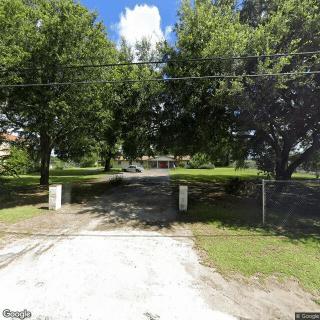
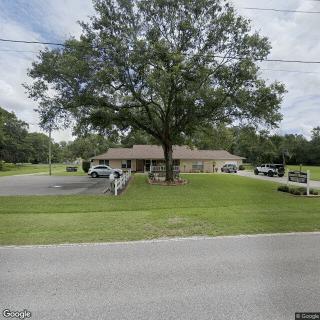
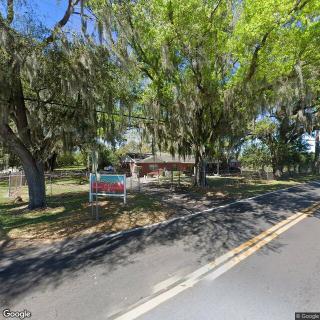
4506 Bruton Road, Plant City, FL 33565
For more information about senior living options: (866) 208-4318
Overall Review of Sharick's Deck Retirement Ranch
Pros
 The reviewer would co-own the facility to implement upgrades and changes.
- The reviewer hopes the owner shows empathy toward residents.
- The reviewer desires daily nutritious meals for residents.
- The reviewer wants ADLs that help residents get better.
- The reviewer wishes there were regular activities for residents.
Cons
 The facility is filthy and reminded of a concentration camp, signaling neglect and raising questions about why it is still open.
 - It is a run-down place with no staff, described as crazy by the reviewer.
- The place is a dump with far and few between, if any, healthy meals, and the owner’s money seems not to be used to improve the facility.
- There is little to no daily activity for residents, and the reviewer believes the meals lack healthy nutrition and that residents are not being helped to “get better.”
- The reviewer wishes for empathy from the owner toward the residents and expresses a desire to report the place to help those inside.
Review
Sharick's Deck Retirement Ranch in Plant City is not a fit for the standard senior living profile. The only situation where this community might be considered is for a family that can maintain relentless oversight and be prepared to move quickly at the first sign of trouble. In practical terms, there is no audience among typical residents who require daily care, safety, nutrition, or meaningful engagement to stay there without immediate intervention from loved ones or outside authorities. This is a facility that demands continuous, proactive advocacy, or else abandonment of any expectation of decent care.
The reviews paint a consistently bleak picture: the facility is described as filthy and run-down, with comments invoking neglect and a chilling sense of danger. Observations of scant or non-existent staff raise alarms about supervision and the ability to respond to emergencies. The condition of daily life appears neglected, with questions raised about how residents receive meals, how their nutritional needs are met, and whether there is any regular programming or activities to keep residents from languishing. The overall impression is of a place that has not prioritized basic standards of cleanliness, safety, or resident welfare.
There are virtually no credible positives cited in the reports. The few concerns presented are overshadowed by the absence of essential services and human warmth. The sense is that resources are not being invested in meaningful care, and even what should be straightforward questions, such as meal calendars, diet quality, and daily activities, are left unaddressed. The one thread raised about “empathy” for residents is more a lament than an endorsement, underscoring a culture where residents’ needs appear to be secondary to other priorities. When cost is mentioned, it is in the context of discomfort that the price is not aligned with the experience, reinforcing the impression that value is absent.
The safety and quality gaps translate into tangible risks for residents. A dirty, under-staffed environment creates hazards around hygiene, medication management, and response times to falls or medical issues. The lack of regular meals and nourishment points to potential malnutrition or dehydration, especially for residents with dietary restrictions or higher caloric needs. The absence of activities and social engagement compounds cognitive and emotional decline, leaving residents isolated and unstimulated. For families, these gaps mean not just inconvenience but real concerns about day-to-day welfare, dignity, and the ability to trust that a loved one is in a stable, supportive setting.
For decision-makers, the path forward is clear: seek alternatives with demonstrated safety, attentive staffing, clean environments, nutritious meals, and structured engagement. In any due-diligence process, demand current licensure verification, inquire about staff-to-resident ratios, request to review recent meal plans and feeding routines, and tour with a checklist focused on sanitation, safety features, and resident interaction. Speak with current residents and their families, verify any state or county inspections, and compare with similarly priced facilities that consistently earn higher ratings. The goal is to replace uncertainty with verifiable commitments to care.
In sum, Sharick's Deck Retirement Ranch should be avoided by families prioritizing safety, dignity, and reliable daily care. The cons, filthy conditions, severe staffing shortages, lack of meals and activities, and a troubling overall atmosphere, greatly outweigh any tenuous considerations. Alternatives with stronger track records offer a far more prudent path for a loved one requiring supervision, nutrition, and engagement. Time and money are better invested in facilities that income-testedly demonstrate clean, well-staffed, resident-centered care rather than tolerating a setting that, as described by multiple reviewers, fails at the most basic expectations of a reputable retirement environment.
 25 resident community capacity
 Assisted Living
 Respite Care
 Beauty salon
 Cable or satellite TV
 Dining room
 Fully furnished
 Garden
 Housekeeping services
 Kitchenette
 Move-in coordination
 Outdoor space
 Restaurant-style dining
 Small library
 Telephone
 Wi-Fi/high-speed internet available
 Tampa International (23 miles away)
 24-hour call system
 Activities of daily living assistance
 Assistance with bathing
 Assistance with dressing
 Assistance with transfers
 Diabetes diet
 Medication management
 Mental wellness program
 Special dietary restrictions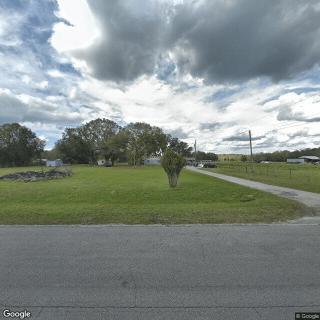


 Senior Transition Services: Understanding Their Role, Cost, and Importance
 Exploring the Path to Senior Living: A Comprehensive Look at Independent Living and Assisted Living
 Is Assisted Living Deductible on Your Taxes? Understanding the Complexities of Assisted Living Expenses and Deductions