
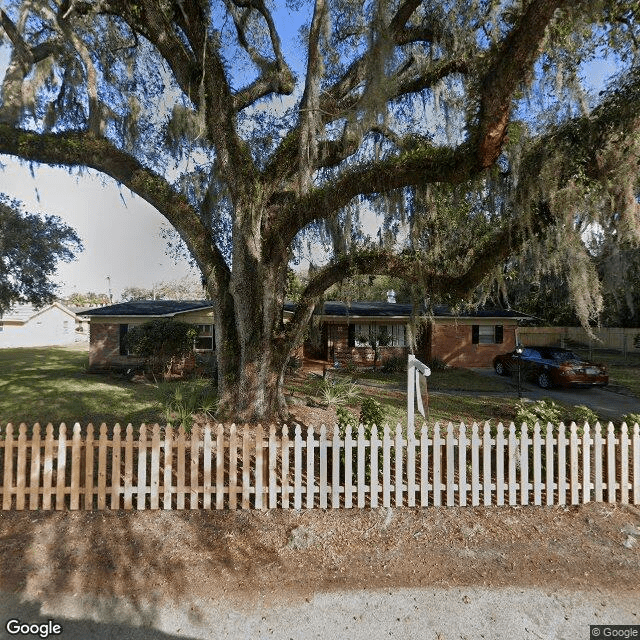
104 N Gordon Street, Plant City, FL 33563
To contact a resident: (813) 752-5106
For more information about senior living options: (866) 208-4318
Overall Review of Heritage View of Plant City
Pros
 The staff is very nice, helpful, and friendly.
- They strive to get residents to eat and keep them clean.
- The facility is great and very hands-on.
- The care provided is wonderful, and the residents are well cared for.
- The atmosphere is very relaxed and the place is clean.
- It is affordable relative to the resident's income.
Cons
 The décor was dated.
- There were no activities to speak of.
- The facility was older and not very appealing to the eye.
- The administrator wasn’t there at the time they visited.
- There was nothing fancy about the place.
- The resident’s needs got beyond what the facility could provide.
Review
Heritage View of Plant City is best suited for families seeking a small, hands-on assisted living option for a parent who needs reliable daily care and access to a memory care pathway without the trappings of a resort-like setting. The community’s intimate size translates into noticeably more personalized attention, with caregivers who are approachable and readily available. In Plant City, the facility offers a stable, pragmatic environment where routines are straightforward, meals and hygiene are prioritized, and staff relationships tend to feel genuine and consistent. This is not a place pitched as luxurious living; it’s a practical home base for steady daily support with an emphasis on humane caregiving and close staff-resident interaction.
Those who should consider alternatives are families chasing abundant on-site activities, contemporary décor, and a bustling social calendar. If a resident requires higher-acuity medical oversight, around-the-clock nursing beyond standard assisted living, or a facility geared toward a more expansive program of therapies, other communities may better align with those needs. Leadership presence can vary from visit to visit, so prospective residents who want consistent, visible management should verify who is on site regularly, how often the administrator is available, and how responsive leadership is to emerging concerns. In short, for buyers who equate value with a livelier atmosphere and more polish, competition will offer more aggressive programming and newer aesthetics.
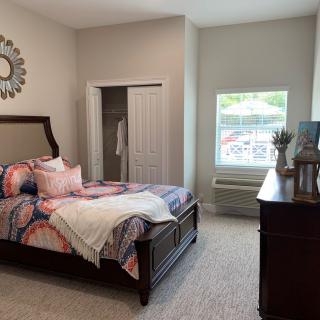
The strongest positives center on care quality in a calm, clean setting, paired with accessible, compassionate staff. Reviewers consistently describe the team as kind, helpful, and motivated to support meals, hygiene, and daily routines. The smaller scale allows staff to know residents well, monitor changes quickly, and address concerns without bureaucratic delays. The memory care unit is a meaningful asset here, with caregivers who focus on safety, engagement, and meal encouragement, an essential combination for families navigating memory-related challenges. Residents’ rooms are described as basic but adequate, and the overall environment feels tidy and livable. These advantages, personalized attention, reliable caregiving, and a targeted memory care option, offset several trade-offs inherent in an older, simpler facility.
However, the flip side includes décor that feels dated and a sense that the facility does not match the shinier, activity-rich campuses some families expect. Activity offerings can be sparse, with critics noting a lack of structured programming beyond routine care, social meals, and in-room time. For families who value daily, organized outings, clubs, or extensive reminiscence programs, the current rhythm may feel limiting. Another caveat is that administrative presence isn’t necessarily uninterrupted, raising questions about day-to-day leadership consistency. While the care itself is repeatedly described as excellent and responsive, the facility’s capacity to scale up for more complex needs or to deliver a broader entertainment and engagement calendar is understandably constrained by its size and design.
For families weighing a visit, the practical path is to probe carefully: request a look at the actual activity schedule, ask how memory care programming is structured, and verify what happens when a resident’s needs escalate. Clarify meal options, dietary accommodations, and the frequency of nutrition reviews, since encouragement at mealtimes is a noted strength. Review room configurations, safety features, and what constitutes private versus shared space in practice. Cost transparency matters, confirm what is included in base pricing, what triggers additional charges, and how services such as dressing, bathing, or mobility assistance are billed. Given the budget-conscious nature highlighted in the assessments, understanding value in exchange for services becomes a decisive factor.
Ultimately, Heritage View stands out as a dependable choice for families seeking a modest, clean, affordable setting with a high degree of caregiver accessibility and strong memory-care attention. It is especially well-suited for residents who prioritize steady, compassionate care over luxury amenities and for families who value that intimate, community feel. It may be less compelling for those whose priority is a robust activity slate, modern aesthetics, or highly specialized medical oversight. For such families, a careful comparison with larger campuses offering richer programming and more contemporary environments is prudent. For others, a tour that centers on staff interactions, the memory-care framework, and daily routines will confirm that Heritage View can be a trustworthy, steadying presence during a challenging life transition.
 16 resident community capacity
 Studio apartments
 Assisted Living
 Board and Care Home
 Respite Care
 Activities on-site
 Beautician on-site
 Cable or satellite TV
 Computer center
 Devotional services off-site
 Dining room
 Fully furnished
 Garden
 Housekeeping services
 Indoor common areas
 Laundry
 Move-in coordination
 Outdoor space
 Telephone
 Wi-Fi/high-speed internet available
 24-hour supervision
 Ambulatory care
 Assistance with bathing
 Assistance with dressing
 Assistance with transfers
 Diabetes diet
 Meal preparation and service
 Medication management
 Special dietary restrictions
 Transportation arrangement (medical)
 Transportation to doctors appointments



 Securing Financial Support for Assisted Living: A Comprehensive Overview
 Social Security Benefits and Assisted Living: Navigating Options Across the U.S.
 An Extensive Exploration of the VA Aid and Attendance Benefit