
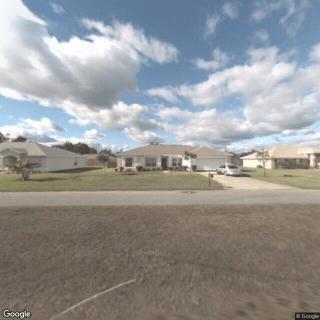
25 Lyndenhurst Lane, Palm Coast, FL 32137
For more information about senior living options: (866) 208-4318
Overall Review of Therapeutic Assisted Living
Pros
 The staff are caring, loving, and attentive, creating a warm home atmosphere.
- The facility makes families feel like they are part of a welcoming, loving family.
- Latasha and the team are praised for compassion, professionalism, and clear communication.
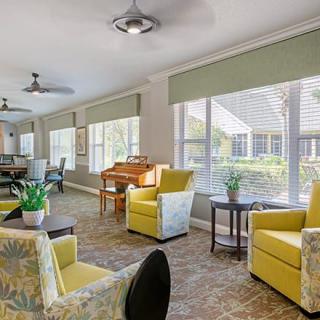
- The home is small and intimate, with a maximum of six residents, making it feel like a house rather than a facility.
- Residents receive excellent one-on-one care and personalized attention.
- Meals are home-cooked and served at a dining room table, reinforcing a family-like setting.
- The environment is clean, cozy, safe, and welcoming.
- The ownership’s gentle, loving approach helps residents thrive and feel respected.
- Families report peace of mind knowing their loved ones are well cared for.
- The atmosphere is described as therapeutic, loving, and focused on residents’ well-being.
- The staff provide 24/7 attentive care and go above and beyond to meet needs.
- The facility is consistently praised as a rare gem in the area.
Cons
 They were charged continually for treatment and attention that the patient did not receive.
- He was isolated in his small apartment.
- They were disappointed by the final attempt to place their loved one in a facility they could be comfortable with.
Review
Therapeutic Assisted Living in Palm Coast is best suited for families seeking an intimate, home-like environment where residents are treated like family and care happens with remarkable consistency. This small, six-resident residence excels for seniors who want daily living support without the impersonality of a large campus, and for couples who still want to age together under a roof that feels like a private home. It is ideal for those who prize reliable, personalized attention, frequent caregiver interaction, and meals that feel crafted by someone who knows individual tastes. In short, it is a practical haven for families prioritizing warmth, stability, and a nurturing daily routine.
Those who may want to consider alternatives are clear: residents with significant medical complexity or a need for constant, on-site skilled nursing and advanced therapy will likely outgrow this setting. Similarly, families seeking a robust calendar of activities, extensive rehabilitation services, or a larger community with broad amenities may prefer a bigger ALF or a memory-care-focused option. Budget sensitivity is another consideration; while the care feels generous, the intimate format often comes with a price tag that reflects the high level of personalized attention. For anyone prioritizing high-volume social programming over one-on-one interaction, alternatives deserve exploration.
The primary strengths are self-reinforcing. The six-resident model creates an environment where every caregiver knows each resident’s routines, preferences, and medical needs, enabling highly personalized, around-the-clock attention. Home-cooked meals designed with nutrition in mind and shared at a family-style dining table reinforce a sense of belonging and normalcy. Clean, comfortable spaces, and a home atmosphere reduce stress and isolation, allowing residents to form genuine bonds with caregivers and peers. Crucially, leadership and frontline staff communicate openly with families, so care plans stay aligned with evolving needs, providing real peace of mind.
Equally compelling is the warmth and professionalism of the team. Caregivers are described as attentive, compassionate, and consistently available, with staff members going “above and beyond” to meet individual needs. The owner-operators, often highlighted as approachable and trustworthy, set a tone of care that feels personal rather than procedural. Residents tend to settle quickly, often forming a sense of home that translates into improved mood and daily functioning. The environment is consistently clean, organized, and drama-free, which matters for families who worry about the stress of placement and ongoing quality of life.
Yet there are legitimate considerations where the pros may not fully offset the limitations. The most notable constraint is capacity: a six-resident home cannot replicate the breadth of services, social opportunities, or urgent medical responsiveness found in larger facilities. For someone requiring intensive medication management, frequent skilled nursing interventions, or rapid access to rehab therapies, the smaller footprint may feel restrictive. Nevertheless, the strong caregiver presence and highly personalized attention help mitigate these concerns, delivering tangible benefits in daily comfort, safety, and emotional well-being that larger settings sometimes miss.
Ultimately, the community stands out for families who value a therapeutic, family-centered approach over breadth of programming. It is a rare find, a place where care feels intimate, consistent, and genuinely loving, with a focus on dignity and comfort in the later years. For decision-makers weighing options, this TALF offers a compelling case if the priority is a home-like sanctuary with exceptional one-on-one care, superb meal quality, and a transparent, engaged leadership team. When medical complexity or a bustling activity calendar are the top criteria, exploring alternatives remains prudent. For many families, this is precisely the kind of reliable, heartfelt choice that delivers both comfort and confidence.
 6 resident community capacity
 Assisted Living
 Cable or satellite TV
 Dining room
 Fully furnished
 Garden
 Housekeeping services
 Move-in coordination
 Outdoor space
 Telephone
 Wi-Fi/high-speed internet available
 24-hour supervision
 Activities of daily living assistance
 Assistance with bathing
 Assistance with dressing
 Assistance with transfers
 Diabetes diet
 Meal preparation and service
 Medication management
 Special dietary restrictions
 Transportation arrangement (medical)
 Transportation to doctors appointments



 Senior Transition Services: Understanding Their Role, Cost, and Importance
 Exploring the Path to Senior Living: A Comprehensive Look at Independent Living and Assisted Living
 Is Assisted Living Deductible on Your Taxes? Understanding the Complexities of Assisted Living Expenses and Deductions