
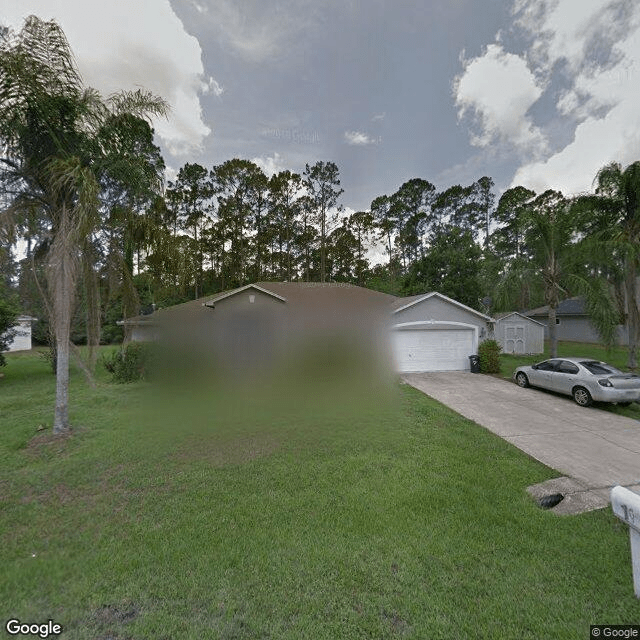
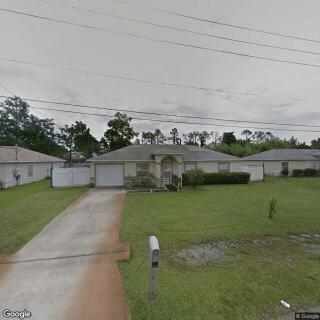
10 Riddle Dr., Palm Coast, FL 32164
To contact a resident: (386) 585-7049
For more information about senior living options: (866) 208-4318
Overall Review of Rose Margarett Orcel Adult Family Care Home
Pros
 The facility is described as a warm, home-like environment with a small, intimate setting.
- Care is personalized with significant one-on-one attention from a dedicated team.
- Families report peace of mind knowing their loved ones are in a safe, clean, and caring environment.
- The staff are consistently described as caring, loving, attentive, and professional.
- Residents enjoy home-cooked meals and a family-style dining experience.
- The setting feels more like a home than a large institution, fostering bonds among residents.
- The owner and team are praised for their dedication, gentleness, and treating residents like family.
- The atmosphere is therapeutic, clean, and conducive to residents thriving.
- The small house with six residents ensures no one is lost in the shuffle and fosters a sense of belonging.
Cons
 They were continually charged for treatment and attention their loved one did not receive.
- They were disappointed in a final attempt to place their loved one in a facility they would be comfortable with.
- He was isolated in his small apartment.
- They were desperate to find him a loving, caring facility.
Review
This Palm Coast community is best suited for seniors who thrive in a warm, home-like environment where every resident is treated as part of the family and care is highly personalized. It works for families seeking intimate, six-resident living rather than a large campus atmosphere, where daily routines feel predictable, meals are home cooked, and caregivers establish lasting relationships. For a loved one who benefits from constant companionship, direct access to a small team, and transparent communication with the administrator, this setting offers the kind of safety net and emotional support that can make the difference between solitude and belonging.
Those who may want to consider alternatives are caregivers facing higher medical needs or a desire for more clinical oversight. If a senior requires robust nursing supervision around the clock, active dementia or memory-care programming, or a broader spectrum of on-site therapies and activities, a larger assisted living facility or a dedicated memory-care community could be a better fit. Similarly, families who value a programmatic calendar with expansive social opportunities, transportation services, or more extensive rehabilitation options may find a different environment better aligned with those expectations.
The strongest positives center on the intimate scale and the care culture. A six-resident house translates to genuine one-on-one attention, with staff who can tailor daily living assistance, medication management, and companionship to each person. Residents are described as happy, well groomed, and comfortable in a space that feels like home rather than a clinical setting. The dining experience reinforces the sense of family: meals are shared at a table, planned with nutritional guidance, and designed to be both nutritious and enjoyable. Cleanliness and a peaceful atmosphere permeate the home, contributing to a sense of safety and predictability that families report as priceless.
Caregiver dedication stands out as another defining strength. The owner-operator and team are consistently portrayed as compassionate, trustworthy, and organized, with communication that feels proactive and collaborative. Families note frequent updates about care plans, and staff members are praised for going beyond basic duties to meet nuanced needs, whether it’s arranging personalized meals, coordinating with hospice services when relevant, or simply providing meaningful companionship. The overall tone is that of a tightly knit, dependable crew that treats residents as if they were their own family, which in turn grants families considerable peace of mind.
A prudent family will weigh the few potential limitations against the abundant strengths. The most notable considerations relate to scale and scope: the small footprint means admissions are selective, and the level of medical oversight is built around a dedicated, intimate team rather than a large staff with diverse specialists. This is precisely what produces the extraordinary attention and sense of belonging, but it also means that for residents with complex medical trajectories or specialized memory-care needs, a larger facility with more formal resources may be preferable. Still, the consistent top-tier feedback across multiple perspectives suggests that the pros overwhelmingly offset these considerations for the right candidate.
In deciding, the question becomes: what kind of environment best supports the loved one’s daily life and emotional well-being? If a serene, home-style ALF with a near-family culture, high caregiver engagement, and highly personalized routines sounds ideal, this Palm Coast option stands out as a leading choice. For families prioritizing scale, structured programming, or advanced clinical services, it is wise to explore other communities that can offer those features with equal rigor. Above all, prospective residents should visit, observe the interactions, inquire about meal plans and medication management, and confirm that the daily rhythm aligns with the resident’s preferences and care goals.
 Board and Care Home
 Daytona Beach International (25 miles away)

 Understanding Home Health Care: A Comprehensive Guide
 Home Health Care Demystified: A Comprehensive Guide for Families and Caregivers
 Seniors and Modern Transportation: Exploring Uber, Lyft, and Other Ride-Hailing Options