
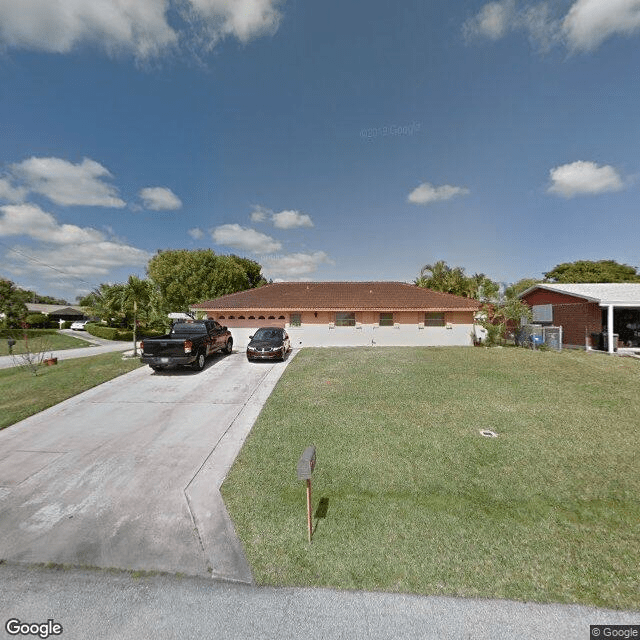
3927 Buttercup Circle S, Palm Beach Gardens, FL 33410
For more information about senior living options: (866) 208-4318
Barbara's Sunny Day II Costs & Pricing
At Barbara's Sunny Day II, the monthly costs for room types reflect a commitment to quality care, albeit at a premium compared to the averages in Palm Beach County and the broader state of Florida. For semi-private accommodations, residents can expect to pay $4,000, which is slightly above the county average of $3,592 and significantly higher than the state average of $3,009. Private rooms are available for $5,000 per month, again positioning Barbara's offering above both local and state norms, as private rooms in Palm Beach County typically cost $4,444 and those across Florida average $3,699. Similarly, one-bedroom units are priced at $5,000 - higher than the county's average of $4,362 and the state average of $3,864. This pricing structure suggests that while Barbara's Sunny Day II may be on the higher end of the spectrum, it likely reflects enhanced services or amenities that justify its costs.
| Floor plans | Barbara's Sunny Day II | Palm Beach County | Florida |
|---|---|---|---|
| Semi-Private | $4,000 | $3,592 | $3,009 |
| 1 Bedroom | $5,000 | $4,362 | $3,864 |
| Private | $5,000 | $4,444 | $3,699 |
Memory care communities with a similar price nearby
-
from -$500 / mo
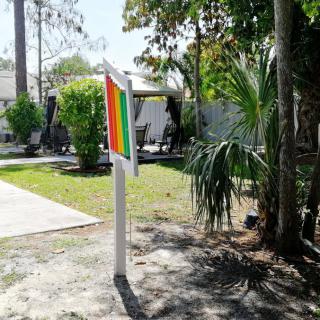
Mama Llama LLC
$3,500 to $5,800 / month14.9 miles away -
from -$485 / mo
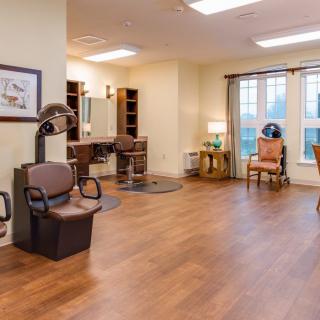
The Landing Of Lake Worth
$3,515 to $5,950 / month16.8 miles away -
from -$705 / mo

Mariposa
$3,295 to $5,110 / month18.5 miles away -
from +$300 / mo
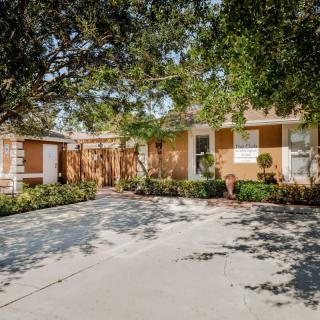
Wellington Elder Care 2
$4,300 to $4,700 / month15.2 miles away -
from -$500 / mo
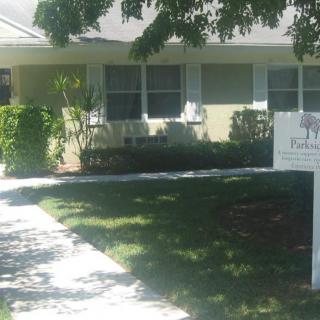
Parkside Inn
$3,500 to $4,500 / month21.2 miles away
Overall Review of Barbara's Sunny Day II
Pros
 The staff at Serenity Living Home Care provide genuine, compassionate care.
- They treat residents like family, ensuring they feel safe, comfortable, and valued.
- Families report peace of mind thanks to the staff's kindness and attentiveness.
- The environment is warm, loving, and decidedly home-like rather than institutional.
- The care team is passionate, professional, and dedicated to exceptional elderly care.
- The home offers home-cooked meals and maintains a clean, safe facility.
- Serenity Living is a small, family-style setting with a caring, attentive staff.
- A range of engaging activities, including music therapy and brain games, enhances residents' quality of life.
Cons
 The reviewer states they had a difficult experience at larger nursing homes and assisted living communities.
- It was a hard decision for the family to place the mother in assisted living.
- The reviewer notes that not many places still care.
Review
Barbara’s Sunny Day II in Palm Beach Gardens is best suited for families seeking a truly home-like, intimate living arrangement where residents are treated with everyday warmth, dignity, and personalized attention. This setting excels when a senior benefits from a small, house-style environment rather than a clinical, impersonal campus. It suits those who value consistent caregiver relationships, frequent family updates, and the comfort of meals and routines that feel tailored and familiar. Residents who thrive in a cozy, clean, and quietly nurturing atmosphere, where staff know names, preferences, and little daily rhythms, will likely flourish here.
Those weighing alternatives should consider whether the priority is robust on-site medical oversight, an expansive activity calendar, or specialized memory-care programming. Larger or more institution-like communities can offer more medical staff coverage, broader therapy options, and a wider variety of structured services. For seniors with complex medical needs, frequent clinician involvement, or advanced dementia that requires a dedicated unit and higher nurse-to-resident ratios, a bigger facility or a specialized memory-care setting may be a more reliable fit. Families seeking a true hospital-to-home transition for complex care should evaluate whether this model can consistently meet evolving clinical requirements.
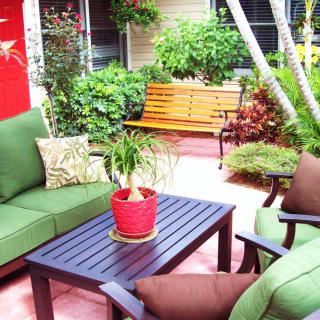
The strongest positives here are hard to beat in a small-operation setting: compassionate, family-style care, and a staff that genuinely treats residents like loved ones. The tone in these reviews is consistently warm, with staff described as caring, attentive, and professional, providing a sense of security and belonging. Residents are kept safe and comfortable, with a visible emphasis on dignity and respect, factors that translate into real peace of mind for families. The environment is repeatedly praised as spotless, beautiful, and inviting, reinforcing a sense of stability and home rather than hospital-like formality.
Another standout is the highly personalized approach to daily life. Meal preparation is described as fresh and ready-to-order, underscoring a commitment to nutrition and taste tailored to individual preferences. The kitchen’s central location and the ongoing attention to residents’ welfare, nutrition, comfort, and welfare checks, offer practical reassurance for families who want hands-on oversight without micromanagement. Beyond meals, a diverse slate of activities, art, music therapy, games, exercise, and social interaction, supports cognitive and emotional engagement in a setting that remains small enough to allow real personal connection with caregivers.
That blend of warmth, safety, and customization helps offset the realities of a small operation. The same intimate scale that fosters close bonds can limit the breadth of services or the immediacy of clinical interventions, and that is the trade-off families should acknowledge. Yet the reviews repeatedly emphasize that the staff’s commitment and the family-like atmosphere counterbalance these potential limits. For families who prioritize ongoing updates and transparent communication, the ability to receive regular updates and stay connected through direct, personal contact with the team becomes a concrete, daily advantage that’s hard to replace in larger communities.
Ultimately, Barbara’s Sunny Day II presents a compelling choice for seniors who want dignity, tailored care, and a homey routine over a more impersonal, program-heavy experience. It is an especially strong fit for residents who thrive with consistency, close-knit staff relationships, and the assurance that meals, activities, and daily care are arranged around their preferences. Prospective families should walk through the home, ask about staffing patterns, and listen for how staff describe adapting care as needs shift. If the goal is a warm, respectful environment where residents feel valued and families feel reassured by steady communication, this community delivers with notable consistency. For those seeking extensive medical infrastructure or a large-scale memory-care program, alternatives will likely offer a better fit.
 6 resident community capacity
 Assisted Living
 Board and Care Home
 Memory Care
 Activities on-site
 Bath tubs
 Cable or satellite TV
 Devotional services off-site
 Dining room
 Fully furnished
 Garden
 Housekeeping services
 Indoor common areas
 Move-in coordination
 Outdoor common areas
 Private
 Private bathrooms
 Telephone
 Wi-Fi/high-speed internet available
 Palm Beach International (9 miles away)
 24-hour supervision
 Ambulatory care
 Assistance with bathing
 Assistance with dressing
 Assistance with transfers
 Diabetes diet
 High acuity care
 Incontinence care
 Meal preparation and service
 Medication management
 Special dietary restrictions
 Transportation arrangement (medical)
 Transportation to doctors appointments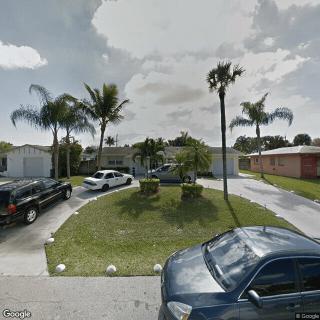

 Understanding Dementia Through Its Seven Stages: A Comprehensive Look at Progression and Expectations
 Safeguarding Your Memory Through the Golden Years: Eight Ways to Preserve Cognitive Health
 Comprehensive Insights into Activities of Daily Living (ADLs) and Their Assessment