
1090 Douglas Street Se, Palm Bay, FL 32909
For more information about senior living options: (866) 208-4318
Overall Review of Peace Haven Alf
Pros
 Jennifer's Place provides 24-hour exemplary care in a small, clean, home-like setting.
- The staff work seamlessly with hospice support to meet residents' personal care needs.
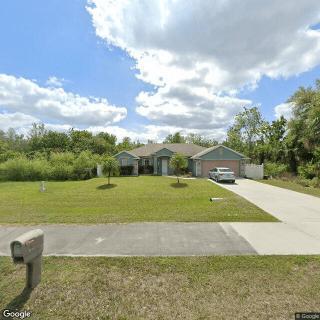
- The facility is beautiful, clean, and comfortable, and feels like a home rather than a facility.
- The caregivers are kind, attentive, and treat residents with dignity and respect.
- The care team communicates well with families and responds promptly to questions and needs.
- Residents often have their own rooms with attached bathrooms, enhancing comfort and privacy.
- The home offers daily activities and pleasant outdoor spaces, including a back porch and landscaped walking area.
- The care provided is life-changing for residents and highly recommended by families.
Cons
 She was mostly ignored in a corporate-run assisted living facility.
- Prior to coming here, she was bed bound and not doing well.
- Her spark was nearly extinguished.
Review
This community is best suited for families seeking a warm, intimate, home-like assisted living experience in Palm Bay, where residents receive highly personalized, around-the-clock attention, including hospice support as needs arise. The environment emphasizes cleanliness, comfort, and a setting that feels like a respectful home rather than a clinical institution. It is especially appropriate for seniors who value direct, ongoing interaction with a tight-knit caregiving team and for families that want transparent, frequent updates about their loved one’s condition and daily routine. In short, it serves as a strong fit for those prioritizing dignity, comfort, and consistent personal connection over size and hospital-like services.
Those considering alternatives should note that this model may not be the one for families seeking a large campus with a broad spectrum of on-site medical specialties, expansive rehab programs, or memory-care tracks with intensive clinical oversight. If a resident’s needs extend beyond daily living assistance into high-volume therapy, complex wound care, or highly specialized dementia programming, a larger facility with a more clinical footprint may be preferable. For families pursuing a more varied social calendar, more formalized physician presence on-site, or a broader menu of amenities, exploring other communities would be prudent.
The strongest pros in the reviewed setting revolve around human connection and consistent care. Families repeatedly praised caregivers who deliver compassionate, dignified treatment, with staff members who remember preferences, respond promptly, and communicate clearly about any changes in condition. The home-like environment, private rooms with attached baths, a clean and well-maintained interior, and appealing outdoor spaces, contributes to a sense of security and normalcy. Daily activities, a range of food options, and the ability to observe meaningful interactions contribute to quality of life, not just basic safety. Staff such as Frankie, TT, and Michelle are highlighted for their reliability and thoughtful, attentive care, which helps families sleep easier knowing a loved one is being looked after with respect and warmth.
Because the reviews do not enumerate explicit deficiencies, the implied trade-off centers on scale and clinical depth. A small, intimate setting can struggle to match the immediacy of hospital-grade responses or the breadth of therapies found in larger communities. Families should verify on-site medical coverage, the availability of RNs around the clock, and the process for escalating care if a resident’s condition worsens. Inquire about care plans, pain management, wound care capabilities, and transfer agreements with local hospitals. Also ask about staffing continuity, and whether the same caregivers are consistently assigned to a resident to preserve continuity and trust.
Decision-making should begin with a clear picture of care priorities. If the goal is a nurturing, family-like atmosphere where a resident is seen as a person who deserves daily conversations, activity engagement, and respectful treatment, this option stands out as exceptional. If the priority is a higher level of clinical infrastructure, a broader set of specialized programs, or a dementia-care lane with intensive supervision, alternative communities warrant comparison. Visit multiple options, speak with current residents and families, and request a concrete sample care plan to determine whether resident needs align with the offered model.
In sum, the reviewed community emerges as an excellent choice for families prioritizing warmth, dignity, and highly attentive 24-hour care in a home-like setting. It excels at delivering personalized attention, dependable communication, and a comforting environment where residents can feel valued and connected. While not the right fit for those demanding extensive on-site medical specializations or large-scale programming, it stands out as a trustworthy, well-regarded option in Palm Bay for end-of-life-oriented care, daily living support, and the type of steady, compassionate companionship that often defines a truly good senior living decision.
 6 resident community capacity
 Assisted Living
 Board and Care Home
 Cable or satellite TV
 Dining room
 Fully furnished
 Garden
 Housekeeping services
 Move-in coordination
 Outdoor space
 Telephone
 Wi-Fi/high-speed internet available
 Melbourne International (8 miles away)
 24-hour supervision
 Activities of daily living assistance
 Assistance with bathing
 Assistance with dressing
 Assistance with transfers
 Diabetes diet
 Meal preparation and service
 Medication management
 Special dietary restrictions
 Transportation arrangement (medical)
 Transportation to doctors appointments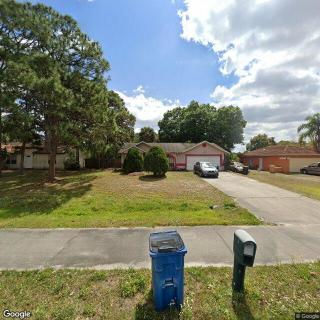



 Exploring the Path to Senior Living: A Comprehensive Look at Independent Living and Assisted Living
 Is Assisted Living Deductible on Your Taxes? Understanding the Complexities of Assisted Living Expenses and Deductions
 Assisted Living Support for Veterans: A Complete and Detailed Overview