
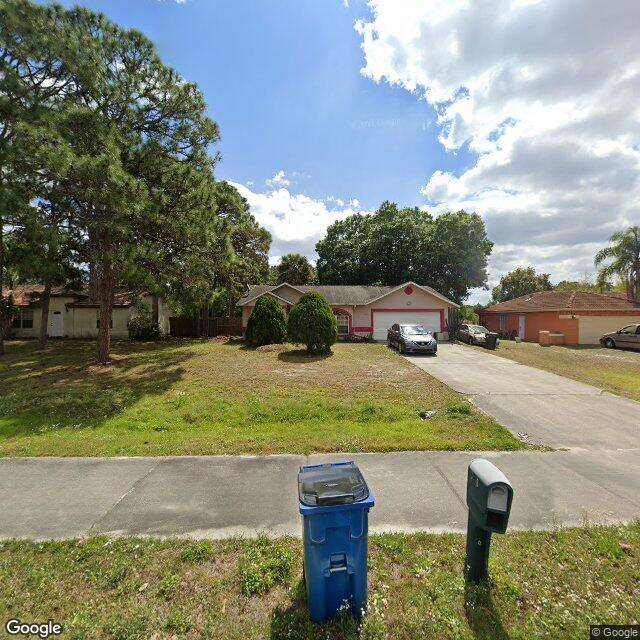
3968 Jupiter Blvd SE, Palm Bay, FL 32909
To contact a resident: (321) 574-5717
For more information about senior living options: (866) 208-4318
Living With Joy Costs & Pricing
Living With Joy offers a competitive monthly rate of $2,500 for semi-private rooms, positioning itself as an attractive option compared to the average costs in both Brevard County and the broader state of Florida. In Brevard County, the average cost for similar accommodations is approximately $3,027, while statewide figures reflect an average of around $3,009. This significant cost difference not only highlights Living With Joy's commitment to affordability but also underscores its value proposition for individuals seeking quality care without the exorbitant price tag often associated with assisted living facilities.
| Floor plans | Living With Joy | Brevard County | Florida |
|---|---|---|---|
| Semi-Private | $2,500 | $3,035 | $3,009 |
Senior living communities with a similar price nearby
-
About the same

The Residences at Zon Beachside
$2,570 to $4,500 / month12.8 miles away -
from +$250 / mo
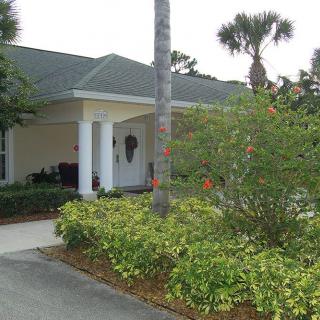
Pelican Garden Assisted Living
$2,750 to $3,500 / month18.3 miles away -
About the same
Good Heavens AFCH
$2,500 / month17.4 miles away -
from -$200 / mo
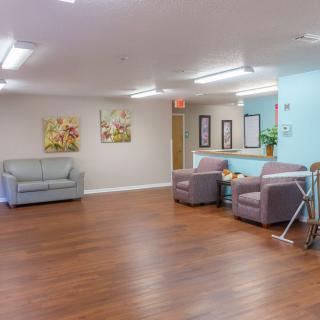
Bethesda on Turkey Creek
$2,300 to $3,500 / month4.0 miles away -
About the same

Harborside at Melbourne
$2,495 to $4,495 / month7.3 miles away
Overall Review of Living With Joy
Pros
 Joy Lutheran Church is described as a warm, caring Christian community.
- The people, sermons, and pastor are highly regarded, with the pastor’s voice described as excellent.
- The congregation is very welcoming.
- Joy Lutheran Church is a wonderful place to worship.
- It is a great place to attend services and be part of the community.
- Pastor Bryant’s sermons are believed to help attendees become better Christians.
- Community events, such as craft and bake sales, are well received.
Review
Living With Joy in Palm Bay is best suited for seniors who want a faith-centered daily rhythm anchored in Joy Lutheran Church. The community is clearly built around regular worship, spiritual nourishment, and active church life. Reviews describe a warm, welcoming congregation where visitors feel at home, sermons are meaningful, and the pastor is respected. For residents who value fellowship, volunteer opportunities, and purposeful social engagement within a Christian framework, this setting offers a strong sense of belonging. Daily life centers on services, study, and collaborative activities that reflect shared values. The tone is relational, not clinical, with care, honesty, and acceptance woven into everyday interactions. In sum, Living With Joy serves older adults who want to age in a circle of faith, friendship, and purposeful worship.
Those who should consider alternatives include seniors needing more intensive medical oversight or a secular environment. If on-site healthcare, 24/7 nursing, or a strictly non-religious pace are priorities, this option may not fit. Reviews focus on worship and community warmth, not clinical care, so it’s essential to verify what daily living support is actually available and how meals, mobility assistance, and medication management are handled. For families seeking broader programming or privacy options outside a church setting, alternatives should be explored. The goal is to ensure expectations align with reality, particularly around care levels and independence.
The strongest positives are the quality of communal life and the leadership that residents trust. A welcoming congregation and a sense of belonging extend beyond Sundays, and sermons are cited as personally meaningful. The culture prizes warmth, care, honesty, and acceptance, which translates into supportive relationships and mutual respect. Church-driven activities, services, gatherings, and fundraisers, offer purposeful ways to connect and contribute. These advantages largely compensate for the lack of explicit notes about medical or care services, because for many seniors, daily purpose and spiritual companionship can counterbalance gaps in healthcare on-site.
Practical evaluation should begin with an in-person visit to observe daily rhythms. Prospects should see how staff interact, how easy participation in worship is, and what the calendar looks like for religious and social events. Given the emphasis on pastoral leadership, conversations about spiritual care and counseling matter. It is also prudent to request detailed information about housing options, meals, housekeeping, and any on-site care services. The presence of ongoing community-led events signals opportunities for engagement and meaning, a strong counterweight to isolation. In short, diligence around care capabilities and daily living logistics will reveal how well the faith-driven community can adapt to changing needs over time.
Ultimately, the decision favors a path where faith and fellowship are central assets. For seniors who want a living environment anchored by worship and service, Living With Joy offers warmth, purpose, and meaningful connections. The trade-off is a religiously oriented setting, which may feel restrictive to those seeking a secular pace or diverse programming. If medical complexity increases or routine care becomes essential, the reviews’ lack of explicit healthcare infrastructure suggests exploring options with stronger clinical support. Those weighing options should compare this choice with facilities that deliver broader healthcare services and non-religious programming to ensure the fit aligns with long-term needs.
Bottom line: Living With Joy is well-suited for faith-forward seniors who prize community, worship, and spiritual companionship. Families prioritizing a supportive church environment will find daily life buoyed by meaningful connection. It is less appropriate for individuals who require secular surroundings or robust on-site medical care. The recommended approach is a structured visit: attend services, talk with residents about routines, and confirm care levels and meal plans in writing. When the match is clear, this community can deliver the sense of purpose and belonging that makes aging at home a little easier inside a faith-based setting.
 Board and Care Home
 Melbourne International (8 miles away)
 Ambulatory care
 Diabetic care
 High acuity care
 Incontinence care
 Medication management


 Comprehensive Insights into Palliative Home Care: What It Is and What to Expect
 Skilled Nursing Facilities vs. Nursing Homes: Making Sense of the Differences
 A Detailed Examination of Nursing Home Costs Across the U.S.