
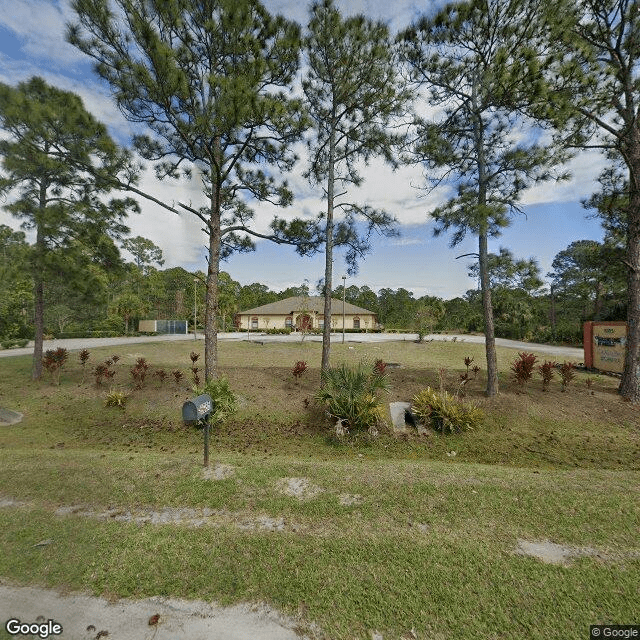
8085 Babcock Road, Palm Bay, FL 32909
To contact a resident: (321) 345-4774
For more information about senior living options: (866) 208-4318
Nursing Care by Angels Assisted Living Costs & Pricing
Nursing Care by Angels Assisted Living offers competitive pricing for its services, especially when viewed in the context of Brevard County and the broader state of Florida. For a semi-private room, residents pay $2,800 per month, which is notably lower than the county average of $3,027 and even below the state average of $3,009. This positions Angels as an attractive option for those seeking affordable care without compromising on quality. Additionally, their private rooms are priced at $4,200 per month. While this is higher than both the county average of $3,663 and the state average of $3,699, it reflects a commitment to providing personalized care that may justify the difference for prospective residents. Overall, Nursing Care by Angels Assisted Living aligns well with market trends while also offering value through its caring environment and specialized services.
| Floor plans | Nursing Care by Angels Assisted Living | Brevard County | Florida |
|---|---|---|---|
| Semi-Private | $2,800 | $3,035 | $3,009 |
| Private | $4,200 | $3,672 | $3,699 |
Senior living communities with a similar price nearby
-
from -$230 / mo

The Residences at Zon Beachside
$2,570 to $4,500 / month16.1 miles away -
from +$200 / mo
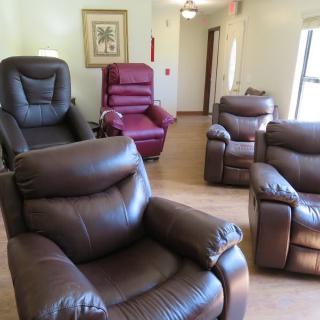
Caring Manor
$3,000 to $3,800 / month4.7 miles away -
About the same
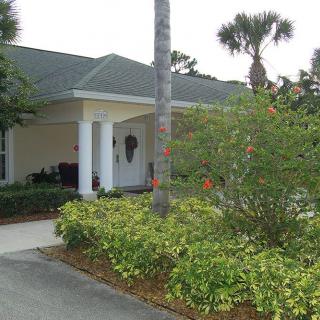
Pelican Garden Assisted Living
$2,750 to $3,500 / month15.0 miles away -
from -$300 / mo
Good Heavens AFCH
$2,500 / month14.1 miles away -
from +$200 / mo
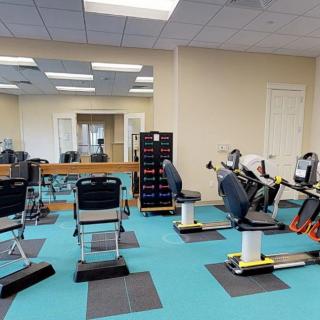
Riverview Senior Resort
$3,000 to $4,500 / month6.2 miles away
Overall Review of Nursing Care by Angels Assisted Living
Pros
 It is described as one of the cleanest ALFs with no bad odor.
- It is praised as the best and brightest ALF the reviewer has visited.
- The facility provides a clean environment with residents well cared for by an RN and two caregivers.
- Medical doctor visits are available as needed, and home-cooked fresh meals are served daily.
- Families express love for the place, with positive remarks about their mom's experience.
- The large home-like setting includes 8 bedrooms and 7 bathrooms, with an RN and a caregiver on staff for 7–8 residents.
- It offers handicapped-accessible showers and private rooms, with controlled outdoor access and supervised outdoor time.
Cons
 The ALF failed to provide proper care to residents.
- Medications were kept in a locked drawer for all patients, indicating mismanagement.
- The facility was very unorganized.
- Incontinence care was not handled properly and bedsores were common.
- Caregivers were watching TV instead of working.
- There were not enough staff, with only one CNA for seven patients.
- There were no activities provided beyond TV.
- A parent left the facility with second-stage bedsores due to mismanagement.
Review
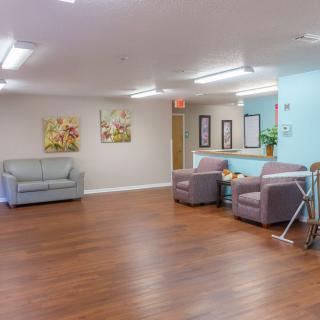
Nursing Care by Angels Assisted Living in Palm Bay is best suited for families that prize a clean, home-like setting with clear nursing oversight and ready medical access. The reviews converge on a facility that feels orderly and practical, where an RN is visibly on site and doctor visits occur as needed, all within a large, home-style footprint that offers private rooms and home-cooked meals. This combination can deliver dependable daily oversight and predictable routines. Still, the same feedback dollar-signs the risk: strong surface features exist alongside meaningful gaps in day-to-day care, so alternatives should be on the short list for families seeking consistently proactive caregiving and robust medication management.
Key advantages center on cleanliness and medical touchpoints. Several accounts laud a very clean environment, with no strong odor and a spacious, home-like layout that supports privacy and autonomy. An RN paired with a small caregiver team for a limited number of residents translates into tangible hands-on oversight, and the stated availability of a medical doctor helps manage chronic needs without frequent hospital trips. Add in home-cooked meals and trust from families who have seen loved ones settled there for years, and the positives become real: a setting that feels orderly, supportive, and comfortable for long-term residency.
Yet, the cons surface quickly and sharply. Medication management is repeatedly described as unsafe or disorganized, with meds reportedly locked away in drawers and dosing errors causing real concern. Staffing gaps show up as low caregiver-to-resident ratios, one CNA for seven residents is cited, as well as high turnover, which undercuts consistency and relationship-building. Additional safety worries include reports of unmanaged incontinence and bedsores, painting a picture of care that does not consistently meet basic, essential standards. A common refrain notes activities are minimal beyond television, limiting opportunities for engagement and social connection.
Those positives do not fully offset the drawbacks. Cleanliness and visible clinical presence can cushion some risks, but when medication handling is unreliable and wounds go untreated, trust and safety quickly erode. A high turnover rate compounds the problem, because frequent staff changes disrupt routines and personalized care cues. The absence of structured activity programming clashes with the needs of seniors who require mental stimulation and social engagement to maintain quality of life. Overall, this facility is not a universal match; it serves well for families prioritizing cleanliness and accessible medical oversight, but the day-to-day caregiving reliability must be proven on tour and in conversations with current residents and staff.
Families should consider alternatives if reliability and proactive care are non-negotiables. For residents with higher risk of medication errors, skin breakdown, or falls, seek communities with steadier staffing, higher staff-to-resident ratios, and transparent medication workflows. If robust activity calendars and purposeful programming are priorities, demand clear examples of outings, groups, and meaningful daily engagement beyond passive TV time. If tours reveal inconsistent cleanliness or slow or nonresponsive care, that is a red flag to explore other options, even when the environment is appealing and meals are home-style.
Practical next steps include a focused tour with pointed questions: what is the current and historical staff-to-resident ratio by shift, how precisely are medications stored and dispensed, what is the protocol for wound prevention and treatment, and what activities are scheduled weekly? Speak with multiple residents or family members about responsiveness, consistency, and the perceived reliability of care. Confirm medical support coverage, availability of doctors, specialists, and on-call support, and ensure the setting can accommodate evolving health needs. In short, the community can work for those who value cleanliness and accessible clinical oversight, but due diligence is essential to verify that daily caregiving meets the expectations and the loved one’s needs.
 Board and Care Home
 Activities off-site
 Bath tubs
 Beautician on-site
 Indoor common areas
 Outdoor common areas
 Private
 Private bathrooms
 Respite or short term stays offered
 Wheelchair accessible showers
 Melbourne International (11 miles away)
 Ambulatory care
 Diabetic care
 High acuity care
 Incontinence care
 Medication management
 Kosher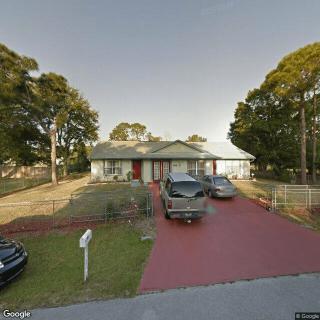
 Financing Long-Term Nursing Home Care Through Social Security: A Thorough Exploration
 Essential Knowledge on Pneumonia in Older Adults
 Exploring Palliative Care in the Home: A Comprehensive Overview