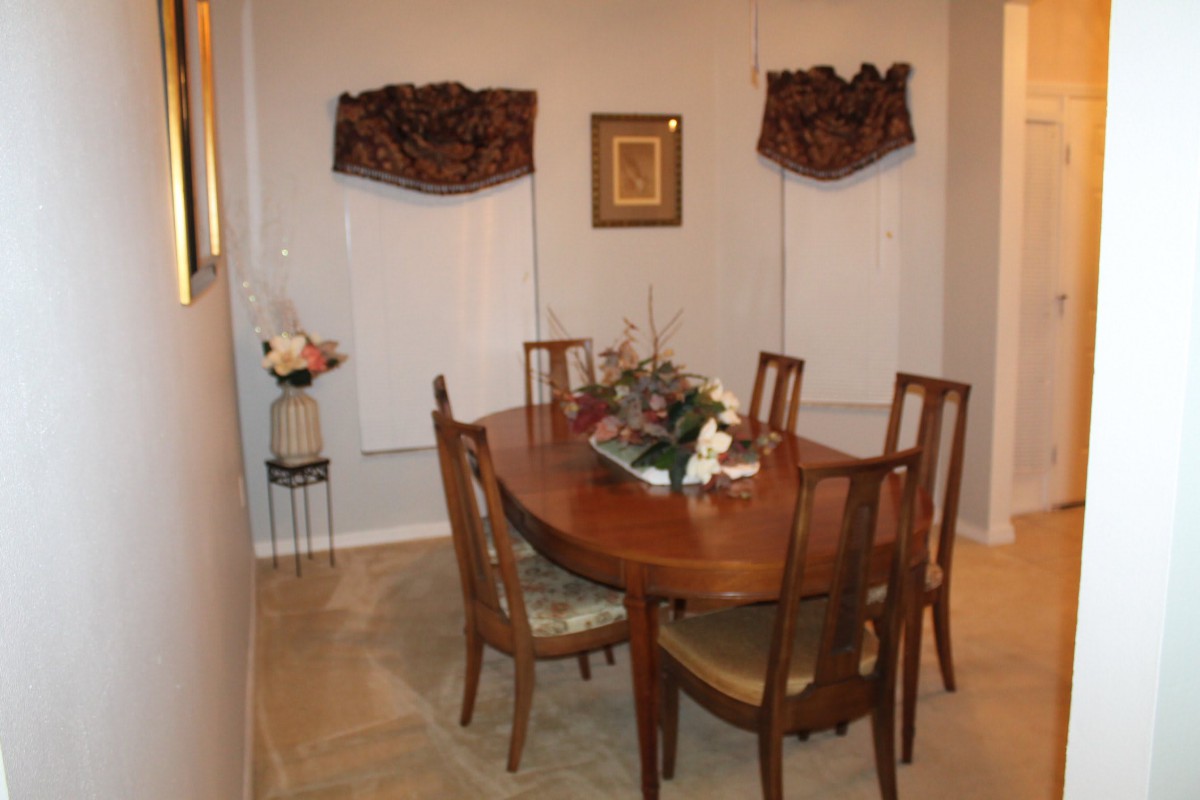
155 Aviation Avenue Ne, Palm Bay, FL 32907
For more information about senior living options: (866) 208-4318
K & S Tender Care Costs & Pricing
K & S Tender Care offers competitive pricing for its services when compared to the broader market in Brevard County and the state of Florida. For semi-private accommodations, K & S Tender Care charges $3,000 per month, slightly below the county average of $3,027 and comfortably under the state average of $3,009. In terms of private rooms, K & S Tender Care's rate is $4,000 per month - a figure that surpasses both the county's average of $3,663 and the state's average of $3,699. This pricing structure reflects K & S Tender Care's commitment to providing quality care while remaining accessible within the local context.
| Floor plans | K & S Tender Care | Brevard County | Florida |
|---|---|---|---|
| Semi-Private | $3,000 | $3,035 | $3,009 |
| Private | $4,000 | $3,672 | $3,699 |
Overall Review of K & S Tender Care
Pros
 The place is obviously well run.
- It is as clean as a whistle.
- There was no smell of urine or even medicine/detergent such as is common in the typical nursing home.
- The staff was very friendly and accommodating.
- The residents were all ambulatory, were clean and seem to be well nourished.
- The owner came by and engaged the visitors in a congenial conversation.
Cons
 They, including my friend were generally non communicative.
- He clearly is in an advance stage of dementia.
Review
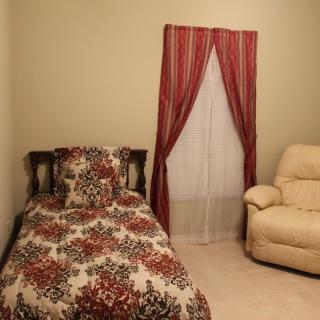
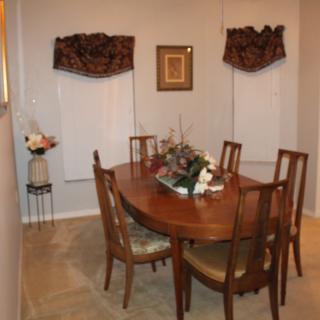
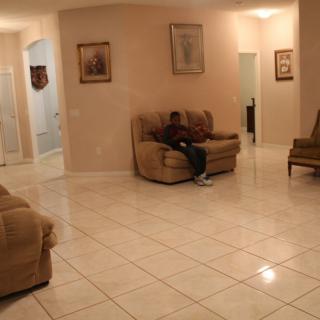
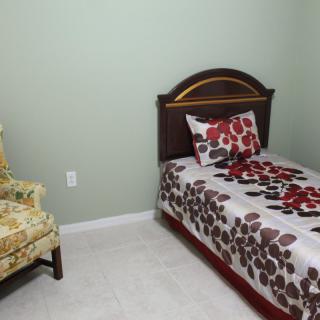
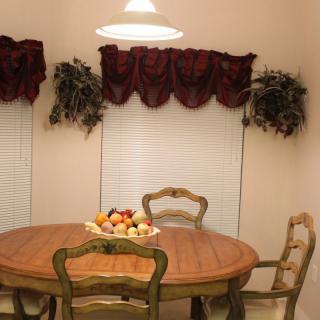
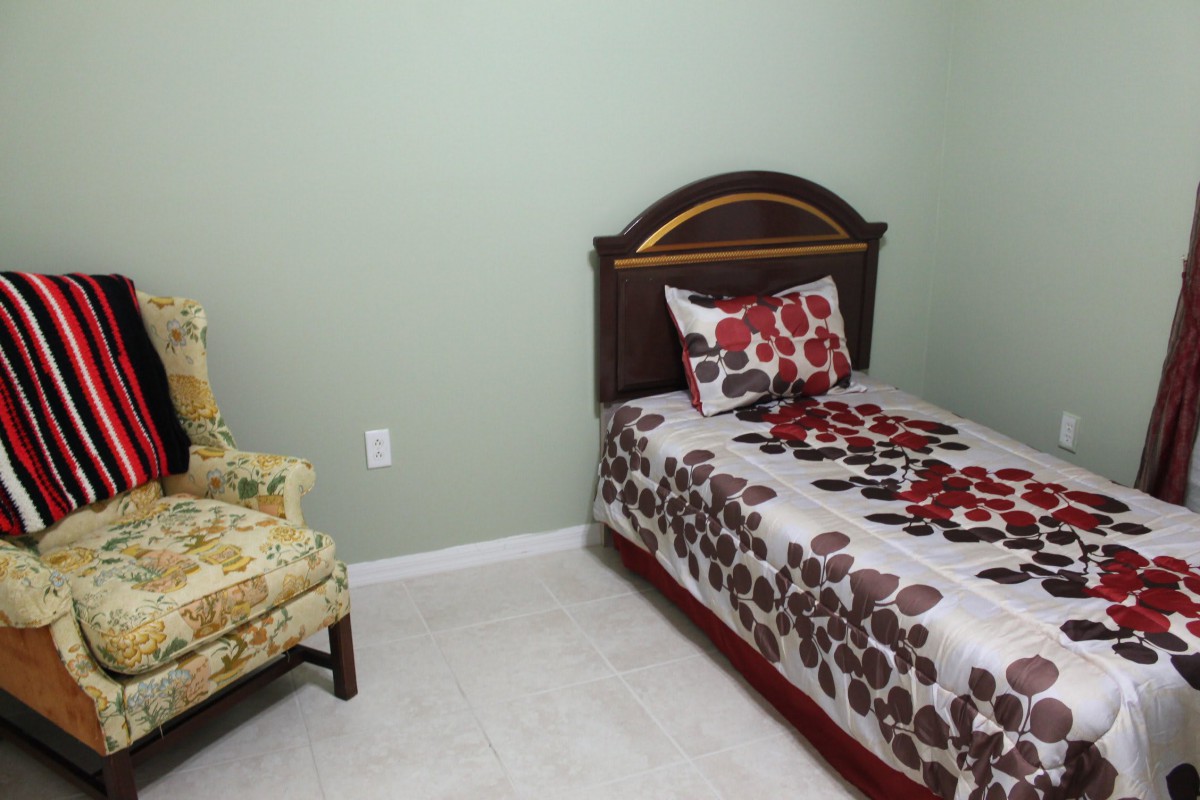
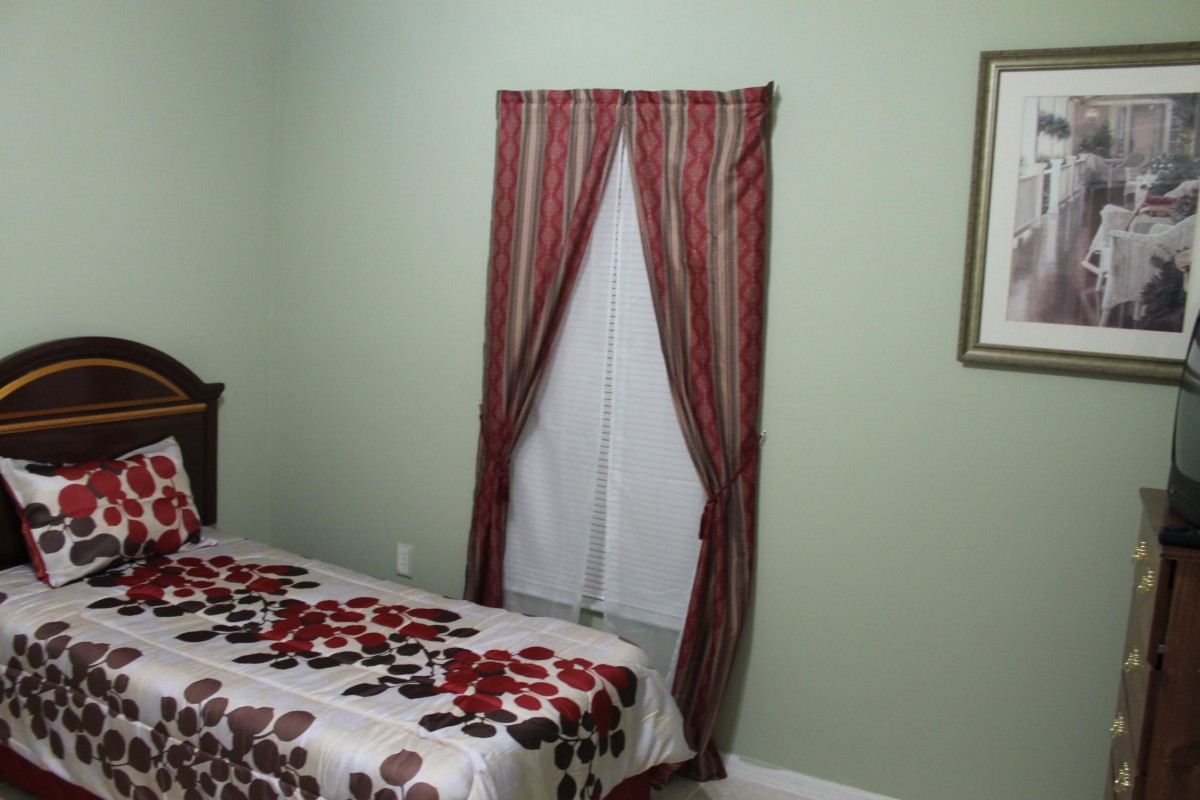
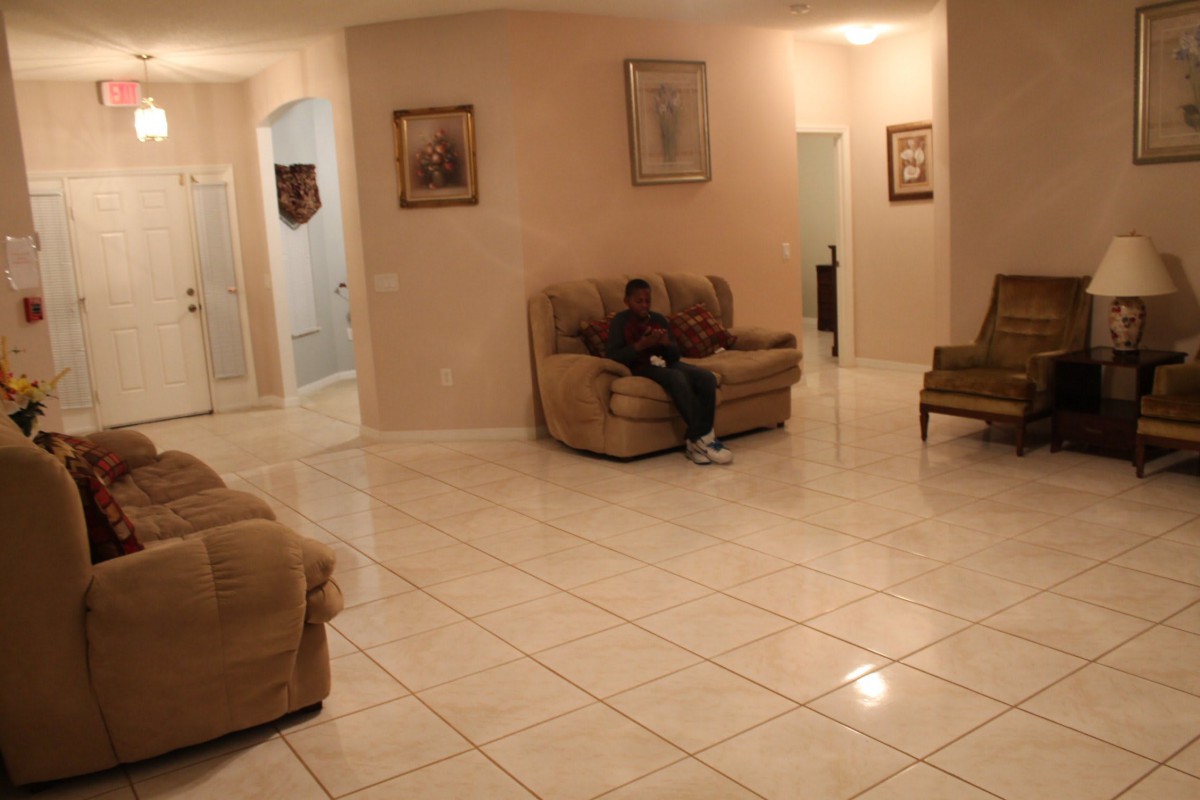
K & S Tender Care in Palm Bay, Florida is best suited for families seeking a small, home-like assisted living option where personal attention and a calm, intimate environment matter most. The community operates out of a single-family house with a traditional layout, delivering a quiet, residential feel rather than a bustling campus. With only four residents, including a friend who lives there and is in an advanced stage of dementia, the setting prioritizes cleanliness, dignity, and individualized care. The space is reported to be exceptionally clean, with no odors of urine or overwhelming medicines, and the day-to-day atmosphere feels orderly and secure. The staff come across as genuinely friendly and accommodating, and the owner’s hands-on presence is a notable source of stability and trust. For families who prize a housekeeping-level standard of upkeep and a hands-on owner, this option stands out.
This community is less suitable for families whose loved one requires robust, facility-scale memory care or intensive medical oversight. Those needing a highly structured program, frequent nursing input, or a broad slate of daily activities may find the small, home-based model insufficient. Larger assisted living campuses often offer more formalized memory-care protocols, more extensive staffing, and a busier social calendar, features that can be essential for individuals who benefit from constant engagement and higher-level medical management. In short, the lack of a dense activity schedule and the absence of a traditional memory-care footprint are real trade-offs to consider when memory needs intensify or when supervisory demands become unpredictable.
The strongest positives here are clear and meaningful. Cleanliness and order are not superficial; they shape daily comfort, reduce confusion, and support a dementia-friendly environment. The staff’s friendliness and willingness to accommodate contribute directly to a sense of safety and reliability, while the owner’s engagement signals accountability and continuity, qualities families often prize in a small, caregiver-led setting. Residents appear well-nourished and ambulatory, which aligns with a model that emphasizes dignity, independence, and a steady routine. For families prioritizing a low-stress, home-like atmosphere with highly responsive interpersonal care, these attributes create a compelling case.
However, the tight footprint inevitably introduces limitations. With only a handful of residents, opportunities for social interaction can be limited, which may hinder the kind of peer engagement that benefits many dementia and memory-care residents. The review notes that residents were non-communicative and that one resident had advanced dementia, suggesting that while supervision is attentive, specialized memory-care programming and frequent clinical oversight may be less available than in larger facilities. There is also little public detail about structured activities, therapeutic programming, or a formal clinical staffing matrix, which means families should verify whether the current model aligns with evolving care needs and safety expectations.
The positives so strongly highlighted, personal attention, a clean, orderly setting, and a genuinely supportive staff, largely offset the downsides when the priority is comfort, trust, and a family-like environment. The small scale promotes individualized attention, easier communication with caregivers, and a peaceful milieu that can reduce agitation for dementia patients who benefit from predictable routines. The ambiance, combined with accessible ownership and a responsive team, tends to translate into reliable day-to-day satisfaction and a sense of being seen and valued. In scenarios where a loved one thrives in a cocooned, homelike setting with hands-on caregivers, the benefits can strongly justify choosing this community over more impersonal options.
In the end, K & S Tender Care should be regarded as a strong match for families seeking a warm, intimate home-and-care arrangement in Palm Bay. It excels for residents who can function with steady supervision in a low-stimulus, neighborly environment, where cleanliness, respectful staff, and owner involvement are tangible strengths. Those who must have ongoing, hospital-grade medical oversight, large-scale social programming, or dedicated memory-care infrastructure may want to explore alternatives that offer more formalized clinical resources and a broader activity roster. Prospective families are encouraged to visit, observe how residents interact with caregivers, and ask pointed questions about staffing ratios, emergency protocols, daily schedules, meals, and the availability of respite or trial-stay options. The right fit hinges on aligning the care trajectory with the resident’s current and near-future needs, and this community offers a compelling, well-executed option for a particular kind of senior care home experience.
 5 resident community capacity
 Assisted Living
 Board and Care Home
 Respite Care
 Activities off-site
 Bath tubs
 Cable or satellite TV
 Devotional services off-site
 Dining room
 Fully furnished
 Garden
 Housekeeping services
 Indoor common areas
 Move-in coordination
 Outdoor common areas
 Private
 Telephone
 Wheelchair accessible showers
 Wi-Fi/high-speed internet available
 Melbourne International (7 miles away)
 24-hour supervision
 Ambulatory care
 Assistance with bathing
 Assistance with dressing
 Assistance with transfers
 Diabetes diet
 Diabetic care
 High acuity care
 Incontinence care
 Meal preparation and service
 Medication management
 Special dietary restrictions
 Transportation arrangement (medical)
 Transportation to doctors appointments

 Beyond the Bingo Hall: 50+ Enriching Activities for Seniors in Assisted Living
 Understanding the Distinctions: Assisted Living and Memory Care Explained
 Guiding Elderly Parents Who Refuse Assisted Living: 6 Practical Steps